

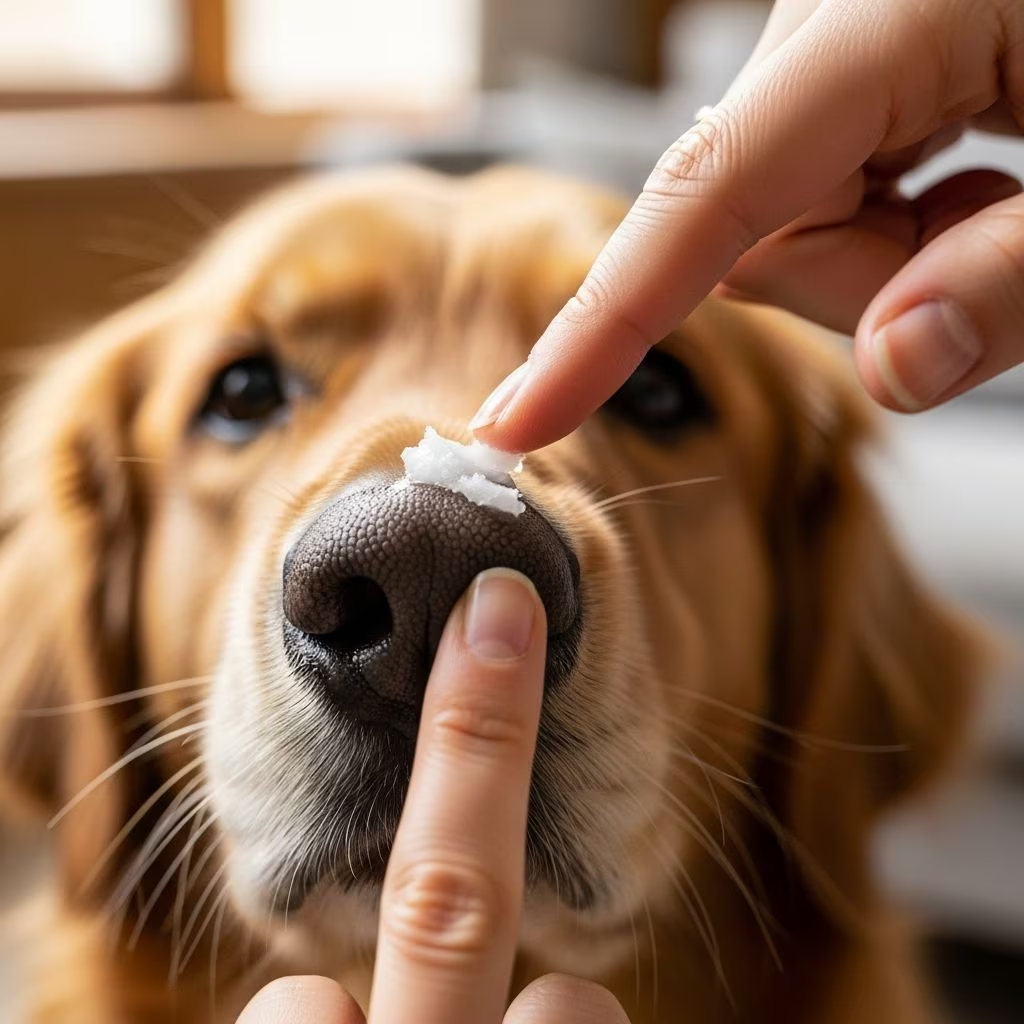
A dog’s nose serves as a vital sensory organ, constantly sniffing the environment while exposed to harsh elements. When it becomes dry, cracked, or irritated, owners often seek natural solutions like coconut oil. This tropical extract promises hydration and healing, but is it truly safe and effective for canine use? This guide examines the evidence, weighing advantages against potential downsides.
Understanding Dryness in Canine Noses
Dogs rely on their moist noses for scent detection, temperature regulation, and touch. A healthy nose feels cool, damp, and smooth. Deviations like flakiness or crusting signal issues that could cause discomfort or signal deeper problems.
Environmental factors top the list of culprits. Prolonged sun exposure leads to sunburn, especially in light-colored or thin-haired breeds. Windy conditions strip natural oils, while extreme cold causes chapping similar to human lips in winter. Indoor heating or air conditioning exacerbates this by lowering humidity levels.
- Sun and UV rays: Cause pigmentation loss and cracking in breeds like Boxers or Dalmatians.
- Weather extremes: Windburn or frostbite dries the surface rapidly.
- Dehydration: Insufficient water intake reduces overall moisture production.
Allergies play a significant role too. Food sensitivities or environmental pollen trigger inflammation, leading to dry, itchy noses. Contact dermatitis from grass, chemicals, or bedding materials worsens the condition. Autoimmune disorders, infections, or breed-specific issues like nasal hyperkeratosis in breeds such as Labrador Retrievers demand professional evaluation.
Recognizing patterns helps differentiate minor woes from serious concerns. If dryness accompanies lethargy, nasal discharge, or appetite loss, veterinary consultation is urgent.
Potential Advantages of Coconut Oil
Coconut oil, derived from copra meat, contains medium-chain triglycerides (MCTs) like lauric acid. These fatty acids penetrate skin deeply, offering emollient effects ideal for topical use on noses.
Key benefits include:
- Hydration boost: Locks in moisture, softening cracks and preventing further dehydration.
- Antimicrobial action: Lauric acid combats bacteria and fungi, reducing infection risk on compromised skin.
- Anti-inflammatory relief: Soothes redness and swelling from irritants or minor allergies.
For topical application, small amounts pose low toxicity risk, even if licked. Veterinary sources note its utility for dry paws and noses without systemic effects when used sparingly. Pet health experts highlight its non-greasy absorption when applied thinly, promoting barrier repair.
| Benefit | Mechanism | Supported By |
|---|---|---|
| Moisturizing | MCT fatty acids seal skin barrier | Topical studies on skin hydration |
| Antibacterial | Lauric acid disrupts microbial membranes | Lab tests on pathogens |
| Soothing | Reduces cytokine release | Anecdotal vet reports |
Hidden Risks and Side Effects
Despite popularity, coconut oil isn’t risk-free. Individual sensitivities vary, and misuse amplifies problems.
Allergic responses occur in rare cases, manifesting as heightened redness, itching, or hives post-application. Excessive amounts create a greasy film attracting dirt, dust, and bacteria, potentially clogging pores or fostering folliculitis.
Licking introduces oral intake risks. While trace amounts tolerate well, frequent ingestion leads to gastrointestinal upset like diarrhea or vomiting due to high fat content. Over time, this contributes to weight gain, pancreatitis, or lipid imbalances in predisposed dogs.
- Skin irritation: From impure or refined variants with additives.
- Digestive issues: Loose stools from MCT overload.
- Clogged pores: Thick layer impedes natural sebum flow.
Pets with pre-existing pancreatitis, obesity, or fat malabsorption should avoid it entirely. Always patch-test on a small area first.
Step-by-Step Safe Application Guide
To harness benefits while minimizing hazards, follow precise protocols.
- Select quality product: Opt for virgin, organic, unrefined coconut oil without fragrances or preservatives.
- Clean the area: Gently wipe the nose with a damp, soft cloth to remove debris.
- Test sensitivity: Dab a pea-sized amount on the inner paw or belly; wait 24 hours for reactions.
- Apply sparingly: Use a clean finger or cotton swab for a thin, even layer—think lip balm thickness.
- Frequency: Once or twice daily for 1-2 weeks; reassess progress.
- Monitor closely: Watch for licking, rubbing, or worsening signs; distract with toys if needed.
Store oil at room temperature; it solidifies below 76°F, softening with gentle warming. Consistency yields results in mild cases within days.
Superior Alternatives to Consider
While coconut oil works for some, specialized products outperform it. Commercial nose balms blend multiple actives for enhanced efficacy and staying power.
Standouts include shea butter for UV protection, lanolin for occlusion, and herbal extracts like calendula for healing. These formulations resist licking and rubbing better than solo oils.
- Pet-specific balms: Tailored pH, non-toxic ingredients.
- Other oils: Vitamin E or jojoba mimic skin’s sebum without greasiness.
- Humectants: Shea or mango butter draw moisture inward.
Holistic approaches complement topicals: Ensure 1-2 ounces of fresh water per 10 pounds body weight daily. Omega-3 supplements from fish oil support skin from within. Humidifiers maintain indoor moisture above 40%.
When to Seek Veterinary Help
Not all nose issues respond to home remedies. Persistent cracking, bleeding, ulceration, or asymmetry warrants immediate vet attention. Accompanying symptoms like sneezing, foul odor, or paw involvement suggest infections, tumors, or systemic disease.
Diagnostics may include biopsies, cultures, or allergy testing. Treatments range from prescription ointments to immunosuppressants for conditions like pemphigus.
Breeds prone to nasal dermatoses—Bulldogs, Westies—benefit from proactive monitoring. Early intervention prevents complications.
Holistic Nose Care Strategies
Prevention trumps treatment. Integrate these habits:
- Daily hydration and nutrient-dense diet rich in antioxidants.
- Sun protection via hats, shade, or SPF pet sunscreens.
- Grooming routines excluding harsh soaps on the face.
- Regular health checks for early dryness detection.
Table of breed vulnerabilities:
| Breed | Common Issue | Prevention Tip |
|---|---|---|
| Labrador | Hyperkeratosis | Weekly balm application |
| Boxer | Sun damage | UV-blocking nose gear |
| Bulldog | Folds irritation | Gentle cleansing |
Frequently Asked Questions
Is coconut oil toxic if my dog licks it?
Small topical doses are safe, but excess causes digestive upset. Use minimally.
How long until I see improvement?
Mild dryness improves in 3-7 days with consistent use. No change? Switch remedies.
Can all dogs use it?
No—avoid in puppies under 6 months, obese pets, or those with GI sensitivities.
What if irritation worsens?
Discontinue immediately; rinse with saline and consult a vet.
Are there vegan alternatives?
Yes, plant-based balms with hemp seed oil or aloe provide similar relief.
References
- Can I Put Coconut Oil on My Dog’s Nose? — Zoorithm. 2024. https://www.zoorithm.com/dogs/can-i-put-coconut-oil-on-my-dogs-nose
- The Risks and Benefits of Coconut Oil for Pets — The Drake Center. 2023. https://www.thedrakecenter.com/about-us/in-the-news/risks-and-benefits-coconut-oil-pets
- Coconut Oil for Dogs — PetMD. 2025-01-15. https://www.petmd.com/dog/general-health/coconut-oil-for-dogs
- Coconut Oil for Dogs: Potential Benefits and Drawbacks — AKC. 2024. https://www.akc.org/expert-advice/health/coconut-oil-dogs/
- Is Coconut Oil Safe for Dogs? Yes, But Here’s What You Should Know — GoodRx. 2025. https://www.goodrx.com/pet-health/dog/is-coconut-oil-safe-for-dogs
- Can You Put Lotion On Your Dog’s Nose? Risks + Alternatives — Legends Creek Farm. 2024. https://www.legendscreekfarm.com/blogs/legends-blog-home-page/can-put-lotion-on-dogs-nose



