

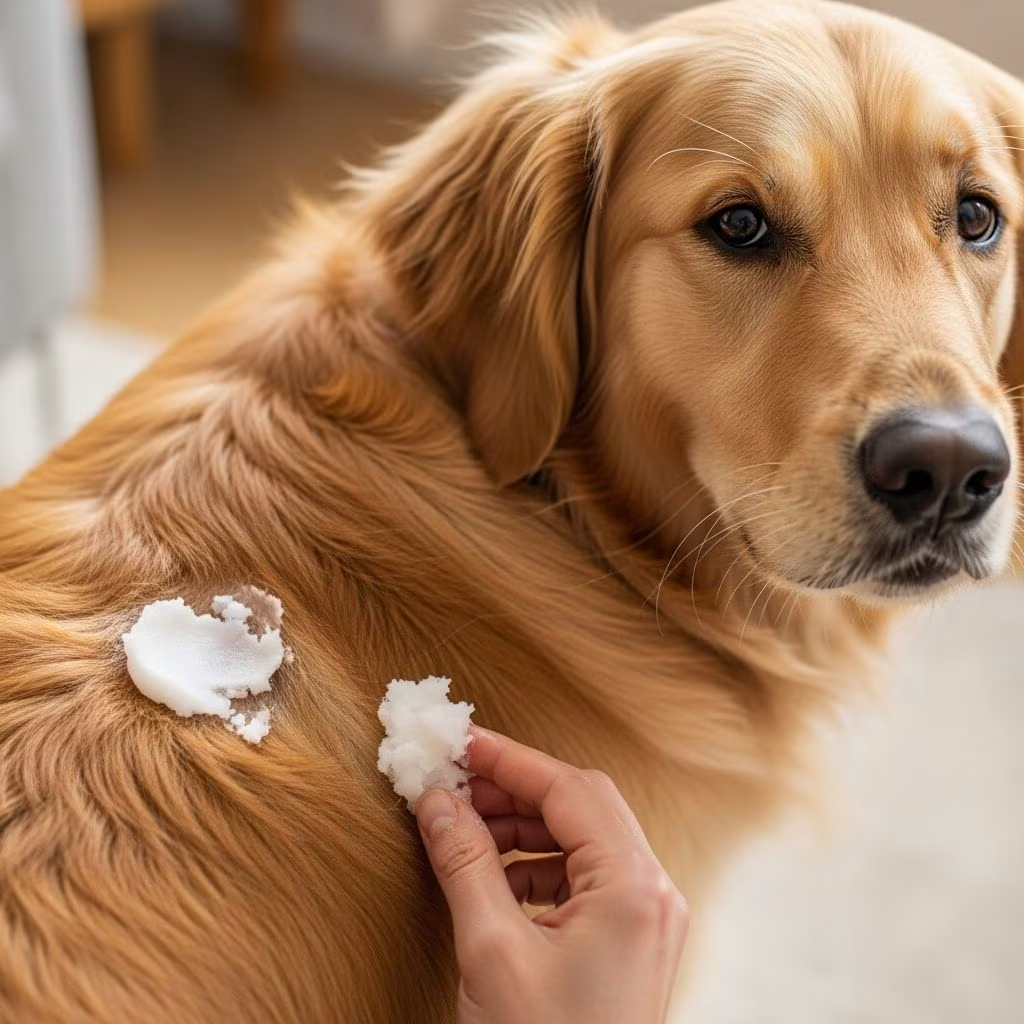
Coconut oil serves as a popular natural option for addressing itchy skin in dogs, offering moisturizing and antimicrobial benefits when applied correctly. Its medium-chain triglycerides, particularly lauric acid, help hydrate dry areas and combat minor irritations.
Why Dogs Develop Itchy Skin
Itchy skin, or pruritus, affects many dogs due to factors like environmental allergens, fleas, dry weather, or food sensitivities. Symptoms include excessive scratching, redness, and flakiness, which can lead to secondary infections if untreated. Understanding the root cause is essential before applying remedies like coconut oil.
Key Advantages of Coconut Oil for Canine Skin
Coconut oil provides several targeted benefits for dogs experiencing itchiness, primarily through topical use.
- Hydration Boost: It penetrates the skin barrier to lock in moisture, reducing dryness common in winter or after frequent bathing.
- Itch Reduction: Anti-inflammatory qualities calm mild irritations from allergies or hot spots.
- Coat Enhancement: Regular application promotes shine and smoothness by conditioning fur from the roots.
- Pathogen Defense: Lauric acid offers antibacterial and antifungal action against minor infections.
These effects make it a versatile choice for preventive and symptomatic care.
Scientific Basis Behind Its Effectiveness
The efficacy stems from its composition: over 50% lauric acid converts to monolaurin in the body, disrupting microbial cell walls. Studies on similar MCTs in animals show reduced inflammation and improved epithelial integrity, though direct canine trials remain limited. Veterinary sources note anecdotal success in barrier strengthening.
Choosing the Right Coconut Oil Type
Opt for virgin, unrefined, organic coconut oil to retain maximum nutrients. Refined versions lose beneficial compounds during processing. Store in glass jars away from heat for longevity up to two years. Avoid products with additives that could irritate sensitive skin.
Safe Application Techniques
Proper method ensures absorption without mess or over-ingestion.
- Warm a small amount (pea-sized for small dogs, teaspoon for large) between palms until liquid.
- Massage gently into affected areas like belly, paws, or ears, avoiding eyes.
- Let sit 10-20 minutes, then brush out excess or rinse lightly.
- Frequency: 2-3 times weekly initially, reducing as improvement occurs.
For paws, apply post-walk to heal cracks. Test on a small patch first for 24 hours to check for reactions.
Incorporating into Diet for Internal Support
Oral supplementation enhances skin health from within via fatty acid nourishment.
- Small breeds: Start with 1/4 tsp daily.
- Medium: 1/2 tsp.
- Large: 1 tsp to 1 tbsp, mixed in food.
Introduce gradually over a week, monitoring digestion. Combine with balanced nutrition for best results, but consult vets for obese or pancreatitis-prone dogs.
Potential Drawbacks and Risks
While generally safe, overuse leads to greasy fur, clogged pores, or diarrhea from ingestion. Dogs with coconut allergies (rare) may react with worsened itching. It’s ineffective for severe issues like mange or deep infections. Veterinary experts caution against relying solely on it, as misdiagnosis delays proper treatment.
Comparing Coconut Oil to Other Remedies
| Remedy | Pros | Cons | Best For |
|---|---|---|---|
| Coconut Oil | Natural, multi-use, affordable | Messy, not for severe cases | Mild dryness, itch |
| Oatmeal Baths | Soothing, easy rinse | Temporary relief only | Allergies |
| Fish Oil | Omega-3 rich, oral | Fishy smell, slower | Chronic inflammation |
| Aloe Vera | Cooling, healing | Ingestion toxic | Burns, minor wounds |
Coconut oil excels in versatility but pairs well with vet-prescribed topicals for complex issues.
When to Seek Professional Veterinary Help
Discontinue and visit a vet if itching persists beyond two weeks, skin oozes, hair loss spreads, or behavior changes occur. Bloodwork or biopsies may diagnose allergies or hormonal imbalances. Vets might integrate coconut oil into a broader plan.
Frequently Asked Questions
Is coconut oil safe for puppies?
Use sparingly on older puppies (over 8 weeks); consult vet for neonates due to immature digestion.
Can all dogs lick coconut oil?
Yes, in moderation—it’s non-toxic, but excess causes stomach upset.
How long until results show?
Visible improvement in 3-7 days for mild cases; chronic issues take longer.
Does it repel fleas?
Anecdotal repellent effect from scent and oil barrier, but not a primary treatment.
What if my dog hates the application?
Mix with favorite treats for oral use or use distraction techniques.
Enhancing Results with Lifestyle Adjustments
Pair coconut oil with hypoallergenic diets, regular flea preventives, and gentle shampoos. Weekly brushing distributes oils naturally. Humidifiers combat dry air indoors. Track progress in a journal for pattern identification.
Holistic care maximizes coconut oil’s potential while minimizing risks.
References
- Coconut Oil – A Natural Solution for a Dog’s Skin and Coat Health — Addiction Pet. 2023. https://shop.addictionpet.com/blogs/skin-coat-dog/coconut-oil-a-natural-solution-for-a-dogs-skin-and-coat-health
- Is Coconut Oil Actually Good for Your Dog’s Skin? — Scenthound. 2024. https://www.scenthound.com/dogblog/is-coconut-oil-actually-good-for-your-dogs-skin
- 10 Benefits of Coconut Oil for Dogs to Improve Skin and Overall Health — Canine Craving. 2023. https://www.caninecraving.com/blogs/blog/benefits-of-coconut-oil-for-dogs
- Coconut Oil for Dogs: Potential Benefits and Drawbacks — American Kennel Club (AKC). 2024-01-15. https://www.akc.org/expert-advice/health/coconut-oil-dogs/
- Coconut oil and its beneficial effects for dogs — Furnatura. 2023. https://www.furnatura.com/en-US/blog/coconut-oil-and-its-beneficial-effects-for-dogs
- Coconut Oil for Dogs — PetMD. 2025-06-10. https://www.petmd.com/dog/general-health/coconut-oil-for-dogs



