

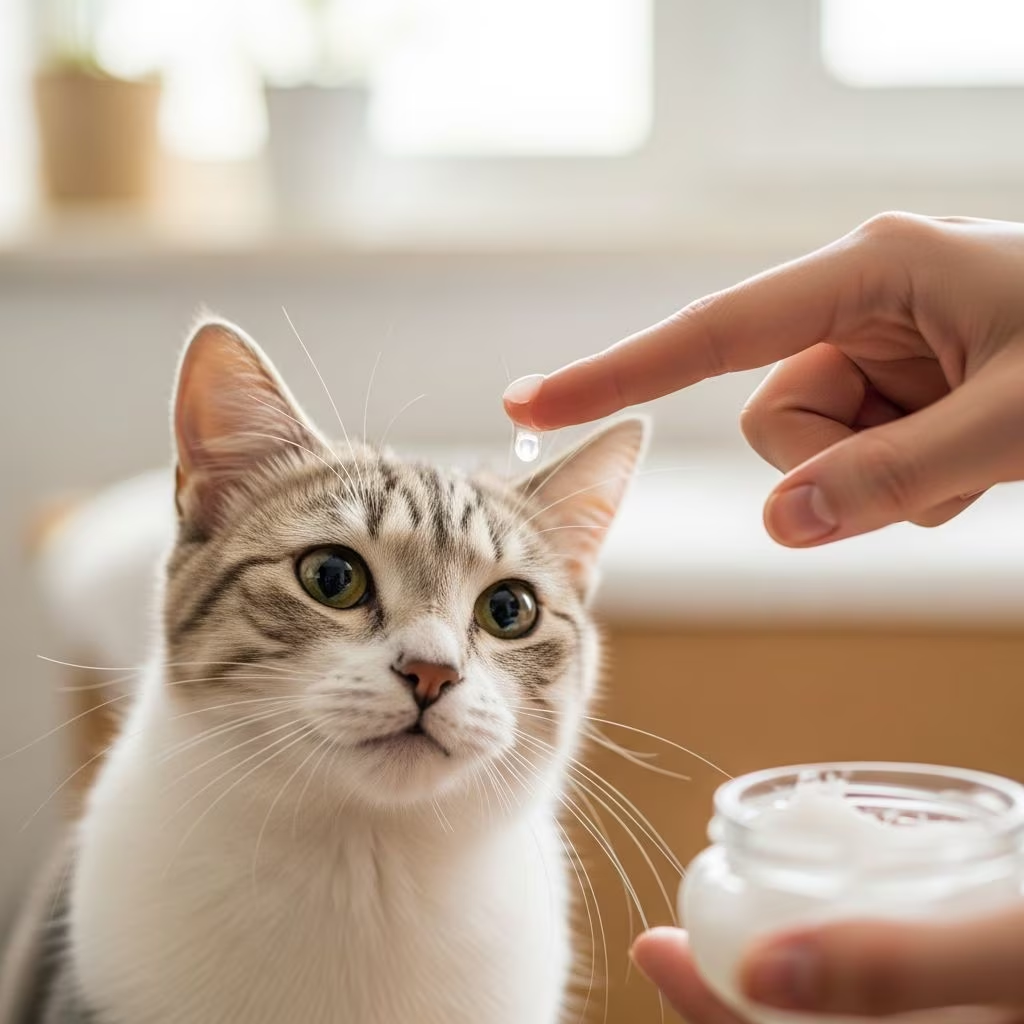
Coconut oil serves as a versatile natural remedy for various cat skin problems, offering moisturizing, antimicrobial, and anti-inflammatory effects through its medium-chain triglycerides (MCTs) like lauric acid.
Why Coconut Oil Benefits Feline Skin
The skin of cats acts as a protective barrier, but conditions like dryness, allergies, and infections can compromise it. Coconut oil’s high lauric acid content provides antibacterial, antifungal, and antiviral properties, helping to combat pathogens while restoring moisture. Studies in humans with atopic dermatitis show it enhances skin lipids and barrier function, suggesting similar potential for cats despite limited feline-specific research.
Key active components include:
- Lauric acid: Over 40% of coconut oil, fights bacteria and supports immune health.
- Medium-chain triglycerides (MCTs): Easily digested, they nourish skin from within when ingested.
- Capric and caprylic acids: Additional antifungal agents for topical healing.
Common Cat Skin Issues Addressed by Coconut Oil
Cats often suffer from environmental allergies, poor grooming, or dietary deficiencies leading to skin woes. Coconut oil targets these effectively.
| Skin Condition | How Coconut Oil Helps | Evidence Level |
|---|---|---|
| Dry, flaky skin | Moisturizes deeply, reduces flakiness | Strong anecdotal, some human studies |
| Allergic dermatitis | Strengthens skin barrier against allergens | Promising, vet-recommended |
| Chin acne or minor wounds | Antimicrobial action clears bacteria | Supported by lauric acid properties |
| Crusty paw pads or nose | Softens and heals cracks | Common topical use |
For instance, applying coconut oil to paw pads hydrates them, though cats may lick it off quickly, requiring reapplication.
Safe Application Methods for Skin Treatment
Start with virgin, unrefined coconut oil for purity. Warm a small amount between fingers to liquify it.
- Topical direct application: Dab 1/4 teaspoon on affected areas like dry patches or acne-prone chin. Massage gently and distract your cat to allow absorption.
- Mix with food for internal support: Begin with 1/8 teaspoon daily per 10 lbs body weight, increasing to 1/4 teaspoon if tolerated. This promotes skin health systemically.
- Paw or nose balm: Apply sparingly to prevent slipping on floors; combine with other soothers if needed.
Monitor for 1-2 weeks: expect shinier coat, less itching, and improved texture.
Internal Health Boosts That Aid Skin
Beyond topical use, ingesting coconut oil supports gut health, which influences skin via the microbiome. MCTs reduce gut inflammation, aiding digestion and nutrient uptake for better skin repair. Cats with hairballs or shedding issues may see reduced matting as oil lubricates the coat internally.
- Improves coat gloss and reduces dandruff.
- Supports mild digestive sensitivities without heavy fat processing.
- Enhances energy for better grooming habits.
Dosage Guidelines by Cat Size and Condition
| Cat Weight | Daily Oral Dose (start low) | Topical Amount per Session |
|---|---|---|
| Under 10 lbs | 1/8 tsp | Pea-sized dab |
| 10-15 lbs | 1/4 tsp | 1/4 tsp |
| Over 15 lbs | 1/2 tsp max | 1/2 tsp, avoid overuse |
Adjust based on response; consult a vet for obese or senior cats.
Potential Risks and When to Avoid
While generally safe, coconut oil is calorie-dense (120 kcal/tbsp), risking weight gain or pancreatitis flare-ups in prone cats. Oral use may elevate blood lipids; topical is safer for most. Avoid if your cat has fat malabsorption issues like lymphangiectasia without vet approval.
- Not for: Pancreatitis history, hyperlipidemia, or severe GI disease.
- Watch for: Diarrhea, vomiting, or lethargy—stop immediately.
- Unproven claims: No evidence for cancer prevention or dental health in cats.
Real-World Success Stories and Vet Insights
Veterinarians note coconut oil’s role in atopic skin management, with some cats showing reduced itching after weeks of use. Pet owners report softer fur and fewer hairballs when added to diets. A holistic approach combines it with omega-3s or allergy testing for best results.
Choosing Quality Coconut Oil
Opt for organic, cold-pressed, virgin coconut oil without additives. Store in a cool place; it solidifies below 76°F. Brands with pet-specific formulations may include extras like shea butter.
Frequently Asked Questions
Can all cats use coconut oil on their skin?
Most can, but test a small area first for allergies. Kittens, pregnant, or nursing cats need vet clearance.
How long until I see skin improvements?
Typically 1-4 weeks with consistent use.
Is coconut oil better than vet-prescribed creams?
It’s a complementary option; severe cases require professional diagnosis.
What if my cat licks off the oil?
Small amounts are safe orally, but use sparingly to minimize ingestion.
Can it help with flea bite allergies?
It soothes irritation but doesn’t repel fleas—use preventatives alongside.
Integrating into a Holistic Skin Care Routine
Pair coconut oil with regular brushing, hypoallergenic diets, and humidity control for dry environments. Annual vet check-ups ensure no underlying issues like hyperthyroidism or parasites mimic skin problems.
For chronic conditions, track progress with photos and stool samples. Transition slowly when combining with other supplements to avoid tummy upset.
References
- Can Cats Have Coconut Oil? Is Coconut Oil Safe for Cats? — PetMD. 2023-05-15. https://www.petmd.com/cat/nutrition/coconut-oil-cats-it-good-idea
- 7 Signs Coconut Oil Could Make a Big Difference for Your Cat — CocoTherapy. 2024-02-10. https://www.cocotherapy.com/blogs/blog/coconut-oil-big-difference-for-cats
- The Risks and Benefits of Coconut Oil for Pets — The Drake Center. 2023-11-20. https://www.thedrakecenter.com/about-us/in-the-news/risks-and-benefits-coconut-oil-pets
- Coconut Oil for Cats: Health Benefits, Dosage, and Safety Tips — Pure Paws Vet. 2024-01-08. https://www.purepawsvet.com/is-coconut-oil-safe-for-cats/
- 3 Ways to Incorporate Coconut Oil in Your Cat’s Diet — Earth Buddy Pet. 2023-09-12. https://www.earthbuddypet.com/blogs/cbd-oil-blog/incorporate-coconut-oil-in-cats-diet
- Is Coconut Oil Good for Dogs and Cats? — Redbarn Pet Products. 2024-03-05. https://www.redbarn.com/blogs/blog/is-coconut-oil-good-for-dogs-and-cats



