

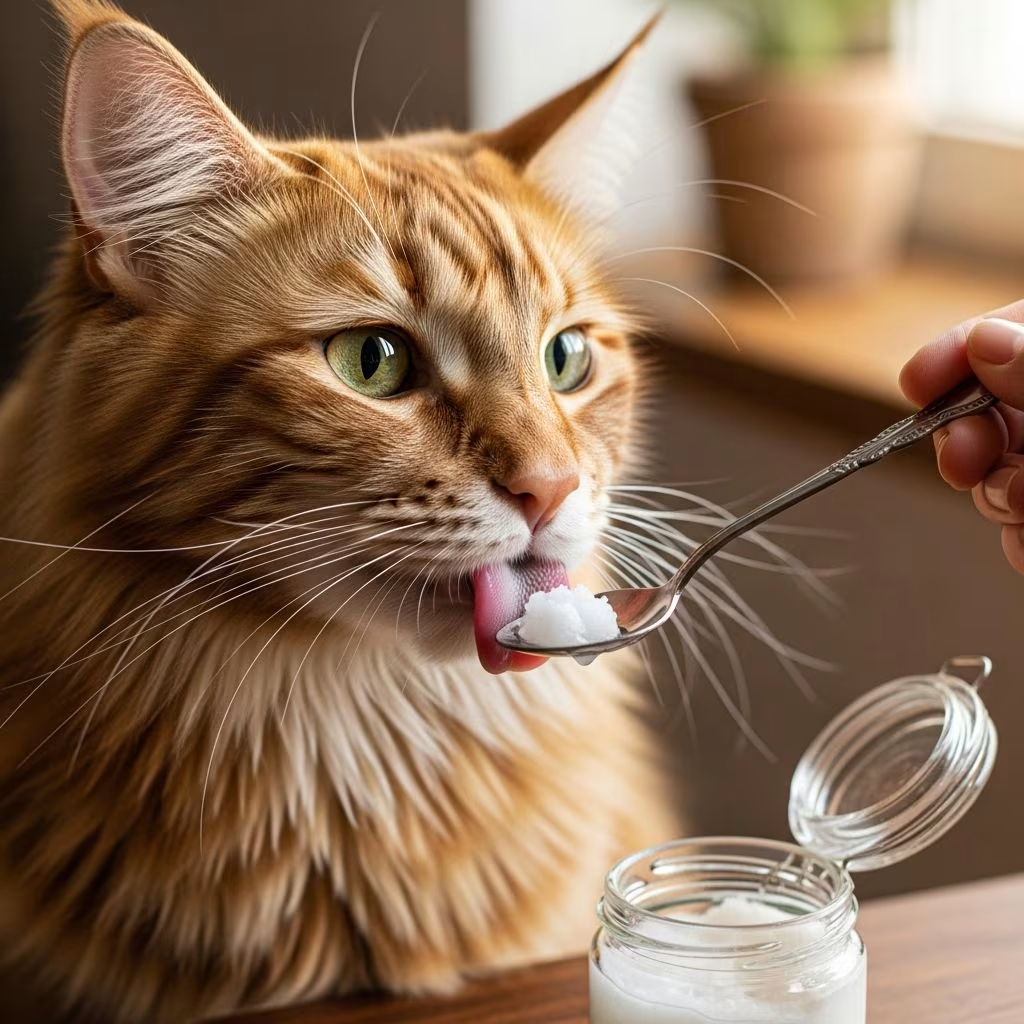
Coconut oil offers cats a versatile natural supplement that supports various aspects of health through its medium-chain triglycerides (MCTs), particularly lauric acid with antimicrobial effects.
Understanding Coconut Oil’s Composition
Derived from coconut meat, this oil stands out due to over 90% saturated fats, mostly MCTs like lauric, capric, and caprylic acids. These fats digest easily, converting quickly to energy without taxing the liver or pancreas, unlike longer-chain fats. For cats, obligate carnivores with sensitive systems, this makes it a gentle addition.
Virgin, unrefined coconut oil retains the most nutrients, including vitamin E for antioxidant protection. Fractionated versions, liquid at room temperature, suit topical or carrier uses.
Enhancing Skin and Coat Vitality
One of the most noticeable perks is improved skin and fur condition. Applied topically, it moisturizes dry paws, noses, and flaky areas, creating a barrier against irritants. Owners report softer, glossier coats after regular massages, as MCTs nourish from within when ingested in moderation.
- Relieves itchiness from allergies or environmental dryness.
- Promotes healing of minor cuts or hot spots with antibacterial properties.
- Restores luster to dull fur in cats with poor diets.
For best results, warm a small amount between fingers and rub into affected spots daily, avoiding eyes and mouth.
Supporting Digestive Harmony
Coconut oil aids feline digestion by lubricating the gut and fostering beneficial bacteria. MCTs absorb directly into the bloodstream, easing nutrient uptake and reducing bloating or irregularity. Cats prone to vomiting or loose stools may benefit from its anti-inflammatory effects on the intestinal lining.
It also helps underweight cats gain energy without overwhelming their systems, providing about 40 calories per teaspoon. Start with 1/8 teaspoon mixed into food, increasing gradually if tolerated.
Strengthening Immune Defenses
Lauric acid converts to monolaurin in the body, exhibiting antiviral, antibacterial, and antifungal actions that bolster immunity. This supports cats facing frequent infections or stress, as 70% of their immune cells reside in the gut, which coconut oil nurtures.
Antioxidants like vitamin E combat free radicals, potentially aiding long-term health and reducing chronic inflammation. Senior cats or those with weakened systems see particular gains.
Managing Hairballs Naturally
Hairballs plague grooming cats; coconut oil’s lubricating fats coat swallowed fur, facilitating passage through the digestive tract. Regular small doses can minimize retching and blockages, promoting smoother expulsion via stool.
Combine with brushing for optimal control. Unlike petroleum-based remedies, it offers added nutritional value.
Easing Joint Discomfort and Mobility
Anti-inflammatory MCTs may alleviate arthritis symptoms in older cats, improving joint lubrication and reducing stiffness. Ketones from MCT metabolism provide brain fuel, enhancing cognition and activity levels in seniors.
| Age Group | Potential Benefits | Suggested Dose |
|---|---|---|
| Kittens (<1 year) | Skin support, energy | Pinch (1/16 tsp) |
| Adults | Digestion, coat shine | 1/4 tsp daily |
| Seniors | Joints, immunity | 1/4-1/2 tsp |
Practical Application Methods
Topical: Ideal for skin issues; dab on paws or coat, let cat self-groom excess.
Oral: Melt and stir into wet food or treats. Fractionated oil mixes seamlessly.
Carrier: Pairs with CBD or supplements for better absorption.
Choose organic, cold-pressed oil free of additives. Store in a cool, dark place.
Safe Dosage Guidelines
Limit to 1/4 teaspoon per 10 pounds of body weight daily to avoid digestive upset or calorie overload. Overfeeding risks diarrhea, vomiting, or pancreatitis in sensitive cats. Puppies and obese cats need less.
Monitor for allergies: rare but possible itching or lethargy signals stopping use. Consult vets for cats with diabetes, liver issues, or on medications, as high fat content interacts.
Potential Drawbacks and Precautions
While generally safe, excess leads to weight gain or greasy stools. Solid at room temp, it may firm in food if not melted properly. Not a cure-all; lacks robust feline-specific studies, so benefits are anecdotal or extrapolated.
- Introduce slowly over a week.
- Not for nursing queens without vet okay.
- Avoid if cat has fat malabsorption disorders.
Real-World Success Stories
Many owners note transformations: a cat with chronic ear scratches healed after paw oiling; another’s hairballs vanished with food toppers. Holistic vets endorse it as part of balanced care.
Comparing Coconut Oil to Alternatives
| Remedy | Pros for Cats | Cons |
|---|---|---|
| Coconut Oil | Multi-benefit, natural antimicrobials | High calorie, limited research |
| Fish Oil | Omega-3s for inflammation | Fishy taste, oxidation risk |
| Petroleum Jelly | Hairball relief | Not ingestible, no nutrition |
Frequently Asked Questions
Is coconut oil toxic to cats?
No, in moderation it’s safe, but large amounts cause GI distress.
How much coconut oil for a 10-lb cat?
About 1/4 teaspoon daily, split into meals.
Can I use it for flea prevention?
It repels some parasites topically but isn’t a standalone treatment.
Does it help overweight cats?
Use sparingly due to calories; better for topical benefits.
Organic or refined—which is best?
Organic virgin for maximum MCTs and nutrients.
Integrating into Daily Feline Care
Incorporate coconut oil thoughtfully alongside vet checkups, quality diet, and grooming. Track improvements in a journal for adjustments. For holistic boosts, blend with probiotics or omega supplements.
Ultimately, this simple pantry staple enhances quality of life when used wisely, offering cats a tasty path to vibrancy.
References
- Coconut Oil for Cats: Benefits & Drawbacks — Lolahemp. 2023. https://lolahemp.com/blogs/cat-health/cat-coconut-oil-guide
- 7 Signs Coconut Oil Could Make a Big Difference for Your Cat — Cocotherapy. 2023. https://www.cocotherapy.com/blogs/blog/coconut-oil-big-difference-for-cats
- Can Cats Have Coconut Oil? — Earth Buddy Pet. 2023. https://www.earthbuddypet.com/blogs/cbd-oil-blog/coconut-oil-for-cats
- Can Cats Have Coconut Oil? Is Coconut Oil Safe for Cats? — PetMD. 2024-01-15. https://www.petmd.com/cat/nutrition/coconut-oil-cats-it-good-idea
- Coconut Oil for Cats: 8 Amazing Benefits Explained — The Pet Doctor. 2023. https://thepetdoctorinc.com/coconut-oil-benefits-for-cats/
- Is Coconut Oil Good for Dogs and Cats? — Redbarn Pet Products. 2023. https://www.redbarn.com/blogs/blog/is-coconut-oil-good-for-dogs-and-cats



