

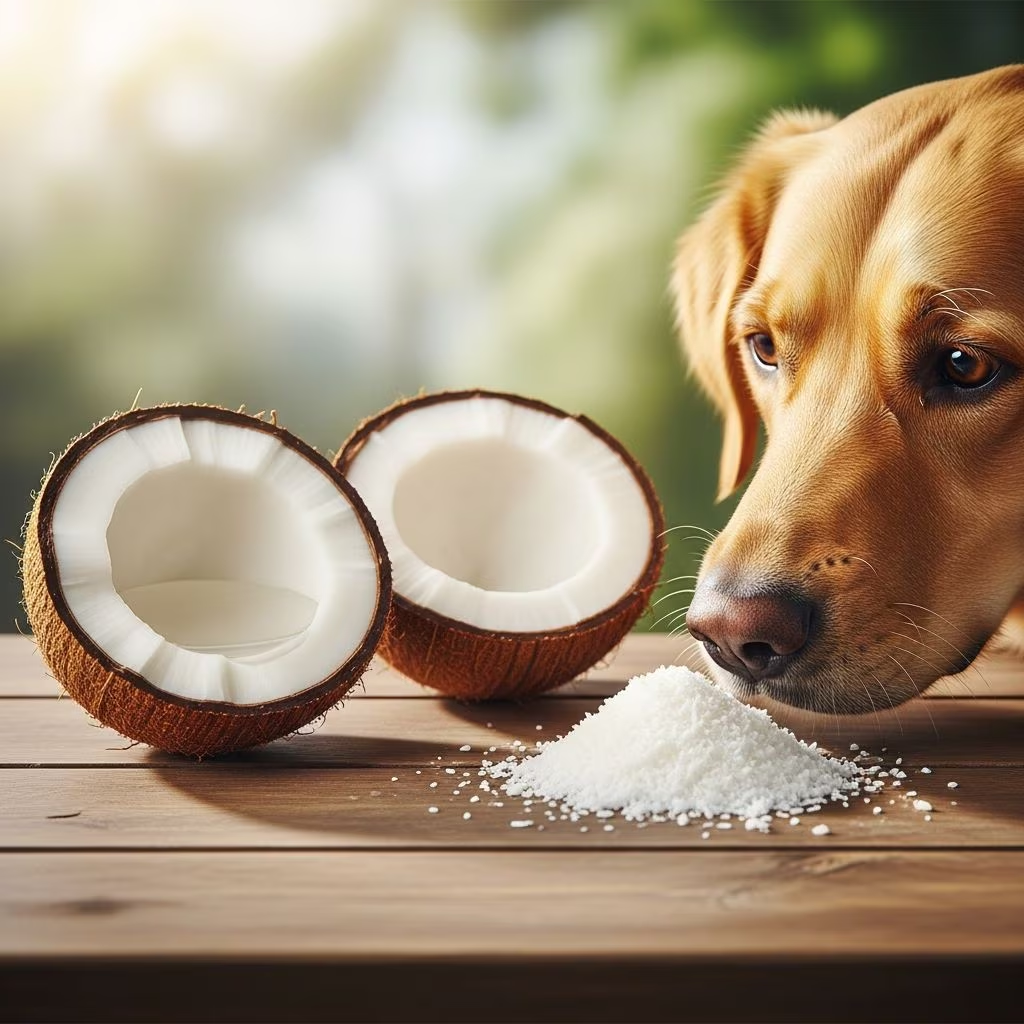
Coconut provides dogs with valuable nutrients when offered sparingly, serving as an occasional treat that supports skin health and immunity without toxicity concerns.
Nutritional Profile of Coconut and Its Appeal to Canines
The white flesh inside a coconut packs medium-chain triglycerides (MCTs), fiber, vitamins, and minerals that align well with a dog’s dietary needs. MCTs offer quick energy without taxing the liver, while fiber aids digestion. Lauric acid, a standout fatty acid, exhibits antimicrobial properties beneficial for overall health.
Dogs often relish the mild, sweet flavor of fresh coconut meat, making it a motivating treat during training or for picky eaters. Its hydrating quality from natural moisture also appeals during hot weather.
Health Advantages of Incorporating Coconut Moderately
Offering coconut in controlled amounts unlocks several perks for canine wellness.
- Enhanced Skin and Coat Quality: Lauric acid and MCTs nourish the skin, reducing itchiness and promoting a glossy coat. Owners frequently report softer fur after consistent use.
- Immune System Support: Antioxidants and lauric acid combat bacteria, viruses, and fungi, potentially lowering infection risks like canine influenza.
- Digestive Regulation: Soluble fiber promotes steady bowel movements, easing constipation while preventing loose stools if portions stay small.
- Joint and Breath Benefits: Anti-inflammatory effects from MCTs may alleviate joint stiffness, and oil’s antibacterial action freshens breath when applied sparingly.
These advantages mirror findings from veterinary nutritionists who endorse coconut derivatives in balanced diets.
Potential Drawbacks and When to Avoid Coconut
Despite upsides, coconut’s high fat (about 33g per 100g) and calorie density (354 kcal per 100g) pose issues if overfed. Excess intake risks obesity, pancreatitis, or gastrointestinal distress like diarrhea, bloating, or vomiting.
| Portion Size Guide | Small Dogs (<20 lbs) | Medium Dogs (20-50 lbs) | Large Dogs (>50 lbs) |
|---|---|---|---|
| Fresh Meat (weekly) | 1 tsp | 1-2 tsp | 1 tbsp |
| Coconut Oil (daily max) | ¼ tsp | ½ tsp | 1 tsp |
Puppies, seniors, overweight dogs, or those with pancreatitis history should skip it entirely. Introduce gradually to monitor tolerance.
Forms of Coconut: Which Are Dog-Friendly?
Not all coconut products suit dogs equally.
- Fresh Coconut Meat: Safest option—soft, raw pulp provides full nutrients without additives. Shred into bite-sized pieces to prevent choking.
- Coconut Oil: Virgin, unrefined varieties excel for topical or dietary use. Drizzle on food for coat shine or rub on paws for moisture.
- Coconut Milk: Pure, unsweetened, organic versions offer hydration and benefits in tiny amounts (1-2 tsp). Avoid canned kinds with sugars or thickeners causing diarrhea.
- Coconut Water: Natural electrolyte source from young coconuts hydrates safely, but check labels for no added sugars.
Steer clear of shells (choking hazard, blockages), husks (indigestible), dried flakes (sugar-laden), or sweetened treats.
Safe Preparation and Feeding Strategies
Harvest fresh pulp by cracking a mature coconut, scooping out the white meat, and rinsing. Pat dry, chop finely, and freeze portions for convenience. Mix shreds into kibble or use as toppers.
For oil, start with 1/4 tsp per 10 lbs body weight daily, increasing slowly if no loose stools occur. Warm slightly for better mixing. Topically, massage into dry areas weekly.
Store fresh meat refrigerated up to 5 days or frozen for months. Always source organic to minimize pesticide exposure.
Real-World Experiences from Dog Owners
Many report transformations: a Labrador’s dull coat turned lustrous after two weeks of oil supplementation; a Chihuahua’s allergies eased with meat treats. However, some note initial soft stools resolving with dose cuts. Veterinary oversight ensures tailored success.
Expert Recommendations and Veterinary Insights
Organizations like the American Kennel Club affirm coconut’s non-toxicity but stress moderation and vet consultation, especially for health-compromised dogs. PetMD highlights lauric acid’s antiviral edge. Integrate as under 10% of calories, prioritizing complete foods.
Frequently Asked Questions
Is coconut toxic to dogs?
No, fresh coconut flesh and oil are non-toxic, though excess causes upset.
How much coconut oil for my dog?
¼ tsp per 10 lbs daily max; consult vet for specifics.
Can puppies eat coconut?
Limited amounts post-weaning, but vet approval first due to sensitive digestion.
Does coconut help with dog allergies?
Lauric acid may soothe skin, but not a cure—pair with vet treatments.
Is desiccated coconut safe?
No, high sugar content risks issues; stick to fresh.
Coconut enhances a dog’s life as a nutrient-rich occasional indulgence, balancing rewards with restraint for sustained vitality.
References
- Can dogs eat coconut? | Vet Verified Answer — Pooch & Mutt. 2023. https://www.poochandmutt.co.uk/blogs/can-dogs-eat/coconut
- Can Dogs Eat Coconut? | Benefits & Risks — Grub Club. 2023. https://mygrubclub.com/blogs/pet-welfare/can-dogs-eat-coconut-benefits-risks
- Is Coconut Safe for Dogs? Benefits & Precautions Explained — Heads Up For Tails. 2023. https://headsupfortails.com/blogs/dogs/coconut-for-dogs
- Can Dogs Eat Coconut? — American Kennel Club. 2023-02-17. https://www.akc.org/expert-advice/nutrition/can-dogs-eat-coconut/
- Can Dogs Eat Coconut? Here’s Everything You Need to Know — Pawlicy Advisor. 2023. https://www.pawlicy.com/blog/can-dogs-eat-coconut/
- Can Dogs Eat Coconut? A Guide to Safety — Purina US. 2023. https://www.purina.com/articles/dog/feeding/can-dogs-eat/coconut
- Can Dogs Eat Coconut? — PetMD. 2023. https://www.petmd.com/dog/nutrition/can-dogs-eat-coconut



