

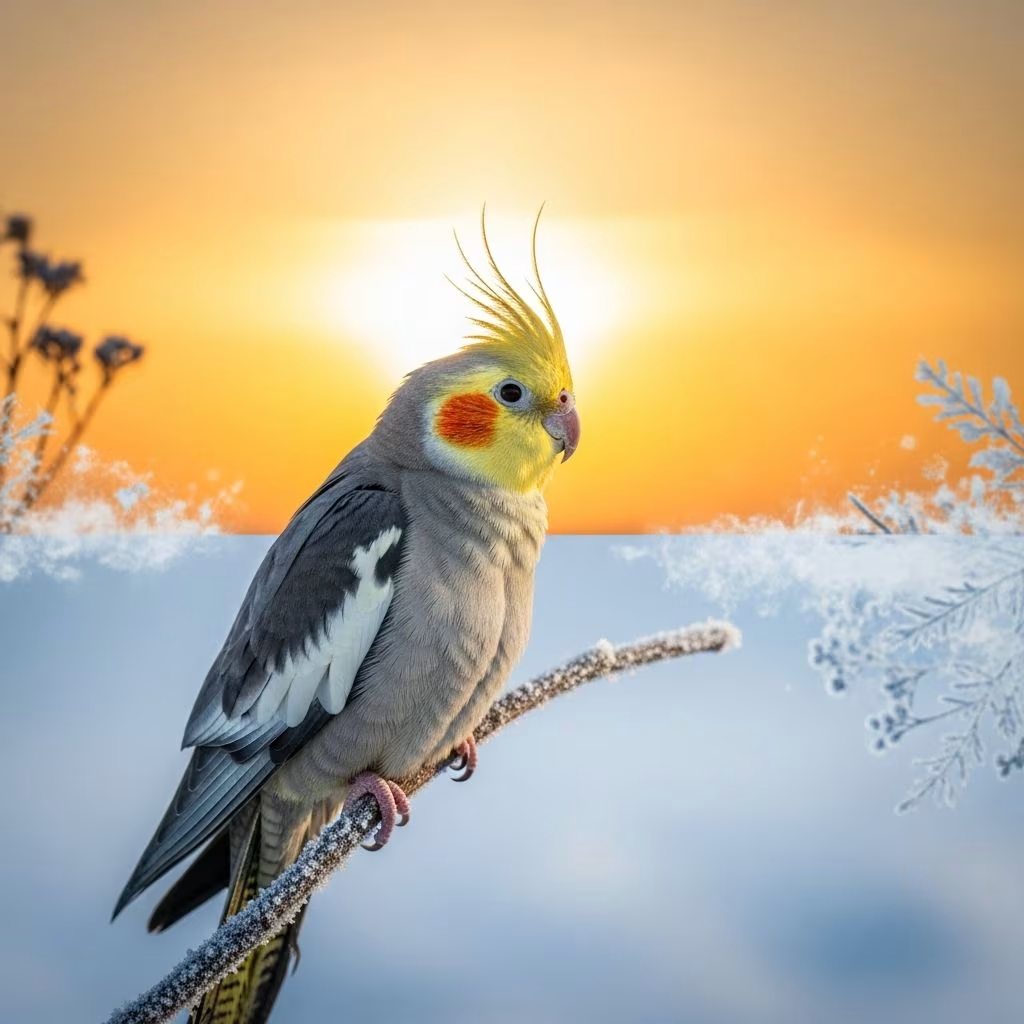
Cockatiels and Temperature Fluctuations
Cockatiels are remarkable feathered companions that bring joy and personality to countless households. However, responsible cockatiel ownership requires understanding their unique physiological needs, particularly when it comes to managing temperature fluctuations. These delicate birds have specific temperature requirements that differ significantly from their human caretakers, and failing to recognize these needs can lead to stress, illness, and reduced quality of life.
Temperature management is not merely a convenience factor but a fundamental aspect of cockatiel wellness. Unlike mammals that maintain relatively stable body temperatures through metabolic processes similar to humans, birds operate on an entirely different thermoregulatory system. Understanding how cockatiels adapt to temperature changes, what conditions they thrive in, and how to safely transition them through seasonal variations is essential knowledge for any bird owner.
Understanding Cockatiel Body Temperature
One of the most important facts to understand about cockatiels is that their body temperature is naturally higher than that of humans. While humans maintain a core body temperature around 98.6°F (37°C), a cockatiel’s normal body temperature ranges between 104 to 112 degrees Fahrenheit. This significantly elevated temperature is crucial to their survival and requires them to consume substantial amounts of food to fuel their metabolic needs.
To put this in perspective, if humans consumed food at the same rate relative to body mass as birds do, we would quickly gain excessive weight. Birds must eat frequently throughout the day to maintain their elevated body temperature and energy levels, especially during colder months or in cooler environments. This means that temperature regulation directly impacts your cockatiel’s nutritional needs and overall health status.
How Cockatiels Adapt to Temperature Fluctuations
Cockatiels have evolved sophisticated mechanisms to adapt to temperature changes, but these adaptation processes have limits. When exposed to moderate temperature fluctuations, cockatiels will adjust their behavior and metabolism to compensate. However, extreme or rapid temperature changes can overwhelm their natural adaptation systems, leading to stress and health complications.
The key principle to remember is that you should avoid shocking your cockatiel’s system with drastic temperature changes. As a general rule, temperature fluctuations of more than 15 degrees Fahrenheit higher or lower than what your bird is accustomed to can be problematic. This guideline becomes especially important when considering seasonal transitions or moving your bird between different environments, such as from an indoor cage to an outdoor aviary.
When cockatiels are gradually acclimated to temperature changes, they can adapt reasonably well. However, this adaptation takes time and must be done thoughtfully. Your bird’s behavior will provide clear signals about whether it is comfortable with current temperature conditions. Learning to read these behavioral cues is essential for maintaining your cockatiel’s well-being throughout the year.
Ideal Temperature Ranges for Cockatiels
Research and veterinary guidance consistently recommend maintaining specific temperature ranges for domestic cockatiels. While slight variations exist in recommendations, most experts agree on optimal temperature zones that keep these birds comfortable and healthy.
The ideal temperature range for cockatiels in captivity is generally between 65°F to 80°F (18°C to 27°C). Some sources suggest a slightly broader range of 50-85°F, with the narrower 65-85°F range being most commonly recommended by avian veterinarians. The consensus sweet spot appears to be maintaining temperatures between 65°F and 80°F, which most closely mimics the conditions cockatiels experience in their natural Australian habitat.
Within this optimal range, your cockatiel will exhibit normal behavioral patterns, maintain healthy metabolic function, and experience minimal stress. Temperatures below 50°F or above 85°F begin to create environmental stress that can compromise your bird’s health and immune function.
Temperature Considerations for Different Seasons
Seasonal temperature variations present ongoing challenges for cockatiel owners. As temperatures change throughout the year, you must actively manage your cockatiel’s environment to maintain consistency and avoid shocking transitions.
Winter Temperature Management
During winter months, maintaining warmth becomes critical. Many homes naturally cool to temperatures below the ideal range for cockatiels, especially if you’re energy-conscious about heating bills. To address this, consider using ceramic heat lamps or other safe heating devices to warm your cockatiel’s immediate environment. Ensure that heating devices are positioned safely and cannot be accessed directly by your bird to prevent burns.
Additionally, increase the humidity level during winter months when heating systems dry out indoor air. A humidity level of 40-60% is ideal for cockatiels and helps prevent respiratory issues and dry skin conditions that become more problematic during heating season.
Summer Temperature Management
Summer presents the opposite challenge, as excessive heat can be equally dangerous. Cockatiels can overheat quickly in temperatures above 80-85°F, particularly if humidity is also elevated. Watch for signs of heat stress in your bird, including panting, holding wings away from the body, lethargy, and open-mouth breathing. If you notice these symptoms, immediately move your cockatiel to a cooler area, provide light misting with room-temperature water, and encourage drinking.
During summer, use air conditioning, fans, or natural ventilation to maintain comfortable temperatures. However, avoid placing your bird directly in front of air conditioning vents or fans, as direct drafts can cause respiratory issues. Provide plenty of fresh water and change it two to three times daily, as birds lose water faster in high temperatures. Consider offering high-water-content fruits like watermelon, grapes, and cucumbers to help maintain hydration.
Transitioning Cockatiels to Outdoor Aviaries
Many cockatiel owners enjoy providing outdoor time for their birds during pleasant weather. However, moving a cockatiel from a controlled indoor environment to an outdoor aviary requires careful temperature management and gradual acclimation.
The best approach is to transition your cockatiel to an outdoor aviary only during nice weather when temperatures are within the ideal range of 65-80°F. Never move your bird outdoors during extreme heat or cold, and plan the transition for a season with stable, moderate temperatures. Spring or early fall are typically ideal transition periods in most climates.
Allow your cockatiel several weeks to gradually adapt to the outdoor environment and its natural temperature fluctuations. During this acclimation period, monitor your bird closely for signs of stress. If you notice behavioral changes or physical symptoms of distress, move your bird back indoors temporarily and resume the acclimation process more gradually.
Once your bird is acclimated to outdoor temperatures during pleasant weather, you can provide outdoor aviary time during favorable seasons. However, as winter approaches and temperatures begin to drop significantly below the ideal range, gradually transition your bird back indoors. This slow, gradual approach to seasonal transitions prevents the temperature shock that can compromise your bird’s immune system and overall health.
Creating an Optimal Temperature-Controlled Environment
Beyond maintaining the correct temperature range, several strategies can help you create a stable, comfortable environment for your cockatiel.
Thermometer Placement and Monitoring
Place thermometers in multiple locations—both in the room and near your cockatiel’s cage—to accurately monitor environmental temperatures. This allows you to identify temperature variations within your home and adjust heating or cooling accordingly. Check these thermometers regularly and keep records of temperature patterns throughout the day and across seasons.
Cage Positioning
Position your cockatiel’s cage in a well-ventilated area away from direct sunlight, drafts, windows, and heating vents. Direct sunlight can cause rapid temperature spikes within the cage, while drafts from windows or HVAC systems create localized cold spots. Avoid placing cages near kitchens where cooking heat and fumes can affect temperature and air quality.
Air Quality Considerations
While temperature management is crucial, air quality is equally important. Cockatiels are very dusty birds, and maintaining good air quality around their cage is essential. Consider running a HEPA filter near your cockatiel’s cage, especially if anyone in your household has asthma, allergies, or respiratory disease. Proper ventilation helps maintain both appropriate temperature and clean air for your bird.
Nighttime Temperature Management
Cockatiels benefit from a temperature cover that simulates the natural sleep cycle. At night, cover your cockatiel’s cage partially to create a darker, quieter environment that promotes restful sleep. This also helps maintain stable nighttime temperatures if your home cools significantly after dark.
Reading Your Cockatiel’s Behavioral Cues
Your cockatiel’s behavior provides valuable information about its comfort level and temperature tolerance. Learning to recognize these signals is essential for responsive environmental management.
When your cockatiel is comfortable, it will exhibit normal behavioral patterns including preening, vocalizing, playing, and engaging in social interactions. Your bird will appear alert, active, and interested in its surroundings. In contrast, a cockatiel experiencing temperature stress may display concerning behaviors such as excessive feather fluffing, lethargy, reluctance to move, or unusual vocalizations.
Fluffed feathers typically indicate that your bird is either too cold and trying to trap warm air in its plumage, or experiencing illness or stress. Lethargy and reluctance to engage in normal activities suggest discomfort, whether from temperature extremes or other health issues. If you notice these behavioral changes, immediately assess your environment’s temperature and adjust conditions as needed. If behavioral changes persist after temperature adjustment, consult an avian veterinarian.
When to Seek Professional Guidance
While many temperature management strategies can be implemented independently, certain situations warrant professional consultation. An avian veterinarian can provide personalized advice based on your specific cockatiel’s age, health status, and individual needs.
Seek professional guidance if your cockatiel has underlying health issues that might affect temperature tolerance, if you notice persistent behavioral or physical changes despite environmental adjustments, or if you’re unsure about the best approach for seasonal transitions. Older cockatiels and young birds are generally more sensitive to temperature fluctuations and may require more careful environmental management.
Practical Temperature Management Tips
Implementing these practical strategies will help you maintain optimal temperatures for your cockatiel:
- Install and regularly check thermometers in multiple cage locations
- Use thermostats to maintain consistent room temperatures
- Install ceramic heat lamps during winter months
- Avoid placing cages near windows, doors, or air vents
- Provide cage covers at night to maintain stable nighttime temperatures
- Use fans or air conditioning during summer, avoiding direct drafts
- Maintain humidity levels between 40-60% year-round
- Provide fresh water multiple times daily, especially during heat
- Observe behavioral cues regularly and adjust conditions accordingly
- Plan seasonal transitions gradually over several weeks
- Maintain good air quality with HEPA filtration
- Schedule veterinary checkups to discuss temperature management
Frequently Asked Questions
Q: What is a cockatiel’s normal body temperature?
A: Cockatiels have a normal body temperature range between 104 to 112 degrees Fahrenheit, significantly higher than human body temperature. This elevated temperature requires them to consume large amounts of food to maintain their metabolism.
Q: What temperature range is ideal for cockatiels?
A: The ideal temperature range for cockatiels is between 65°F and 80°F (18°C to 27°C). This range closely mimics their natural Australian habitat and promotes optimal health and behavior.
Q: How much temperature change can a cockatiel tolerate?
A: You should avoid temperature fluctuations of more than 15 degrees Fahrenheit higher or lower than what your cockatiel is accustomed to. Larger changes can shock your bird’s system and cause stress or health issues.
Q: Can cockatiels go outside during summer?
A: Yes, cockatiels can be moved to outdoor aviaries during pleasant weather when temperatures are between 65-80°F. However, this transition must be gradual, and you should monitor your bird closely for signs of stress or discomfort.
Q: What are signs that my cockatiel is experiencing heat stress?
A: Signs of heat stress include panting, holding wings away from the body, lethargy, open-mouth breathing, and reduced activity. If you notice these symptoms, immediately move your bird to a cooler area and provide light misting with room-temperature water.
Q: How should I heat my cockatiel’s cage during winter?
A: Use safe heating options such as ceramic heat lamps positioned where your bird cannot access them directly. Thermostats can help monitor room temperature, and cage covers at night help maintain stable nighttime temperatures.
Q: Why is humidity important along with temperature control?
A: Maintaining humidity levels between 40-60% prevents dry skin and respiratory issues, particularly during heating season. Proper humidity works alongside temperature management to maintain your cockatiel’s overall health.
Q: What should I do if I notice my cockatiel has fluffed feathers?
A: Fluffed feathers may indicate your bird is cold, stressed, or experiencing illness. Assess your environmental temperature first and adjust if needed. If the behavior persists, consult an avian veterinarian.
Conclusion
Managing temperature fluctuations is a fundamental responsibility of cockatiel ownership. By understanding your bird’s natural body temperature, recognizing the ideal environmental range of 65-80°F, and implementing practical strategies to maintain consistency, you create the foundation for a healthy, thriving companion. Remember that cockatiels are sensitive to temperature extremes and rapid changes, so gradual transitions and careful monitoring are essential, particularly during seasonal changes or when moving your bird between environments.
Regular observation of your cockatiel’s behavior combined with thermometer monitoring allows you to respond quickly to temperature-related issues. Whether managing winter heating, summer cooling, or planning outdoor aviary transitions, your thoughtful attention to temperature management demonstrates your commitment to providing excellent care. By staying informed and proactive about your cockatiel’s environmental needs, you can enhance your bird’s quality of life and enjoy a rewarding relationship with your feathered friend for many years to come.
References
- Understanding Ideal Temperature for Cockatiels — Talis Us. 2024. https://talis-us.com/blogs/news/understanding-ideal-temperature-for-cockatiels
- Cockatiels and Temperature Fluctuations — Chewy. 2024. https://www.chewy.com/education/bird/cockatiel/cockatiels-and-temperature-fluctuations
- Cockatiels (and other small Psittacines) — Exotic Pet Veterinary Services. 2024. https://exoticpetvet.com/cockatiels-and-other-small-psittacines.html
- Caring for Your Cockatiel: Out of Cage Time Tips — BirdSupplies.com. 2024. https://birdsupplies.com/blogs/news/caring-for-a-cockatiel-how-long-should-a-cockatiel-be-out-of-its-cage
- Summer Survival Guide for Pet Birds — Arizona Parrots. 2024. https://www.arizonaparrots.com/blog/summer-survival-guide-for-pet-birds
- Cockatiel Care Sheet — SwiftTail Veterinary Services. 2024. https://www.swiftailvet.com/exotic-pet-care-sheets/cockatiel



