Cockatiels: 10 Essential Things You Should Know
Essential guide to cockatiel care, behavior, and requirements for new and experienced bird owners.
Cockatiels: 10 Things You Should Know
Cockatiels are beloved pet birds known for their charming personalities, distinctive crests, and social nature. If you’re considering bringing a cockatiel into your home or are already a proud cockatiel owner, understanding key facts about these birds is essential for providing them with the best possible care. This comprehensive guide covers ten important things every cockatiel owner should know, from their lifespan and dietary needs to their behavioral traits and habitat requirements.
1. Cockatiels Have a Long Lifespan
One of the most important things to understand about cockatiels is that they are a long-term commitment. Cockatiels can live 15 to 20 years or even longer with proper care, making them companions for much of your life. Some cockatiels have been known to live into their 30s when provided with exceptional nutrition, healthcare, and environmental conditions. Before adopting a cockatiel, potential owners should carefully consider whether they’re prepared for this significant time commitment. This longevity means that veterinary care, quality nutrition, and consistent social interaction will be required for decades.
2. They Are Highly Social and Affectionate Birds
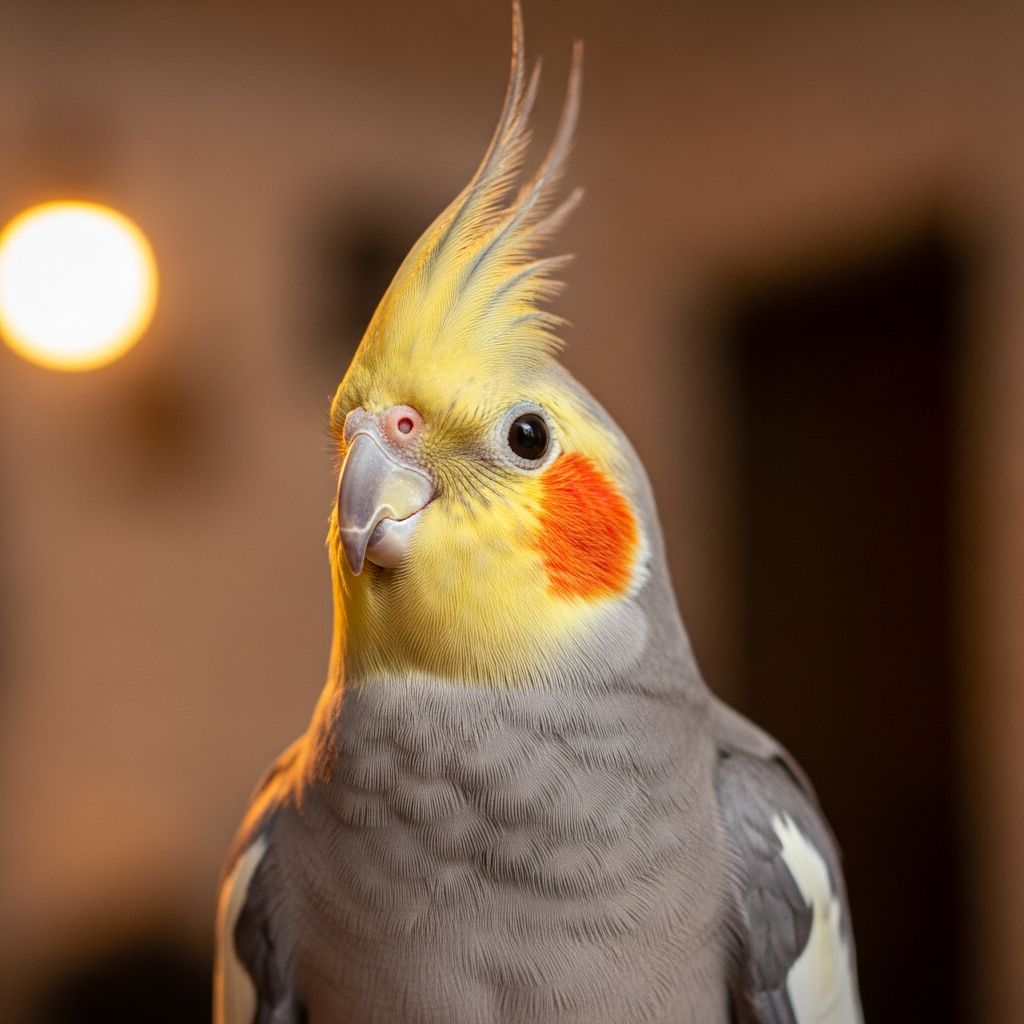
Cockatiels have an affectionate disposition and form strong bonds with their owners. These birds are inherently social creatures that thrive on interaction and companionship. They are known for their ability to show affection through various behaviors, including sitting on your shoulder, gentle head bobbing, and vocalizations. Unlike some bird species, cockatiels enjoy being part of family activities and often want to be included in daily routines. Their mood can be easily discerned by observing their crest position—a raised crest typically indicates excitement or curiosity, while a flattened crest may suggest fear or aggression. Understanding their social needs is crucial, as insufficient social interaction can lead to behavioral problems, including feather plucking and destructive behaviors.
3. Housing Requirements Are Substantial
Providing appropriate housing is fundamental to cockatiel wellness. Cockatiels require a cage that is spacious enough to allow for climbing, wing flapping, and movement. The minimum recommended cage size is 24 inches by 24 inches, though larger is always preferable. The cage should be positioned at or below eye level in an area with plenty of family activity, away from kitchens (especially those with non-stick cookware), smoke, strong odors, drafts, direct sunlight, and open windows. Cockatiels are social birds and benefit from being in living spaces where they can observe family interactions.
The habitat should include multiple perches of varying thickness and diameters to properly exercise their feet and promote foot health. Perches should not be placed directly above food or water bowls to prevent contamination. A removable metal grate at the bottom of the habitat allows droppings to fall below the bird’s feet, and the tray should be lined with habitat paper or other paper-based bedding to maintain cleanliness and minimize dust. Additionally, providing a T-stand or playpen allows your cockatiel to safely play outside the cage while remaining indoors.
4. Diet Plays a Critical Role in Health
A well-balanced diet is essential for maintaining your cockatiel’s health and longevity. The foundation of a cockatiel’s diet should consist of 60-80% high-quality pelleted food specifically formulated for cockatiels. Pelleted foods provide balanced nutrition and are preferable to seed-based diets, which are high in fat and can contribute to obesity and health problems.
Fresh vegetables and fruits should be offered regularly to provide variety and additional nutrients. Suitable options include leafy green vegetables, carrots, broccoli, romaine lettuce, apples, pears, and oranges. These should be offered every other day or several times weekly. Treats such as millet spray and honey sticks can be given but should be limited to no more than 10% of the daily diet to prevent obesity.
It’s equally important to know which foods to avoid entirely. Never feed your cockatiel chocolate, avocado, raw onions, raw meat, raw chicken, moldy foods, sugar, fried foods, or alcohol, as these substances are toxic to birds and can cause serious health problems or death. Fresh water must be provided daily in either a bowl or bird water bottle, and water bowls should be large enough for bathing. If multiple cockatiels share a habitat, each bird should have its own feeding station to discourage competition and stress.
5. Regular Veterinary Care Is Essential
Establishing a relationship with an avian veterinarian is crucial for your cockatiel’s health and wellbeing. Unlike general veterinarians, avian veterinarians specialize in bird health and can identify species-specific health issues. Annual wellness exams should be part of your cockatiel care routine, even when your bird appears healthy. Birds often hide signs of illness until problems become severe, making preventive care and early detection vital.
When bringing a new bird into a home with other birds, keep it separate until it has been examined by a veterinarian to prevent the spread of potential diseases. Your avian veterinarian can also provide guidance on proper wing trimming, nail care, and other routine maintenance. They can show you how to trim primary feathers to prevent your cockatiel from flying away, though these feathers will regrow after molting and require regular trimming.
6. Mental Stimulation Prevents Behavioral Problems
Cockatiels are intelligent birds that require substantial mental stimulation to remain healthy and happy. Providing at least three toys and rotating them regularly keeps your bird engaged and prevents boredom. Toys should include puzzles, chewables, foraging items, mirrors, swings, bells, and hanging treats that encourage natural behaviors. Toys and perches should be inspected regularly and replaced when they show signs of wear and tear to prevent injury.
Without adequate mental stimulation, cockatiels are prone to developing destructive behaviors, including feather plucking, aggression, and excessive vocalization. Varying the environment, introducing new toys periodically, and providing opportunities for foraging help maintain psychological wellness. Training sessions and interactive play with your cockatiel also provide mental engagement and strengthen your bond.
7. Lighting and UV Exposure Are Non-Negotiable
Birds require exposure to ultraviolet (UV) light to produce vitamin D in their skin, which allows them to absorb dietary calcium. Glass windows filter out UV light, so placing a cockatiel’s habitat next to an indoor window is insufficient for their UV needs. When weather permits, birds can get natural UV exposure by spending time outside in an escape-proof outdoor cage, though they should never be left unattended and should not be placed in direct sunlight.
To supplement UV exposure, a full-spectrum UV light designed for birds should shine on your cockatiel’s habitat for 10-12 hours each day. UV lights should be positioned approximately 12-18 inches away from the bird’s perch. These lights lose potency over time and should be replaced every six months to ensure they remain effective. Proper lighting supports bone health, feather quality, and overall wellbeing.
8. Grooming and Hygiene Require Consistent Effort
Maintaining a clean environment for your cockatiel is essential to their health and happiness. Daily spot-cleaning of the habitat should remove soiled material, discarded food, and droppings. Food and water bowls must be washed daily, while substrate, bedding, and habitat liners should be replaced at least once weekly, or more frequently if multiple birds share the habitat.
More thorough cleaning should occur at least monthly, or preferably weekly, using a non-toxic, pet-safe habitat cleaner. When cleaning, move your cockatiel to a secure separate environment. Use a bird habitat cleaner or a 3% bleach solution to wash the habitat and accessories, then rinse thoroughly with water to remove all traces of cleaning agents, as birds’ respiratory systems are sensitive to aerosolized fumes. Allow everything to dry completely before returning your bird to the clean habitat.
To help your cockatiel maintain personal hygiene, offer bathing opportunities 2-3 times per week. This can be accomplished by providing a large, shallow water dish for splashing and bathing, or by gently misting your cockatiel with warm water from a clean spray bottle if your bird prefers showers. Always keep your bird out of drafts, especially while drying.
9. Training and Handling Build Strong Relationships
Cockatiels are intelligent and capable of learning various commands and behaviors through patient training. Begin training by working with your cockatiel to accept your finger as a perch, progressing to having the bird step from one hand to the next. Positive reinforcement with treats and praise encourages desired behaviors. Early socialization and regular handling make cockatiels more comfortable with human interaction and less prone to fear-based behaviors.
To prevent escape and injury, you should learn proper wing trimming techniques from a veterinarian or pet store professional. Primary feathers will regrow after molting, necessitating regular retrimming. Additionally, you’ll need avian nail clippers and styptic powder to regularly trim your cockatiel’s nails, or you can take your bird to an avian veterinarian for professional trimmings.
10. Sleep and Rest Are Vital for Health
Cockatiels require approximately 12 hours of sleep each night to maintain optimal health. Providing adequate rest supports immune function, behavioral stability, and longevity. To promote healthy sleep, cover your bird’s cage at night to create a secure, dark environment and prevent “night fright,” which can cause injury and stress. A consistent sleep schedule helps your pet adjust to a regular routine and supports their circadian rhythms.
Essential Cockatiel Care Supplies
To provide comprehensive care for your cockatiel, you’ll need to invest in several essential supplies:
- Spacious cage with removable metal grate (minimum 24″x24″)
- Multiple perches of varying thickness and height
- Ladder perch for climbing
- At least three rotating toys
- Food and water dishes (separate for dry food, fresh food, and water)
- Bird bath or shallow dish for bathing
- Habitat paper or paper-based bedding
- Cage cover for nighttime security
- Cuttlebone or cuttlebone holder
- Full-spectrum UV light
- Millet spray for treats
- Avian nail clippers and styptic powder
- Misting spray bottle for bathing
- Pet-safe habitat cleaner
- T-stand or playpen for out-of-cage time
Common Health Concerns
While cockatiels are relatively hardy birds when provided with proper care, they are susceptible to certain health issues. Fatty liver disease can develop from diets high in seeds and treats. Respiratory infections may result from exposure to smoke, cooking fumes, or poor air quality. Feather plucking often indicates stress, boredom, or health problems. Calcium deficiency in egg-laying females can cause serious complications, making cuttlebones essential. Regular veterinary check-ups help identify and address potential health issues early.
Frequently Asked Questions
Q: How long do cockatiels typically live?
A: Cockatiels can live 15 to 20 years or longer with proper care, with some individuals reaching their 30s. This makes them a long-term commitment that should be carefully considered before adoption.
Q: What is the minimum cage size for a cockatiel?
A: The minimum recommended cage size is 24 inches by 24 inches, though larger enclosures are preferable. Size should be increased if housing multiple birds.
Q: Can cockatiels eat fruits and vegetables?
A: Yes, fresh fruits and vegetables should be offered regularly as part of a balanced diet. Suitable options include leafy greens, carrots, broccoli, apples, and pears. However, avoid parsley, avocado, and overly watery vegetables.
Q: How many hours of sleep do cockatiels need?
A: Cockatiels require approximately 12 hours of sleep per night. Providing adequate rest is essential for maintaining health, immune function, and behavioral stability.
Q: What foods are toxic to cockatiels?
A: Foods that are toxic to cockatiels include chocolate, avocado, raw onions, raw meat, raw chicken, moldy foods, sugar, fried foods, and alcohol. Never share these items with your bird.
Q: How often should I bathe my cockatiel?
A: Cockatiels should be offered bathing opportunities 2-3 times per week. This can be done by providing a shallow water dish or gently misting with warm water from a clean spray bottle.
Q: Do cockatiels require UV lighting?
A: Yes, cockatiels require exposure to UV light to produce vitamin D and absorb dietary calcium. A full-spectrum UV light should shine on the habitat for 10-12 hours daily, positioned 12-18 inches from the perch.
Q: How can I prevent behavioral problems in my cockatiel?
A: Provide adequate mental stimulation through rotating toys, puzzles, and foraging opportunities. Ensure regular social interaction, proper diet, adequate sleep, and a clean environment. Address boredom promptly to prevent destructive behaviors like feather plucking.
References
- Cockatiel Care Sheet — PetMD. 2024. https://www.petmd.com/bird/cockatiel-care-sheet
- Cockatiel Care Guide — PetSmart. 2024. https://www.petsmart.com/learning-center/bird-care/cockatiel-care-guide/A0065.html
- A Guide to Understanding and Caring for Your Pet Cockatiel — myBird. 2024. https://myrightbird.com/articles/a-guide-to-understanding-and-caring-for-your-pet-cockatiel
- Caring for Your Cockatiel — Pet Advocacy Network. 2022. https://petadvocacy.org/wp-content/uploads/2022/01/Cockatiel-Care-Sheet.pdf
- Cockatiel Care Guide — Animates Pet Supplies. 2024. https://www.animates.co.nz/articles/cockatiel-care-guide
- Cockatiel Care Sheet — Alsip Nursery. 2024. https://alsipnursery.com/blogs/blog/cockatiel-care
Similar Articles





Read full bio of Sneha Tete