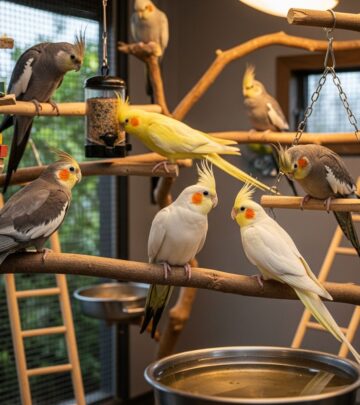
5 Cockatiel Sounds and Vocalizations Explained
Learn what your cockatiel is trying to communicate with these 5 common sounds and vocalizations.
Cockatiels are highly vocal and social birds that use a diverse range of sounds to communicate their needs, emotions, and intentions. Whether you’re a new cockatiel owner or an experienced bird enthusiast, understanding these vocalizations can help you build a stronger bond with your feathered companion and provide better care. In their natural habitat across Australia, cockatiels live in large flocks where vocalizations are essential for survival and social cohesion. As domesticated pets, these intelligent birds maintain their communicative nature, expressing themselves through distinct sounds throughout the day.
If you’ve recently brought a cockatiel into your home, you might be wondering what all those chirps, whistles, and squawks actually mean. Rather than feeling confused or frustrated by the various sounds your bird produces, learning to interpret them is key to understanding your cockatiel’s physical and emotional state. This guide breaks down five of the most important cockatiel vocalizations and what they signify about your bird’s well-being and intentions.
Understanding Cockatiel Communication Patterns
Cockatiels are natural-born communicators, and their vocalization patterns follow specific behavioral triggers and circadian rhythms. These birds are typically most vocal during sunrise and sunset, a biological pattern inherited from their wild ancestors who used these times to communicate with their flock members and assess their environment for potential threats. However, pet cockatiels don’t strictly adhere to these times and may vocalize intermittently throughout the day, especially when they’re happy, playful, or seeking attention from their human companions.
Male cockatiels in particular are enthusiastic vocalists and may burst into whistle songs when spotting their reflection in mirrors or other reflective objects, or simply when the mood strikes them. Understanding the context in which your cockatiel vocalizes is crucial for interpreting what they’re trying to communicate. The same sound may carry different meanings depending on the bird’s body language, the time of day, and environmental circumstances.
The Contact Call: Staying Connected
The contact call is one of the most important vocalizations in a cockatiel’s repertoire. This sound serves as a way for your bird to maintain connection with other flock members—and in the case of domestic cockatiels, with their human family. The contact call is a softer, more gentle chirp or whistle that essentially asks, “Where are you?” or “Are you still there?”
In the wild, cockatiels use contact calls to keep tabs on their flock members while foraging or roosting. For pet cockatiels, this translates into calling out to you when you leave the room or when they haven’t heard from you in a while. If your cockatiel is making repeated, gentle chirping sounds and seems to be looking around or checking on your location, they’re likely using their contact call.
Why it matters: Responding to your cockatiel’s contact calls by speaking to them, whistling back, or spending time near them helps them feel secure and reduces anxiety. This is normal, healthy behavior that strengthens your bond.
The Alarm Call: Warning Signals
When a cockatiel feels startled or perceives a potential threat, it will emit an alarm call—a louder, more intense chirp that continues until the bird feels calm and secure again. This vocalization serves as a warning system, alerting other flock members to potential danger. Common triggers for alarm calls in domestic settings include:
- Sudden loud noises like trucks passing outside or unexpected bangs and crashes
- Visual stimuli such as a crow flying past the window or unfamiliar shadows
- Household activities like sweeping, moving furniture, or dropping dishes
- Ringing phones, doorbells, or other electronic sounds
- Presence of unfamiliar people or animals
The alarm call is characterized by its persistence and intensity, and it will typically continue until your cockatiel feels reassured. During an alarm call, your bird may also display defensive body language, such as raised feathers or an extended tail.
What you should do: Remain calm and speak to your cockatiel in soothing tones. Sudden movements or raised voices may intensify their alarm. Once the trigger has passed, your bird will gradually settle down.
The Contact Chirp: Playful Engagement
Distinct from the softer contact call, the contact chirp is a more varied and playful vocalization that cockatiels use to engage with their environment and their humans. This sound is comprised of a variety of tones and pitches and is neither shrill nor annoying like screaming. Contact chirps are what you’ll typically hear when your cockatiel is happy, content, and actively interacting with you or their surroundings.
You may notice your bird chirping when it’s playing, during sunrise or sunset hours, or as a way of saying “Hello, you’re part of my flock!” to their human family members. Chirping is how cockatiels communicate their inclusion of you in their social group. A bird that chirps regularly in your presence is expressing comfort, trust, and affection.
Context clues: Happy chirping is typically accompanied by relaxed body posture, soft eyes, and gentle movements. Your cockatiel may also bob their head or bounce slightly while chirping if they’re particularly excited or playful.
The Hiss: Leave Me Alone
One sound that should be taken seriously is the hiss—a clear warning signal that your cockatiel needs space and may feel threatened. When a cockatiel hisses, it’s their way of saying “Leave me alone” or “Get back, or I’ll defend myself.” This vocalization is accompanied by distinctive body language that makes the message unmistakable.
A hissing cockatiel typically displays:
- Tightly held feathers close to the body (not fluffed)
- An intense, focused stare
- Possible backing away toward a corner of the cage
- A defensive posture that mirrors a snake’s warning
Common reasons your cockatiel might hiss include feeling cornered, being handled when they don’t want to be, having their space invaded, or being in pain or discomfort. Unlike some other vocalizations, hissing is a clear boundary signal that should be respected immediately.
Important note: If your cockatiel is frequently hissing, it may indicate an underlying issue such as pain, illness, stress, or poor socialization. Consider consulting an avian veterinarian or behaviorist to address the root cause.
The Beak Grinding: Contentment Signal
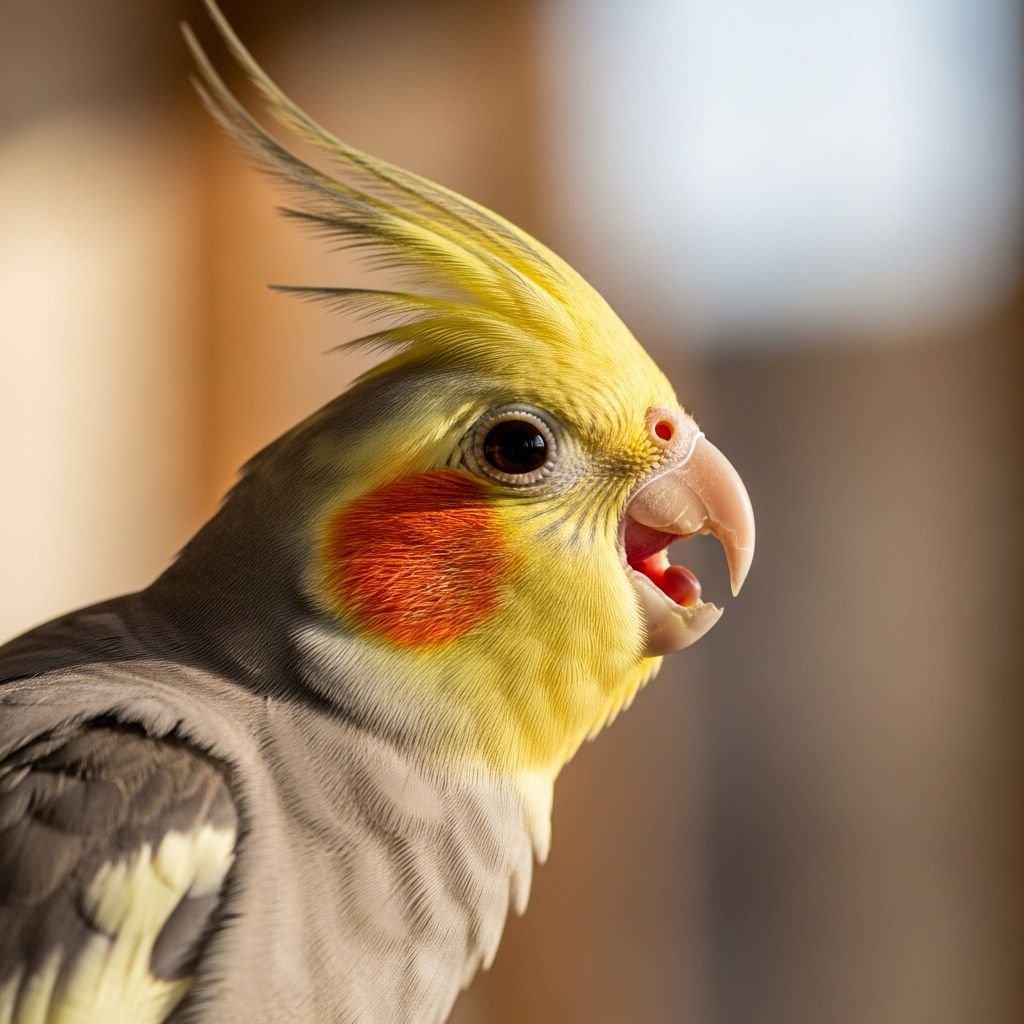
Perhaps one of the most pleasant sounds to hear from your cockatiel is beak grinding—a soft, gentle sound produced when your bird softly rubs its beak together. This behavior is an excellent indicator that your cockatiel is happy, relaxed, and content. Unlike teeth grinding in humans, beak grinding in birds is actually a positive sign of well-being.
Beak grinding is typically heard when your cockatiel is:
- Relaxing and unwinding after playtime
- About to fall asleep or napping
- Receiving gentle scratches or petting from you
- Settled comfortably in their favorite spot
You may also notice other signs of contentment accompanying beak grinding, such as facial feathers fanned out over the beak and fluffed body feathers. A cockatiel that’s grinding its beak is essentially saying, “I’m at peace.”
Potential concern: While beak grinding is generally positive, the sound can sometimes be irritating, especially at night. If your cockatiel’s grinding noises are too loud during bedtime, consider covering their cage to muffle the sound while still maintaining adequate ventilation.
Comparing Cockatiel Vocalizations: A Quick Reference
| Vocalization Type | Sound Characteristics | Typical Meaning | Body Language |
|---|---|---|---|
| Contact Call | Soft, gentle chirp or whistle | “Where are you?” Seeking connection | Relaxed, looking around |
| Alarm Call | Loud, intense, repeated chirp | Warning of perceived threat | Raised feathers, extended tail |
| Contact Chirp | Varied tones, melodious, not shrill | Playful engagement, happiness | Relaxed posture, head bobbing |
| Hiss | Snake-like hissing sound | “Back off!” Warning signal | Tight feathers, intense stare |
| Beak Grinding | Soft rubbing, gentle sound | Contentment, relaxation, sleepiness | Fluffed feathers, fanned facial feathers |
Other Important Cockatiel Sounds to Know
Beyond these five primary vocalizations, cockatiels produce several other sounds worth understanding. Many cockatiels develop the ability to mimic household sounds such as doorbells, microwaves, coughs, and phone rings. This mimicry demonstrates their intelligence and curiosity about their environment. While entertaining, these imitated sounds can occasionally be startling when you’re not expecting them.
Some cockatiels also develop whistling abilities, which can be quite melodious and drawn out with rising and falling notes that change pitch and pattern. If you have a whistling cockatiel, you may hear elaborate whistle serenades, especially during dawn or dusk hours. Some birds learn to whistle in response to certain tunes or will whistle to entertain themselves.
Why Vocalization Matters for Bird Health
Understanding and responding appropriately to your cockatiel’s vocalizations is more than just about communication—it’s essential for their overall health and well-being. Excessive screaming or sudden changes in vocalization patterns can indicate stress, boredom, illness, or hormonal issues. Conversely, regular, varied vocalizations generally indicate a happy, healthy bird.
Cockatiels that receive appropriate attention, mental stimulation, and social interaction typically have healthier, more varied vocalization patterns than birds that are neglected or stressed. By learning to interpret your bird’s sounds, you can identify potential health or behavioral issues early and take corrective action.
Frequently Asked Questions
Q: Is it normal for my cockatiel to be vocal at sunrise and sunset?
A: Yes, absolutely. Cockatiels are naturally most vocal during these times as it’s part of their biological rhythm inherited from their wild ancestors. This behavior is healthy and completely normal.
Q: Can I teach my cockatiel to stop screaming so much?
A: While you can’t eliminate screaming entirely, you can minimize excessive screaming by ensuring your bird has adequate mental stimulation, social interaction, a consistent sleep schedule, and a calm environment. Never reward screaming with attention, as this reinforces the behavior.
Q: What does it mean if my cockatiel suddenly stops vocalizing?
A: A sudden decrease in vocalization can be concerning and may indicate illness, stress, or depression. If your typically vocal cockatiel becomes unusually quiet, consult an avian veterinarian to rule out health issues.
Q: Are male cockatiels more vocal than females?
A: Yes, male cockatiels tend to be more vocal and are particularly inclined to burst into whistle songs. However, both males and females use vocalizations to communicate, and individual personality also plays a significant role in how much a bird vocalizes.
Q: How can I bond better with my cockatiel through vocalizations?
A: Respond to your cockatiel’s contact calls, whistle back to them, use a calm, gentle voice when speaking to them, and pay attention to their body language alongside their sounds. Consistent, positive interaction strengthens your bond.
Q: Is beak grinding always a sign of happiness?
A: In most cases, yes. However, if beak grinding is accompanied by other symptoms like ruffled feathers, loss of appetite, or lethargy, it may indicate dental discomfort or illness. When in doubt, consult an avian veterinarian.
Creating an Environment for Healthy Vocalizations
To encourage healthy, varied vocalizations and reduce stress-related screaming, provide your cockatiel with an enriching environment that includes toys for mental stimulation, regular social interaction, appropriate sleep schedules (10-12 hours of sleep per night), and a consistent daily routine. A cockatiel that feels secure, stimulated, and loved will communicate more naturally and positively.
Understanding your cockatiel’s unique language is one of the most rewarding aspects of bird ownership. By taking time to learn what each sound means and responding appropriately, you’ll develop a deeper connection with your feathered companion and ensure they thrive in your care.
References
- “9 Common Cockatiel Sounds & Their Meanings” — Hepper. 2024. https://articles.hepper.com/what-sounds-do-cockatiels-make/
- “Cockatiel Sounds Explained” — Lafeber Co., Pet Birds. 2024. https://lafeber.com/pet-birds/cockatiel-sounds/
- “Cockatiel Sounds and Their Meanings: A Complete Guide” — Educational Video Resource. 2022. https://www.youtube.com/watch?v=7MBGbMEJKnM
Similar Articles







Read full bio of Sneha Tete