
Why Your Cockatiel Is Scared of You: Building Trust
Learn why your cockatiel fears you and proven strategies to build lasting trust.
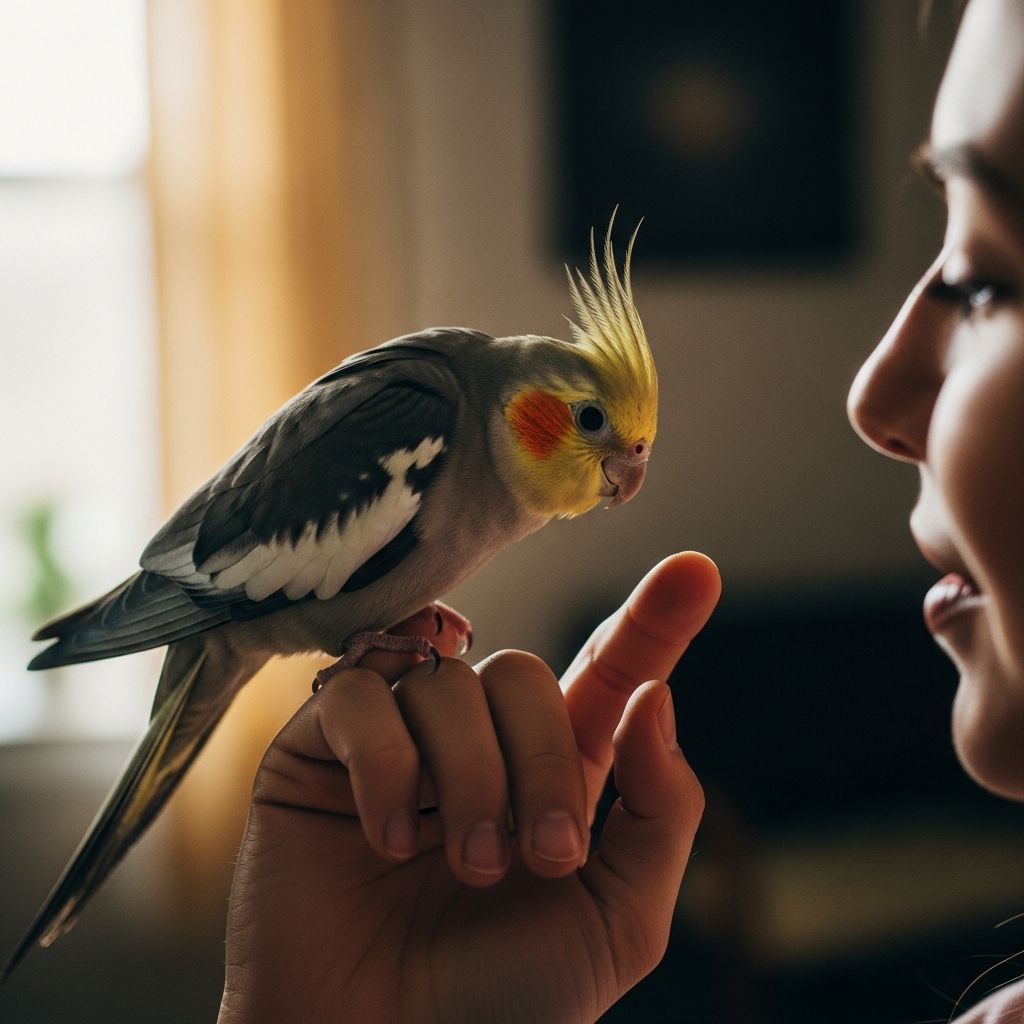
Why Your Cockatiel Is Scared of You: Building Trust and Understanding Fear
If your cockatiel panics every time you approach the cage or refuses to take treats from your hand, you’re not alone. Many cockatiel owners struggle with birds that seem perpetually frightened of them. This fear can be heartbreaking, especially when you’re eager to bond with your feathered companion. Understanding the root causes of your cockatiel’s fear is the first step toward rebuilding trust and creating a positive relationship with your bird.
Cockatiels are sensitive creatures that respond to their environment and past experiences. Unlike some pets that adapt quickly to new situations, these intelligent birds require patience, consistency, and a deep understanding of their psychological needs. The good news is that with dedication and the right approach, even deeply frightened cockatiels can learn to trust their owners.
Understanding Environmental Sensitivity in Cockatiels
One of the most overlooked reasons for cockatiel fear is the bird’s extreme sensitivity to environmental stress. Cockatiels are highly attuned to their surroundings, and sudden changes or stressful conditions can trigger lasting fear responses. Many new cockatiel owners unknowingly place their cages near televisions, stereos, or other sources of sudden noise, which keeps their birds in a constant state of anxiety.
When your cockatiel is exposed to loud noises, sudden movements, or unfamiliar sounds, its natural prey instincts activate. In the wild, sudden sounds signal danger, so your cockatiel’s fearful reaction is actually an evolutionary survival mechanism. The problem arises when this fear becomes chronic due to poor environmental placement.
How to correct environmental stressors:
- Place the cage in a quiet, calm area away from televisions and loud appliances
- Speak in a soft, gentle voice around your cockatiel
- Create a soothing atmosphere with soft background music
- Avoid slamming doors or making sudden loud noises
- Identify specific triggers that cause fear and eliminate or minimize them
The Impact of Lack of Socialization
Cockatiels raised without regular human interaction often lack the foundational trust necessary to feel safe around people. Birds from large aviaries or those that received minimal handling during their early development may not understand that humans can be trustworthy companions. This lack of early socialization creates a significant barrier to bonding later in life.
If you’ve adopted a rescue cockatiel or purchased one from a breeder with limited handling experience, you may be dealing with a bird that has essentially never learned that humans are safe. These birds may take weeks or even months before they become comfortable with hands near them, and this timeline is completely normal.
Strategies for addressing socialization deficits:
- Spend time sitting near the cage without forcing interaction
- Offer treats consistently from a consistent location
- Allow your bird to approach you on its own terms
- Use soft whistling and talking to build familiarity with your voice
- Make slow, deliberate movements to signal non-threatening behavior
- Establish yourself as a source of positive experiences through treats and gentle presence
Previous Negative Experiences and Trauma
Cockatiels possess remarkable memory, and negative experiences leave lasting impressions. Birds that have been roughly handled in pet stores, grabbed unexpectedly, or mistreated by previous owners develop deep-seated fears that can persist for years. A cockatiel that was once chased, grabbed, or restrained may associate all human hands with pain and fear, making trust-building an extended process.
Understanding that your cockatiel’s fear stems from past trauma rather than personal rejection is crucial for your emotional well-being and your bird’s recovery. The fear isn’t about you specifically; it’s about what your bird has learned to expect from human interaction.
Healing from past trauma:
- Never force physical contact or grab your bird unexpectedly
- Use positive reinforcement exclusively, rewarding calm behavior with high-value treats
- Allow your cockatiel to regain trust at its own pace without pressure
- Gradually transition from treating on flat surfaces to hand-feeding
- Celebrate small victories and maintain patience through setbacks
Fast or Sudden Movements Trigger Fear Responses
One of the most common mistakes cockatiel owners make is approaching their birds too quickly. Rapid hand movements trigger a prey response in birds, activating their flight-or-fight instinct. In the wild, fast movements signal predators, and your cockatiel’s panicked reaction is instinctive self-preservation rather than intentional rejection.
Even well-meaning owners who rush into the cage or reach out quickly to catch their birds reinforce the fear response. Each time your cockatiel panics when you approach quickly, the bird learns that fast movements equal danger, deepening the fear cycle.
Modifying your approach technique:
- Always move slowly and deliberately toward your cockatiel
- Reach from below rather than overhead to avoid triggering predatory fear
- Allow your bird to watch your hand before attempting contact
- Place food near your hand to build positive associations
- Practice slow-motion movements until they become habitual
The Critical Role of Routine and Consistency
Cockatiels are creatures of habit that feel most secure when they can predict what will happen next. An inconsistent routine creates anxiety because the bird never knows when or how it will be handled. This unpredictability keeps your cockatiel in a state of vigilance, making trust impossible to build.
Birds that experience consistent routines develop a sense of security and are significantly more relaxed and receptive to interaction. When your cockatiel knows exactly when feeding time occurs, when you’ll sit nearby, and when interaction will happen, the bird’s stress levels decrease dramatically.
Establishing a consistent routine:
- Pet and interact with your cockatiel at the same time daily
- Keep feeding times consistent
- Spend at least a few minutes each day talking to or sitting near your bird
- Create morning and evening routines, such as greeting your bird in the morning and saying goodnight in the evening
- Maintain the same cage location and environment
- Avoid sudden changes to the bird’s living space
Fear of Hands and Mishandling
For many frightened cockatiels, hands represent the greatest source of fear. This is especially true for birds with a history of rough handling or restraint. Your hands may be associated with being grabbed, chased, or forced from the cage, creating a powerful fear response whenever your hand comes near.
Desensitizing your cockatiel to hands requires patience and a commitment to never forcing physical contact. The goal is to gradually teach your bird that hands are sources of positive experiences, not threats.
Hand-focused trust building strategies:
- Keep your hand near the cage without touching the bird initially
- Offer treats directly from your fingers to create positive associations
- Move slowly and never chase your bird with your hands
- Use a perch instead of your hand for step-up training if your cockatiel seems fearful
- Gradually increase physical contact as the bird becomes more comfortable
Forced Removal from the Cage and Loss of Control
When you forcibly remove your cockatiel from its cage by reaching in and grabbing the bird, you’re essentially violating your bird’s sense of safety and control. The cage is your cockatiel’s fortress, and forcing removal teaches the bird that you cannot be trusted to respect its boundaries. This violation can set trust-building efforts back significantly.
Respectful cage exit techniques:
- Allow your cockatiel to come out voluntarily rather than reaching in
- Use treats to entice your bird out on its own terms
- Train step-up behavior outside the cage so the bird feels less threatened
- Never shove your cockatiel out or invade its space suddenly
- Respect your bird’s need for a safe sanctuary within the cage
Proven Strategies for Building a Stronger Bond
Rebuilding trust with a frightened cockatiel is a gradual process that requires consistency, patience, and dedication. There is no quick fix, but the following strategies have proven effective for countless owners dealing with fearful birds.
Key trust-building approaches include:
- Spend time talking and whistling so your cockatiel recognizes your voice as safe and familiar
- Offer high-value treats as rewards for calm behavior and small steps toward interaction
- Allow your bird to initiate contact rather than forcing interaction
- Be prepared for a timeline of weeks or months; some cockatiels need extensive time to trust
- Use relaxing body language, such as soft head tilts and slow blinks
- Read your bird’s body language carefully and respect its need for space when anxious
- Celebrate small victories and maintain consistent effort
Understanding Cockatiel Body Language
Learning to read your cockatiel’s body language is essential for recognizing fear signals and respecting your bird’s emotional state. Recognizing these signs allows you to pull back before your bird panics, which helps prevent the fear cycle from deepening.
Common fear signals in cockatiels include:
- Backing away when you approach
- Pinned eyes (pupils constricting and dilating rapidly)
- Hissing or making distress calls
- Wing raising or puffing feathers
- Freezing in place
- Fleeing to another part of the cage
When you observe these signs, immediately back away and give your bird space. Pushing forward when your cockatiel displays fear will only reinforce that humans are threatening.
The Timeline for Trust Recovery
It’s important to have realistic expectations about how long trust-building will take. A cockatiel that has been frightened for weeks or months won’t become comfortable in days. Most significantly fearful birds require a minimum of two to four weeks of consistent effort before showing noticeable improvement, and many take considerably longer.
Some rescue cockatiels have taken months or even years to fully trust their owners. This extended timeline is not a failure on your part; it’s a reflection of your bird’s previous experiences and its need to learn that humans can be trustworthy. Patience and persistence are your greatest tools.
When to Seek Professional Help
If your cockatiel shows no improvement after several months of consistent effort, or if the bird displays severe fear responses such as continuous screaming, self-injury, or aggression, consider consulting with an avian veterinarian or bird behaviorist. Sometimes underlying health issues or severe trauma require professional intervention.
An avian veterinarian can rule out health problems that might be contributing to fear responses, while a bird behaviorist can provide specialized techniques tailored to your specific cockatiel’s situation.
Frequently Asked Questions
Q: How long will it take for my cockatiel to stop being scared of me?
A: The timeline varies significantly depending on your bird’s history and personality. Some cockatiels show improvement within weeks, while others may take several months. Consistency is more important than speed. Continue your efforts patiently, and your cockatiel will gradually become more comfortable as it learns to trust you.
Q: Can I use punishment to teach my cockatiel not to fear me?
A: Absolutely not. Punishment will only increase your bird’s fear and damage trust further. Use exclusively positive reinforcement, rewarding brave behavior and calm responses with treats and gentle interaction.
Q: Should I force my cockatiel to sit on my hand if it refuses?
A: No. Forcing physical contact will reinforce your bird’s fear and teach it that you cannot be trusted to respect its boundaries. Allow your cockatiel to come to you voluntarily, and use treats to make your hand a positive association.
Q: What if my cockatiel won’t take treats from my hand?
A: Start by placing treats on a flat surface several feet away, then gradually decrease the distance over days or weeks. Once your bird becomes comfortable taking treats from a distance, slowly move closer until hand-feeding becomes possible.
Q: Can a cockatiel that was abused ever fully trust its owner?
A: Yes, many formerly abused cockatiels learn to trust again with patience and consistent kindness. The process takes longer, but it is absolutely possible. Focus on demonstrating through your actions that you are different from whoever hurt your bird previously.
Q: Should I cover my cockatiel’s cage at night if it’s afraid of me?
A: Yes, covering the cage at night creates a safe space and signals bedtime. This can actually reduce daytime fear as your bird feels more secure knowing it has a protected sleeping area.
References
- Why Is My Cockatiel Scared of Me? 8 Proven Ways to Build Trust — Happy Cockatiel. 2024. https://www.happycockatiel.com/why-is-my-cockatiel-scared-of-me-8-proven-ways-to-build-trust/
- My cockatiel is always scared of me — Lafeber Pet Birds. https://lafeber.com/pet-birds/questions/my-cockatiel-is-always-scared-of-me/
- How To Get Your Bird Past A Fear Of Objects: A Step By Step Guide — Bird Tricks Store. https://birdtricksstore.com/blogs/birdtricksstore.com/blogs/birdtricks-blog/how-to-get-your-bird-past-a-fear-of-objects-a-step-by-step-guide
Similar Articles








Read full bio of medha deb


