

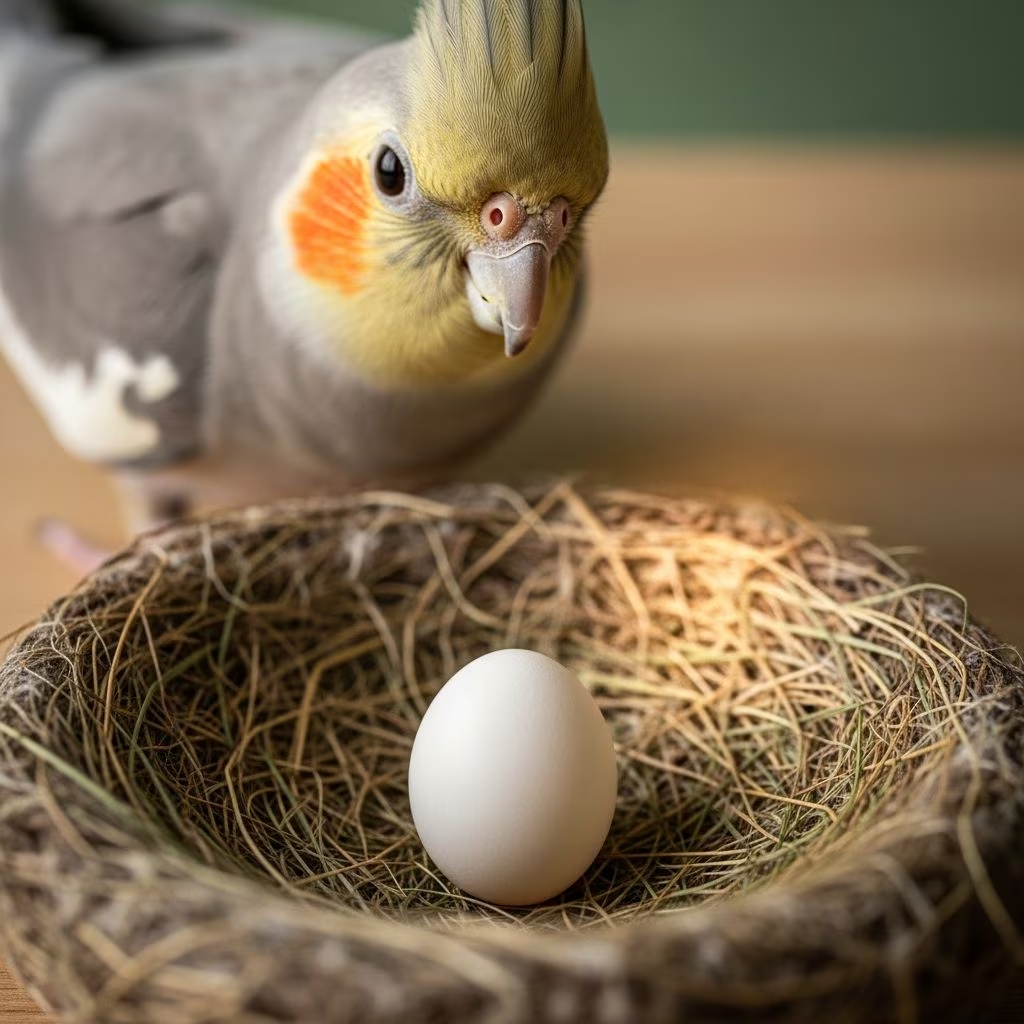
My Cockatiel Laid An Egg, So Now What?
Discovering that your female cockatiel has laid an egg can be surprising, especially if you don’t have a male bird in your household. However, this is a completely natural occurrence that many cockatiel owners encounter. A hen cockatiel may lay eggs even without the presence of a male cockatiel, driven by biological and environmental factors. Understanding what to do in this situation is crucial for maintaining your bird’s health and well-being during this taxing period.
Understanding Why Single Cockatiels Lay Eggs
The stimulation to go into breeding mode is remarkably strong in female cockatiels. Several environmental and biological factors can trigger egg-laying behavior in single birds. Day length plays a significant role in breeding cycles, as cockatiels are naturally responsive to seasonal changes. The presence of fresh food, increased daylight hours, and comfortable nesting opportunities can all contribute to this condition.
Additionally, some cockatiels display instinctive nesting behaviors regardless of their mating status. Some birds will shred paper, while others actively seek out dark locations suitable for nesting. Without a proper nest box, many determined breeding females will use the cage floor if they are motivated to breed. Understanding these triggers can help you manage the situation more effectively.
Nutritional Considerations During Egg Laying
The process of egg laying takes a significant toll on your female cockatiel’s health. During this demanding time, proper nutrition becomes essential to prevent serious health complications. One of the most critical nutrients your hen requires is calcium, which is vital for producing strong eggshells and maintaining bone health.
Key nutritional supports include:
- Cuttlebone, which provides essential calcium supplementation
- High-quality protein sources to support egg production
- Mineral blocks to ensure adequate micronutrient intake
- Pellet-based diet rather than seed-only mixtures
- Fresh vegetables and leafy greens for comprehensive nutrition
Calcium and protein deficiencies can lead to serious consequences, including pathologic fractures and accelerated aging in your cockatiel. These nutritional gaps may result in soft-shelled eggs that are more prone to fracture internally, compounding the stress on your bird’s system. Providing abundant calcium and protein during this period is not optional—it is essential preventive care.
Managing Eggs in Single-Bird Households
The approach to managing eggs depends on your specific situation. If you have a single cockatiel without a mate, the management strategy differs significantly from paired birds.
Handling Infertile Eggs
When a single female cockatiel lays eggs, they will be infertile and will not develop into chicks. According to veterinary experts, you should leave the eggs in the nesting area for 11 days past the time the last egg of the clutch is laid. Cockatiel clutches typically contain four to six eggs, though some may lay up to ten eggs in a clutch.
During this waiting period, allow your cockatiel to incubate the eggs naturally. This process usually lasts three to four weeks for most species. Eventually, your bird should realize that her eggs are not viable and will abandon them. At this point, the eggs can be safely removed from the cage.
Preventing Chronic Egg Laying
Single cockatiels can become chronic egg layers, sometimes to the extent that they require hormone shots or implants for medical intervention. To prevent this problematic situation, you should never provide a nest box or encourage nesting behavior in single birds.
If eggs are already laid on the cage floor, you can leave them there until your cockatiel loses interest, then discard them. However, spacing out the removal of eggs may help reduce the frequency of future laying cycles. Some owners find success by leaving infertile eggs in place longer, which can naturally space out the time between subsequent clutches.
Environmental Modifications to Reduce Egg Laying
Several environmental adjustments can help discourage excessive breeding behavior in single cockatiels:
- Reduce daylight exposure: Most bird species are springtime breeders, responding to increased daylight hours. You can attempt to shorten your cockatiel’s breeding season by decreasing light exposure, covering the cage earlier at night, or reducing daylight hours to eight to ten hours daily.
- Remove nesting materials: Eliminate objects that encourage nesting behaviors, such as shredded paper, dark hideaways, or enclosed spaces.
- Limit cage toys: Certain toys or cage decorations might trigger breeding behavior. Consider rotating or removing items that stimulate nesting instincts.
- Change the environment: Move the cage to a different location, replace perches, or modify the cage setup to disrupt breeding-associated behaviors.
When You Have Paired Cockatiels
If you have both a male and female cockatiel and wish to breed them responsibly, different guidelines apply. Both birds must be at least two years old before breeding, as younger birds may make mistakes caring for eggs or become egg-bound, which can be fatal.
When birds are allowed to breed at appropriate ages, they should be provided with a proper nesting box attached to the outside of the cage, positioned as high as possible. The nest box should be removed as soon as the chicks leave it, or immediately if eggs fail to hatch. Breeding pairs require a rest period of approximately six months between each clutch. You can allow them to breed twice yearly, which is one more cycle than they would naturally experience in the wild.
Health Risks Associated with Excessive Egg Laying
Continuous or excessive egg-laying can have serious health consequences for female cockatiels. If breeding is not controlled, birds may literally continue laying eggs year-round, which can eventually prove fatal to the female. This chronic laying depletes the bird’s physical reserves and causes accumulated stress on her reproductive and skeletal systems.
Soft-shelled eggs indicate either calcium deficiency or uterine infections that cause eggs to move too quickly through the reproductive tract. If you observe changes in egg appearance, behavior, or your bird’s overall condition, consult an avian veterinarian promptly. Early detection of problems can prevent serious complications.
When to Consult an Avian Veterinarian
While occasional egg-laying is normal, certain situations warrant professional veterinary attention. If your cockatiel continues laying eggs excessively despite environmental modifications, or if you notice signs of egg-binding, illness, or unusual behavior, contact an avian veterinarian immediately.
Veterinarians can provide hormone therapy to manage chronic egg-laying if environmental and behavioral modifications prove unsuccessful. In extreme cases where other interventions fail, hysterectomy may be considered as a last resort option.
Proper Diet for Egg-Laying Cockatiels
Cockatiels require a nutritionally balanced diet year-round, but this becomes especially critical when they are laying eggs. A loose seed mix alone will not provide adequate nutrition for producing eggs and supporting reproductive health.
An optimal diet for egg-laying females includes:
- High-quality pellets as the diet foundation
- Dark leafy greens and chopped vegetables daily
- Cuttlebone for calcium supplementation
- Cooked eggs with washed, crushed, and cooked shells mixed in
- Multi-grain bread as an occasional supplement
- Protein-rich foods to support egg production
- Fresh water changed daily
These nutritional supports should continue from the time the nest box is introduced through the period when chicks would be weaned, providing sustained support for reproductive and general health.
Understanding the Egg-Laying Cycle
When a female cockatiel enters breeding mode, she typically lays eggs every other day until her clutch is complete. Standard cockatiel clutches contain four to six eggs, though some birds may lay up to ten. The total egg-laying period usually spans one to two weeks, depending on the number of eggs produced.
Once the clutch is complete, the female will attempt to incubate the eggs. Incubation typically lasts 18 to 21 days in cockatiels. During this period, your bird’s nutritional needs remain elevated as she invests energy in maintaining the eggs at proper temperature and humidity levels.
Frequently Asked Questions
Q: Why is my single cockatiel laying eggs?
A: Female cockatiels lay eggs due to strong biological breeding instincts triggered by factors like day length, fresh food availability, and comfortable environmental conditions. This is normal behavior even without a male present.
Q: How long should I leave infertile eggs in the cage?
A: Leave eggs in the nesting area for 11 days past when the last egg of the clutch is laid. This allows your cockatiel to naturally realize the eggs are not viable before you remove them.
Q: Can I prevent my cockatiel from laying eggs?
A: Yes, you can reduce egg-laying frequency by decreasing daylight exposure to 8-10 hours daily, removing nesting materials, avoiding nest boxes for single birds, and modifying the cage environment.
Q: What supplements does my egg-laying cockatiel need?
A: Provide cuttlebone for calcium, high-protein foods, mineral blocks, and a balanced pellet diet. Avoid seed-only diets, as they lack adequate nutrition for egg production.
Q: What are signs that my cockatiel has a health problem related to egg-laying?
A: Watch for soft-shelled eggs, behavioral changes, decreased appetite, lethargy, or signs of egg-binding. Contact an avian veterinarian if you observe these symptoms.
Q: Should I give my single cockatiel a nest box?
A: No. Single cockatiels should never be provided with nest boxes, as this encourages chronic egg-laying that can require medical intervention.
Q: How often can cockatiels breed safely?
A: Paired cockatiels can breed twice yearly with at least a six-month rest period between clutches. More frequent breeding can exhaust and potentially kill the female.
References
- Help Your Cockatiels Lay & Incubate Eggs Successfully — YouTube. 2024. https://www.youtube.com/watch?v=xdka1bXDEEs
- Cockatiel Egg Laying — Lafeber Pet Birds. 2024. https://lafeber.com/pet-birds/questions/cockatiel-egg-laying/
- Egg Laying in Pets — Feisty Feathers. 2016-04-10. https://feistyfeathers.com/2016/04/10/egg-laying-in-pets/
- Cockatiel Care Tips: Soft-shell Eggs — ACS Tiels. 2024. https://www.acstiels.com/cockatiel-care-tips-soft-shell-eggs-ex
- My Cockatiel Laid An Egg, So Now What? — Chewy. 2024. https://www.chewy.com/education/bird/cockatiel/my-cockatiel-laid-an-egg-so-now-what
- Cockatiel Care Sheet — PetMD. 2024. https://www.petmd.com/bird/cockatiel-care-sheet



