
Cockatiel Illness: Signs, Symptoms & Care Guide
Recognize cockatiel illness signs early and learn essential care tips for your feathered companion.
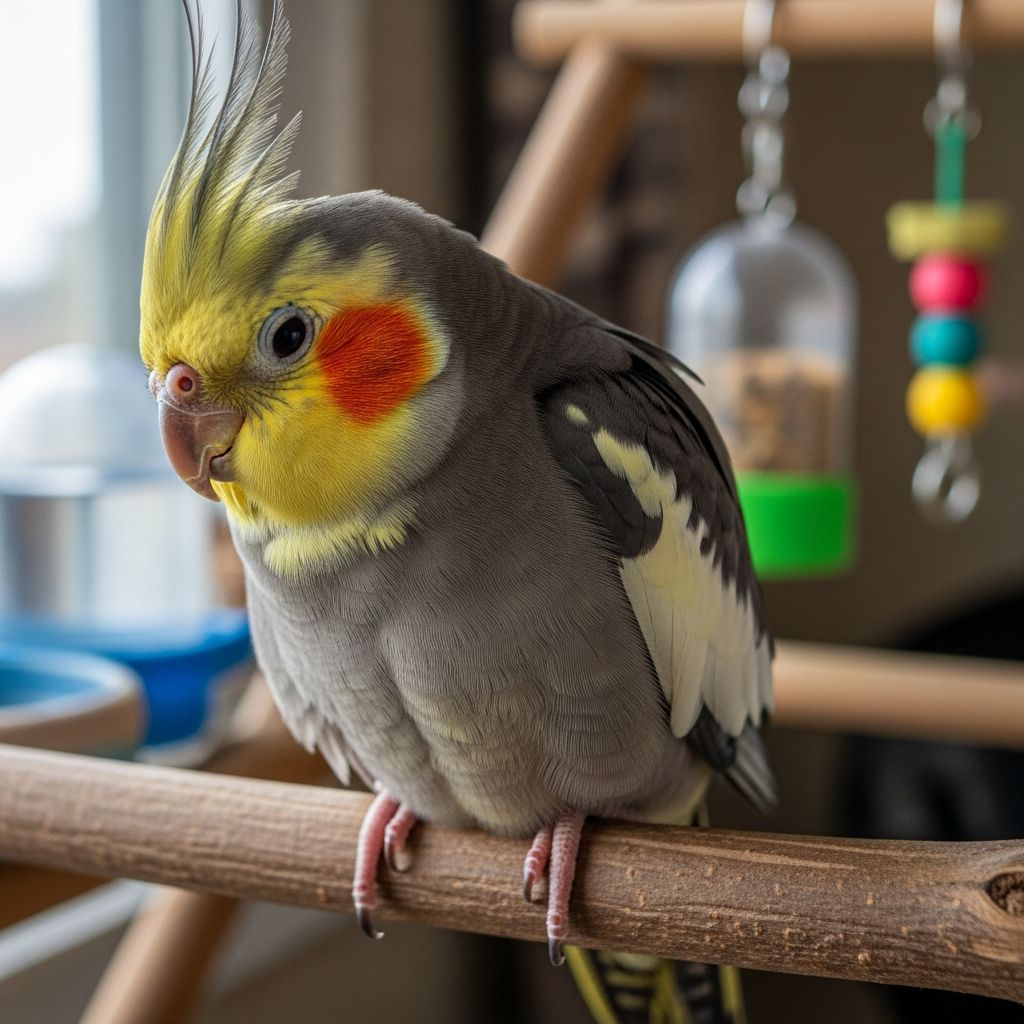
Understanding Cockatiel Illness: A Complete Health Guide
Cockatiels are popular pet birds known for their affectionate nature and entertaining personalities. However, like all animals, they are susceptible to various health conditions and diseases. Understanding the signs of illness in your cockatiel is crucial for early detection and prompt veterinary intervention. This comprehensive guide covers the common illnesses affecting cockatiels, recognizable symptoms, and important care guidelines to keep your feathered companion healthy and thriving.
Recognizing Signs of Illness in Your Cockatiel
Identifying when your cockatiel is unwell requires careful observation of behavioral and physical changes. Birds often hide their illness until conditions become severe, so any deviation from normal behavior warrants attention. Recognizing these early warning signs can be the difference between a minor health issue and a serious condition.
The most common indicators that your cockatiel may be ill include:
- Fluffed-up feathers or untidy appearance
- Loss of appetite or decreased food intake
- Abnormal droppings (color, consistency, or frequency changes)
- Excessive feather picking or plucking
- Changes in sleep patterns or posture
- Reduced vocalization or talking
- Decreased interest in toys and interaction
- Increased water consumption
- Discharge from eyes, nostrils, or beak
- Respiratory difficulties or wheezing
- Drooping head, tail, or wings
- Falling off the perch or lack of coordination
- Weight loss or weakness
If your cockatiel remains quiet for more than 24 hours or exhibits a change in voice quality, immediate veterinary attention is essential. These signs often indicate underlying health problems that require professional diagnosis and treatment.
Common Cockatiel Diseases and Conditions
Fungal Infections
Aspergillosis is a potentially serious fungal infection that commonly affects cockatiels. This respiratory disease develops when birds inhale fungal spores from contaminated environments. Signs include difficulty breathing, sneezing, lethargy, weakness, and weight loss. The condition can become life-threatening if left untreated, making prompt veterinary care essential.
Diagnosis typically involves physical examination and imaging studies. Treatment may include antifungal medications and environmental modifications to reduce exposure to mold and fungal spores.
Yeast and Bacterial Infections
Candida (candidiasis) is a gastrointestinal yeast infection that occurs more frequently in cockatiels than in other bird species. Infected birds may regurgitate, lose weight, experience diarrhea, and display decreased appetite. Additionally, white lesions around and inside the mouth and throat are common indicators of Candida overgrowth.
Chlamydiosis (psittacosis or parrot fever) is a bacterial disease that should always be ruled out in sick cockatiels. This disease often manifests as respiratory disease or conjunctivitis and can potentially transmit to humans. Early diagnosis and antibiotic treatment are critical for recovery.
Tyzzer’s Disease is caused by Clostridium bacteria and represents another significant bacterial concern in captive cockatiels. Affected birds may show various symptoms requiring immediate veterinary evaluation.
Viral Diseases
Polyomavirus is a viral infection that causes abnormal feather development or lack of feathers, loss of appetite, enlarged abdomen, and diarrhea. Young birds are particularly susceptible to this disease, which can be fatal if not managed properly.
Psittacine Beak and Feather Disease (PBFD) is another viral condition affecting cockatiels. Symptoms include feather loss, beak abnormalities, growths, and unusual feather growth and development. Unfortunately, there is currently no vaccine or effective treatment for PBFD, making prevention through proper bird acquisition and quarantine procedures essential.
Proventricular Dilatation Disease (PDD)
This serious condition affects the crop and proventriculus of the digestive system. Symptoms include weight loss, vomiting, swollen crop, and changes in droppings. PDD is a progressive disease with no known cure, requiring supportive care and dietary management.
Parasitic Infections
Internal parasites commonly affect captive cockatiels. Giardia lamblia is a protozoal parasite that causes loose stools and intense itching, leading birds to violently attack themselves, especially under the wings. Proper diagnosis through fecal examination and specific antibiotic treatment are necessary for recovery.
Other parasitic infections require individual treatment protocols, emphasizing the importance of veterinary-directed worming treatments rather than over-the-counter solutions.
Nutritional Deficiencies and Their Effects
Vitamin A Deficiency
Vitamin A promotes appetite, digestion, and increases resistance to infection and parasites. The most obvious sign of vitamin A deficiency is feather staining above the cere (the fleshy area above the nostrils). This staining reflects discharge from the nostrils and indicates insufficient nutrient intake. Introducing healthy foods such as green leafy vegetables and red or orange fruits and vegetables containing beta-carotene naturally provides this essential nutrient.
Calcium and Vitamin D Deficiency
These deficiencies can lead to serious skeletal and metabolic problems. Overweight birds are particularly susceptible to arthritis and fatty liver disease, conditions linked to inadequate calcium and vitamin D levels. Calcium blocks should be provided regularly to prevent deficiency. A balanced diet including proper lighting exposure helps maintain appropriate calcium and vitamin D levels.
When to Seek Veterinary Care Immediately
Certain symptoms require emergency veterinary attention without delay. Contact an avian veterinarian immediately if your cockatiel experiences:
- Eye or nasal discharge
- Overgrown beak or beak fractures
- Feather plucking, bleeding feathers, or uneven feather growth
- Excessive itching
- Lack of foot grip or falling off perch
- Foot sores or limping
- Moist feathers around the cloaca or any discharge
- Runny, liquid, or abnormally colored droppings
- Reluctance to use a limb or wing abnormally
- Complete loss of appetite
- Hiding behavior for extended periods
- Complete silence or voice changes
- Constantly fluffed feathers
- Rapid breathing or respiratory distress
- Head tilt
Special Health Concerns in Cockatiels
Reproductive Issues
Female cockatiels frequently experience reproductive problems including excessive egg-laying, egg-binding, and egg-peritonitis. Egg-binding occurs when a female cannot expel an egg, potentially causing death if untreated. Treatments include environmental manipulation, hormonal therapy, and in severe cases, hysterectomy. Preventing excessive egg-laying involves environmental management, such as reducing light exposure and minimizing nesting opportunities.
Lutino Cockatiel Syndrome
Lutino cockatiels (those with all-yellow plumage) may inherit genetic health problems including baldness on the crown, hemophilia (uncontrolled bleeding), mental retardation or underdevelopment, and poor coordination. These birds are prone to trauma and falling, requiring extra care and protective environments.
Toxin Exposure
Environmental toxins pose significant health risks to cockatiels. Teflon toxicity, common in non-stick cookware, can cause acute respiratory distress and death. Heavy metal poisoning, particularly lead poisoning, exemplifies through seizures, excessive urination, vomiting, and depression. Ensure your home is free from toxic substances and provide a safe living environment.
Other Notable Conditions
Respiratory Issues
Wheezing and difficulty breathing may result from inhaled seeds, particularly millet seeds, which are small enough to lodge in airways. Foreign body ingestion is a serious condition requiring emergency veterinary care.
Tumors and Xanthomas
Wing tumors and xanthomas (fatty tumors) occasionally develop in cockatiels. Some cases may require wing amputation, though supportive care including topical treatments may help manage these conditions.
Abnormal Molt and Feather Conditions
French Molt is a feather condition affecting young cockatiels, causing abnormal feather development and loss. Proper nutrition and environmental management support recovery, though some birds may experience permanent feather damage.
Preventive Care and Maintenance
Maintaining your cockatiel’s health involves consistent preventive measures. Provide a balanced diet rich in fruits, vegetables, and high-quality pellets. Ensure proper lighting cycles, clean living environments, and regular veterinary checkups. Fresh water should be available daily, and food bowls should be cleaned regularly to prevent bacterial growth.
Environmental enrichment through toys, social interaction, and mental stimulation supports overall health and reduces stress-related illness. Regular handling and observation help you notice subtle changes in behavior or appearance that may indicate health problems.
Understanding Your Cockatiel’s Droppings
A bird’s droppings provide valuable health information. Normal cockatiel droppings consist of three components: white urate, black or brown feces, and clear urine. Changes in any component—including color, consistency, or frequency—indicate potential health problems. Abnormal droppings are among the most common signs of illness and should prompt veterinary evaluation.
Frequently Asked Questions
Q: How often should I take my cockatiel to the veterinarian?
A: Healthy cockatiels should have annual veterinary checkups. Birds with existing health conditions or those over 10 years old benefit from twice-yearly examinations to catch age-related diseases early.
Q: Can cockatiel diseases spread to humans?
A: Yes, certain diseases like Chlamydiosis can potentially transmit to humans. Practice good hygiene when handling sick birds and always wash your hands thoroughly after bird contact.
Q: What should I feed my cockatiel to prevent nutritional deficiencies?
A: Feed a balanced diet combining high-quality pellets with fresh vegetables, leafy greens, and occasional fruits. Include calcium supplements and ensure proper lighting for vitamin D synthesis.
Q: Is it normal for my cockatiel to sleep a lot?
A: Cockatiels need 10-12 hours of sleep daily. However, sleeping excessively with closed eyes during waking hours may indicate illness and warrants veterinary attention.
Q: How can I tell if my cockatiel is overweight?
A: You should be able to feel your bird’s keel (breastbone) by gently running your finger down the chest. Overweight birds have fat deposits obscuring the keel, increasing susceptibility to arthritis and liver disease.
Q: What emergency supplies should I keep at home?
A: Keep contact information for an avian veterinarian, a small carrier for transport, first-aid supplies, and a list of toxic substances to avoid. Know the location of the nearest emergency veterinary clinic.
References
- Common Cockatiel Diseases — Precious Cockatiels Aviaries. Accessed 2025. https://preciouscockatielsaviaries.weebly.com/common-cockatiel-diseases.html
- Common Conditions of Pet Birds — VCA Animal Hospitals. Accessed 2025. https://vcahospitals.com/know-your-pet/common-conditions-of-birds
- Parrot Health – Cockatiel Advice and First Aid 101 — Cockatiel Advice 101. Accessed 2025. https://www.cockatiel-advice-101.com/parrot-health
- Cockatiel Care Sheet — PetMD. Accessed 2025. https://www.petmd.com/bird/cockatiel-care-sheet
- Common Illnesses in Pet Birds — Pet Circle Australia. Accessed 2025. https://www.petcircle.com.au/discover/common-illnesses-in-pet-birds
- Illness in Pet Birds — Merck Veterinary Manual. Accessed 2025. https://www.merckvetmanual.com/bird-owners/routine-care-and-safety-of-birds/illness-in-pet-birds
- Caring for Cockatiels – Cockatiel Avian Vet — Bird Vet Melbourne. Accessed 2025. https://www.bird-vet.com/CaringforCockatiels-CockatielAvianVet.aspx
Similar Articles








Read full bio of Sneha Tete


