
Cockatiel Food: Complete Diet Guide for Healthy Birds
Master cockatiel nutrition with expert feeding guidelines, pellet ratios, and food recommendations.
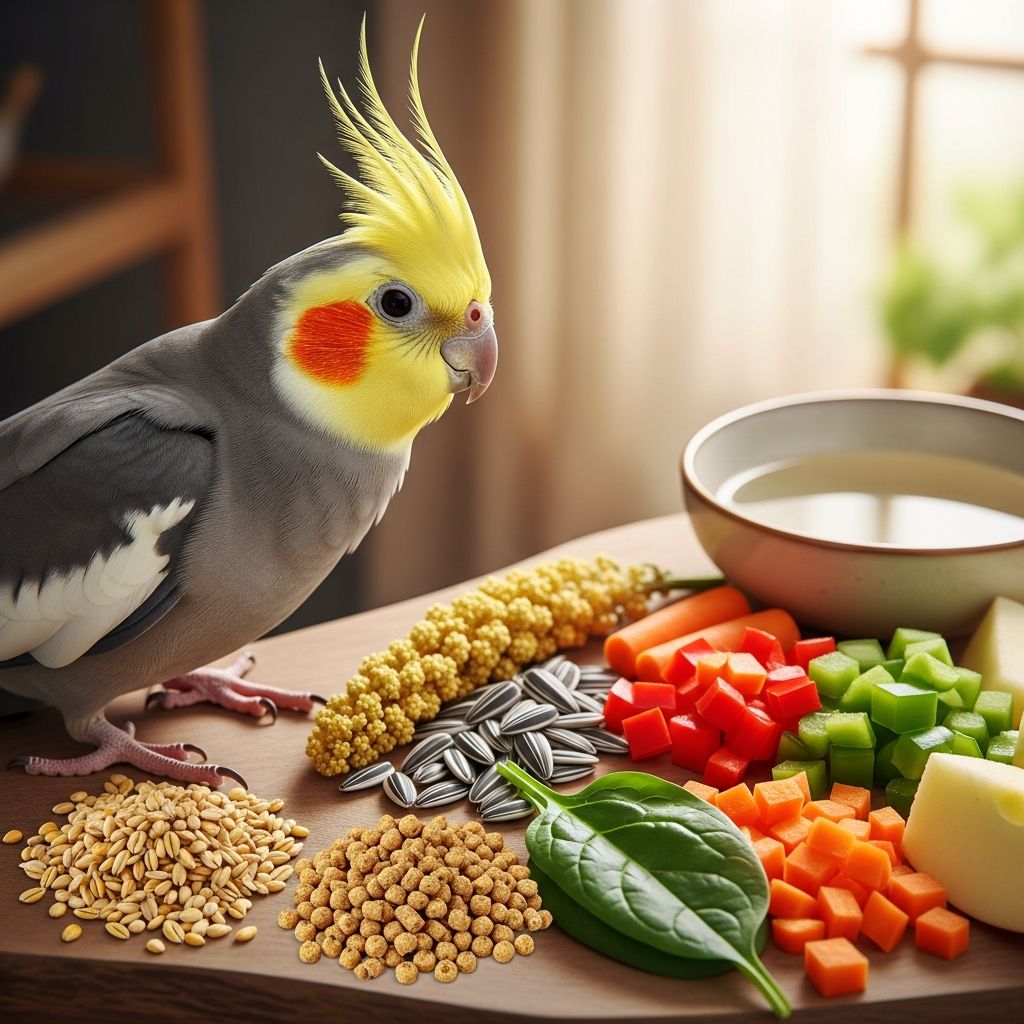
Understanding Cockatiel Nutrition
Proper nutrition is essential for maintaining the health, vitality, and longevity of your cockatiel. A well-balanced diet supports better feather quality, energy levels, vocalizations, and overall well-being. Cockatiels are prone to obesity, fatty liver disease, and vitamin A deficiency when fed improper diets, particularly those that rely too heavily on seeds. Understanding the nutritional needs of your cockatiel and implementing a comprehensive feeding strategy ensures your bird thrives throughout its lifespan.
The Foundation: Pelleted Diets
Pelleted foods form the cornerstone of a healthy cockatiel diet. These formulated diets are specifically designed to meet virtually all of your bird’s nutritional requirements, providing consistent nutrition across every bite. Unlike seeds, which cockatiels can selectively eat, pellets ensure comprehensive nutrient delivery. Pellets typically contain 12-14% protein and 4-5% fat content, with variations depending on brand formulation.
Most avian veterinarians recommend that pelleted food should comprise 60-80% of your cockatiel’s daily diet. This high percentage of pellets helps prevent selective eating behaviors and nutritional imbalances. Some specialists suggest even higher ratios of 75-80%, while others prefer a more natural approach with increased fresh foods. The exact percentage may vary based on your individual bird’s age, activity level, and health status.
For young, hand-raised baby cockatiels, transitioning to a pelleted diet from the start establishes healthy eating habits early in life. For mature cockatiels accustomed to seeds, the transition requires patience and gradual introduction. Begin by offering pellets in a separate dish while slowly reducing seed portions over several weeks. Do not eliminate seeds entirely until your bird consistently consumes pellets alongside fresh vegetables and fruit.
Seeds: A Limited Treat, Not a Staple
While seeds are popular among bird owners and beloved by cockatiels, they should comprise only a small portion of the daily diet. Seeds are high in carbohydrates but lack many essential nutrients. Fresh, high-quality seeds can be offered in measured amounts—typically around one to two teaspoons daily or approximately 5-10% of the total diet.
Seed-based treats like seed bells, millet sprays, molting foods, and conditioning mixes offer limited nutritional value and are mostly seed-based products. While cockatiels enjoy the foraging and natural feeding behavior that seeds encourage, relying on seeds as a primary food source leads to nutritional deficiencies and health problems. Reserve seeds primarily as training treats or for enrichment purposes rather than as a dietary staple.
Fresh Vegetables: Nutrient-Dense Powerhouses
Fresh vegetables should constitute 20-30% of your cockatiel’s daily diet, with emphasis placed on nutrient-dense, dark leafy greens and colorful produce. Vegetables provide essential vitamins, minerals, and phytonutrients that support immune function, feather health, and overall vitality. The following vegetables are recommended for regular inclusion in your cockatiel’s diet:
- Dark leafy greens: spinach, chard, silverbeet, watercress
- Cruciferous vegetables: broccoli, Brussels sprouts
- Colorful vegetables: bell peppers (capsicum), carrots, zucchini, squash
- Legumes: peas, beans, corn
- Root vegetables: sweet potato, pumpkin
- Herbs: parsley, cilantro, dill
Always wash produce thoroughly to remove pesticides and other residues before offering to your bird. Avoid low-nutrient options like iceberg or head lettuce, which offer minimal nutritional value despite their high water content. Present vegetables chopped into small pieces or in natural bunches to encourage foraging behavior and mental stimulation.
If your cockatiel initially resists fresh vegetables, maintain consistency and patience. Rotate vegetable options regularly and continue offering variety until your bird develops a preference for greens. Building healthy eating habits requires persistence and positive reinforcement.
Fruits: Sweet Treats in Moderation
While cockatiels enjoy fruits, these should be offered in limited quantities due to their high sugar content. Fruits can comprise up to 10-15% of the diet but should never become a primary food source. Nutritious fruit options that your cockatiel may enjoy include:
- Berries: blackberries, blueberries, raspberries, strawberries
- Tropical fruits: mango, papaya, kiwi, persimmon
- Tree fruits: apple (remove seeds), pear, fig
- Other fruits: lychee, cherry (pit removed)
Offer fruit as an occasional treat rather than a daily staple. The natural sugars in fruit can contribute to obesity and other health issues if overfed. Always remove any seeds or pits that may contain toxic compounds.
Nuts and Seeds as Training Rewards
Nuts can serve as valuable training treats and enrichment tools, but their high fat content necessitates careful portioning. Safe nut options include almonds, walnuts, and unsalted cashews offered in small amounts on an occasional basis. Never offer macadamia nuts or avocados, as these are toxic to birds. Nuts work excellently as rewards during training sessions or bonding activities, but should never constitute a significant portion of daily nutrition.
Dangerous Foods to Avoid
Certain foods pose serious health risks to cockatiels and must be completely avoided:
- Avocado: Contains persin, which can cause heart damage and respiratory issues
- Onions and garlic: Contain compounds that damage red blood cells
- Chocolate: Contains theobromine, which is toxic to birds
- Salt: In excessive amounts, can cause kidney damage
- Caffeine: Can cause heart palpitations and nervous system damage
- Fatty foods: Contribute to obesity and liver disease
- Moldy or spoiled foods: Can introduce harmful toxins and pathogens
Supplementation for Optimal Health
Even with a well-balanced diet, cockatiels may benefit from targeted supplementation. Iodine is particularly important for cockatiels, as they have higher iodine requirements than most other bird species. Iodine deficiency can lead to goiter, breathing difficulties, and poor feather quality due to impaired molting. Iodine supplementation can be provided through iodine blocks or Lugol’s iodine added to drinking water under veterinary guidance.
Water-soluble multivitamins administered 1-3 times weekly help fill nutritional gaps, particularly for fussy eaters who may not consume adequate quantities of fresh produce. Cuttlebones and mineral blocks provide essential calcium and other minerals necessary for bone health and physiological function. Always follow veterinary recommendations when introducing supplements to ensure appropriate dosing.
Hydration: Often Overlooked but Critical
Fresh, clean water must be accessible at all times. Water containers should be changed 2-5 times daily, depending on the water system used. Gravity-based water containers require thorough cleaning daily, as bacteria and biofilm accumulate quickly in stagnant water. Contaminated water can lead to infections and digestive upset. Consider using water bottles with ball-bearing sipper tubes, which reduce contamination while encouraging natural drinking behavior.
Sample Diet Plans and Ratios
Different avian veterinarians recommend varying ratios based on their philosophy and research. Here are commonly recommended diet breakdowns:
| Diet Component | Conservative Pellet-Based | Balanced Approach | Fresh Food Emphasis |
|---|---|---|---|
| Pellets | 75-80% | 60-70% | 30-50% |
| Fresh Vegetables | 15-20% | 20-25% | 30-35% |
| Seeds | 5% | 5-10% | 5-10% |
| Fruits/Nuts | 5% | 5-10% | 5-10% |
| Cooked Grains | Variable | Variable | 10-15% |
The specific ratio you choose should reflect your individual cockatiel’s preferences, age, activity level, and health status. Consult with your avian veterinarian to develop a personalized feeding plan that optimizes your bird’s nutrition.
Transitioning Your Cockatiel’s Diet
If your cockatiel currently follows a seed-heavy diet and you wish to transition to a more balanced approach, implement changes gradually over several weeks. Abrupt dietary changes can stress your bird and discourage eating. Start by introducing pellets in a separate dish while maintaining current seed offerings. Gradually reduce seed portions while monitoring your bird’s consumption of new foods. Praise and reward your cockatiel when it samples pellets or fresh produce. This patient, positive approach increases the likelihood of successful dietary transition.
Daily Feeding Amounts and Frequency
Maintenance cockatiels (not young, growing, or breeding birds) consume approximately 15 grams of food daily, regardless of dietary composition. This relatively small portion reflects their small body size and metabolism. Offer fresh food daily, removing uneaten produce after 4-6 hours to prevent spoilage and bacterial growth. Provide a daily seed or nut treat as part of bonding and training activities. Monitor your bird’s weight and body condition regularly, adjusting portions if your cockatiel becomes overweight or underweight.
Frequently Asked Questions
Q: Can I feed my cockatiel only seeds?
A: No, an all-seed diet is inadequate and leads to nutritional deficiencies, obesity, and health problems. Seeds should comprise only 5-10% of the diet, with pellets and fresh foods forming the foundation of nutrition.
Q: How do I know if my cockatiel is getting proper nutrition?
A: A well-nourished cockatiel displays vibrant feather quality, clear eyes, active behavior, and appropriate weight. Consult your avian veterinarian for regular health check-ups and body condition assessments.
Q: Are pellets all my cockatiel needs?
A: While high-quality pellets contain essential nutrients, fresh vegetables, fruits, and water provide additional vitamins, minerals, and enrichment. A varied diet supports better health and prevents dietary boredom.
Q: How should I introduce new foods to my cockatiel?
A: Introduce new foods gradually, offering small portions alongside familiar foods. Some birds take time to accept new foods. Continue offering variety and rotate options regularly until preferences develop.
Q: Can I give my cockatiel table food?
A: Some unsalted, unsweetened table foods are appropriate in moderation, including cooked grains, beans, pasta, eggs, and lean meats. Always avoid seasoning, salt, sugar, and potentially toxic foods.
Q: How often should I change my cockatiel’s water?
A: Change water 2-5 times daily, depending on your water system. Daily thorough cleaning prevents bacterial growth and maintains water quality.
References
- Cockatiel Diet and Nutrition Guidelines — Cockatiel Cottage. Accessed 2025. https://www.cockatielcottage.net/diet2.html
- Cockatiel Care Sheet — PetMD. Accessed 2025. https://www.petmd.com/bird/cockatiel-care-sheet
- Cockatiel Diet and Nutrition — Avian Empire. Accessed 2025. https://www.avianempire.co.nz/pages/cockatiel-diet
- Feeding Pet Cockatiels — VCA Animal Hospitals. Accessed 2025. https://vcahospitals.com/know-your-pet/cockatiels-feeding
- Cockatiel Care 101 – Diet, Enrichment, and Health — ZuPreem. Accessed 2025. https://zupreem.com/cockatiel-care-101-diet-enrichment-and-health/
- Cockatiel Feeding Guide — Northern Parrots. Accessed 2025. https://www.northernparrots.com/blog/cockatiel-feeding-guide/
- Feeding a Cockatiel — NP Veterinary. Accessed 2025. https://www.npvet.co.nz/pets/animal-info-pets/bird-rabbit-turtle-articles/feeding-a-cockatiel/
Similar Articles








Read full bio of Sneha Tete


