

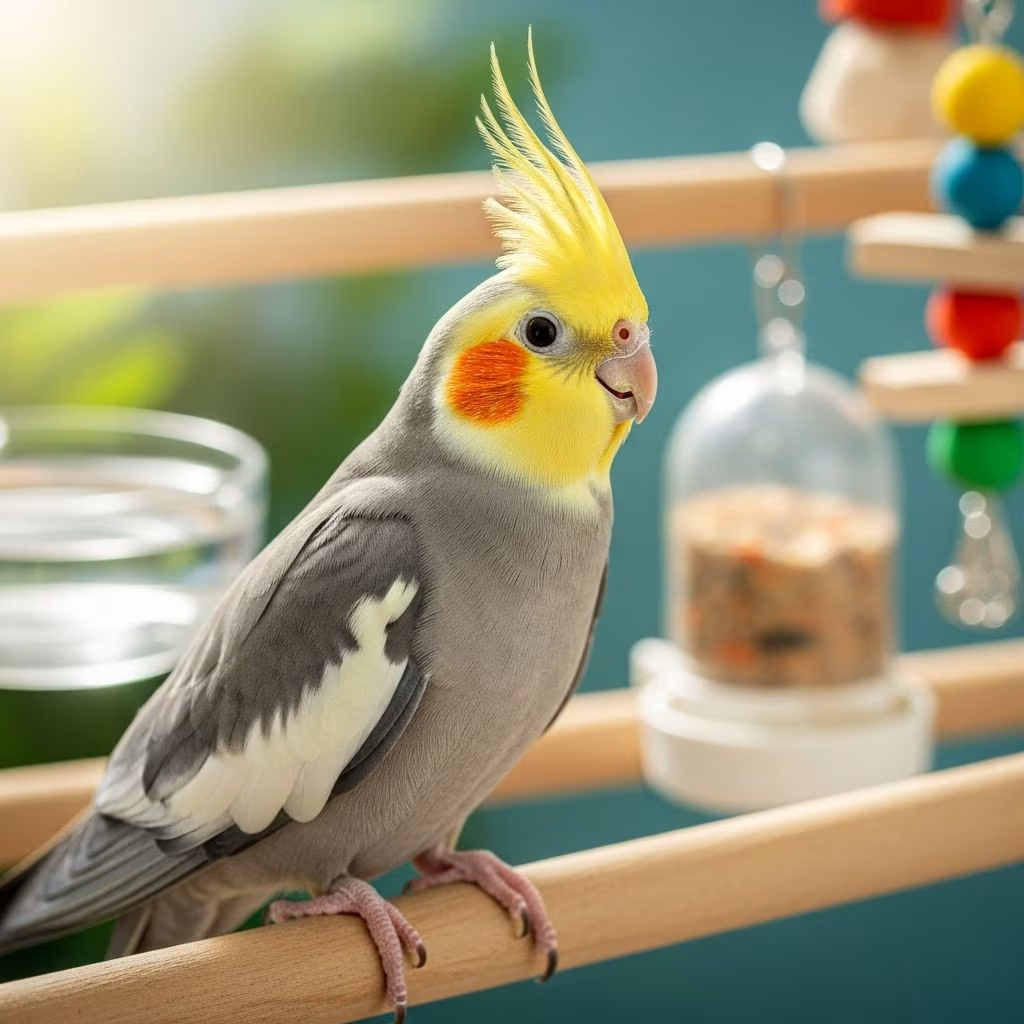
Cockatiel Care Sheet: Everything You Need to Know
Cockatiels are delightful and affectionate companion birds that make wonderful pets for families and individuals alike. These medium-sized parrots are known for their distinctive head crests, charming personalities, and ability to form strong bonds with their owners. However, providing proper care for a cockatiel requires understanding their specific needs in terms of housing, nutrition, health management, and social interaction. This comprehensive care sheet will guide you through all aspects of cockatiel ownership, ensuring your feathered friend thrives in a healthy and stimulating environment.
Setting Up the Perfect Cockatiel Habitat
Creating an appropriate living space is fundamental to your cockatiel’s well-being. The habitat serves as your bird’s sanctuary and should be designed with comfort, safety, and enrichment in mind.
Cage Size and Setup
A cockatiel requires a spacious cage with minimum dimensions of 24 inches wide by 24 inches deep by 24 inches tall, though larger is always better. Your bird needs adequate room to spread its wings fully, move around, and exercise. The cage should be positioned away from direct sunlight, drafts, and kitchen areas where cooking fumes can be harmful. Additionally, place the cage at a comfortable viewing height to facilitate bonding and allow your cockatiel to feel secure without being too high or too low.
Perches and Accessories
Install multiple perches of varying textures and diameters throughout the cage. Natural wood perches are preferable as they help maintain healthy foot condition and naturally file nails. Avoid placing perches directly above food or water bowls to prevent contamination. Include climbing opportunities such as ladder perches and branches. Add a variety of toys including foraging toys, mirror toys, and chew toys to provide mental stimulation and prevent boredom-related behavioral issues like feather plucking. Rotate toys regularly to maintain your cockatiel’s interest and cognitive engagement. Include a T-stand or playpen outside the cage for safe supervised play and exercise.
Nutrition and Diet
Proper nutrition is essential for maintaining your cockatiel’s health, energy levels, and longevity. A balanced diet should comprise multiple food categories to provide all necessary vitamins and minerals.
Pellet-Based Diet
The foundation of a cockatiel’s diet should be high-quality pellets, which should constitute approximately 80% of their daily food intake. Pellets are specially formulated avian foods that provide balanced nutrition including essential vitamins, minerals, and nutrients. Choose pellets specifically designed for cockatiels and introduce them gradually if your bird is not accustomed to them. Mix new pellets gradually with their current diet over several weeks to facilitate acceptance.
Fresh Fruits and Vegetables
Supplement pellets with fresh fruits and vegetables to add nutritional variety and environmental enrichment. Safe options include apples, pears, oranges (with peel), carrots, broccoli, romaine lettuce, and dandelion greens. Offer approximately 10% of daily calories from fresh produce. Avoid parsley and water-heavy vegetables, as well as toxic foods including avocados, chocolate, raw onions, raw meat, moldy foods, and alcohol.
Treats and Special Foods
Treats such as spray millet should not exceed 10% of your cockatiel’s daily diet. While these foods are enjoyed by birds and can aid in training, moderation is crucial to prevent nutritional imbalances and obesity.
Water and Hydration
Provide fresh, clean drinking water at all times through either a bowl or water bottle. Change water twice to three times daily as birds may contaminate it with droppings. Use stainless steel bowls rather than plastic, which can harbor bacteria. Never share food from your mouth or plate with your cockatiel, as human saliva can transmit harmful bacteria.
Cleaning and Maintenance
Maintaining a clean habitat is crucial for preventing illness and ensuring your cockatiel’s comfort and health.
Daily Cleaning Tasks
Perform spot cleaning daily by removing soiled bedding, discarded food, and feces from the cage floor. Replace cage paper daily and wash food and water bowls with hot water to eliminate bacteria and mold. Inspect the cage for any hazards or signs of wear on toys and perches.
Weekly Deep Cleaning
Conduct thorough cleaning at least once weekly. Remove and wash cage trays and perches with warm, soapy water. Replace substrate and bedding completely. Use non-toxic, bird-safe cleaning agents when scrubbing the cage interior and exterior surfaces. This comprehensive cleaning prevents bacterial and fungal buildup that can cause respiratory and digestive issues.
Bathing and Grooming
Allow your cockatiel to bathe twice weekly by offering a shallow water dish or birdbath. For birds that don’t bathe themselves, gently mist them with lukewarm water from a clean spray bottle. Always keep your bird away from drafts while drying to prevent chilling. Invest in avian nail clippers and styptic powder to trim nails regularly, or consult an avian veterinarian for professional trimming. Maintain feather health by monitoring for signs of plucking or damage, which often indicates stress or improper nutrition.
Health and Veterinary Care
Regular veterinary attention is essential for maintaining your cockatiel’s health and detecting potential problems early.
Annual Veterinary Examinations
Schedule annual checkups with an avian veterinarian. Bring your cockatiel in a transport carrier and, if helpful, show pictures of your home cage setup and supplies to aid the veterinarian’s assessment. Choose a veterinarian with specific experience in avian medicine, as they understand the unique physiological needs of birds.
Signs of a Healthy Cockatiel
Monitor your bird regularly for these indicators of good health:
- Clear, bright, clean eyes
- Clean nostrils without discharge
- Symmetrical, intact beak
- Intact, clean feathers with smooth appearance
- Clean feet with strong and equal grip strength
- Clean vent/cloaca area
- Full, equal range of motion of both wings
- Consistent, well-formed droppings
Warning Signs Requiring Veterinary Attention
Contact your veterinarian immediately if you notice discharge from eyes or nostrils, ruffled or missing feathers, lack of appetite, lethargy, difficulty breathing, abnormal droppings, or behavioral changes. Birds often hide illness until it becomes severe, so any deviation from normal behavior warrants professional evaluation.
Socialization and Bonding
Cockatiels are highly social birds that thrive with regular interaction and bonding with their owners.
Initial Adjustment Period
When bringing a new cockatiel home, place its cage in a quiet, safe location where it can observe its surroundings without feeling threatened. Allow several days for adjustment to new sights, sounds, and smells before initiating close interaction. If introducing a new bird to an existing bird population, keep it separated until it receives a veterinary health examination to prevent disease transmission.
Building Trust Through Gradual Interaction
Spend time sitting near your cockatiel’s cage, speaking softly and moving slowly to build familiarity. Once comfortable with your presence, begin offering treats through cage bars—millet sprays, small fruit pieces, or favorite seeds work well. Gradually introduce cage-door opening and hand-feeding treats inside the cage. Progress to gentle step-up training using treats as incentives, softly saying “step up” while rewarding positive responses with treats and praise.
Daily Interaction and Play
Establish a daily routine of interaction including talking to your cockatiel, playing with toys together, and offering head scratches if they enjoy this contact. Consistent, positive interactions strengthen your bond and provide essential mental stimulation. Allow out-of-cage time for supervised flight and exploration in a safe, enclosed space within your home.
Training and Behavioral Considerations
Training your cockatiel builds confidence, provides mental enrichment, and strengthens your relationship.
Basic Training Techniques
Begin training by teaching your cockatiel to accept your finger as a perch, progressing to stepping from one hand to another. Use positive reinforcement with treats and praise rather than punishment. Keep training sessions short—5 to 10 minutes—to maintain your bird’s attention and enthusiasm. Practice consistency in commands and rewards.
Wing Trimming
To prevent escape and reduce flight-related injuries indoors, many owners opt to trim their cockatiel’s primary flight feathers. Ask your pet store or veterinarian to demonstrate proper trimming technique. Note that these feathers regrow after molting and require periodic retrimming. However, some owners prefer to allow full flight indoors in bird-proofed rooms.
Preventing Destructive Behaviors
Provide adequate mental stimulation through toys, foraging opportunities, and social interaction to reduce destructive behaviors like feather plucking and cage aggression. Ensure sufficient out-of-cage time and varied daily routines. Address boredom through toy rotation and environmental enrichment, as cockatiels are intelligent birds requiring cognitive engagement.
Daily Care Routine Overview
| Time Period | Care Tasks |
|---|---|
| Morning | Provide fresh food and water; perform light spot cleaning; offer morning interaction and treats |
| Midday | Check water quality and refresh if necessary; monitor cockatiel’s behavior and health |
| Evening | Refresh water again; provide evening meals; engage in interactive play or training; sanitize food and water bowls |
| Weekly | Perform deep cage cleaning; wash perches and toys; replace bedding completely; inspect for wear and damage |
Frequently Asked Questions About Cockatiel Care
Q: How long do cockatiels typically live?
A: With proper care, cockatiels typically live 15 to 20 years, with some reaching 25 years or beyond, making them a long-term commitment requiring consistency in care and attention.
Q: Can cockatiels live with other birds?
A: Cockatiels can sometimes coexist with other birds, but they should be carefully introduced in neutral territory and never left unsupervised. Even compatible birds may fight or injure each other, so separate caging is safest.
Q: What temperature range is ideal for cockatiels?
A: Cockatiels thrive in temperatures between 65 and 80 degrees Fahrenheit. Avoid extreme temperature fluctuations and drafts, as these can cause stress and illness.
Q: How much out-of-cage time do cockatiels need?
A: Cockatiels should have at least one to two hours of supervised out-of-cage time daily for exercise, socialization, and mental enrichment when their safety is assured.
Q: What should I do if my cockatiel seems sick?
A: Contact your avian veterinarian immediately if you notice any behavioral changes, appetite loss, discharge, or physical abnormalities. Early intervention can prevent serious complications.
Q: How can I prevent my cockatiel from biting?
A: Build trust through patient, positive interaction. Learn to recognize warning signs like raised feathers or hissing. Avoid forcing interaction and respect your bird’s boundaries. Consistent, gentle handling from a young age reduces biting behavior.
Q: What toys are safest for cockatiels?
A: Use toys specifically designed for birds made from natural materials like wood, palm leaves, and untreated rope. Avoid toys with lead paint, unstable parts, or materials that splinter easily. Regularly inspect and replace worn toys.
References
- Cockatiel Care Sheet — PetMD. 2024. https://www.petmd.com/bird/cockatiel-care-sheet
- A Guide to Understanding and Caring for Your Pet Cockatiel — myRightBird. 2024. https://myrightbird.com/articles/a-guide-to-understanding-and-caring-for-your-pet-cockatiel
- Cockatiel Care Sheet — Oregon Humane Society. 2022. https://www.oregonhumane.org/wp-content/uploads/2022/09/Cockatiel-Care-Sheet.pdf
- Caring for Your Cockatiel — Pet Advocacy Network. 2022. https://petadvocacy.org/wp-content/uploads/2022/01/Cockatiel-Care-Sheet.pdf
- Cockatiel Care Guide — PetSmart Learning Center. 2024. https://www.petsmart.com/learning-center/bird-care/cockatiel-care-guide/A0065.html



