
Cockatiel Care: Ultimate Guide To Diet, Habitat & Behavior
Complete cockatiel care guide covering diet, habitat, behavior, and breeding for pet owners.
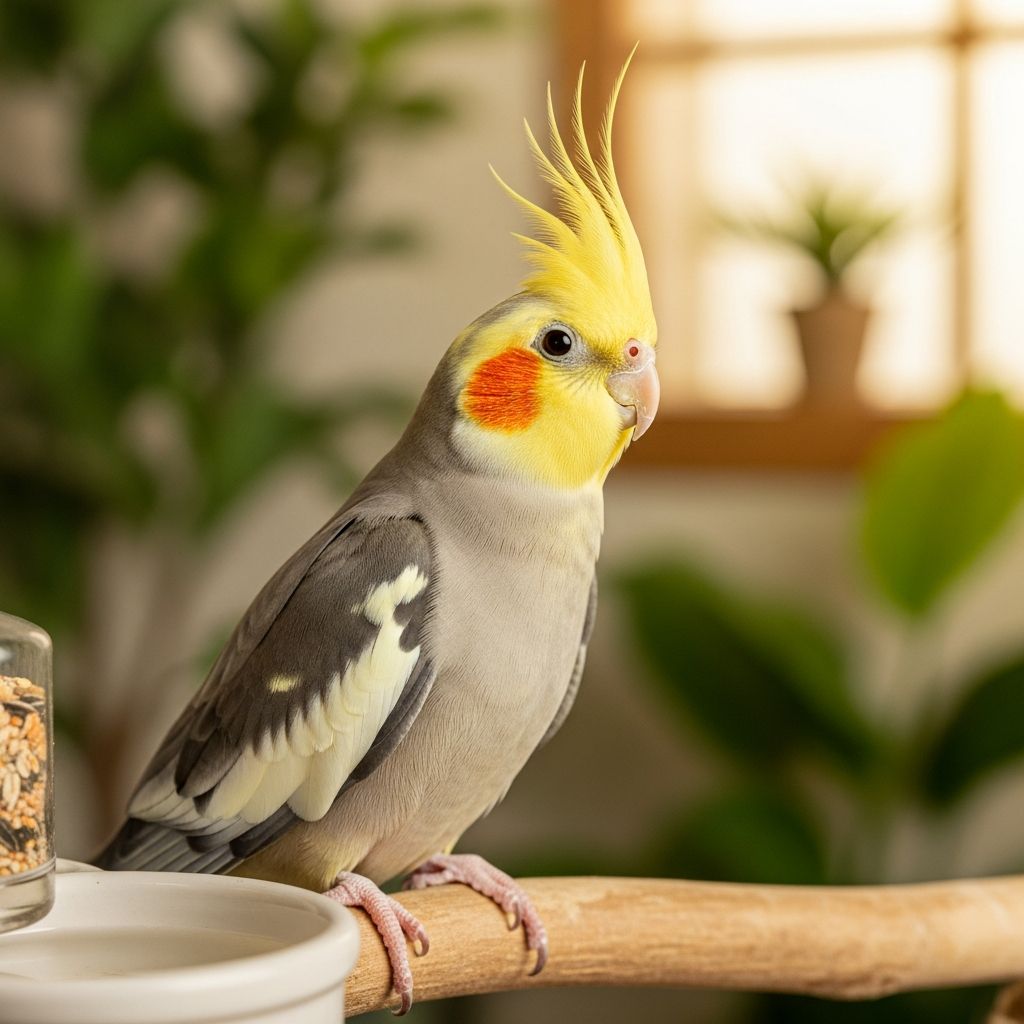
Cockatiels are among the most popular pet birds in the world, valued for their gentle temperament, intelligence, and striking appearance. As the smallest member of the cockatoo family, these Australian natives have become beloved companions for bird enthusiasts of all experience levels. Whether you’re considering adding a cockatiel to your home or you’re already a proud owner, understanding their specific care requirements, dietary needs, and behavioral characteristics is essential for ensuring a long, healthy, and happy life for your feathered friend.
Understanding Cockatiel Basics
Species Overview
The cockatiel (Nymphicus hollandicus) is the only member of the genus Nymphicus and represents the smallest subfamily of the Cacatuidae family. These remarkable birds are native to Australia, where they inhabit semi-arid regions, open woodlands, savannas, grasslands, and scrublands. Unlike their larger cockatoo relatives that originate from dense rainforests, cockatiels come from open environments, which explains their softer vocalizations compared to other parrot species.
Cockatiels are highly adaptable birds that readily breed in both wild and captive environments, making them widely available as pets at more affordable prices than most other parrot species. Their combination of manageable size, friendly disposition, and relatively modest care requirements make them ideal companions for beginner bird owners.
Physical Characteristics
Adult cockatiels typically reach 12 to 13 inches (30 to 33 centimeters) in length and weigh approximately 80 grams, making them delightfully compact pets. One of their most distinctive features is their elegant, erectile crest—feathers on top of the head that are almost 2 inches long. This crest serves as an emotional barometer, expressing the bird’s mood and intentions through various positions.
Cockatiels possess the following unique physical traits:
- Long tail feathers that comprise roughly half of their total body length
- Curved, pointed beaks with rounded nostrils at the top
- Dark gray bills and legs with strong zygodactyl feet (two toes forward, two backward)
- Dark brown irises and distinctive round orange ear patches
- Slender, pointed tails that distinguish them from other crested parrots
Sexual Dimorphism and Color Mutations
The normal gray or wild-type cockatiel displays interesting sexual differences. Males typically have dark brown to gray plumage with white patches on the upper wings, bright orange cheek circles with white borders, and a predominantly yellow or white face. Females, by contrast, are predominantly gray throughout their body with darker, more muted orange cheeks lacking the white border, and display horizontal yellow stripes or bars on their tail feathers and wings.
Modern selective breeding has produced numerous color mutations beyond the wild-type, including lutino, pearl, cinnamon, pied, and white-faced varieties. Some cockatiels exhibit multiple simultaneous mutations, creating unique and striking color combinations.
Habitat and Environment Requirements
Natural Habitat
Understanding a cockatiel’s native environment is crucial for replicating appropriate conditions in captivity. In Australia, cockatiels occupy open woodlands, arid scrublands, savannas, and grasslands across mainland regions, particularly the interior. They favor areas with scattered trees, nearby watercourses, and open ground for foraging. These birds readily adapt to agricultural landscapes, including pastures and stubble fields, but they avoid dense forests and heavily urbanized areas.
Wild cockatiels are largely nomadic, with movements tracking rainfall and seed availability. They inhabit regions ranging from sea level to 1,500 meters altitude in arid climate zones. This semi-arid origin contributes to their softer vocalizations compared to rainforest-dwelling parrot species, as they evolved in open environments where long-distance communication wasn’t as critical.
Captive Housing Requirements
When keeping cockatiels as pets, you should endeavor to create an environment that accommodates their natural behaviors. Provide a spacious cage that allows for movement and flight, with ample room for multiple perches at varying heights. The cage should include:
- Horizontal and vertical perches of different diameters for foot health
- Space for flying and exercise within the home
- Natural light exposure or full-spectrum lighting to maintain circadian rhythms
- Appropriate humidity levels reflecting their semi-arid origin
- Temperature consistency between 65-80°F (18-27°C)
Cockatiels are exceptional fliers and require more frequent wing clipping than other parrot species due to their remarkable flying ability, which develops relatively quickly after fledging. Providing supervised out-of-cage flight time and play areas is essential for their physical and mental well-being.
Personality, Behavior, and Temperament
Social and Gentle Nature
Cockatiels are renowned for their social, gentle, and affectionate temperament. In the wild, these birds are gregarious, often seen in pairs or flocks that expand after rains when food becomes abundant. They form monogamous pairs and nest in tree cavities, typically near water sources. Communal roosting is common, and breeding timing aligns with regional rainfall patterns.
As pets, cockatiels bond strongly with their owners but often remain reserved around strangers, preferring the familiar company of their primary caregivers. They are highly intelligent and capable of learning simple tunes and household sounds, with males producing richer, more melodious whistles than females.
Communication Through Crest Position
One of the most fascinating aspects of cockatiel behavior is their sophisticated crest communication system. The position of their crest feathers conveys distinct emotional and behavioral information:
Straight-Up Crest: Indicates the bird is startled, excited, or highly curious about something in its environment.
Relaxed Position: Crest feathers held slightly back with fluffed cheek feathers and possible contentment beak-grinding suggests a calm, comfortable bird.
Flattened Crest: A defensive cockatiel will hold its crest flat against its head. If accompanied by hissing with an open beak, the bird is particularly stressed or frightened.
Tilted Position: When a cockatiel attempts to appear alluring or flirtatious, the crest is held flat but protrudes outward in the back.
Partially Raised Crest: A tired cockatiel displays a crest positioned halfway upwards with the tip usually curling upward.
Vocalization Patterns
Unlike some parrot species known for ear-piercing screeches, cockatiels are relatively quiet and gentle in their vocalizations. Rather than loud squawking, cockatiels tend to whistle and chirp with clear, whistled notes and sharp, high-pitched contact calls. Males typically produce richer, more varied vocalizations and can mimic simple household sounds and melodies, making them delightful musical companions.
Diet and Nutrition
Wild Diet Foundation
Understanding cockatiel nutrition begins with examining their natural diet in the Australian wild. Wild cockatiels fly to the ground to forage for seeds, grains, and vegetation. They prefer open environments where they can access scattered food sources without extensive canopy navigation. Their semi-arid habitat provides specific seed types and plant matter that have shaped their nutritional requirements over millennia.
Captive Diet Recommendations
A well-balanced cockatiel diet should include:
- High-quality pellets formulated specifically for cockatiels as the dietary foundation
- Fresh vegetables and leafy greens daily for vitamins and minerals
- Limited fresh fruits (2-3 times weekly) due to natural sugar content
- Healthy nuts and seeds in moderation as treats
- Clean, fresh water available at all times
- Calcium supplements or cuttlebone for bone health
Avoid toxic foods including chocolate, avocado, salt, caffeine, and foods with added artificial sweeteners. Provide appropriate pellet-based nutrition supplemented with fresh produce to ensure comprehensive micronutrient intake.
Breeding and Reproduction
Natural Breeding Behavior
Cockatiels readily breed in both wild and captive environments, making them one of the most prolific parrot species in the pet trade. In their natural Australian habitat, they form monogamous pairs and nest in tree cavities, typically positioning nests near water sources. Breeding timing is closely tied to regional rainfall patterns and seed availability, ensuring chicks are raised during periods of food abundance.
Captive Breeding
Their ease of breeding in captivity has contributed significantly to their widespread availability as affordable pets compared to other parrot species. Prospective breeders should provide appropriate nesting boxes, maintain stable environmental conditions, and ensure proper nutrition for breeding pairs. Successful breeding requires adequate space, privacy, and appropriate photoperiod stimulation.
Flight and Exercise
Flying Abilities
Cockatiels are excellent fliers characterized by short, rapid wingbeats and swift, direct flight patterns. Their long tail feathers fan out during flight to control altitude and stability, contributing to their graceful aerial maneuvers. These capabilities make them significantly more flight-capable than many other commonly kept parrot species.
Exercise Requirements
Due to their exceptional flying ability, cockatiels require more frequent wing clipping than other parrot species and benefit from regular supervised flight time. Adequate exercise is essential for maintaining cardiovascular health, muscular development, and mental stimulation. Daily out-of-cage activities, climbing opportunities, and interactive play sessions support overall well-being.
Behavioral Characteristics and Bonding
Cockatiels demonstrate remarkable intelligence and can develop deep emotional bonds with their human caregivers. They enjoy interactive play, learning tricks, and participating in household activities. Their gentle nature and capacity for affection make them exceptional companions, though they require consistent socialization, mental stimulation, and emotional engagement to thrive.
These birds are social creatures that should not be isolated for extended periods. Regular interaction, training sessions, and environmental enrichment through toys and foraging opportunities help prevent behavioral problems and depression.
Frequently Asked Questions
Q: How long do cockatiels typically live?
A: With proper care, nutrition, and veterinary attention, cockatiels can live 15-20 years or longer, making them long-term companions requiring sustained commitment.
Q: Are cockatiels good pets for beginners?
A: Yes, cockatiels are considered beginner-friendly birds with an ease-of-keeping rating of 4 out of 5. Their gentle temperament, manageable size, and relatively straightforward care requirements make them excellent choices for novice bird owners.
Q: Can male and female cockatiels be housed together?
A: While cockatiels form monogamous pairs in the wild, housing males and females together requires careful introduction and monitoring. Pairs may bond or conflict depending on personality compatibility. Separate housing is often safer unless breeding is intended.
Q: How can I tell if my cockatiel is male or female?
A: After the first molt (6-9 months), adult males typically display brighter gray plumage, bright orange cheeks with white borders, and predominantly yellow or white facial coloring. Females remain more uniformly gray with muted orange cheeks and display barring on tail and wing feathers.
Q: What is the best cage size for a cockatiel?
A: Provide a spacious cage measuring at least 24x24x24 inches, though larger accommodations are preferable. Ensure adequate perching space, toys, and room for movement. Supplement cage housing with supervised out-of-cage flight time.
Q: Do cockatiels require special lighting?
A: Yes, full-spectrum lighting that mimics natural sunlight is beneficial for maintaining proper circadian rhythms, vitamin D synthesis, and overall health. Provide 10-12 hours of light daily with an appropriate dark period for sleep.
Q: Can cockatiels learn to talk?
A: While cockatiels don’t develop extensive vocabularies like larger parrots, they can learn to whistle simple tunes and mimic household sounds. Males are typically better whistlers than females and may learn basic words with patient training.
Q: What should I feed my cockatiel?
A: Feed a balanced diet of high-quality pellets supplemented with fresh vegetables, occasional fruits, and limited nuts and seeds. Ensure constant access to fresh water and consider calcium supplementation for optimal bone health.
Q: Are cockatiels prone to specific health problems?
A: Cockatiels can develop fatty liver disease from improper diet, respiratory infections, and behavioral issues from inadequate stimulation. Regular veterinary checkups, appropriate nutrition, and enrichment prevent most common health concerns.
References
- Cockatiel – Bird Species Profile, Origin & Traits — FeatherScan. 2024. https://www.featherscan.com/birds/cockatiel
- Cockatiel — Wikipedia. 2025. https://en.wikipedia.org/wiki/Cockatiel
- What to Know About the Cockatiel — WebMD. 2024. https://www.webmd.com/pets/what-to-know-about-the-cockatiel
- Cockatiel Personality, Food & Care – Pet Birds by Lafeber Co. — Lafeber Company. 2024. https://lafeber.com/pet-birds/species/cockatiel/
- Cockatiels Guide — Arborview Animal Hospital. 2023. https://arborviewah.com/cockatiels-guide/
Similar Articles








Read full bio of Sneha Tete


