
Cockatiel Behavior: Male vs Female Differences
Understanding behavioral, physical, and vocal differences between male and female cockatiels.
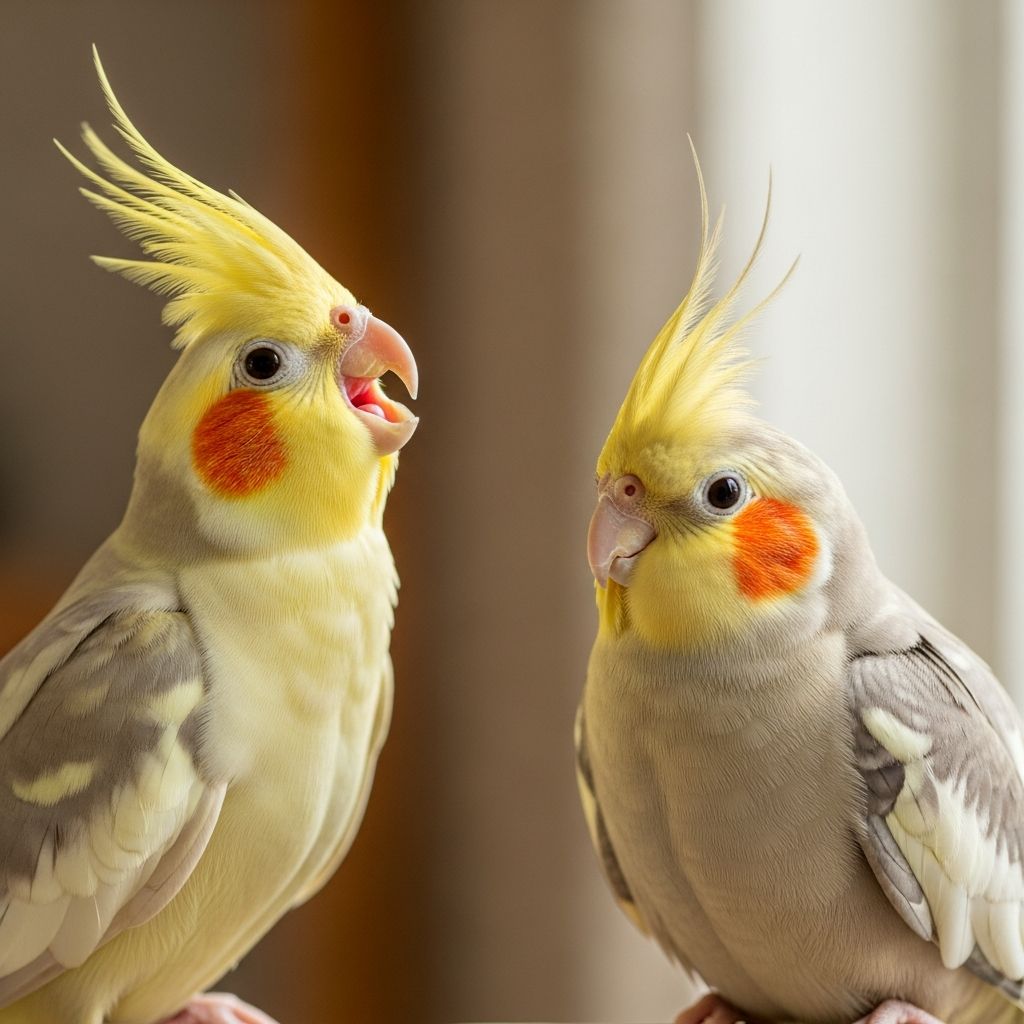
Understanding Cockatiel Behavior: Male vs Female Differences
Cockatiels are beloved pet birds known for their charming personalities, distinctive crests, and interactive nature. However, many cockatiel owners and prospective buyers wonder whether their bird is male or female, and more importantly, how gender affects behavior and care requirements. While DNA testing remains the most definitive method for determining a cockatiel’s sex, several behavioral, physical, and vocal characteristics can help you identify and understand your feathered companion. This comprehensive guide explores the fascinating differences between male and female cockatiels, enabling you to better appreciate and care for your pet.
Physical Differences Between Male and Female Cockatiels
One of the most apparent ways to distinguish between male and female cockatiels involves examining their plumage and physical characteristics. These differences vary depending on the cockatiel’s color mutation and age, but they provide valuable clues about your bird’s gender.
Facial Markings and Coloration
Male cockatiels typically display more vibrant and striking facial features compared to their female counterparts. In standard gray cockatiels, males generally exhibit a bright yellow face with vivid orange cheek spots that become more pronounced after their first molt, around one year of age. This yellow coloration develops gradually as the bird matures, creating a distinctive appearance that makes males particularly eye-catching.
Female cockatiels, by contrast, tend to maintain a more muted appearance. They typically retain a grayish or brownish face with lighter, less saturated orange cheek spots. This subtle coloration gives females a more reserved appearance, reflecting their generally quieter demeanor. The facial differences between males and females become increasingly apparent as birds mature, making age an important consideration when attempting to identify your cockatiel’s sex.
Tail Feather Markings
One of the most reliable physical indicators of a cockatiel’s sex can be found on the underside of the tail feathers. Female cockatiels typically display distinct markings on the undersides of their tail feathers, which often appear as horizontal stripes alternating between different color combinations such as gray and dark gray, white and gray, or yellow and gray. Some females may display dots or other patterns on a gray background.
Male cockatiels, conversely, typically have no markings on the underside of their tail feathers. This characteristic remains consistent throughout the bird’s life, making it one of the more reliable methods for sex determination. If your cockatiel displays clear markings beneath the tail feathers, it is very likely female.
Color Mutations and Sex Determination
While physical differences are relatively straightforward in standard gray cockatiels, color mutations present more complex scenarios. Lutino cockatiels, a popular mutation featuring pale yellow or white coloring with bright orange cheek circles, display sex-specific characteristics that differ from gray varieties. Female Lutinos typically show yellow spots under their wings and yellow markings under their tail, while males may not display these markings as prominently.
Pearl cockatiels present another interesting case. Females typically retain their characteristic speckled pearl pattern throughout their lives. Males, however, often lose much of their pearling during their first molt, transforming into an appearance more similar to normal gray cockatiels. Some males may retain slight evidence of their original pearling pattern, but the change is generally dramatic and sex-specific.
Behavioral Characteristics of Male Cockatiels
Beyond physical appearance, male cockatiels display distinct behavioral patterns that differentiate them from females. Understanding these behaviors provides insight into your bird’s personality and helps create an appropriate environment for your pet.
Activity Level and Curiosity
Male cockatiels tend to be significantly more active and curious than females. They are natural investigators who actively explore their surroundings and respond to potential threats by moving toward them to investigate rather than retreating. This forward-facing approach reflects their more assertive personalities and contributes to their reputation as engaging and interactive companions.
Courtship and Mating Behaviors
Perhaps the most distinctive behavioral difference involves courtship displays. Male cockatiels engage in elaborate courtship rituals, even in the absence of potential mates. These behaviors include tapping their beaks on objects to attract attention, strutting about while performing beak taps or whistles, executing quick head dips, and hopping in characteristic patterns. Males often carry their wing tips away from their bodies, creating a heart-shaped silhouette when viewed from behind—a display that underscores their romantic intentions.
These courtship behaviors are often spontaneous and may be directed toward their human caretakers, objects within their environment, or imaginary companions. The intensity and frequency of these displays can increase significantly during breeding seasons or when males are in heightened hormonal states.
Aggression and Hormonal Behavior
During certain periods, particularly the breeding season, male cockatiels may exhibit increased aggression and territorial behavior. They may become more confrontational, peck more frequently, and display heightened emotional responses. Males are more likely to hiss, screech, and open their beaks in displays of aggression when displeased. This hormonal fluctuation typically lasts for approximately one month during the breeding season and then subsides.
Behavioral Characteristics of Female Cockatiels
Female cockatiels display a distinctly different behavioral profile that often makes them appealing to certain types of bird owners seeking calmer, more reserved companions.
Shyness and Reserve
Female cockatiels are characteristically more shy and reserved than their male counterparts. They tend to observe situations carefully before responding and are more likely to retreat or draw away from commotion, loud noises, or chaotic environments. When confronted with potential threats or unfamiliar situations, females instinctively flee rather than investigate, reflecting their more cautious nature.
Social Affection and Bonding
Despite their reserved nature, female cockatiels often develop deep bonds with their primary caregivers and can be exceptionally affectionate once they feel secure and comfortable. Many owners describe female cockatiels as “cuddlier” and sweeter than males, suggesting that their initial shyness masks genuine affection. Females that have bonded with their owners or with other birds may display feeding behaviors and other signs of intimacy and connection.
Minimal Courtship Display
Unlike males, female cockatiels display little to no spontaneous courtship behavior. However, females that are ready to mate may exhibit characteristic signs such as sitting low on a perch, peeping quietly, and holding their tails in an elevated position. These subtle behaviors signal receptiveness to potential mates but are far less elaborate and obvious than male courtship displays.
Vocalization Differences
Vocalizations represent one of the most noticeable differences between male and female cockatiels, with significant implications for potential owners concerned about noise levels.
Male Vocalization Patterns
Male cockatiels are considerably more vocal than females. They are more expressive in their communication, actively whistling, singing, and attempting to speak human words or phrases. Males seem to genuinely enjoy whistling and often engage in vocal expression for extended periods throughout the day. They are also more likely to learn and repeat specific melodies or sounds, making them appealing to owners who appreciate an interactive, talkative companion.
Additionally, males are more pronounced in expressing displeasure or excitement through vocalizations. When displeased, they will hiss, screech, and make their annoyance clearly audible to everyone nearby.
Female Vocalization Patterns
Female cockatiels are typically much quieter than males and tend not to vocalize as frequently or as loudly. Instead of elaborate songs or whistles, females typically employ a sharp, distinctive “wheep” whistle sound that they use most often in response to familiar human voices or to communicate with other cockatiels. This quieter nature makes females particularly appealing to owners living in apartments or other noise-sensitive environments.
While females are capable of learning to speak words or phrases, they are generally less likely to do so spontaneously or enthusiastically than males. Their vocalizations tend to be more functional and less performance-oriented, reflecting their overall more reserved temperament.
Interaction Styles and Social Preferences
The way male and female cockatiels interact with their human caretakers and guests differs noticeably, with important implications for family situations and social environments.
Response to Strangers and Visitors
Male cockatiels tend to be more confident and accepting of strangers and visitors. Their curious, investigative nature means they are more likely to approach unfamiliar people and show interest in new social situations. This characteristic makes males particularly well-suited to households that frequently entertain guests or have multiple family members interacting with the bird.
Female cockatiels, conversely, are often shyer with strangers and may take longer to warm up to unfamiliar people. They generally prefer the company of their bonded individual and may retreat or hide when guests arrive. For families with frequent visitors or in social environments, females may require more patience and gradual socialization.
Attention-Seeking Behaviors
Male cockatiels are more proactive in seeking attention and interaction. They will actively peck at their owners to request petting or scratching, walking up to their caregivers, lowering their heads, and nipping insistently if their desires are not immediately met. This persistent attention-seeking can be both endearing and challenging, depending on individual preferences.
Females are generally more laid back about attention-seeking behaviors. While they enjoy interaction and affection once engaged, they are less likely to demand it actively or persistently. This more relaxed approach can appeal to owners who prefer a bird that is loving but less demanding.
Comparison Table: Male vs Female Cockatiel Characteristics
| Characteristic | Male Cockatiel | Female Cockatiel |
|---|---|---|
| Facial Coloration | Bright yellow face with vivid orange cheek spots | Grayish or brownish face with muted orange spots |
| Tail Feather Markings | No markings on underside | Horizontal stripes or patterns on underside |
| Activity Level | Highly active and investigative | More reserved and cautious |
| Courtship Behavior | Elaborate displays including strutting and beak tapping | Little to no courtship display |
| Vocalization | Louder, more vocal, enjoys whistling | Quieter, uses distinctive “wheep” sound |
| Response to Strangers | More confident and accepting | Shyer, takes longer to warm up |
| Affection Style | Seeks attention actively and persistently | More laid back, loves when engaged |
| Hormonal Aggression | More pronounced during breeding season | Minimal to moderate |
Considerations for Breeding Season
Understanding gender-specific behaviors becomes particularly important during breeding season, when hormonal changes can significantly affect your bird’s personality and needs. Male cockatiels experience a month-long period of heightened aggression and territorial behavior, during which they may become more confrontational and emotionally volatile. Female cockatiels, meanwhile, may require additional nutritional support, particularly calcium supplementation, to support potential egg-laying cycles.
Frequently Asked Questions About Cockatiel Gender and Behavior
Q: What is the most reliable way to determine if my cockatiel is male or female?
A: DNA testing is the most definitive method for determining a cockatiel’s sex. However, examining tail feather markings and facial coloration after the bird’s first molt typically provides accurate identification. Males have no markings on the underside of their tail feathers and bright yellow faces, while females display tail feather markings and more muted facial coloration.
Q: Are male cockatiels always louder than females?
A: While male cockatiels are generally more vocal and louder than females, individual personalities vary significantly. Some females may be talkative and whistling, while some males may be relatively quiet. However, on average, males do tend to be noisier, making females a better choice for noise-sensitive environments.
Q: Do female cockatiels make better pets than males?
A: Neither gender is universally “better.” The choice depends on your lifestyle and preferences. Females are typically quieter and more affectionate once bonded, making them ideal for those seeking a calm companion. Males are more interactive, vocal, and confident with strangers, appealing to owners who enjoy an expressive, engaging bird.
Q: Can female cockatiels talk like males?
A: Female cockatiels can learn to speak words and phrases, though they are less likely to do so spontaneously than males. Females tend to have smaller vocabularies and are less enthusiastic about vocalization generally, but individual birds vary greatly in their abilities and inclinations.
Q: Will my female cockatiel lay eggs if kept alone?
A: Yes, female cockatiels can lay unfertilized eggs even without a mate. During breeding season, females may lay eggs once per year, which requires additional dietary calcium and proper environmental management. If you wish to prevent or minimize egg-laying, consult with an avian veterinarian about appropriate strategies.
Q: Are male cockatiels more aggressive during breeding season?
A: Yes, male cockatiels typically experience increased aggression and territorial behavior for approximately one month during breeding season. This hormonal fluctuation causes them to be more confrontational, though the aggression generally subsides after the breeding period ends.
Q: Do color mutations affect how to identify male versus female cockatiels?
A: Yes, color mutations complicate sex determination. In pearl mutations, females retain their speckled pattern while males lose it during their first molt. Lutinos display different markings based on sex, with females showing more pronounced yellow markings under wings and tails. When uncertain, DNA testing provides definitive answers.
References
- Male vs Female Cockatiel — A-Z Animals. 2024. https://a-z-animals.com/blog/male-vs-female-cockatiel/
- Cockatiel Behavior and Identification Guide — Takoda Aviary. https://suzzie.tripod.com/male_vs_female.htm
- Do You Have A Male or Female Cockatiel? How to Determine Sex — YouTube Pet Education. https://www.youtube.com/watch?v=UahTMWUBSvU
Similar Articles








Read full bio of medha deb


