
Cockatiel Behavior: Brilliantly Baffling
Decode the quirky and fascinating behaviors of your feathered companion.
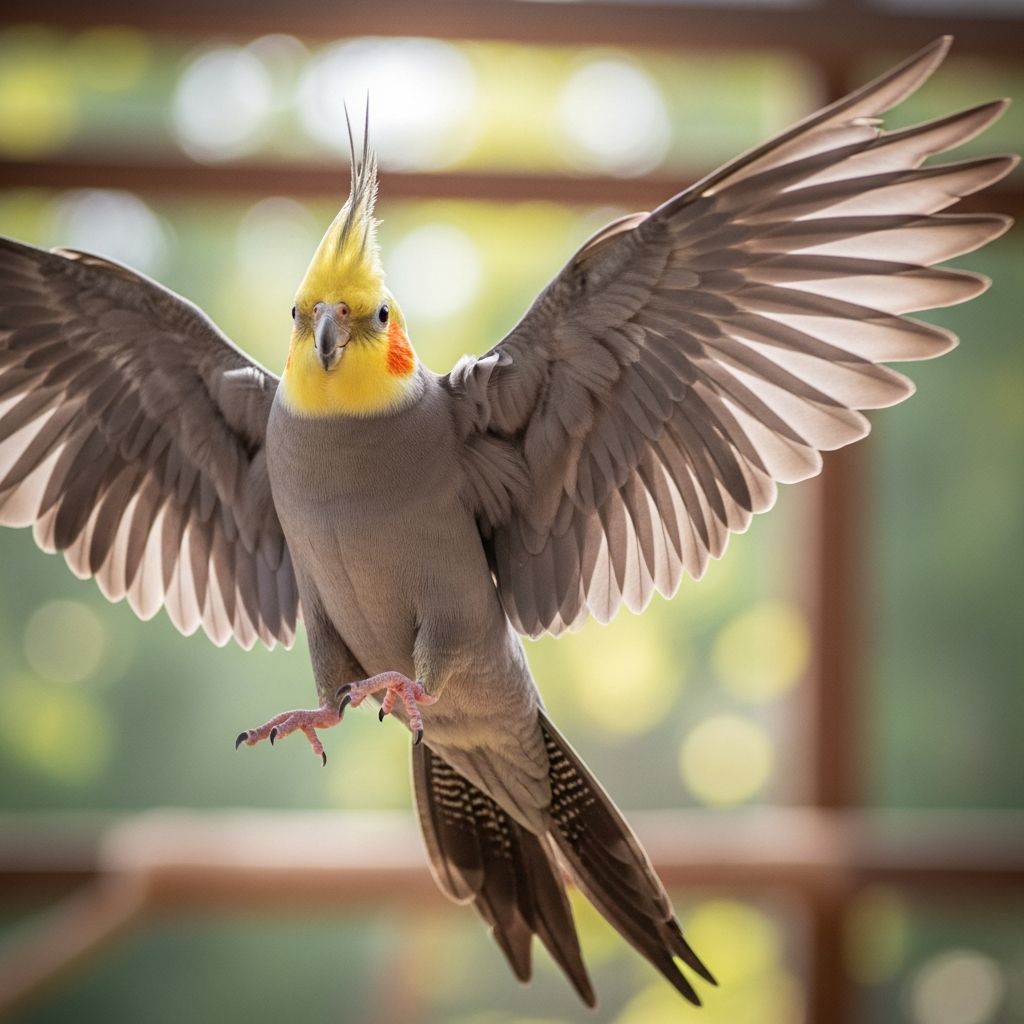
Understanding Cockatiel Behavior: A Journey Into Avian Eccentricity
Cockatiels are remarkable companion birds that captivate their owners with a dazzling array of behaviors—some endearing, some baffling, and often all occurring within the span of a single afternoon. Unlike traditional pets such as dogs or cats, cockatiels operate on an entirely different wavelength, marching to the beat of their own feathered drummer. These small Australian cockatoos possess distinct personalities and communicate through an intricate language of whistles, chirps, hisses, and physical displays that require patience and observation to understand. For those willing to invest the time and effort to decode their quirks, cockatiels reward their owners with unparalleled companionship and entertainment.
The journey of learning cockatiel behavior begins the moment you bring your new feathered friend home. Many new cockatiel owners find themselves surprised and sometimes frustrated by behaviors that seem peculiar or even destructive. What appears to be a nervous breakdown of wing-flapping and beak-banging might actually be a sign of affection or territorial pride. Understanding these behaviors transforms seemingly bizarre antics into endearing expressions of personality that bring joy and laughter to any household.
From Shy Beginnings to Confident Companions
Many cockatiels arrive at their new homes as timid, cautious creatures. Initial nipping and hissing are defense mechanisms born from uncertainty and fear, not malice. When a newly adopted cockatiel hisses or nips when removed from its carrier, it’s expressing anxiety and requesting personal space. Rather than viewing this as rejection, understanding owners recognize this as an opportunity to build trust gradually. The key to successfully integrating a new cockatiel into your home lies in patience, consistency, and respect for the bird’s emotional boundaries.
As cockatiels become comfortable in their environment and with their human companions, their true personalities begin to emerge. The same bird that initially hissed and cowered may transform into an affectionate, playful companion who seeks your attention and enjoys interactive activities. This transformation doesn’t happen overnight; it unfolds over weeks and months as the cockatiel learns that you are a trustworthy source of care, entertainment, and companionship. Building this foundation of trust is essential for developing a harmonious long-term relationship with your cockatiel.
Common Cockatiel Behaviors Explained
Cockatiels engage in a variety of distinctive behaviors that reflect their emotional state, social needs, and instinctual drives. Recognizing and appropriately responding to these behaviors strengthens the bond between owner and bird while preventing misunderstandings and behavioral problems.
Beak Bonking: A Sign of Affection and Territorial Pride
One of the most characteristic behaviors of male cockatiels is beak bonking—the deliberate, forceful striking of their beak against various surfaces. A male cockatiel might bang his beak hard against his perch, food cup, toy, or the ground beneath him to get the attention of the object of his affection. This affection can be directed toward another bird, a human companion, a favorite toy, or even his own reflection. When a cockatiel is truly laying on the affection, he will lean in close and whistle enthusiastically while beak bonking. This behavior is particularly pronounced during breeding season and reflects the bird’s desire to establish dominance or attract a mate.
The intensity and frequency of beak bonking can vary depending on the individual bird’s personality and current emotional state. Some cockatiels engage in beak bonking as a form of play and exploration, testing their environment and interacting with objects of interest. Others use it as a more aggressive territorial display. Understanding the context and accompanying body language helps determine whether the beak bonking represents playful affection or a warning to back away.
Hopping: Amplifying the Message
Hopping frequently accompanies beak bonking, with the two behaviors often occurring in tandem. When a cockatiel combines hopping with beak bonking, he’s really upping his game in terms of communication. This dynamic duo suggests heightened excitement, enthusiasm, or territorial assertion. The bird bounces rhythmically while striking surfaces with his beak, creating a multimedia display that demands attention. This coordinated behavior demonstrates the sophistication of cockatiel communication and the importance of interpreting multiple signals simultaneously.
Hanging Upside-Down: Stretch or Show of Strength?
Many cockatiel owners observe their birds hanging upside-down in their cages while stretching out their wings. This behavior serves multiple purposes depending on context. Some avian enthusiasts report their cockatiels hang upside-down and stretch out their wings as a territorial stance or to be protective of their area. In this context, the display communicates dominance and control over the surrounding space. Conversely, cockatiels might hang upside-down and flap their wings simply as a way to stretch their muscles and maintain physical fitness.
Distinguishing between territorial display and simple exercise requires careful observation of the bird’s overall demeanor and body language. A bird displaying territorial behavior will maintain tension in the body and may produce aggressive vocalizations, while one engaged in simple exercise will appear relaxed and may even continue preening or eating afterward.
Hissing: A Polite Warning
Most cockatiels will warn you to back off via a distinctive “hiss” and maybe even a beak lunge. This behavior represents the bird’s attempt to communicate its boundaries and request respect for its personal space. Cockatiels strongly prefer that you heed their warning through hissing rather than forcing interaction, which may result in nipping. When a cockatiel hisses, it’s essentially saying, “I need space, and if you don’t respect that, I will resort to more forceful measures.” Respecting these warnings strengthens trust and prevents unnecessary aggression.
Whistling and Chirping: The Soundtrack of Contentment
Cockatiels are renowned for their whistling abilities and prolific chirping. Male cockatiels tend to be particularly enthusiastic whistlers, producing elaborate melodies and tunes. Some cockatiels become so enamored with their own reflections that they spend considerable time in front of mirrors, whistling, hopping, and beak bonking at their reflected image. Female cockatiels tend to be quieter, producing softer chirps and being less inclined toward extended whistling performances.
The quality and intensity of vocalizations often fluctuate with seasons and hormonal cycles. During spring, male cockatiels may intensify their calling and whistling as breeding instincts assert themselves. Understanding these seasonal variations helps owners anticipate changes in their bird’s behavior and adjust their management strategies accordingly.
Beak Grinding: The Sound of Contentment
Both male and female cockatiels produce a soft but audible beak grinding sound when content and relaxed. This behavior, often accompanied by fluffed-up cheek feathers, signals that the bird is experiencing comfort and satisfaction. The gentle grinding noise is similar to a cat’s purring and represents one of the most rewarding sounds a cockatiel owner can hear. Recognizing and encouraging situations that produce beak grinding helps owners identify activities and environments that promote their bird’s wellbeing.
Sex-Based Behavioral Differences
While cockatiels share many common behavioral traits, notable differences exist between males and females. Male cockatiels tend to be more outgoing, vocal, and energetic. They display a greater propensity for whistling, beak bonking, and other attention-seeking behaviors. Females, in contrast, typically exhibit quieter, gentler dispositions. They produce fewer vocalizations and are often more content to spend time snuggling on a shoulder or engaging in calm activities.
These behavioral differences reflect biological and hormonal variations between the sexes. Males, driven by breeding and territorial instincts, engage in more vigorous displays and communication. Females, programmed to focus on nesting and egg care, tend toward more subdued and nurturing behaviors. Understanding these inherent differences helps owners select a bird that aligns with their lifestyle and preferences and manage behavior more effectively.
Recognizing Signs of Stress and Behavioral Problems
Not all cockatiel behaviors indicate contentment or normal functioning. Some behaviors signal stress, frustration, or underlying health issues. Excessive aggression, feather plucking, and obsessive behaviors can indicate that a cockatiel is struggling physically or emotionally. Additionally, cockatiels can experience traumatic “night frights,” episodes in which the bird thrashes around its cage in extreme fright and panic.
Night frights often occur without obvious trigger and can result in injury if not managed appropriately. Keeping a nightlight near the cage and maintaining a calm evening routine can help minimize these distressing episodes. If night frights become frequent or severe, consulting with an avian veterinarian is recommended to rule out underlying medical issues.
The Importance of Environmental Enrichment
Cockatiels are intelligent, curious birds that require mental and physical stimulation to maintain psychological health. Providing toys, foraging opportunities, and interactive play sessions prevents boredom and associated behavioral problems. Cockatiels also benefit tremendously from observing and interacting with their environment, including mirrors, windows, and varied perching heights.
However, caution should be exercised with reflective surfaces; while some cockatiels enjoy brief interactions with mirrors, excessive mirror time can lead to obsessive behaviors and unrealistic social expectations. Finding balance between providing enrichment and preventing problematic fixations requires thoughtful cage setup and monitoring.
Social Dynamics and Individual Personality
Each cockatiel possesses a unique personality shaped by genetics, early socialization, and individual life experiences. Some cockatiels may observe behaviors in other birds and attempt to replicate them—a male cockatiel might mimic the behaviors of conures in the household, learning to hold items in his foot while eating, for example. This capacity for observation and learning demonstrates the cognitive sophistication of these remarkable birds.
Cockatiels are also highly food-motivated and can learn behaviors associated with food rewards. Skii, a male cockatiel, learned to hold food items in his foot simply by observing other birds in the household performing this behavior. This demonstrates that cockatiels are not locked into rigid behavioral patterns but rather possess flexibility and the ability to expand their behavioral repertoire based on observation and experience.
Building Communication and Understanding
The pathway to successful cockatiel ownership lies in learning your bird’s individual communication style and respecting its preferences. Some cockatiels thrive in busy, interactive households while others prefer quieter environments with limited social demands. Some love being handled extensively while others prefer brief, respectful interactions. Understanding these preferences requires observation, experimentation, and willingness to adjust your approach based on your bird’s feedback.
The reward for this investment in understanding is immeasurable. Cockatiels that feel understood and respected become devoted companions that bring daily joy to their households. They teach those around them patience, observation skills, and the importance of respecting individual preferences and boundaries. Their quirky behaviors, far from being problematic, transform into endearing expressions of personality that create lasting bonds between human and bird.
Frequently Asked Questions
Q: Why does my male cockatiel bang his beak so hard against surfaces?
A: Beak bonking is a normal male cockatiel behavior that can indicate affection, territorial pride, or an attempt to gain attention. The behavior is often directed at objects of interest, including reflective surfaces, toys, people, or other birds. While forceful beak bonking may appear concerning, it typically does not result in beak damage despite the intensity of the strikes.
Q: What does it mean when my cockatiel hisses at me?
A: Hissing is a warning signal that your cockatiel is uncomfortable and requesting personal space. Rather than forcing interaction, it’s best to respect this boundary to prevent escalation to nipping or more aggressive behaviors. Understanding and respecting these warnings strengthens your relationship with your bird.
Q: Why is my cockatiel hanging upside-down in the cage?
A: Cockatiels hang upside-down for several reasons, including stretching their muscles, displaying territorial behavior, or simply exploring their environment. Observing accompanying body language and vocalizations helps determine the underlying motivation for this behavior.
Q: Do male and female cockatiels behave differently?
A: Yes, notable behavioral differences typically exist between males and females. Males tend to be more outgoing, vocal, and energetic, with a greater propensity for whistling and attention-seeking behaviors. Females are generally quieter and gentler, preferring calmer interactions and being content to spend time snuggling.
Q: How can I tell if my cockatiel is content?
A: Contented cockatiels display fluffed-up, relaxed cheek feathers and produce soft, audible beak grinding sounds. They engage in calm preening, interact gently with their environment, and demonstrate a willingness to spend time near their human companions.
Q: What should I do if my cockatiel has a night fright?
A: Keep a nightlight near the cage to reduce panic during night frights. Maintain a calm evening routine and speak reassuringly to your bird if a night fright occurs. If episodes are frequent or severe, consult with an avian veterinarian to rule out underlying medical issues.
References
- Cockatiel Behavior: Brilliantly Baffling — Lafeber Company. Accessed 2025-11-28. https://lafeber.com/pet-birds/cockatiel-behavior-brilliantly-baffling/
- Basic Information Sheet: Cockatiel — LafeberVet, Lafeber Company. Accessed 2025-11-28. https://lafeber.com/vet/basic-information-sheet-for-the-cockatiel/
- Cockatiel Care Sheet — PetMD. Accessed 2025-11-28. https://www.petmd.com/bird/cockatiel-care-sheet
Similar Articles








Read full bio of Sneha Tete


