
Undefined Cochlosoma Anatis: 5 Signs And Prevention Tips
Understanding the protozoan parasite affecting commercial turkey and duck operations
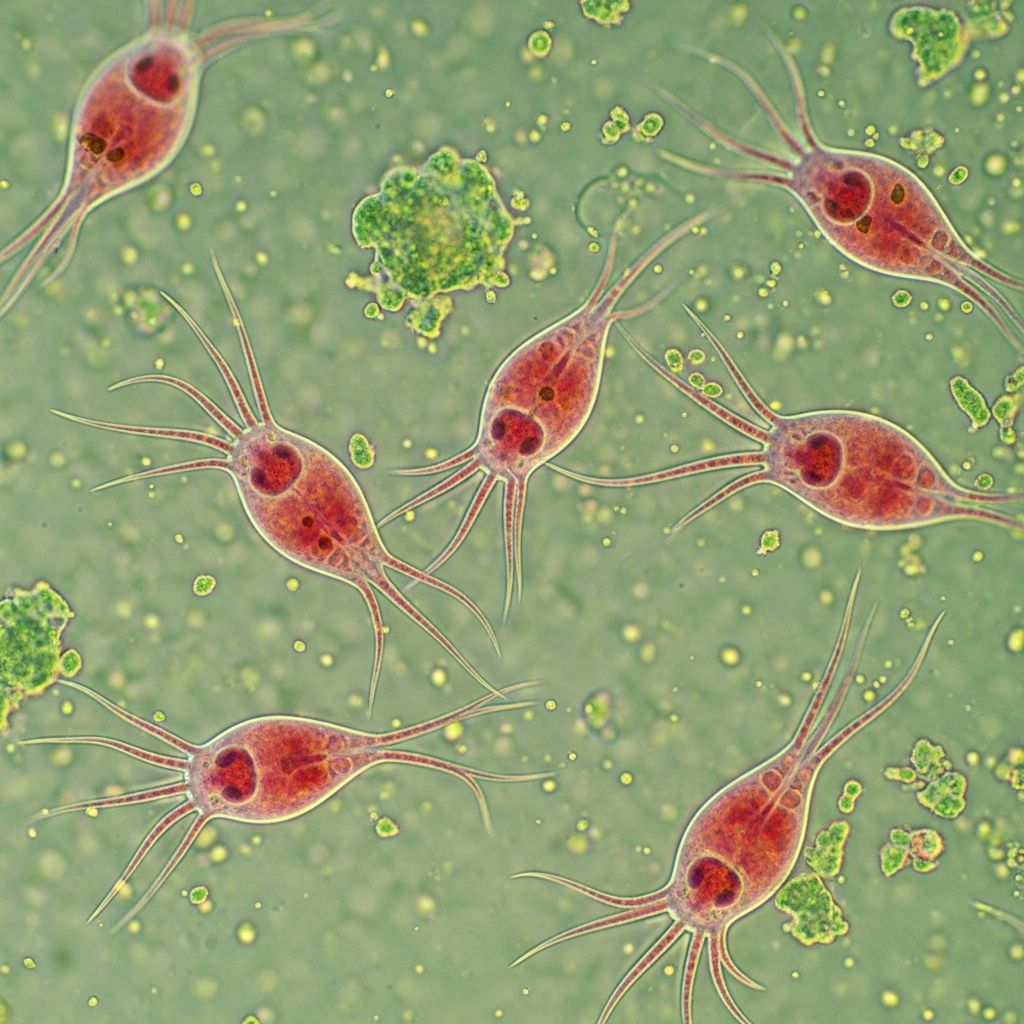
The commercial poultry industry faces numerous health challenges that directly impact productivity and profitability. Among these concerns, Cochlosoma anatis represents a significant parasitic threat to turkey and duck operations worldwide. This flagellated protozoan inhabits the intestinal tract of susceptible birds, causing economic losses through reduced growth performance, increased mortality, and compromised feed efficiency. Understanding the biology, transmission dynamics, and management strategies related to this parasite is essential for producers seeking to maintain healthy flocks and optimize production outcomes.
The Nature of the Causative Organism
Cochlosoma anatis belongs to a unique class of single-celled parasites known as flagellated protozoans, organisms that utilize specialized appendages called flagella for locomotion. This particular protozoan measures approximately 6-12 micrometers in length and 4-7 micrometers in width, making it visible only under microscopic examination. The organism possesses a distinctive pyriform (pear-shaped) body structure with a characteristic adhesive disc located on the anteroventral surface, enabling it to attach firmly to the intestinal tissue of infected birds.
The movement of Cochlosoma anatis within the intestinal environment is notably distinctive, exhibiting a jerking or twitching motion pattern that differs from the smooth gliding movement of other parasitic protozoans. The organism contains a single nucleus and depends entirely on its flagella for navigation through the intestinal contents. This morphological and behavioral profile distinguishes Cochlosoma anatis from other pathogenic organisms that may affect poultry intestinal health, facilitating identification during laboratory analysis.
Host Range and Affected Species
While Cochlosoma anatis is most economically significant in commercial turkey and duck operations, its host range extends considerably beyond these primary production species. The parasite naturally infects geese, various wild bird species, and other waterfowl populations, creating a potential reservoir for infection. This broader host range presents important implications for biosecurity management, as wild birds and feral waterfowl populations may serve as continuous sources of infection for contained commercial flocks.
The infection occurs across different age groups, though epidemiological evidence suggests that younger birds experience more severe clinical manifestations. Immature birds, whose intestinal immune systems remain underdeveloped, show heightened susceptibility to infection and experience more pronounced pathological changes when exposed to the parasite. This age-related vulnerability necessitates particular attention during the critical early production phases when birds are most economically important and nutritionally demanding.
Transmission Mechanisms in Poultry Environments
Understanding how Cochlosoma anatis spreads within and between poultry flocks is crucial for implementing effective prevention strategies. Research has documented lateral transmission between turkeys, though successful infection requires direct contact between infected and susceptible birds. The parasite propagates through contaminated fecal material, with infected birds shedding trophozoites that remain viable in the environment under appropriate moisture and temperature conditions.
Interestingly, while molecular analysis using PCR assays has identified Cochlosoma anatis on house flies within poultry facilities, no conclusive evidence has established that these insects effectively transmit viable parasites between birds. This suggests that although flies may mechanically carry parasitic material, they do not appear to serve as competent biological vectors. The primary transmission pathway remains fecal-oral contact, highlighting the importance of sanitation practices in disease prevention.
Multiple predisposing factors influence transmission efficiency and disease manifestation within a flock. Co-infections with other pathogenic organisms, including Trichomonas and Giardia species, significantly increase the likelihood of clinical disease development. Nutritional status, environmental stress, management practices, and concurrent viral or bacterial infections all contribute to the overall disease burden when Cochlosoma anatis is present in the intestinal environment.
Clinical Manifestations and Disease Presentation
The clinical presentation of cochlosomiasis demonstrates considerable variability, reflecting ongoing scientific debate regarding the pathogenicity of Cochlosoma anatis in avian species. Infection with the parasite alone may not consistently produce observable clinical signs, complicating diagnosis and assessment of disease severity. However, when co-infections are present, affected birds typically exhibit gastrointestinal distress characterized by diarrhea, variable appetite, and reduced feed consumption.
Infected birds frequently demonstrate:
- Watery or pasty diarrhea
- Weight loss or failure to thain expected growth rates
- Reduced feed intake and feed conversion efficiency
- General lethargy and reduced activity levels
- In severe cases, increased mortality rates
The economic impact of cochlosomiasis extends beyond direct mortality, encompassing production losses from reduced growth rates, extended time to market, and increased feed costs per unit of gain. Young birds are particularly vulnerable to severe clinical manifestations, making infection during brooding or early rearing phases especially costly for producers. Microscopic examination of infected intestinal tissue reveals that Cochlosoma anatis attaches directly to the mucosal surface, yet paradoxically, no obvious structural damage is typically visible under standard light microscopy despite the clinical signs observed.
Diagnostic Approaches and Laboratory Identification
Accurate diagnosis of cochlosomiasis requires specialized laboratory techniques and careful sample handling procedures. The primary diagnostic method involves light microscopy examination of intestinal scrapings or fresh fecal material. Samples must be analyzed within approximately two minutes of collection to ensure proper identification, as Cochlosoma anatis becomes immobile when exposed to temperature reduction or prolonged storage. This strict time requirement reflects the organism’s sensitivity to environmental conditions and necessitates rapid transport and analysis of samples.
The microscopic appearance of Cochlosoma anatis in fresh preparations displays characteristic movement patterns and morphological features that experienced parasitologists recognize. The 6-12 micrometer length and distinctive jerking motion pattern facilitate identification when samples are examined promptly. Additionally, polymerase chain reaction (PCR) assays provide highly sensitive and specific detection methods, particularly valuable for confirming infections when microscopic findings are ambiguous or when researchers need to evaluate environmental contamination levels.
Sample collection techniques significantly influence diagnostic accuracy. Intestinal mucosal scrapings obtained directly from infected birds provide higher organism concentrations than fecal samples alone. The adhesive nature of Cochlosoma anatis, which causes firm attachment to intestinal tissue, means that organisms must be mechanically dislodged from the mucosa to obtain representative samples. Proper sample preservation and rapid analysis remain critical factors in obtaining reliable diagnostic results across all available methodologies.
Disease Prevention and Biosecurity Strategies
Preventing Cochlosoma anatis infection requires comprehensive biosecurity measures designed to exclude the parasite from poultry facilities and minimize transmission within existing flocks. Several key prevention strategies have proven effective in commercial operations:
Source Control and Flock Composition: Maintaining single-age flocks eliminates the risk of disease transmission from older infected birds to younger, susceptible populations. Multi-age flock systems create complex epidemiological situations where parasites persist and continuously circulate among birds of different ages. Acquiring birds only from disease-free sources with documented health screening programs substantially reduces introduction risk.
Facility Management and Sanitation: Complete environmental decontamination between production cycles is essential for preventing persistent infections in facilities. Parasitic cysts and resistant forms may survive in housing materials, flooring, and equipment for extended periods. Disinfection protocols utilizing appropriate antimicrobial agents and thorough cleaning procedures eliminate environmental contamination, breaking the transmission cycle between successive flocks.
Wildlife Management: Restricting wild bird and small rodent access to poultry facilities prevents introduction of Cochlosoma anatis from wildlife reservoirs. Installing bird netting, rodent control programs, and limiting feed exposure to wildlife significantly reduce infection pressure. Wild waterfowl populations, which naturally harbor the parasite, should be excluded from proximity to commercial poultry operations.
Quarantine and Introduction Protocols: Isolating newly introduced birds for observation periods before integrating them into main flocks allows detection of infections prior to establishment. Monitoring quarantined birds for clinical signs and parasitic shedding provides valuable information for health assessments before full-flock exposure.
Current Treatment Limitations and Management Alternatives
A significant challenge in managing cochlosomiasis involves the absence of approved pharmaceutical treatments for commercial poultry production. While certain antimicrobial compounds demonstrate efficacy against Cochlosoma anatis, regulatory restrictions and food safety concerns limit their practical application in food-producing animals.
Historically, nitroimidazole and nitarsone compounds have shown effectiveness in eliminating infections when administered to infected birds. However, these medications face regulatory prohibition for extra-label use in commercial poultry within the United States due to concerns regarding harmful residues that may persist in meat or eggs. Similar restrictions exist in many international markets, effectively eliminating these options as practical treatment strategies for producers.
The absence of effective pharmaceutical treatments has prompted investigation into alternative management approaches. Emerging research focuses on nutritional and probiotic interventions designed to optimize intestinal health and enhance local immune responses. Botanical-derived compounds that improve intestinal mucosa integrity and strengthen the intestinal barrier function show promise in reducing parasitic burden and clinical disease manifestation. These approaches operate through supporting overall intestinal health rather than directly eliminating parasites, offering potential risk reduction when infection occurs.
No vaccine candidates currently exist for cochlosomiasis, eliminating immunological prevention as a management option. This absence underscores the importance of maintaining robust biosecurity and environmental management practices as the primary disease prevention tools available to producers.
Frequently Asked Questions About Cochlosomiasis
What are the early warning signs that a flock may be affected?
Early indicators include unexplained diarrhea in young birds, failure to achieve expected growth rates, and increased water consumption. If multiple birds within an age group simultaneously develop clinical signs, parasitic involvement should be considered, particularly when conventional viral or bacterial screening proves negative.
How can producers distinguish cochlosomiasis from other intestinal diseases?
Definitive diagnosis requires laboratory examination. However, the consistent presence of watery diarrhea in young birds without response to standard antibiotic therapy may suggest parasitic involvement. Coordinating with diagnostic laboratories using appropriate sample handling protocols provides accurate identification and guides management decisions.
Are infected birds permanent carriers after recovery?
The chronicity of infection and probability of spontaneous clearance remain incompletely understood. Some birds may continue shedding parasites despite apparent clinical recovery, potentially maintaining infection within the flock. This possibility reinforces the importance of preventing initial infection through biosecurity.
Can Cochlosoma anatis affect human health?
No documented human infections or zoonotic transmission have been reported. The parasite demonstrates strict host specificity for avian and certain animal species, with no evidence of pathogenicity in humans. Producers and workers may handle infected material without personal health concern.
Economic Significance and Industry Impact
The economic importance of cochlosomiasis in commercial poultry production continues increasing as pharmaceutical treatment options become unavailable. The financial burden extends beyond direct mortality losses to encompass reduced feed efficiency, extended production cycles, and lost market value from undersized birds. Young turkey flocks appear particularly susceptible to severe economic impact, with some operations reporting production losses of 5-10% or more when infections become established.
The combination of treatment unavailability and increasing recognition of the parasite’s presence in commercial flocks has elevated cochlosomiasis to greater prominence within industry disease management discussions. Producers increasingly recognize that prevention through biosecurity represents the most economically viable approach, as treatment failures leave no remedial options once infection becomes established.
References
- Cochlosomiasis (Cochlosoma anatis) in Turkeys and Ducks — MSD Veterinary Manual. 2024. https://www.msdvetmanual.com/poultry/cochlosomiasis-in-turkeys-and-ducks/cochlosomiasis-cochlosoma-anatis-in-turkeys-and-ducks
- Identification of New Morphological and Life-Cycle Stages of Cochlosoma anatis and Experimental Transmission Using Pseudocyst — Evans, N., Evans, R., Fitz-Coy, S., Pierson, F., Robertson, J., and Lindsay, D., Avian Diseases, 2006. https://doi.org/10.1637/0005-2086(2006)50[22:IONMLA]2.0.CO;2
- Cochlosoma anatis: An Emerging Health Threat in Turkeys — WikiFarmer Agricultural Library. 2024. https://wikifarmer.com/library/en/article/cochlosoma-anatis-an-emerging-health-threat-in-turkeys
- Use of Pronutrients Against Cochlosomiasis in Turkeys — Veterinaria Digital. 2024. https://www.veterinariadigital.com/en/post_blog/cochlosomiasis-turkeys-intestinal-conditioner-optimizer-pronutrients/
- Cochlosoma anatis in Poultry and its Industry Implications — BioOne Complete Scholarly Research. 2024. https://bioone.org/journalArticle/Download?urlId=10.1637%2Faviandiseases-D-23-00080
Similar Articles








Read full bio of medha deb


