

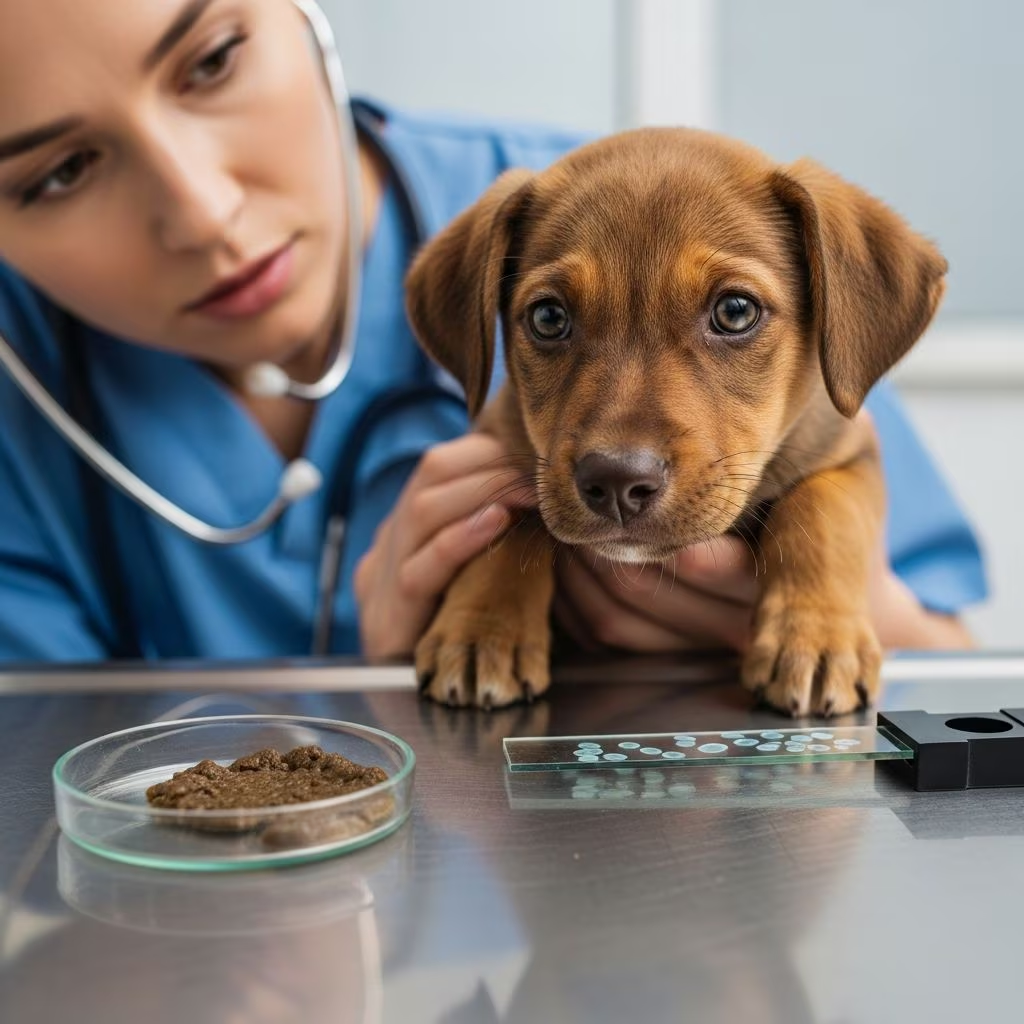
Coccidiosis represents one of the most prevalent parasitic infections affecting domestic dogs and cats, particularly in young animals and those housed in high-density environments. This protozoan infection primarily targets the intestinal epithelium, resulting in varying degrees of clinical manifestation depending on the animal’s age, immune status, and environmental conditions. While many infected animals remain asymptomatic, severe cases can lead to significant gastrointestinal compromise and systemic complications. Understanding the epidemiology, clinical presentation, diagnostic approach, and management strategies for this condition is essential for veterinary professionals and pet owners alike.
Recognition of Clinical Manifestations
The presentation of coccidial infection varies considerably across affected animals. In many instances, particularly in adult animals with competent immune systems, infection occurs without any observable clinical signs. These asymptomatic carriers may shed infectious oocysts in their feces, serving as potential sources of transmission to susceptible animals in shared environments.
When clinical illness does develop, gastrointestinal signs dominate the presentation. Diarrhea represents the most frequently observed clinical finding, ranging from mild and mucoid in character to severe and hemorrhagic presentations. In young kittens infected with Isospora felis or Isospora rivolta, particularly severe infections may progress to produce blood-tinged or frankly bloody fecal material. Beyond altered stool consistency, affected animals may experience:
- Loss of appetite and reduced food intake
- Progressive weight loss despite continued feeding attempts
- Signs of abdominal discomfort or pain
- Clinical dehydration from fluid losses
- General lethargy and reduced activity levels
The severity of clinical signs often correlates with the parasite burden and the age of the animal, with juvenile animals typically experiencing more pronounced illness than their adult counterparts.
Diagnostic Identification Strategies
Definitive diagnosis of coccidial infection relies on microscopic examination of fecal samples. Veterinarians typically perform fecal flotation techniques, wherein fecal material is mixed with specialized solutions that allow the microscopic oocysts to float to the surface for visualization under magnification. Multiple fecal samples collected on different days may be necessary, as oocyst shedding can be intermittent and variable.
The timing of fecal examination within the disease course affects diagnostic sensitivity. Early in infection, oocyst numbers may be insufficient for detection, while later in the clinical course, shedding becomes more consistent. If initial fecal examination proves negative but clinical suspicion remains high, repeat sampling is warranted. Conversely, detection of oocysts does not necessarily indicate that coccidiosis is the sole cause of clinical signs, as coinfections with other parasites and pathogens occur frequently.
Treatment Considerations and Pharmaceutical Management
General Approach to Infected Animals
A significant proportion of infected animals, particularly young puppies and kittens, spontaneously eliminate coccidial infections without requiring specific antiprotozoal therapy. In such cases, the therapeutic focus shifts toward supportive care measures. Maintaining appropriate environmental temperature, ensuring adequate hydration, and providing nutritional support become the cornerstone of management. Animals displaying mild clinical signs may recover with environmental optimization alone, provided they receive sufficient nursing care and monitoring.
Pharmacological Treatment Options
When clinical signs warrant pharmaceutical intervention, several antimicrobial and antiprotozoal agents have demonstrated efficacy against coccidial organisms.
| Medication Class | Specific Agent | Dosage | Duration | Status |
|---|---|---|---|---|
| Sulfonamide Antibiotics | Sulfadimethoxine | 50-60 mg/kg daily | 5-20 days | FDA-approved (US) |
| Sulfonamide Antibiotics | Trimethoprim-Sulfonamide | 30-60 mg/kg daily (halved for small dogs) | 6 days | Licensed in some regions |
| Triazine Antiprotozoals | Diclazuril | 5 mg/kg (single dose) | Once | Used in cats; limited dog data |
| Triazine Antiprotozoals | Ponazuril | 20-50 mg/kg | 2-5 days | Off-label use |
| Aminoglycoside-type | Amprolium | Variable | Variable | Unlicensed; used as drench |
Sulfadimethoxine stands as the only FDA-approved medication specifically licensed for coccidial treatment in the United States. This sulfa-class antibiotic has demonstrated long-standing efficacy and remains the first-line therapeutic choice for most practitioners. The medication exhibits good oral bioavailability and adequate gastrointestinal penetration to reach therapeutic concentrations at the site of parasitic infection.
Alternative agents become relevant when sulfonamide therapy proves ineffective, contraindicated due to patient sensitivity, or when repeated treatment cycles fail to resolve infection. Triazine compounds, particularly diclazuril and toltrazuril, have shown promise, especially in cattery and kennel settings where environmental management proves challenging. Ponazuril, while unlicensed in most jurisdictions, has gained recognition through off-label application in both canine and feline coccidiosis, with reported success rates comparable to conventional sulfonamides.
Supportive and Adjunctive Therapies
Beyond antiprotozoal medication, animals with moderate to severe illness frequently require additional therapeutic support. Intravenous fluid administration becomes necessary when dehydration develops secondary to diarrheal fluid losses. Gastrointestinal protectants, antiemetic medications to control nausea, and temporary dietary modifications employing bland, easily digestible formulations support intestinal recovery during the acute phase of illness.
Environmental Management and Prevention Protocols
Hygiene and Sanitation Measures
Environmental control represents perhaps the most critical component of coccidial management and prevention. Unlike many other parasites, coccidial oocysts demonstrate remarkable environmental resistance, persisting on contaminated surfaces for extended periods despite standard cleaning efforts. This resilience necessitates aggressive sanitation protocols.
Prompt removal of fecal material represents the cornerstone of environmental management. Animals should be removed from contaminated areas immediately after defecation, preventing oocyst sporulation and environmental accumulation. Housing areas must undergo thorough mechanical cleaning, removing organic debris where oocysts concentrate. Following initial cleaning, disinfection with appropriate agents is essential:
- Dilute chlorine bleach solutions (1 part bleach to 3.8 parts water) effectively inactivate oocysts
- Steam cleaning can destroy oocysts through thermal treatment
- Alternative disinfectants must be evaluated for efficacy, as many common agents prove insufficient
- Test small areas before widespread application, as bleach can damage certain surfaces
Prevention in Group Housing Situations
Catteries and kennels face particular challenges with coccidial transmission due to high animal density and shared environmental exposures. In such settings, prophylactic medication may be warranted despite the absence of clinical illness. Amprolium, though not formally approved, has been used as an oral drench in puppies, often with flavoring agents to improve palatability and facilitate administration. Triazine antiprotozoals, particularly diclazuril and toltrazuril, have found application as prophylactic agents in shelter and breeding facility settings, though such use typically represents off-label administration.
Individual Animal Management
Following completion of therapeutic medication, infected animals should undergo bathing to remove surface oocysts and reduce reinfection risk. The treatment environment must be thoroughly disinfected before the animal returns, as reinfection from environmental contamination represents a significant clinical problem.
Treatment Response and Long-term Outcomes
Most animals displaying clinical signs of coccidiosis respond favorably to appropriate therapeutic intervention. Dogs and cats typically show symptomatic improvement within days of beginning appropriate medication, with complete resolution of clinical signs occurring over the course of therapy. Veterinary follow-up examination and repeat fecal testing verify parasitic clearance and confirm treatment success.
Complications arise primarily in young animals experiencing severe infection. Puppies and kittens with substantial parasitic burdens or concurrent infections may develop serious systemic illness, including severe dehydration, secondary bacterial infection, and in rare circumstances, life-threatening complications. However, with appropriate supportive care, even severely affected young animals typically recover well.
Reinfection represents a common occurrence without rigorous environmental management. Animals may be reexposed to oocysts from inadequately disinfected environments or from continued fecal contamination. This risk necessitates ongoing attention to sanitation and hygiene throughout the treatment period and afterward.
Special Considerations for Specific Patient Populations
Young animals warrant heightened clinical attention, as juveniles typically experience more severe manifestations than adults. Kittens and puppies with heavy parasitic burdens may require intensive supportive care including parenteral fluid administration, nutritional supplementation, and close monitoring for complications. Adult animals, by contrast, frequently overcome infection through innate immunity with minimal intervention beyond environmental management.
Animals in high-density housing situations face increased transmission risk and may benefit from prophylactic approaches. Regular fecal monitoring, prompt treatment of detected infections, and meticulous environmental sanitation help minimize disease prevalence in such populations.
Frequently Asked Questions About Coccidiosis
Does every infected animal require medication?
No. Many infections, particularly in older animals or those with competent immune systems, resolve spontaneously without pharmaceutical intervention. However, animals displaying clinical signs benefit from treatment that accelerates recovery and reduces environmental contamination.
How long does treatment typically require?
Treatment duration varies depending on the medication selected, ranging from a single dose for some agents to 5-20 days for conventional sulfonamide therapy. Veterinarians determine the appropriate duration based on clinical response and individual patient factors.
Can coccidiosis be prevented entirely?
While complete prevention proves difficult, the infection risk is substantially reduced through rigorous hygiene, prompt fecal removal, regular environmental disinfection, and careful sanitation practices. Prophylactic medication may be considered in high-risk settings.
Is coccidiosis contagious to humans?
Coccidial organisms affecting dogs and cats are species-specific and do not infect humans, though basic hygiene precautions remain prudent when handling infected animals or contaminated materials.
Conclusion: Integrating Knowledge into Clinical Practice
Coccidiosis remains a manageable parasitic infection when approached through comprehensive understanding of disease pathophysiology, appropriate diagnostic methodology, judicious pharmaceutical selection, and rigorous environmental management. While many infected animals resolve their infection independently, clinical disease warrants intervention to accelerate recovery and prevent transmission. Modern antiprotozoal medications, particularly FDA-approved sulfadimethoxine, provide effective treatment options, while environmental control measures represent the foundation of long-term prevention and management success.
References
- Coccidiosis of Cats and Dogs – Digestive System — Merck Veterinary Manual. Accessed February 2026. https://www.merckvetmanual.com/digestive-system/coccidiosis/coccidiosis-of-cats-and-dogs
- Coccidia Treatment Guidelines — Companion Animal Parasite Council (CAPC). Accessed February 2026. https://capcvet.org/guidelines/coccidia/
- Coccidia in Dogs: Symptoms, Treatment, and Prevention — PetMD. Accessed February 2026. https://www.petmd.com/dog/conditions/infectious-parasitic/coccidia-in-dogs
- Coccidia in Dogs — Cornell University College of Veterinary Medicine, Riney Canine Health Center. Accessed February 2026. https://www.vet.cornell.edu/departments-centers-and-institutes/riney-canine-health-center/canine-health-topics/coccidia-dogs
- Coccidiosis in Cats — VCA Animal Hospitals. Accessed February 2026. https://vcahospitals.com/know-your-pet/coccidiosis-in-cats
- Coccidia in Cats — Small Door Veterinary. Accessed February 2026. https://www.smalldoorvet.com/learning-center/medical/coccidia-in-cats
- Coccidiosis in Dogs — VCA Animal Hospitals. Accessed February 2026. https://vcahospitals.com/know-your-pet/coccidiosis-in-dogs



