

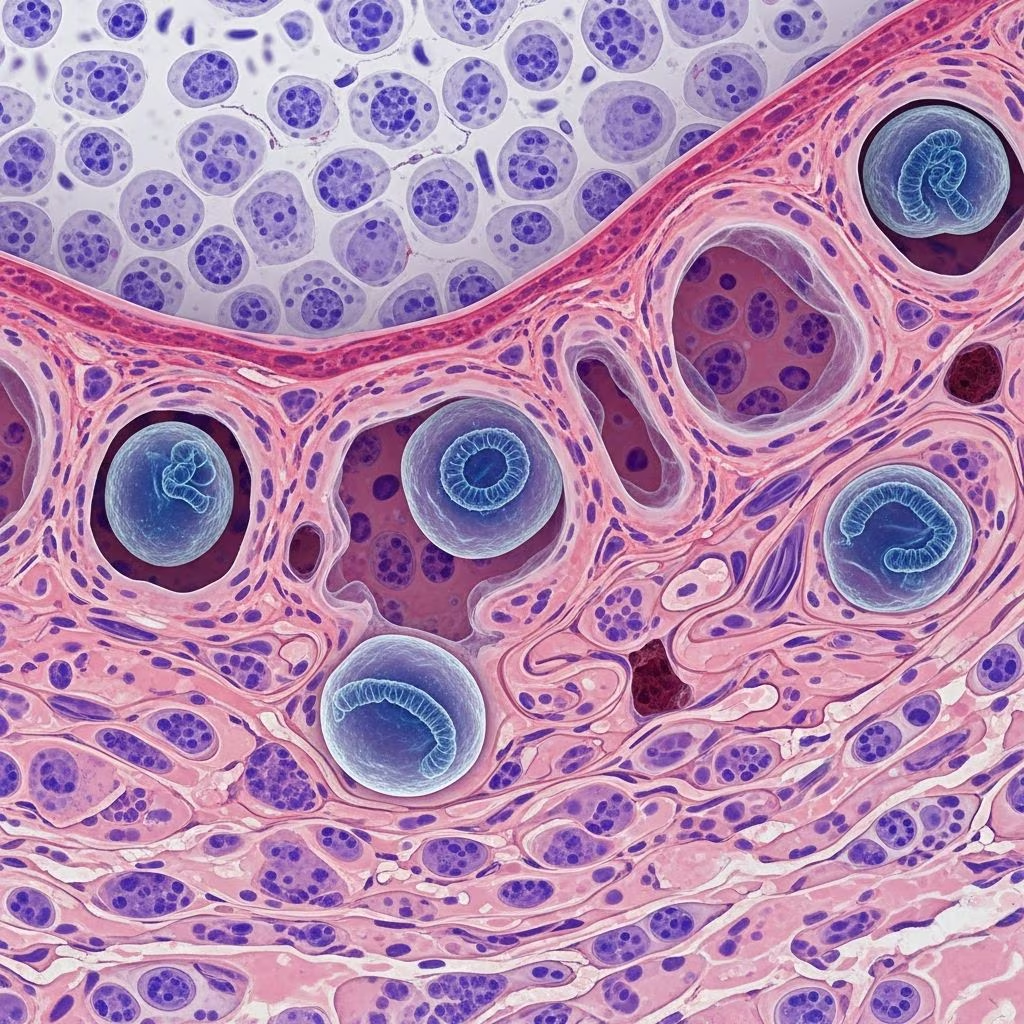
Coccidiosis stands as one of the most prevalent and economically damaging diseases in poultry production worldwide. This intestinal infection arises from protozoan parasites belonging to the genus Eimeria, which target specific segments of the bird’s gut, leading to inflammation, reduced nutrient uptake, and potential mortality. Young birds, particularly those between 2-6 weeks old, face the highest risk due to their developing immune systems and exposure in crowded or damp environments.
The Biology of Eimeria Parasites
These single-celled organisms complete their life cycle within the host’s intestinal cells. Infection begins when birds ingest sporulated oocysts—resilient, egg-like structures shed in feces—that survive in moist, warm conditions for months. Once inside the gut, oocysts release sporozoites that invade epithelial cells, multiply rapidly through asexual and sexual stages, and burst forth to damage tissue while producing new oocysts for reinfection or spread.
Several Eimeria species affect chickens, each with preferences:
- E. acervulina: Impacts the upper small intestine, common in 2-4 week olds, causing whitish diarrhea.
- E. maxima: Targets the mid-intestine, affecting 3-5 week olds with orange mucus in droppings.
- E. tenella: Cecal specialist in 4-6 week olds, notorious for bloody cecal contents.
Other species like E. necatrix and E. brunetti contribute to severe cases, exacerbating gut damage and secondary infections.
Recognizing Clinical Signs Early
Early detection is crucial as subclinical infections quietly impair growth while clinical outbreaks can decimate flocks. Common indicators include:
- Bloody or watery diarrhea, often the hallmark sign.
- Lethargy, ruffled feathers, and huddling.
- Pale combs and wattles from anemia.
- Reduced feed and water intake leading to weight loss.
- Dehydration, poor growth in chicks, and sudden deaths in severe cases.
Symptoms vary by species and infection intensity; for instance, E. acervulina produces whitish droppings, while E. tenella yields bright red blood. Wet litter amplifies spread, creating a vicious cycle.
| Symptom | Associated Eimeria Species | Severity Level |
|---|---|---|
| Bloody diarrhea | E. tenella, E. necatrix | High |
| Whitish/mucoid droppings | E. acervulina | Moderate |
| Lethargy & ruffled feathers | All species | Variable |
| Pale shanks/combs | E. tenella | High |
Risk Factors Fueling Outbreaks
Coccidiosis thrives under conditions favoring oocyst survival and transmission. Key triggers encompass:
- Environmental stressors: Warm, humid weather; overcrowded, soiled coops with wet litter.
- Host vulnerabilities: Young chicks, stressed, malnourished, or ill birds.
- Management lapses: Introducing infected birds, contaminated feed/equipment, or poor biosecurity.
Summer heat in small flocks heightens risks, as oocysts sporulate rapidly in damp bedding. Secondary bacterial issues like necrotic enteritis often follow, compounding losses.
Effective Treatment Strategies
Prompt intervention halts outbreaks. The cornerstone is anticoccidial drugs administered flock-wide via water or feed.
- Amprolium (Corid): Inhibits parasite thiamine uptake; mix per label for 5-7 days. Birds improve within 24-48 hours; repeat in humid conditions.
- Sulfa drugs: Effective but monitor for toxicity; vet oversight recommended.
- Ionophores (e.g., Narasin): Preventative mainstay in broilers, supporting immunity with low resistance.
Supportive care includes clean, dry bedding, electrolytes for hydration, and vitamins. Isolate sick birds and disinfect with ammonia solutions, as oocysts resist many cleaners.
Prevention: Building Resilient Flocks
Proactive measures outperform reactive treatments, minimizing drug reliance.
Biosecurity and Husbandry Best Practices
- Maintain dry litter by frequent changes; avoid overcrowding (e.g., 1 sq ft/chick, 4 sq ft/grower).
- Quarantine new birds; sanitize boots, tools, and feeders.
- Provide balanced nutrition with probiotics to bolster gut health.
Medication and Vaccination Approaches
Rotate anticoccidials to curb resistance. Vaccines like Paracox deliver attenuated oocysts, priming immunity—ideal for breeders and layers.
- Preventative Amprolium: Low-dose in water for at-risk chicks.
- Live vaccines: Spray or oral for uniform exposure, cycling with chemicals.
Integrate ionophores in starter feeds for broilers.
Economic and Production Impacts
Beyond mortality (up to 30% in naive flocks), coccidiosis slashes feed efficiency by 7-10%, delays gains, and hikes veterinary costs. Weaker immunity invites opportunists like Clostridium, inflating losses. Healthy management yields ROI through uniform flocks and premium meat/eggs.
Diagnostic Confirmation
Suspect cases warrant fecal floats or necropsy for oocyst counts and lesions (e.g., ballooned ceca in E. tenella). Labs distinguish from salmonellosis or worms.
FAQs on Coccidiosis Management
What is the fastest way to treat coccidiosis in chickens?
Amprolium in drinking water acts quickest, often showing results in 24 hours.
Can coccidiosis spread to other animals?
No, Eimeria species are host-specific to poultry.
Is vaccination safe for backyard flocks?
Yes, when administered correctly, it builds lifelong immunity without drugs.
How long do oocysts survive in soil?
Up to a year in cool, moist conditions; sunlight and dryness kill them.
Does apple cider vinegar help?
Anecdotal evidence suggests it aids gut health and treatment, but not a standalone cure.
In summary, vigilance against coccidiosis through hygiene, targeted prevention, and swift treatment ensures thriving poultry operations. Consult veterinarians for tailored plans, especially amid evolving resistance patterns.
References
- Coccidiosis in Chickens – Signs, Symptoms and Treatment — Dine A Chook. 2023. https://www.dineachook.com.au/blog/coccidiosis-in-chickens-signs-symptoms-and-treatment/
- What is Coccidiosis in Chickens? — Kalmbach Feeds. 2024. https://www.kalmbachfeeds.com/blogs/chickens/what-is-coccidiosis-in-chickens
- What is Coccidiosis in Poultry? — Elanco. 2023. https://my.elanco.com/en_gb/product-support/poultry/htsi-news-what-is-coccidiosis
- Coccidiosis & Your Chickens – What You Need to Know — Freedom Ranger Hatchery. 2023. https://www.freedomrangerhatchery.com/blog/coccidiosis-your-chickens-what-you-need-to-know/
- Managing Chicken Coccidiosis in Small Flocks During Summer — Penn State Extension. 2022-06-15. https://extension.psu.edu/managing-chicken-coccidiosis-in-small-flocks-during-summer
- Management and control of coccidiosis in poultry — A review — PMC (NCBI). 2023-12-01. https://pmc.ncbi.nlm.nih.gov/articles/PMC10766461/



