

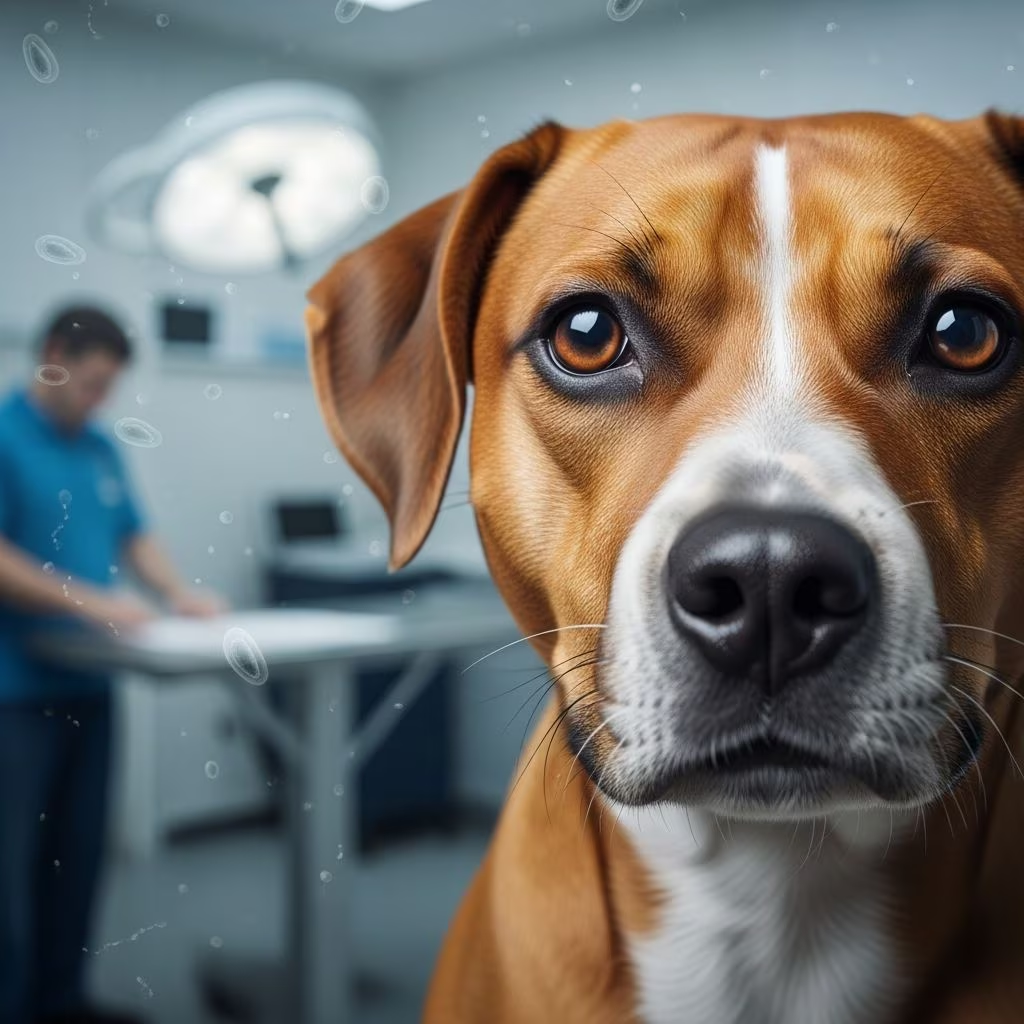
Coccidiosis in Dogs: A Comprehensive Guide to Understanding and Managing This Parasitic Infection
Coccidiosis is a common intestinal infection in dogs caused by microscopic parasites known as coccidia. This parasitic infection affects dogs of all ages but is particularly prevalent in puppies, dogs living in unsanitary conditions, or those experiencing high levels of stress. Understanding the signs, symptoms, and treatment options for coccidiosis is essential for every dog owner to ensure their pet’s health and well-being.
What Is Coccidiosis in Dogs?
Coccidiosis is an intestinal infection caused by protozoan parasites belonging to the genus Coccidia. These microscopic organisms invade the intestinal lining of dogs, causing inflammation and damage to the gastrointestinal tract. The infection is most commonly seen in puppies and young dogs whose immune systems have not fully developed, though dogs of any age can become infected under the right conditions.
The coccidia parasites live and reproduce within the intestinal epithelial cells, eventually releasing oocysts through fecal matter. This makes the infection highly contagious among dogs that come into contact with contaminated feces or environments. Dogs can become infected by ingesting food or water contaminated with these oocysts, making proper sanitation and hygiene crucial for prevention.
Risk Factors and Susceptibility
Certain dogs are more susceptible to developing coccidiosis than others. Puppies are particularly vulnerable because their immune systems are still developing and lack the ability to effectively fight off parasitic infections. Similarly, dogs experiencing stress, such as those in shelters, boarding facilities, or multi-dog households, face increased risk of infection.
Dogs with weakened immune systems, whether due to other illnesses, medications, or poor nutrition, are also at higher risk. Environmental factors play a significant role as well. Dogs living in unsanitary conditions, overcrowded facilities, or areas with poor sanitation practices are more likely to encounter and contract coccidia.
Common Symptoms of Coccidiosis
The symptoms of coccidiosis can vary in severity depending on the number of parasites present and the dog’s immune response. Dog owners should watch for the following signs:
- Watery, mucus-filled diarrhea, sometimes containing blood (bloody stools)
- Sudden and unexplained weight loss
- Dehydration and excessive thirst
- Decreased appetite or reluctance to eat
- Vomiting, particularly in severe cases
- Lethargy and general weakness
- Abdominal pain or discomfort
- Straining during bowel movements
Some dogs may be asymptomatic, meaning they carry the infection without showing obvious signs. In these cases, coccidia may be discovered during a routine fecal examination at a wellness visit with your veterinarian. Asymptomatic carriers can still shed oocysts and potentially transmit the infection to other dogs, making regular veterinary screening important.
Diagnosis of Coccidiosis
Diagnosing coccidiosis requires a fecal examination performed by a veterinarian. During this test, a sample of your dog’s stool is examined under a microscope to identify the presence of coccidia oocysts. Your veterinarian may recommend multiple fecal tests, as oocyst shedding can be intermittent, and a single negative test does not always rule out infection.
If your dog exhibits symptoms consistent with coccidiosis but initial fecal exams are negative, your veterinarian may recommend repeat testing or additional diagnostic procedures to identify the underlying cause of gastrointestinal symptoms.
How Is Coccidiosis Treated?
Prescription Medications
The primary treatment for coccidiosis involves prescription medications specifically designed to target and eliminate the parasites. Your veterinarian will select the most appropriate medication based on your dog’s condition and response to treatment.
Sulfadimethoxine (Albon®) is the most commonly prescribed treatment and is often the first-line choice. This sulfa-type antibiotic works by interfering with the parasite’s ability to reproduce, effectively stopping the infection cycle and allowing your dog’s immune system to clear the remaining organisms. Sulfadimethoxine typically requires prolonged treatment ranging from 5 to 20 days, depending on the severity of the infection.
The typical dosage of sulfadimethoxine is 50-60 mg/kg daily for the initial dose, with subsequent doses of 25 mg/kg per day for 1-3 weeks, or until 2-3 days after clinical signs resolve. It is absolutely essential to complete the full treatment regimen prescribed by your veterinarian, even if your dog’s symptoms improve before the medication is finished, as incomplete treatment can lead to recurrence.
If sulfadimethoxine does not clear the infection or your dog experiences adverse reactions, alternative medications are available:
- Ponazuril (Marquis®) – An antiprotozoal medication that is effective against coccidia
- Toltrazuril (Baycox®) – Another antiprotozoal option for dogs that don’t respond to sulfa drugs
- Diclazuril – A triazine antiprotozoal that may be effective in certain cases
- Trimethoprim-sulfadiazine combinations – Alternative sulfonamide treatment options
- Fenbendazole – An anthelmintic medication that may provide additional benefits
- Amprolium – Used in cases where other treatments are ineffective
Your veterinarian will discuss these treatment options with you and determine the best course of action based on your dog’s specific condition.
Supportive Care
While medications work to eliminate the parasite, supportive care is crucial for managing symptoms and helping your dog feel more comfortable during recovery. Proper supportive care addresses the symptoms caused by intestinal damage and helps prevent complications.
Hydration Management: Dehydration is one of the most serious complications of coccidiosis. Persistent diarrhea can quickly lead to dangerous fluid loss, especially in puppies and small dogs. Ensure your dog has constant access to fresh, clean water and monitor their drinking habits closely. For dogs experiencing significant dehydration, veterinary intervention with fluid therapy may be necessary. Your veterinarian might administer subcutaneous or intravenous fluids depending on the severity of dehydration.
Dietary Support: A bland diet can help soothe irritated intestines and reduce diarrhea. Consider feeding:
- Boiled white meat chicken (without skin or bones) mixed with white rice
- Small, frequent meals instead of large portions to reduce digestive stress
- Commercial sensitive stomach or prescription digestive formulas recommended by your veterinarian
Gradually reintroduce your dog’s regular food as symptoms improve. Rushing the transition back to normal diet can cause a setback in recovery.
Rest and Reduced Activity: Rest is equally important during recovery. Limit exercise and provide a quiet, comfortable space for your dog to recuperate. This helps conserve energy for healing and reduces stress that could worsen symptoms.
Regular Monitoring: Keep track of your dog’s appetite, stool consistency, energy levels, and overall condition. This information helps your veterinarian assess your dog’s progress and adjust treatment as needed.
Environmental Management
Eliminating coccidia from your dog’s environment is critical to preventing reinfection and transmission to other pets. While coccidia oocysts are resistant to most standard disinfectants, they are destroyed by steam and thorough cleaning.
Recommended environmental management practices include:
- Prompt removal and proper disposal of feces from your dog’s living areas
- Steam cleaning of kennels, bedding, and food bowls
- Bathing your dog to remove any contaminated hair or skin
- Frequent washing of all bedding materials in hot water
- Disinfecting food and water bowls with hot water
- Maintaining clean, dry living conditions with good ventilation
Recovery Timeline and Prognosis
With proper treatment, most dogs show significant improvement within 2-3 days of starting medication. Complete resolution of symptoms typically occurs within 1-2 weeks of treatment initiation. However, the exact recovery timeline depends on the severity of infection, your dog’s overall health status, and compliance with the full treatment regimen.
After completing treatment, a recheck fecal examination should be performed to confirm that the coccidia has been fully eliminated. Some dogs may require a second round of treatment to be completely cured, particularly in cases of severe infection or resistant organisms.
Prevention of Coccidiosis
Preventing coccidiosis is far easier than treating it. Effective prevention centers on good hygiene practices and environmental control:
- Maintain clean, dry living conditions for your dogs
- Remove feces promptly from all areas where dogs spend time
- Provide regular sanitation of kennels, runs, and indoor spaces
- Ensure access to clean water at all times
- Feed high-quality, nutritionally balanced diets
- Minimize stress through proper socialization and training
- Schedule regular veterinary wellness exams with fecal screening
- Practice quarantine procedures when introducing new dogs to multi-dog households
- Avoid overcrowding in kennels or boarding facilities
When to Contact Your Veterinarian
Contact your veterinarian immediately if your dog exhibits symptoms such as persistent diarrhea, lethargy, decreased appetite, vomiting, or blood in the stool. Early detection and prompt treatment are key to minimizing your dog’s discomfort and preventing complications. This is especially important for puppies and dogs with weakened immune systems, as severe coccidiosis can lead to serious health consequences.
Frequently Asked Questions About Coccidiosis in Dogs
Q: Can coccidiosis in dogs be transmitted to humans?
A: No, coccidia that infect dogs are species-specific and cannot be transmitted to humans. However, practicing good hygiene when handling infected dogs or their bedding is still recommended.
Q: How long does treatment for coccidiosis typically last?
A: Treatment typically lasts between 5 to 20 days, depending on the medication prescribed and the severity of infection. Always complete the full treatment regimen as directed by your veterinarian.
Q: Can a dog recover from coccidiosis on its own without treatment?
A: Some adult dogs with strong immune systems may clear mild infections without treatment, but medication significantly reduces recovery time and prevents complications. Treatment is especially important for puppies and immunocompromised dogs.
Q: Is coccidiosis contagious between dogs?
A: Yes, coccidiosis is contagious among dogs through contact with contaminated feces or environments. Proper sanitation and isolation of infected dogs are important to prevent transmission.
Q: What should I feed my dog while treating coccidiosis?
A: Feed a bland, easily digestible diet such as boiled chicken and white rice in small, frequent meals. Your veterinarian may recommend a commercial sensitive stomach formula or prescription digestive diet.
Q: How is coccidiosis diagnosed?
A: Your veterinarian performs a fecal examination under a microscope to identify coccidia oocysts. Multiple tests may be needed since shedding can be intermittent.
Q: Can coccidiosis recur after treatment?
A: Reinfection is possible if your dog is exposed to contaminated environments again. Maintaining proper hygiene and sanitation significantly reduces the risk of recurrence.
References
- Sulfadimethoxine Treatment for Coccidiosis — Companion Animal Parasite Council. 2024. https://capcvet.org/guidelines/coccidia/
- Coccidia in Dogs: Symptoms, Treatment, and Prevention — PetMD. 2024. https://www.petmd.com/dog/conditions/infectious-parasitic/coccidia-in-dogs
- Coccidiosis of Cats and Dogs – Digestive System — Merck Veterinary Manual. 2024. https://www.merckvetmanual.com/digestive-system/coccidiosis/coccidiosis-of-cats-and-dogs
- Coccidiosis in Dogs — VCA Animal Hospitals. 2024. https://vcahospitals.com/know-your-pet/coccidiosis-in-dogs
- Coccidia in Dogs — Small Door Veterinary. 2024. https://www.smalldoorvet.com/learning-center/medical/coccidia-in-dogs
- Coccidiosis of Cats and Dogs – Digestive System — MSD Veterinary Manual. 2024. https://www.msdvetmanual.com/digestive-system/coccidiosis/coccidiosis-of-cats-and-dogs
- What is Coccidia in Dogs — Broomfield Veterinary Hospital. 2024. https://broomfieldvet.com/blog/what-is-coccidia-in-dogs/



