Coccidia in Rabbits: Signs, Diagnosis & Treatment
Complete guide to coccidia in rabbits: Learn symptoms, diagnosis methods, and effective treatment options.
Understanding Coccidia in Rabbits
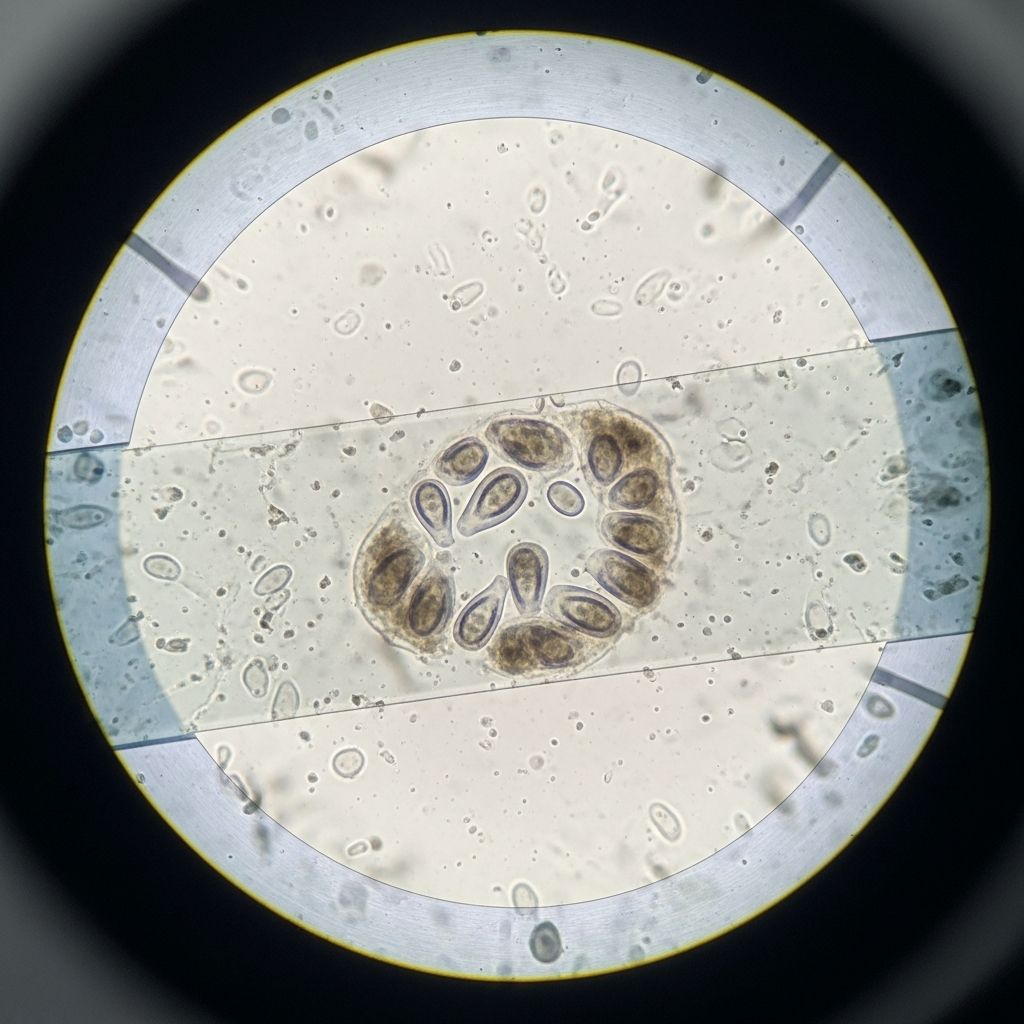
Coccidia is a parasitic infection that affects rabbits of all ages, though it is particularly dangerous for young rabbits and those with compromised immune systems. This intestinal disease is caused by protozoan parasites of the genus Eimeria, which invade the intestinal lining and can cause significant health complications if left untreated. Understanding coccidia, recognizing its signs, and knowing how to seek veterinary treatment are essential for rabbit owners who want to maintain their pets’ health and well-being.
The infection spreads through contaminated feces, making it common in environments where sanitation is poor or where multiple rabbits live in close proximity. While some rabbits may carry the organism without showing any symptoms, others can develop severe clinical signs that require immediate veterinary intervention.
What Are the Signs of Coccidia in Rabbits?
Many rabbits infected with coccidia show no symptoms or clinical signs at all. They simply carry the organism in their intestinal tracts and unknowingly pass it to other rabbits through their infected stool. However, when symptoms do appear, they can range from mild to severe depending on the rabbit’s age, immune status, and the severity of infection.
Primary Symptoms
If your rabbit shows signs of coccidia, you may notice the following:
– Watery, mucoid, or possibly blood-tinged diarrhea- Soft, mushy fecal pellets- Lethargy or lack of energy- Weakness, particularly in young rabbits who may be unable to stand properly- Not eating or loss of appetite- Weight loss- Dehydration or not drinking
Young rabbits can become particularly weak due to coccidia infection, sometimes becoming so frail they cannot stand on all four feet. The diarrhea associated with coccidia may be infrequent or intermittent, meaning it stops and starts again, which can make diagnosis challenging for rabbit owners.
Severe Symptoms
In advanced or severe cases, rabbits may experience additional complications. These can include liver issues, particularly in the hepatic form of coccidiosis where the liver becomes swollen and inflamed. Some rabbits may develop grayish-white, abscess-like lumps in the liver, and in rare cases, coccidia may cause paralysis, discharge from the mouth or nose, fever, and seizures.
How Does My Veterinarian Diagnose Coccidia in Rabbits?
Proper diagnosis is crucial for effective treatment. Your veterinarian will employ specific diagnostic techniques to confirm coccidia infection and determine the appropriate treatment plan.
Diagnostic Methods
Your veterinarian will likely examine a fecal smear under a microscope or perform a fecal floatation test to identify the presence of coccidia organisms or their cysts in the fecal material. This is the most common and reliable method for detecting coccidia in rabbits. However, since coccidia are not always excreted consistently, it’s important to collect fecal samples over at least two days, preferably three, before examination. The sample can be tested by your veterinarian’s office or sent directly to a laboratory for analysis.
Because coccidia oocysts may not be present in every fecal sample, even if infection is present, your veterinarian may recommend repeat testing if initial results are negative but clinical signs persist.
Treatment of Coccidia in Rabbits
Coccidia is a serious condition that requires prompt veterinary treatment. Untreated young rabbits can die rapidly from coccidiosis or its complications, and weakened or chronically ill adult rabbits are also at significant risk. The good news is that effective treatments are available when administered correctly and at the right time.
Oral Medications
Your veterinarian may recommend treatment at your home with oral medication. Several proven medications are available for treating coccidia:
– Toltrazuril (Baycox®): This is a widely used treatment administered at 10-15 mg/kg or 0.2-0.3 ml/kg. The 5% white solution is suitable for rabbits; the 2.5% clear solution is intended for poultry and should not be used in rabbits as it can cause severe irritation to mucous membranes. Toltrazuril is highly effective and targets the parasite at multiple stages of its life cycle. The modern treatment regimen is 2-5-2 (2 days of treatment, 5 days off, 2 days of treatment), which is better tolerated than the older 3-3-3 regimen.- Diclazuril (Vecoxan®): This medication is administered at 2.5 mg/kg or 1 ml/kg and is better tolerated than some alternatives, though it is less widely known. For asymptomatic animals with mild infections, a single dose or two consecutive days of treatment may be sufficient, while severe cases require the 2-5-2 regimen.
Important Treatment Considerations
For successful treatment of coccidia, it is essential to follow your veterinarian’s directions very carefully. Some rabbits may refuse food or have poor appetite after medication administration, so your veterinarian may need to adjust the dosage or discontinue the medication if adverse effects occur.
Supportive Care
During treatment, it is essential that your rabbit continues to eat a healthy diet. If your rabbit is not eating, you must syringe-feed it to ensure it does not become dehydrated. Dehydration is a serious concern in rabbits with coccidia and must be addressed through proper fluid management and nutritional support.
Prevention and Environmental Management
While treatment is important, prevention and proper environmental management are equally crucial for controlling coccidia in rabbit populations.
Sanitation Practices
The environment plays a critical role in coccidia transmission. Water crocks and feed hoppers should be disinfected and kept free of rabbit feces. Treatment of contaminated areas is important; 10% ammonia solution can be effective in disinfecting spaces. When treating carpeted areas, vacuum first to allow the anticoccidial product to penetrate more effectively.
Preventive Treatments
Sulfaquinoxaline administered continuously in drinking water at 0.04% for 30 days can prevent clinical signs of hepatic coccidiosis in rabbits heavily exposed to Eimeria stiedai. However, it may not prevent all lesions from developing.
Monitoring and Follow-Up Care
After beginning treatment, careful monitoring is essential. Relapse can be observed after one or two weeks following treatment completion, so continued observation of your rabbit’s fecal output and behavior is important.
If your rabbit is not improving or if symptoms worsen during treatment, contact your veterinarian immediately. They may recommend adjusting the dosage or discontinuing the medication altogether and trying an alternative treatment.
When to Contact Your Veterinarian
If your rabbit is experiencing any signs of coccidia—including diarrhea, reduced appetite, depression, lethargy, pale gums, painful abdomen, or blood or mucous in feces—make an appointment with your veterinarian as soon as possible. Early intervention significantly improves the chances of successful treatment and prevents serious complications.
Frequently Asked Questions About Coccidia in Rabbits
Q: Can rabbits recover completely from coccidia?
A: Yes, rabbits can recover completely from coccidia with proper veterinary treatment and supportive care. Young, otherwise healthy rabbits typically respond well to treatment when started promptly. However, untreated infections or delayed treatment can result in serious complications or death, particularly in young rabbits.
Q: Is coccidia contagious to humans?
A: No, coccidia in rabbits is not contagious to humans. However, it is highly contagious between rabbits through contaminated feces. Good hygiene practices when handling infected rabbits and their environments are still recommended.
Q: How long does coccidia treatment take?
A: Treatment duration varies depending on the medication and severity of infection. Most treatments involve 2-5 days of medication, followed by a break period, then another treatment course. Your veterinarian will provide specific instructions for your rabbit’s situation.
Q: Can indoor rabbits get coccidia?
A: While outdoor rabbits are at higher risk due to environmental contamination, indoor rabbits can also contract coccidia. This can occur through contaminated hay, bedding, or if the rabbit’s environment is not properly cleaned and maintained.
Q: What should I do if my rabbit stops eating during treatment?
A: If your rabbit stops eating during coccidia treatment, contact your veterinarian immediately. They may recommend syringe-feeding to ensure adequate nutrition and hydration. Do not attempt to force-feed without veterinary guidance.
Q: How can I prevent coccidia in my rabbit?
A: Prevent coccidia by maintaining clean living environments, regularly changing bedding, disinfecting water and food containers, avoiding contact with infected rabbits, and providing proper nutrition to support immune function. Ensure your rabbit has access to fresh hay and clean water daily.
References
- Coccidia in Rabbits — VCA Animal Hospitals. https://vcahospitals.com/know-your-pet/coccidia-in-rabbits
- Coccidia in Rabbits — How to Rabbit. https://how-to-rabbit.com/coccidia-in-rabbits/
- Protozoal Enteritis: Coccidiosis — MediRabbit. https://www.medirabbit.com/EN/GI_diseases/Protozoal_diseases/Cocc_en.htm
- Parasitic Diseases of Rabbits — Merck Veterinary Manual. https://www.merckvetmanual.com/exotic-and-laboratory-animals/rabbits/parasitic-diseases-of-rabbits
- Coccidiosis — PubMed Central, National Institutes of Health. https://pmc.ncbi.nlm.nih.gov/articles/PMC7152338/
- Coccidiosis and Your Rabbit — Vets4Pets. https://www.vets4pets.com/pet-health-advice/rabbit-advice/coccidiosis-and-your-rabbit/
Similar Articles







Read full bio of Sneha Tete