

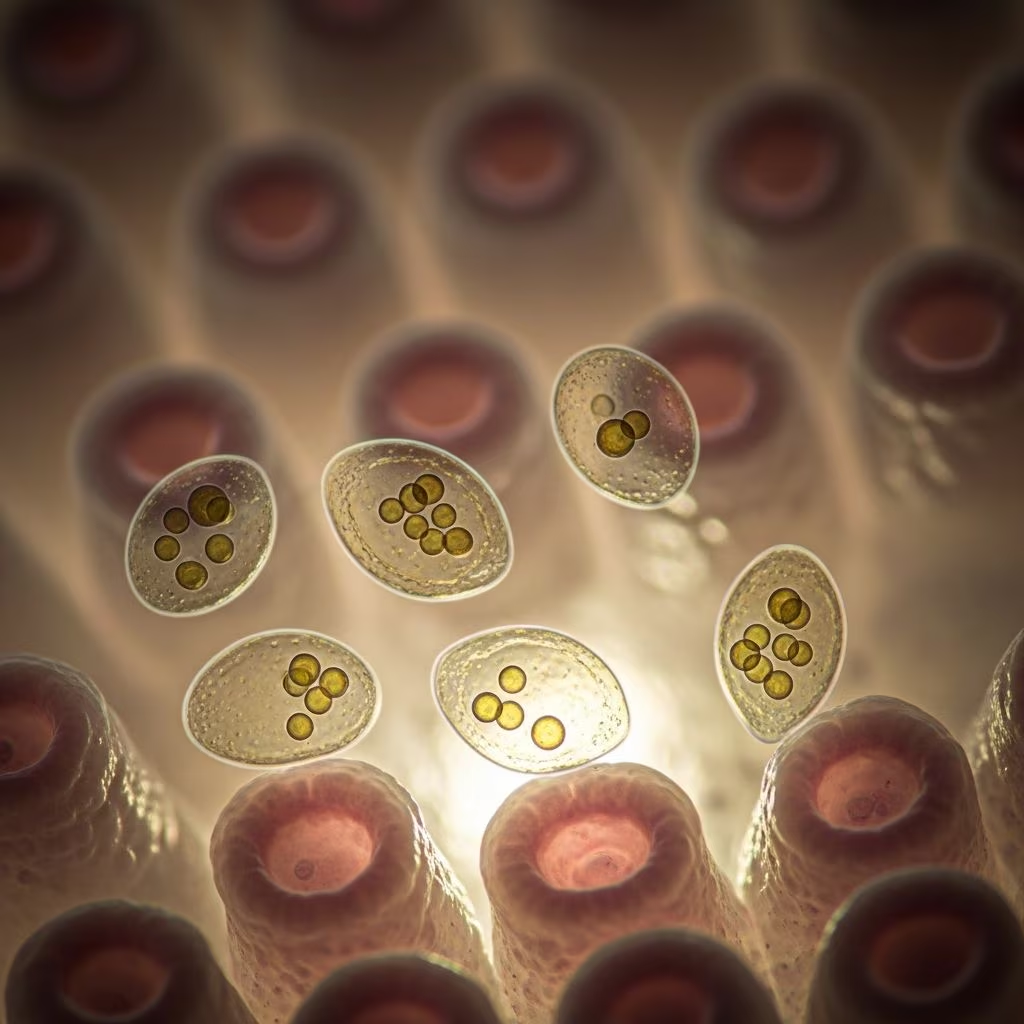
Coccidia are single-celled parasites that infect the intestines of dogs, leading to a condition known as coccidiosis. These protozoa primarily affect puppies and dogs with weakened immune systems, causing digestive upset that can range from mild to life-threatening if untreated.
Understanding the Nature of Coccidia Parasites
Coccidia belong to the genus Isospora, specifically species like Isospora canis that target canine hosts. Unlike larger worms, these microscopic organisms invade intestinal cells, multiplying rapidly and damaging the gut lining. The parasite’s life cycle involves hardy oocysts shed in feces, which become infectious after sporulation in the environment.
Adult dogs often carry coccidia without symptoms due to strong immunity developed over time. Puppies, however, lack this protection, making them prime targets in crowded kennels, shelters, or homes with poor sanitation.
Recognizing Symptoms of Coccidiosis
Many dogs harbor coccidia asymptomatically, with oocysts detected incidentally during routine fecal checks. When clinical signs appear, they stem from intestinal inflammation and fluid loss.
- Watery or mucousy diarrhea: Often yellow, green, or brown with a foul smell; blood may appear in severe cases.
- Lethargy and weakness: Dogs appear tired and reluctant to play.
- Loss of appetite: Refusal to eat leads to rapid weight loss.
- Dehydration signs: Sunken eyes, dry gums, and skin that tents when pinched.
- Vomiting and abdominal pain: Pups may whine or hunch over.
Symptoms escalate quickly in young pups, potentially causing collapse or death without intervention. Monitor stool consistency closely, especially in litters.
How Coccidia Spreads Among Dogs
Transmission occurs via the fecal-oral route. Infected dogs shed unsporulated oocysts in stool, which mature into infectious forms within hours to days under warm, moist conditions. Dogs ingest them by sniffing soil, licking contaminated surfaces, or eating tainted food/water.
Key risk factors include:
- Crowded environments like shelters or dog parks.
- Stress from weaning, travel, or illness suppressing immunity.
- Poor hygiene, such as delayed feces removal.
- Contact with infected wildlife or contaminated water sources.
Oocysts resist many disinfectants and can survive months in soil, perpetuating outbreaks in yards or kennels.
Veterinary Diagnosis Process
Suspected coccidiosis prompts a fecal flotation test, where vets centrifuge stool samples to concentrate oocysts for microscopic identification. Multiple samples may be needed since shedding is intermittent.
Differentiate from similar conditions like giardia, roundworms, or viral enteritis via acid-fast staining or PCR tests if available. Bloodwork assesses dehydration and secondary issues.
| Test Method | Purpose | Accuracy Notes |
|---|---|---|
| Fecal Flotation | Detect oocysts | Standard first-line; may miss low burdens |
| Fecal PCR | Confirm species | Highly sensitive for equivocal cases |
| Direct Smear | Quick check | Less reliable alone |
Effective Treatment Options
Treatment targets the parasite while supporting recovery. Not all infections require meds; healthy adults often self-resolve.
Primary Medications:
- Sulfadimethoxine (Albon): Sulfa drug at 50-60 mg/kg first day, then 25-50 mg/kg daily for 5-20 days. FDA-approved for dogs.
- Ponazuril (Marquis): 20-50 mg/kg for 1-5 days; effective alternative, often off-label.
- Toltrazuril or Diclazuril: Triazines for resistant cases; dosing per vet guidance.
Severe cases need hospitalization for IV fluids, anti-diarrheals, and probiotics. Repeat fecal tests 1-2 weeks post-treatment confirm clearance; re-treat if positive.
Supportive Care During Recovery
Recovery hinges on hydration and nutrition. Offer electrolyte solutions like unflavored Pedialyte, bland diets (boiled chicken/rice), and small frequent meals.
- Bathe dogs to remove oocysts from fur.
- Isolate infected pups to curb spread.
- Monitor weight and energy daily.
Full recovery takes 1-2 weeks with compliance. Concurrent deworming addresses mixed infections common in pups.
Prevention Strategies for Dog Owners
Proactive hygiene breaks the cycle:
- Daily yard cleanup: Remove feces immediately; dispose in sealed bags.
- Disinfect surfaces: Use 1:32 bleach solution or steam cleaners (oocysts resist ammonia-based products).
- Bathe and groom: Weekly baths post-outdoors; wash bedding in hot water.
- Limit exposure: Avoid high-risk areas until vaccinated/boosted.
- Routine vet checks: Fecal screens at every visit, especially for breeders.
No vaccine exists, but robust health via balanced diet and stress reduction bolsters resistance.
Special Considerations for Puppies and Breeding
Puppies under 6 months face highest risk due to immature guts. In litters, treat all littermates and dam preemptively if one shows signs.
Breeds like herding dogs in group settings need vigilant protocols. Pregnant dams can pass oocysts vertically, stressing newborns.
Potential Complications and Prognosis
Untreated severe cases lead to sepsis, organ failure, or death, rare in adults but possible in pups. Post-treatment, most dogs regain full health without lasting effects.
Chronic carriers shed intermittently; annual fecals monitor at-risk dogs.
Frequently Asked Questions (FAQs)
Can humans get coccidia from dogs?
No, canine coccidia species do not infect humans; species-specific.
How long is coccidia contagious?
Until treatment clears oocysts, typically 1-2 weeks; environment remains risky longer.
Is coccidia fatal in dogs?
Rarely in treated cases; puppies with dehydration face higher mortality.
Can I treat coccidia at home?
No, requires prescription meds and vet oversight.
How often should I fecal test my puppy?
Monthly until 6 months, then quarterly if high-risk.
Long-Term Management for Recurrent Cases
Dogs with immune issues (e.g., Addison’s) may need suppressive therapy. Integrate parasite preventives and probiotics for gut health.
References
- What is Coccidia in Dogs — Broomfield Veterinary Hospital. 2023. https://broomfieldvet.com/blog/what-is-coccidia-in-dogs/
- Coccidia in Dogs: Symptoms, Treatment, and Prevention — PetMD. 2024-01-15. https://www.petmd.com/dog/conditions/infectious-parasitic/coccidia-in-dogs
- Coccidia in Dogs — Small Door Veterinary. 2023. https://www.smalldoorvet.com/learning-center/medical/coccidia-in-dogs
- Coccidiosis in Dogs — VCA Animal Hospitals. 2024. https://vcahospitals.com/know-your-pet/coccidiosis-in-dogs
- Coccidiosis of Cats and Dogs — Merck Veterinary Manual. 2025-02-20. https://www.merckvetmanual.com/digestive-system/coccidiosis/coccidiosis-of-cats-and-dogs
- Coccidiosis in Pets: What You Need to Know — Mission Veterinary Clinic. 2023. https://missionvet.com/coccidiosis-in-pets-what-you-need-to-know/
- Coccidia — Companion Animal Parasite Council. 2024. https://capcvet.org/guidelines/coccidia/



