

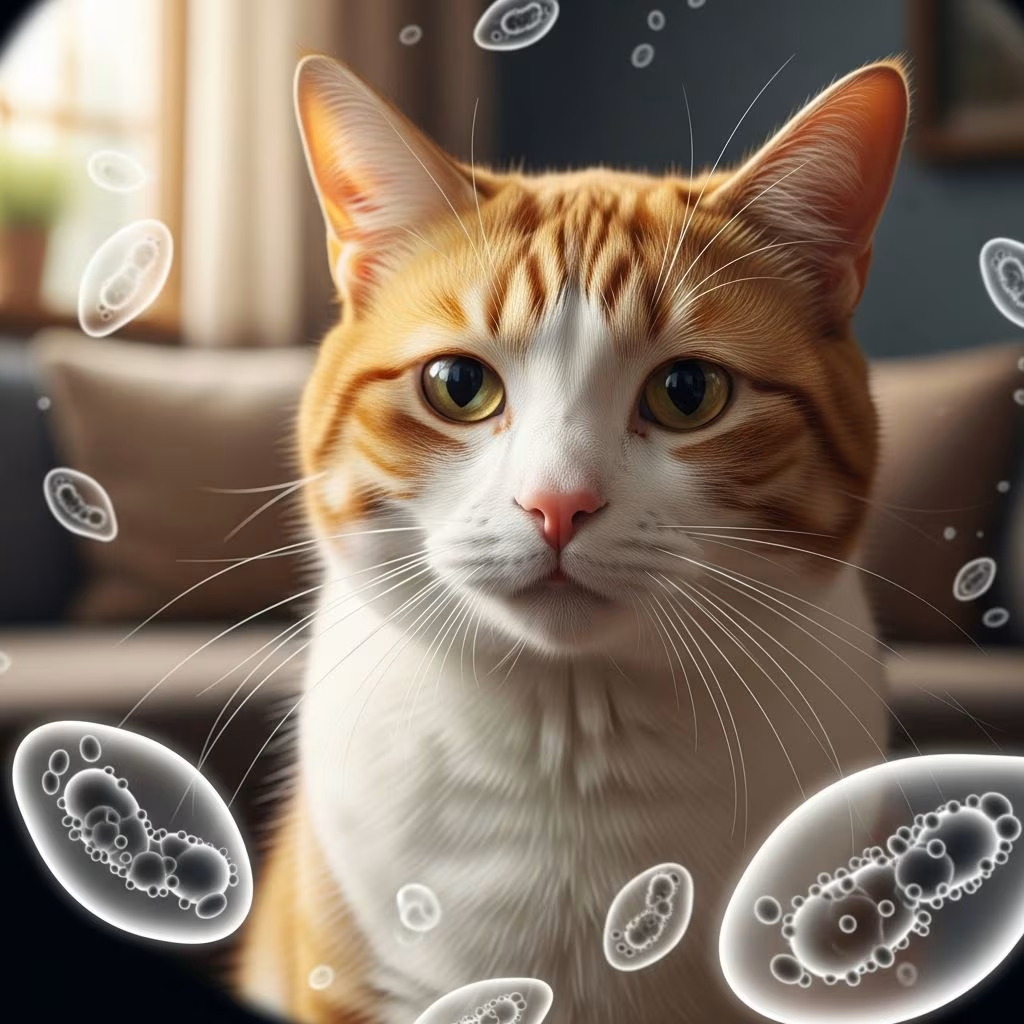
Coccidia are single-celled protozoan parasites that commonly infect the intestines of cats, leading to coccidiosis. This condition primarily affects kittens and immunocompromised felines but can impact any cat through ingestion of contaminated oocysts.
The Nature of Coccidia Parasites
Coccidia belong to the genus Isospora, with species like Isospora felis and Isospora rivolta specific to cats. These parasites invade intestinal lining cells, multiply, and release oocysts into feces, which become infectious within hours under favorable conditions. Oocysts can survive in the environment for up to a year, making reinfection common in unsanitary settings.
Unlike some parasites, most feline coccidia are host-specific and do not transmit to humans or dogs. However, certain types like Toxoplasma gondii and Cryptosporidium parvum are zoonotic, posing risks to pregnant women or immunocompromised people. Healthy adult cats often clear infections asymptomatically due to strong immunity, but vulnerable groups suffer more.
Risk Factors and Transmission Pathways
Cats acquire coccidia by ingesting sporulated oocysts from contaminated sources. Common transmission routes include:
- Contact with infected feces in litter boxes or shared environments.
- Contaminated food, water, or soil.
- Hunting and eating infected prey like rodents, which serve as intermediate hosts for species like Toxoplasma.
- Crowded conditions in shelters, catteries, or multi-cat homes.
High-risk cats include:
- Kittens under 6 months with immature immune systems.
- Outdoor hunters or raw meat feeders.
- Rescue or shelter cats.
- FIV/FeLV-positive or stressed felines.
Symptoms appear 3-11 days post-infection, varying by parasite load and host health.
Identifying Clinical Signs
The hallmark symptom is diarrhea, often watery, mucoid, or bloody, leading to dehydration and weight loss. Affected cats may show lethargy, reduced appetite, and dehydration signs like sunken eyes or tacky gums.
| Symptom | Common in | Severity |
|---|---|---|
| Watery/bloody diarrhea | Kittens | High |
| Weight loss | All ages | Moderate |
| Lethargy, weakness | Severe cases | High |
| Vomiting (rare) | Advanced | Low |
| Toxoplasma-specific: fever, respiratory issues | Immunocompromised | Variable |
Kittens face life-threatening dehydration, while adults may only have mild or no signs. Prompt veterinary attention is critical for young or symptomatic cats.
Diagnostic Approaches
Vets diagnose coccidiosis via fecal flotation to detect oocysts, often using centrifugation for accuracy. Multiple samples may be needed as shedding is intermittent. PCR tests confirm species, aiding in zoonotic risk assessment. Differentiate from other causes like giardia or coronavirus through history and exams. Bloodwork assesses dehydration and secondary issues.
Primary Treatment Strategies
Treatment targets the parasite while supporting recovery. Extra-label antimicrobials are standard:
- Sulfadimethoxine (Albon): 50-60 mg/kg daily for 5-20 days; first-line choice.
- Ponazuril or Toltrazuril: Effective coccidiocidal options, often fewer doses; compounded for cats.
- Sulfaguanidine: Alternative at 150-200 mg/kg for 6 days.
Severe cases require hospitalization for fluids and monitoring.
Supportive and Adjunctive Care
Beyond drugs, manage symptoms:
- Fluid therapy: Subcutaneous or IV to combat dehydration.
- Probiotics: Restore gut flora, e.g., FortiFlora.
- Diet: Bland, low-residue foods like boiled chicken/rice or prescription gastrointestinal diets.
- Anti-nausea meds: If vomiting occurs.
Most cats recover in 2-3 weeks with combined therapy.
Environmental Control Measures
Oocysts resist many cleaners, surviving months. Disinfect rigorously:
- Daily fecal removal; full litter changes every 1-2 days.
- Hot water wash (140°F+) for bedding/toys.
- Ammonia (10%), diluted bleach (1:32), or coccidia-specific disinfectants on surfaces.
- Steam cleaning for fabrics; isolate litter areas.
Dry surfaces fully post-disinfection.
Preventing Reinfection and Spread
Isolate infected cats during shedding (2-3 weeks post-treatment). Practice hygiene:
- Single-cat litter boxes scooped twice daily.
- Avoid raw diets; freeze meat.
- Limit outdoor access for kittens.
- Regular fecal screens in multi-cat homes.
- Prophylactic meds in high-risk environments.
Follow-Up and Monitoring
Re-test feces 2-4 weeks post-treatment to confirm clearance. Monitor weight, appetite, and stool quality. Persistent shedding warrants extended therapy. Vaccinate against related risks if available; maintain deworming schedules.
Special Considerations for Kittens and High-Risk Cats
Kittens demand aggressive intervention due to rapid dehydration. Hand-rearing with electrolytes and warmth boosts survival. Immunosuppressed cats may need longer treatment and toxoplasmosis screening. Zoonotic awareness: Cover litter boxes, wash hands.
FAQs
Can humans catch coccidia from cats?
Most feline coccidia are not zoonotic, but Toxoplasma and Cryptosporidium can infect humans. Practice hygiene.
How long does coccidia last in cats?
With treatment, 2-3 weeks; oocysts persist environmentally up to a year.
Is coccidia fatal in kittens?
It can be if untreated due to dehydration, but early care saves most.
Can coccidia be seen in regular deworming?
No, requires fecal flotation; not covered by standard dewormers.
Prevent coccidia without meds?
Yes, via sanitation, isolation, and hygiene.
References
- Coccidiosis in Cats: 7 Essential Treatments You Should Know — The Pet Vet. 2023. https://thepetvet.com/coccidiosis-in-cats/
- Coccidia in Cats — PetMD. 2024-01-15. https://www.petmd.com/cat/conditions/infectious-parasitic/c_ct_coccidiosis
- Coccidia in Cats: Symptoms, Treatment & Prevention — Hill’s Pet. 2024. https://www.hillspet.com/cat-care/healthcare/coccidia-in-cats
- What to Know about Coccidia in Cats — WebMD. 2023-11-20. https://www.webmd.com/pets/cats/what-to-know-about-coccidia-in-cats
- Everything You Need to Know About Coccidia in Cats — PetCareRx. 2023. https://www.petcarerx.com/article/everything-you-need-to-know-about-coccidia-in-cats/1561
- Coccidia — Companion Animal Parasite Council. 2024. https://capcvet.org/guidelines/coccidia/



