

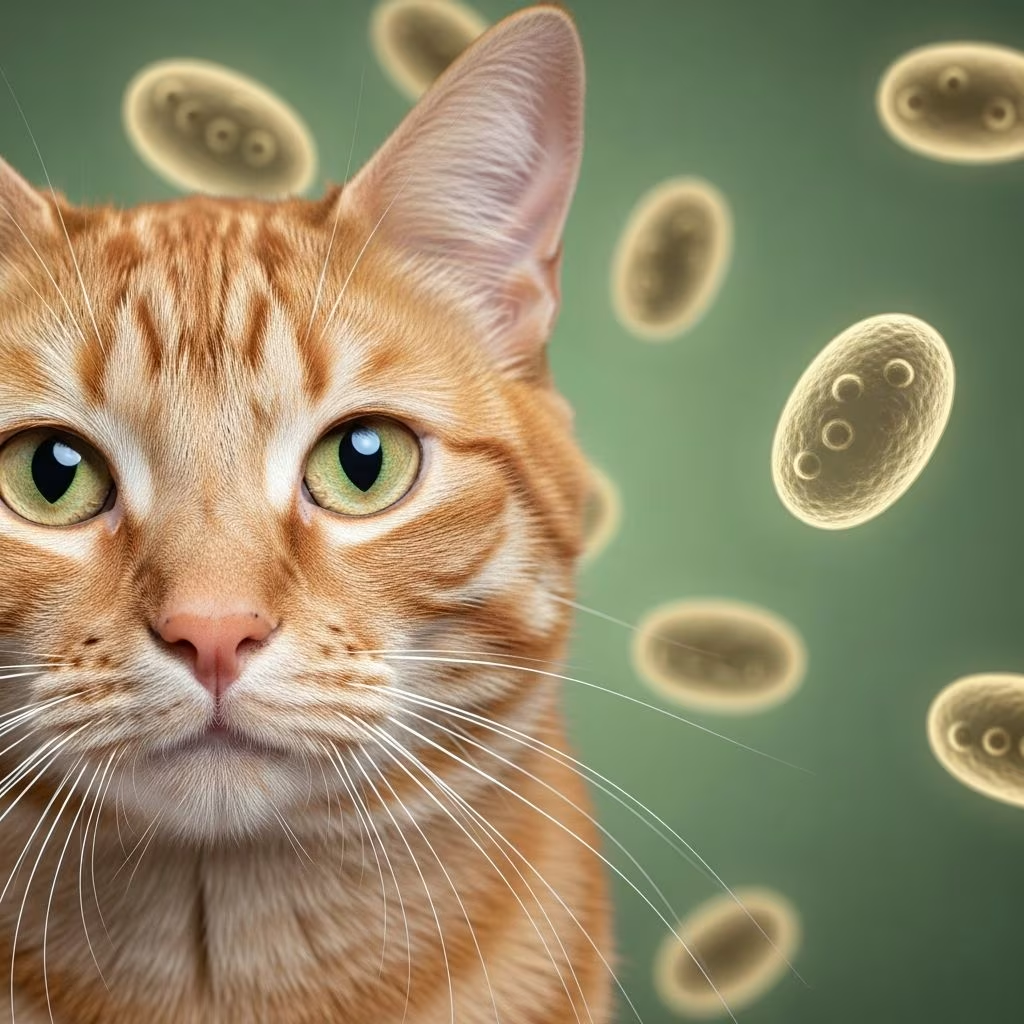
Coccidia represents a microscopic protozoan parasite that targets the intestinal tract of cats, often leading to an infection known as coccidiosis. This condition primarily affects young kittens but can impact cats of any age under stress or with weakened immunity. Understanding this parasite’s lifecycle, transmission routes, and management strategies is essential for cat owners to safeguard their pets’ digestive health.
Understanding the Nature of Coccidia Parasites
Coccidia belong to the genus Isospora, specifically Isospora felis in felines, which completes its lifecycle within a single host. The infectious stage, oocysts, is shed in feces and becomes infective after sporulation in the environment, typically within 1-5 days under warm, moist conditions. Cats ingest these oocysts through contaminated food, water, soil, or grooming after contact with infected feces. Unlike some parasites, coccidia do not require intermediate hosts, making direct fecal-oral transmission common in multi-cat homes, shelters, or catteries.
Once ingested, oocysts release sporozoites that invade intestinal lining cells, multiplying rapidly and causing tissue damage. This leads to inflammation and impaired nutrient absorption. Adult cats often harbor low-level infections asymptomatically due to robust immunity, but about one-third of U.S. cats carry coccidia without issues. Kittens, elderly cats, or those with concurrent illnesses face higher risks as their defenses falter.
Recognizing Symptoms Across Age Groups
Symptoms emerge 3-11 days post-infection, varying by parasite load, cat’s age, and health. Many infections remain subclinical, especially in healthy adults whose immune systems suppress the parasite. However, clinical coccidiosis manifests as:
- Watery, mucoid, or bloody diarrhea, sometimes foul-smelling.
- Dehydration from fluid loss, evident in sunken eyes, dry gums, and lethargy.
- Loss of appetite, vomiting, and abdominal pain.
- Fever, weakness, and weight loss in prolonged cases.
Kittens under 6 months are most vulnerable, potentially developing life-threatening dehydration or secondary bacterial infections. Severe cases may involve neurological signs like depression or convulsions if the parasite overwhelms the system. Adult cats typically show milder or no signs unless immunocompromised, such as by FIV, FeLV, or stress from boarding.
| Age Group | Common Symptoms | Severity Risk |
|---|---|---|
| Kittens (<6 months) | Severe watery/bloody diarrhea, dehydration, weakness | High – potentially fatal |
| Healthy Adults | Often asymptomatic or mild diarrhea | Low |
| Immunocompromised | Persistent diarrhea, weight loss, fever | Moderate to High |
How Vets Diagnose Coccidia Infections
Veterinarians rely on history, clinical signs, and lab tests for diagnosis. Fecal flotation or centrifugation reveals oocysts under microscopy, though differentiation from non-pathogenic species requires expertise. False negatives occur if shedding is intermittent, prompting repeat tests or zinc sulfate flotation for better sensitivity. PCR assays offer precise identification but are less routine due to cost.
Bloodwork assesses dehydration, anemia, or electrolyte imbalances, while ruling out differentials like giardia, trichomonas, or viral enteritis. Radiographs or ultrasound may check for intestinal thickening in severe cases. Early diagnosis prevents escalation, particularly in kittens.
Proven Treatment Approaches for Affected Cats
Most infections self-resolve in healthy cats, but symptomatic cases demand intervention. Primary treatment targets the parasite with antiprotozoal drugs, often combined with supportive care.
- Sulfadimethoxine (Albon): FDA-approved sulfa drug at 50-60 mg/kg daily for 5-20 days; palatable liquid form suits cats.
- Ponazuril (Marquis): Effective off-label at 20-50 mg/kg for 1-5 days; preferred in shelters for shorter courses.
- Toltrazuril (Baycox) or Diclazuril: Single-dose options for extralabel use, highly potent against oocysts.
Supportive measures include subcutaneous fluids for hydration, probiotics to restore gut flora, anti-emetics for nausea, and bland diets. Hospitalization aids severe kitten cases. Treat all household cats to curb spread, even if asymptomatic.
Steps for Full Recovery and Management
With prompt treatment, cats recover fully within days to weeks, regaining appetite and normal stools. Monitor for reinfection via follow-up fecal exams 2-3 weeks post-therapy. Protracted symptoms signal resistance or coinfections, necessitating drug switches. Nutritional support via highly digestible foods accelerates healing.
Many kittens eliminate infections spontaneously if kept warm and hydrated, but medication shortens suffering and contagion risk. Long-term, boost immunity through balanced nutrition, stress reduction, and routine deworming.
Critical Prevention Tactics for Cat Owners
Prevention hinges on breaking the fecal-oral cycle. Key strategies include:
- Daily litter box hygiene: Scoop feces promptly; use disposable liners in high-risk settings.
- Environmental disinfection: 1:32 bleach solution (1 cup bleach per gallon water) kills oocysts; rinse after 10 minutes. Steam cleaning or ammonia-based products work too, but test surfaces first.
- Quarantine new cats: Fecal test before integration.
- Limit hunting/outdoor access: Indoor cats or supervised outings reduce exposure via prey.
- Annual fecal screenings: Especially for hunters or shelter cats.
In catteries, prophylactic toltrazuril or amprolium may be used during high-risk periods, though not FDA-approved for cats. Fallow periods post-cleaning prevent oocyst survival.
Special Considerations for Kittens and Shelters
Kittens in litters spread coccidia rapidly via shared boxes. Early weaning and stress elevate risks; pair treatment with milk replacers and warmth. Shelters favor ponazuril for efficiency, treating cohorts to control outbreaks. Overcrowding amplifies transmission, underscoring isolation protocols.
Frequently Asked Questions About Coccidia
Can cats recover from coccidia without medication?
Yes, asymptomatic or mildly affected cats often clear it naturally via immunity, but symptomatic ones benefit from drugs to ease discomfort and halt spread.
Is coccidia contagious to humans or dogs?
No, feline coccidia species do not infect humans or dogs; species-specific.
How long is a cat contagious with coccidia?
During active shedding, up to 2 weeks post-infection; treatment reduces this.
Can coccidia return after treatment?
Yes, via reinfection from environment; rigorous cleaning prevents it.
What home remedies help with coccidia symptoms?
None replace vet care; hydration via wet food and rest support recovery, but consult professionals.
Long-Term Health Strategies Post-Infection
Post-recovery, fortify your cat’s resilience with high-quality protein diets rich in omega-3s, regular vet checkups, and parasite preventives. Stress management via enrichment toys and stable routines deters recurrences. Educate multi-pet households on hygiene to protect vulnerable members.
This guide equips owners with actionable insights, drawing from veterinary consensus for optimal feline care.
References
- Coccidia in Cats — PetMD. 2023. https://www.petmd.com/cat/conditions/infectious-parasitic/c_ct_coccidiosis
- Coccidiosis in Cats — VCA Animal Hospitals. 2023. https://vcahospitals.com/know-your-pet/coccidiosis-in-cats
- What to Know about Coccidia in Cats — WebMD. 2023. https://www.webmd.com/pets/cats/what-to-know-about-coccidia-in-cats
- Coccidiosis of Cats and Dogs — Merck Veterinary Manual. 2023. https://www.merckvetmanual.com/digestive-system/coccidiosis/coccidiosis-of-cats-and-dogs
- Coccidia — CAPC Guidelines. 2023. https://capcvet.org/guidelines/coccidia/



