

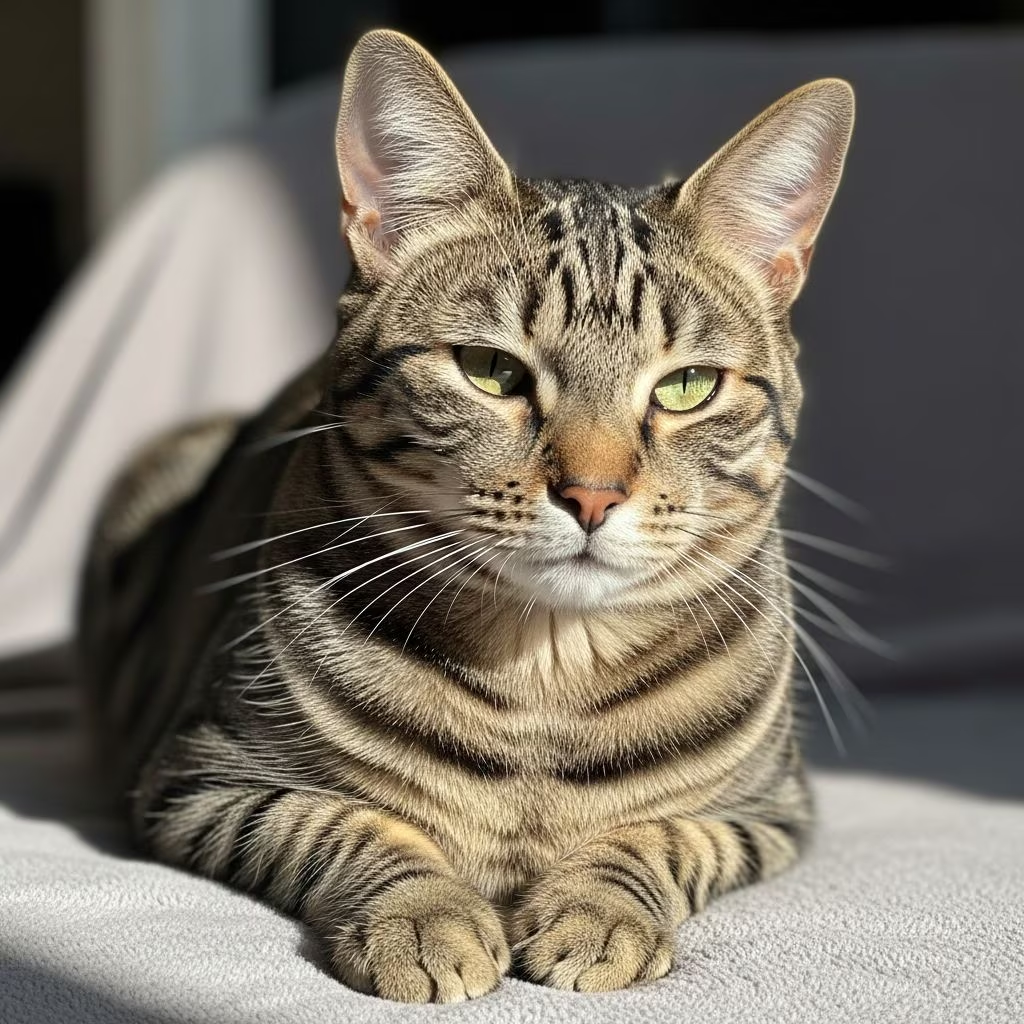
Coat and Skin Appearance in the Healthy Cat
The general condition of your cat’s skin and coat serves as one of the most reliable indicators of her overall health and wellbeing. A healthy coat should be shiny and smooth, not coarse or brittle, and healthy skin should be supple and clear, not greasy, flaky, or bumpy. These external characteristics reflect what’s happening internally, making regular assessment of your cat’s coat and skin an essential part of responsible pet ownership. Understanding the factors that contribute to a healthy feline coat and skin can help you identify potential health issues early and take appropriate action.
What Constitutes a Healthy Cat Coat and Skin
A healthy cat’s coat should display certain key characteristics that distinguish it from an unhealthy one. The hair should be shiny with a smooth texture, free from brittleness or coarseness. Similarly, the skin beneath should feel supple and appear clear, without excessive greasiness, flaking, or bumpy texture. These physical qualities aren’t merely aesthetic—they reflect proper hydration, nutritional status, and overall metabolic health.
The skin is the body’s largest organ, and its cells turn over rapidly. For most cats, virtually all skin is covered with hair that is shed and replaced several times yearly. To maintain the skin and hair in a healthy state, your cat requires proper care both from within through nutrition and from without through regular grooming and maintenance.
How Nutrition Influences Coat and Skin Appearance
The foundation of a healthy coat and skin begins with proper nutrition. Cats require a diet that contains high-quality digestible proteins, carbohydrates, fats, minerals, and vitamins, with appropriate calories to meet their energy needs. Since your cat’s skin structure is primarily composed of proteins like collagen and keratin, as well as fatty acids, feeding high-quality nutrition is absolutely critical.
Essential Nutrients for Feline Coat Health
Protein serves as the building block for hair and skin. Cats are obligate carnivores and require significantly more protein than dogs to maintain optimal health. Beyond protein, several key nutrients play vital roles in maintaining a lustrous, healthy coat:
- Omega-3 and Omega-6 Fatty Acids: These essential fatty acids are stored in the skin and work as anti-inflammatories, maintaining skin moisture and promoting coat shine.
- Vitamin A: An antioxidant stored in the skin that helps maintain healthy cells and protect the skin itself.
- Vitamin E: Another crucial antioxidant that supports skin health and cell protection.
- B Vitamins: Support skin and coat health while contributing to overall body system function.
- Zinc and Linoleic Acid: These minerals and fatty acids help keep the skin moisturized and coat looking shiny.
- Complex Carbohydrates and Fiber: A balanced blend helps keep your cat’s skin nourished and functioning properly.
Impact of Poor Nutrition on Coat Quality
A poor-quality diet or one deficient in essential nutrients will quickly manifest in your cat’s coat. Cats fed low-fat or generic, poor-quality foods often develop dull, brittle coats. Nutritional deficiencies can lead to a dry, brittle coat that lacks the natural shine associated with good health. Many cats have experienced dramatic coat improvements simply by switching to a premium, high-quality cat food formulated with proper nutritional balance.
The Role of Health in Coat and Skin Appearance
Beyond nutrition and grooming, your cat’s overall health status significantly impacts coat and skin appearance. Illness or stress, especially if chronic or long-standing, will affect your cat’s coat, particularly its shine and texture. Many cats shed excessively when they are under stress, and various diseases can cause noticeable coat and skin changes.
Common Health Conditions Affecting Coat
Several diseases and health conditions can negatively impact your cat’s coat and skin appearance:
- Hormone Imbalances and Metabolic Problems: Hyperthyroidism and other endocrine disorders directly affect metabolism and hydration, impacting fur texture and skin condition.
- Digestive Disturbances: Chronic diarrhea and other gastrointestinal issues interfere with nutrient absorption, leading to poor coat quality.
- Internal Parasites: Intestinal worms compete for nutrients and can cause nutritional deficiencies manifesting in coat problems.
- External Parasites: Fleas, ticks, and mange mites cause itching, inflammation, and skin damage.
- Cancer: Can cause systemic effects impacting coat appearance.
- Arthritis and Obesity: These conditions can prevent cats from grooming themselves properly, leading to matting, dandruff, and other skin issues.
- Allergic Skin Disease: Causes itching and alters normal skin oil production, resulting in dull coats and excessive shedding.
- Seborrhea: Results in changes to skin oil production and coat texture issues.
Signs of Underlying Health Issues in the Coat
Your cat’s skin and coat can reveal much about her internal health status. A dry, flaky, red skin and dull coat could indicate insufficient high-quality nutrients, digestive tract problems, or kidney and liver issues. Other concerning signs include patchy fur associated with mange or fungal infections, and the formation of hard, dry calluses (hyperkeratosis) associated with chronic liver disease or aging.
The good news is that when an underlying health issue is brought under control through appropriate treatment—which may include dietary changes or medical intervention—the skin’s general health and hair quality typically improve dramatically.
The Critical Role of Regular Grooming
While internal health and nutrition provide the foundation for a healthy coat and skin, regular external grooming is equally essential. All cats with hair benefit significantly from regular brushing, regardless of coat length.
Benefits of Regular Brushing
Regular brushing provides multiple important benefits for your cat’s coat and skin health:
- Removes loose hairs and dead skin cells
- Keeps the coat free of dirt, debris, and external parasites
- Distributes natural skin oils along the hair shafts, promoting shine and protection
- Reduces the amount of hair your cat swallows during self-grooming
- Decreases the frequency and severity of hairballs
- Allows early detection of skin problems, parasites, or abnormalities
- Strengthens the bond between you and your cat through this tactile interaction
Grooming Recommendations by Coat Type
Grooming frequency should be tailored to your cat’s coat type. Cats with long, silky, or curly coats require daily brushing to prevent their hair from becoming tangled or matted, especially around the ears, in the armpits, and along the back of the legs. These areas are particularly prone to matting and require extra attention. Ignoring mats in your cat’s fur can lead to severe skin issues and pain.
Cats with short hair coats may require less frequent brushing but still benefit from regular grooming sessions. Even short-haired cats shed regularly and benefit from having loose hair and dead skin cells removed through brushing.
Nutritional Supplements for Skin and Coat Health
While a premium, well-formulated cat food should provide all necessary nutrients, some cats benefit from additional skin-nourishing supplements. These concentrated formulas typically contain EPA and DHA (omega-3s), zinc, linoleic acid (omega-6), and B vitamins. These supplements help keep the skin moisturized and the coat looking shiny and healthy, particularly for cats with persistent coat issues despite good nutrition.
Assessing Your Cat’s Coat and Skin Health
Regular assessment of your cat’s coat and skin helps you catch potential problems early. Look for the following signs of good health:
| Healthy Characteristics | Warning Signs |
|---|---|
| Shiny, smooth coat | Dull, coarse, or brittle coat |
| Supple, clear skin | Greasy, flaky, or bumpy skin |
| Soft, full coat without bald patches | Patchy fur or hair loss |
| No excessive oiliness | Overly oily or greasy appearance |
| Clean ears with no rashes | Red, inflamed, or infected-looking ears |
| Strong nails that don’t splinter easily | Brittle, breaking, or abnormal nails |
When to Consult Your Veterinarian
If you notice any symptoms of dry, flaky, itchy skin, or any changes in your cat’s coat appearance, schedule a check-up with your veterinarian. Professional evaluation and treatment may be necessary, particularly if dietary and grooming improvements don’t resolve the issue. Your veterinarian can identify underlying health conditions, recommend appropriate dietary changes, or prescribe medicated treatments as needed.
Frequently Asked Questions (FAQs)
Q: How often should I brush my long-haired cat?
A: Long-haired cats should be brushed daily to prevent mats and tangles, especially in areas like the ears, armpits, and back of the legs where matting is most likely to occur.
Q: Can diet really affect my cat’s coat quality?
A: Yes, absolutely. Diet is one of the most significant factors affecting coat quality. A premium diet rich in high-quality protein, omega fatty acids, and essential vitamins can produce noticeable improvements in coat shine and texture within weeks.
Q: What does a dull coat indicate?
A: A dull coat can indicate poor nutrition, underlying health conditions, stress, parasites, allergies, or inadequate grooming. It’s important to address the underlying cause rather than just treating the symptom.
Q: How do I know if my cat has healthy skin?
A: Healthy skin should be supple, clear, and not greasy, flaky, or bumpy. You should be able to feel and see the skin without excessive oiliness or visible irritation.
Q: Can obesity affect my cat’s coat quality?
A: Yes, obesity can prevent cats from grooming themselves properly, leading to matting, poor coat quality, and skin issues like dandruff. Maintaining a healthy weight is important for overall coat and skin health.
Q: How long does it take to see coat improvement after switching to a premium diet?
A: Many cats show noticeable improvements in coat quality within weeks of switching to a high-quality, premium diet with proper nutritional balance.
Q: Should short-haired cats be groomed?
A: Yes, short-haired cats benefit from regular grooming to remove loose hair and dead skin cells, though they typically require less frequent brushing than long-haired breeds.
Q: What supplements help with coat health?
A: Supplements containing omega-3 and omega-6 fatty acids, zinc, linoleic acid, and B vitamins can support skin and coat health, particularly for cats with persistent issues.
Q: Can stress affect my cat’s coat?
A: Yes, chronic stress can negatively impact coat appearance and cause excessive shedding. Providing a stable, comfortable environment and adequate play and rest helps maintain coat health.
Q: What should I do if I notice changes in my cat’s coat?
A: Monitor the changes and consult your veterinarian, especially if accompanied by other symptoms. Changes could indicate nutritional issues, health problems, parasites, or allergies that require professional assessment.
References
- Coat and Skin Appearance in the Healthy Cat — VCA Animal Hospitals. 2025. https://vcahospitals.com/know-your-pet/coat-and-skin-appearance-in-the-healthy-cat
- The Feline Skin and Coat — Greenside Animal Hospital. 2025. https://www.greensidevet.co.za/the-feline-skin-and-coat/
- Cat Coat Care: How to Keep Your Cat’s Coat Shiny — WebMD Pets. 2025. https://www.webmd.com/pets/cats/features/cat-nutrition-for-a-healthy-coat
- Feline Staring Coat: What It Is and What It Says About Your Cat’s Health — Ingrid King. 2025. https://ingridking.com/?p=82714
- Signs of a Healthy Cat: Weight, Coat, Diet, & Personality — Pet Releaf. 2025. https://petreleaf.com/blogs/blog/signs-of-a-healthy-cat-weight-coat-diet-personality
- Understanding Your Cat’s Coat: Grooming Cats With Different Fur Types — Dallas Mobile Pet’s Paw. 2025. https://dallasmobilepetspaw.com/understanding-your-cats-coat-grooming-cats-with-different-fur-types/



