

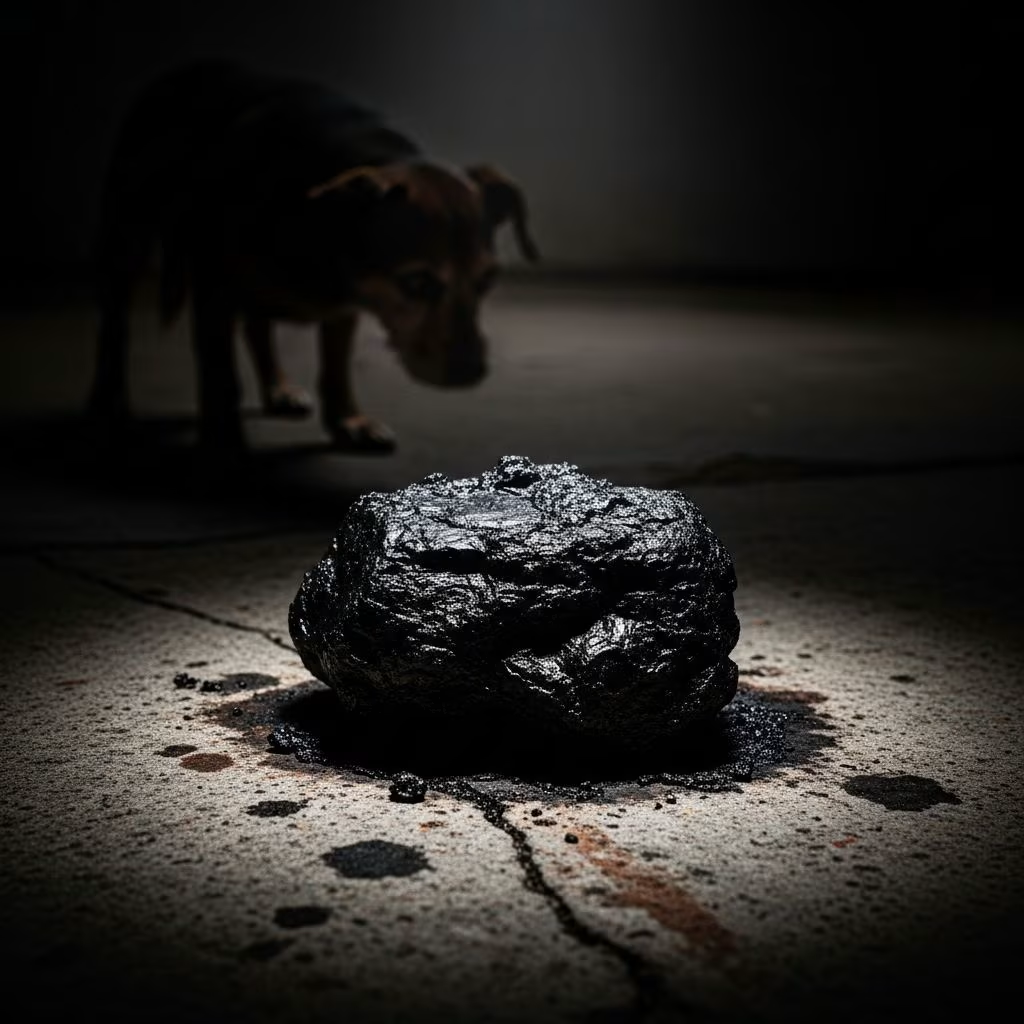
Coal tar, a byproduct of coal processing, appears in products like road sealants, roofing materials, and medicated ointments. When pets encounter it, toxicity can develop rapidly through skin absorption, ingestion, or inhalation, leading to serious health issues. Pet owners must recognize risks and act swiftly to protect their animals.
Understanding Coal Tar and Its Dangers to Animals
Coal tar contains polycyclic aromatic hydrocarbons (PAHs) and phenols, chemicals that damage tissues on contact. These substances are corrosive, causing burns in the mouth, esophagus, and stomach if ingested. Skin exposure leads to absorption, affecting the liver, kidneys, nervous system, and heart. Even small amounts pose threats, especially to dogs who lick their paws or chew sticky residues.
Unlike safe household items, coal tar’s dark, sticky nature attracts curious pets during walks near construction sites or in garages storing sealants. Its use in veterinary shampoos is controlled and low-concentration, but accidental exposure to raw forms is hazardous.
Common Pathways of Exposure for Household Pets
Dogs and cats encounter coal tar in everyday settings:
- Freshly paved roads or driveways during resurfacing projects.
- Clay pigeons used in shooting sports, coated with tar-like substances.
- Roofing tar, wood preservatives, and asphalt sealers in storage areas.
- Medicated human products like Psoriasin ointment if accessible.
- Industrial zones or treated wooden structures in yards.
Pets walking on contaminated surfaces get tar on paws, then ingest it while grooming. Inhalation occurs near heating tar or in poorly ventilated spaces.
Early Warning Signs of Coal Tar Exposure
Symptoms appear quickly, often within hours. Initial signs include:
- profuse salivation and drooling from mouth irritation.
- Repeated vomiting or refusal to eat.
- Weakness, lethargy, or uncoordinated movements.
- Redness, burns, or swelling around the mouth, paws, or skin contact sites.
- Labored breathing or coughing if inhaled.
Progression to severe stages involves jaundice (yellowing of eyes and gums), tremors, seizures, bloody stools or urine, pale gums, and collapse. These indicate liver, kidney, or neurological damage.
| Stage | Symptoms | Potential Complications |
|---|---|---|
| Early | Drooling, vomiting, lethargy | Skin/mouth burns |
| Moderate | Difficulty breathing, pale gums | Dehydration, organ stress |
| Severe | Seizures, jaundice, collapse | Multi-organ failure |
Immediate Actions for Suspected Poisoning
Time is critical. Follow these steps:
- Prevent further exposure by isolating the pet from the source.
- Avoid inducing vomiting—tar’s corrosiveness worsens esophageal burns on the way up.
- Do not use activated charcoal initially, as it may hinder healing in mucosal wounds.
- Contact a veterinarian or pet poison hotline immediately, providing details on exposure time, amount, and symptoms.
- Transport the pet promptly, bringing any product containers for identification.
Cleaning tar at home risks spreading it; use vegetable oil sparingly on paws if needed, but prioritize professional care.
Professional Veterinary Interventions
Vets diagnose via history, physical exams, and tests like bloodwork to assess organ function. Burns may not fully appear for 12 hours, requiring monitoring.
Treatment is supportive:
- IV fluids to combat dehydration and support kidneys.
- Pain relief and anti-inflammatories for burns and discomfort.
- Gastrointestinal protectants like sucralfate to coat damaged mucosa.
- Antibiotics for secondary infections.
- Feeding tubes for severe oral/esophageal burns, allowing healing over weeks.
- Monitoring for heart, liver, and neurological issues with serial blood tests.
Inhaled cases may need oxygen therapy and bronchodilators.
Factors Affecting Recovery Outcomes
Prognosis hinges on:
- Rapid intervention—early treatment improves survival rates.
- Exposure extent—small paw contact fares better than ingestion.
- Pet’s age and health—puppies, seniors, or those with conditions face higher risks.
- Damage severity—mild cases recover in days; severe ones take weeks with potential strictures.
Many pets recover fully with care, but long-term monitoring for organ damage is essential.
Proactive Prevention Strategies
Avoid exposure through diligence:
- Store tar products in locked cabinets, out of pet reach.
- Reroute walks from roadwork, industrial areas, or fresh asphalt.
- Inspect paws after outdoor activities, cleaning with safe solvents if needed.
- Secure human medications containing coal tar.
- Opt for coal-tar-free wood sealants and pavements.
- Keep vet contacts and poison hotline numbers handy.
For medicated uses, follow vet directions strictly, avoiding high concentrations (>3%) that risk irritation.
Special Considerations for Cats and Small Breeds
Cats are highly sensitive; coal tar topicals are contraindicated due to toxicity risks. Small dogs metabolize toxins slower, amplifying effects. Nursing mothers and pups under 8 weeks should never be exposed.
FAQs on Coal Tar Poisoning in Pets
What household items contain coal tar that could harm my dog?
Roofing tar, driveway sealants, Psoriasin ointment, clay pigeons, and treated wood preservatives.
Why shouldn’t I make my pet vomit after tar ingestion?
The corrosive nature causes worse burns re-passing the esophagus.
How long do symptoms take to appear, and how is diagnosis made?
Immediate to hours; vets use history, exams, and blood tests, noting burns may delay 12 hours.
Can coal tar be absorbed through the skin without ingestion?
Yes, leading to systemic toxicity affecting organs.
What is the typical recovery time for mild cases?
Days with supportive care; severe cases may need weeks.
Long-Term Health Monitoring Post-Exposure
After discharge, watch for delayed issues like esophageal strictures or organ dysfunction. Regular vet check-ups, blood panels, and dietary support aid full recovery. This ensures pets regain vitality without chronic problems.
References
- Coal Tar Poisoning in Dogs: Symptoms and Prevention — PetsCare. 2023. https://www.petscare.com/news/post/coal-tar-poisoning-dogs-guide
- Is it harmful if my 70-pound dog just ate a little bit of Psoriasin — Dial A Vet. 2023. https://www.dialavet.com/vet-answers/dog-ate-psoriasin-coal-tar-ointment-314685
- Poisons of the Pacific Northwest — Oregon Veterinary Medical Association. 2019. https://www.oregonvma.org/sites/default/files/Houchen%20Recognizing%20&%20Treating%20Toxicities.pdf
- On Paws and PAHs — Coal Tar Free America. 2016-02. https://coaltarfreeusa.com/2016/02/on-paws-and-pahs/
- Coal Tar and Coal Tar Combinations Topical — VCA Animal Hospitals. 2023. https://vcahospitals.com/know-your-pet/coal-tar-and-coal-tar-combinations-topical
- Pet poisoning: What to do if you think your dog or cat has been — Vets Now. 2023. https://www.vets-now.com/pet-care-advice/pet-poisoned/



