CO Poisoning Risks in Vet Clinics
Essential guide to recognizing, preventing, and treating carbon monoxide hazards in veterinary workplaces to safeguard staff and animals.
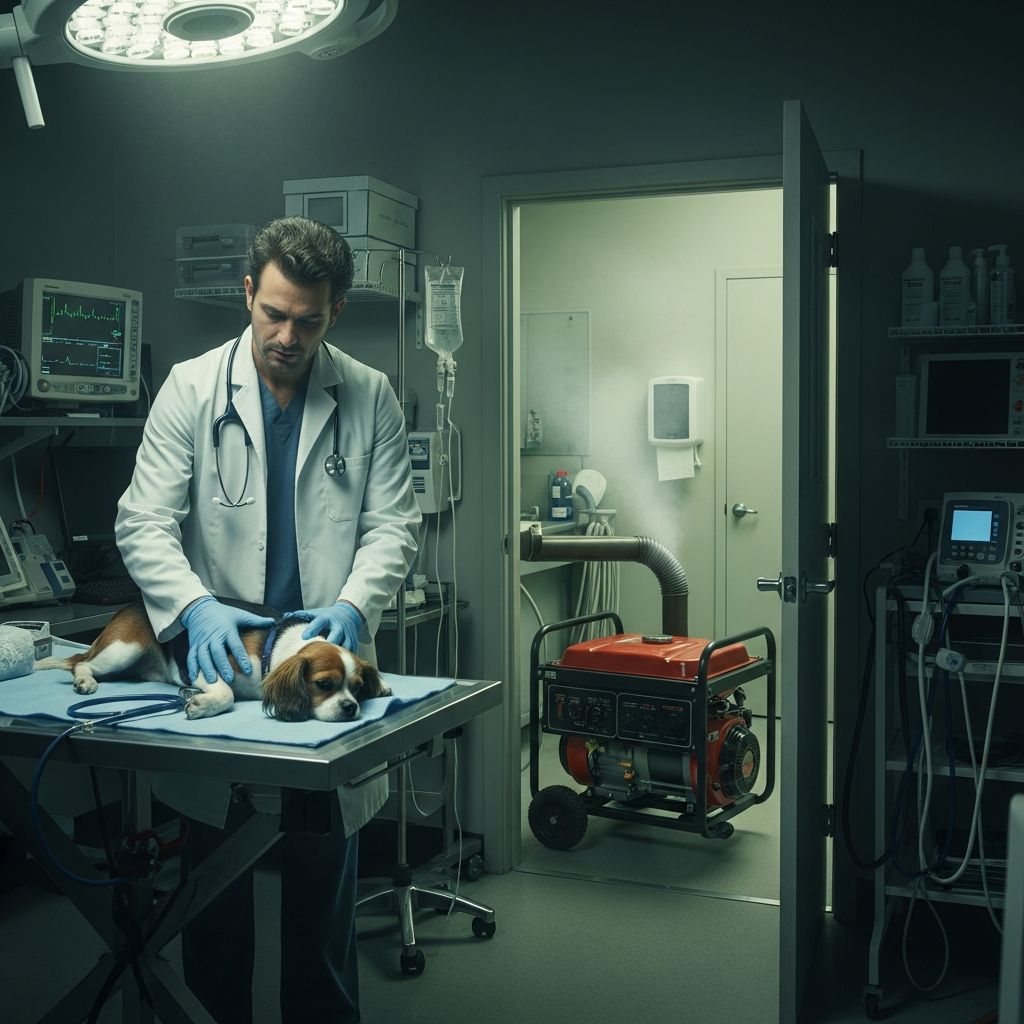
Carbon monoxide (CO) poses a stealthy yet severe threat in veterinary environments, where enclosed spaces and equipment like generators or vehicles heighten exposure risks for both animals and staff. This gas, produced by incomplete combustion, binds over 200 times more strongly to hemoglobin than oxygen, impairing oxygen delivery and causing potentially fatal hypoxia.
Common Sources of CO in Veterinary Practices
Veterinary clinics often operate in areas with fuel-burning devices, creating prime conditions for CO buildup. Key culprits include idling vehicles in garages, malfunctioning heating systems, and portable generators used during outages. For instance, car exhaust in poorly ventilated parking areas or exam rooms adjacent to service bays can seep indoors, while non-vented space heaters exacerbate winter risks.
- Vehicle Exhaust: Trucks or ambulances running in attached garages release high CO concentrations.
- Heating Equipment: Faulty furnaces, kerosene heaters, or unvented gas appliances in older facilities.
- Generators: Backup power units placed too close to air intakes during emergencies.
- Smoke from Fires: Incidents involving building materials or waste incineration.
In one documented veterinary case, cats exposed to generator fumes in a confined space developed lethal CO levels, underscoring how quickly hazards escalate in shared animal-human workspaces.
Why CO is Particularly Dangerous for Animals and Staff
CO’s colorless, odorless nature makes it undetectable without alarms, leading to insidious poisoning. It forms carboxyhemoglobin (COHb), shifting the oxygen dissociation curve leftward, which traps oxygen in blood and starves tissues. Animals, with higher metabolic rates, succumb faster; cats showed myocardial damage and pulmonary edema at 41-57% COHb, levels akin to fatal human exposures.
| Species | Baseline COHb (%) | Lethal COHb Range (%) |
|---|---|---|
| Humans | 0-5 | 50-80 |
| Dogs | 5.6-6.4 | 54-90 |
| Cats | 0-4 | 41-57 (observed fatal) |
Staff face compounded risks from prolonged exposure, including headaches evolving to coma, especially pregnant workers or those with respiratory issues.
Recognizing Clinical Signs in Pets
Symptoms mimic other illnesses, delaying intervention. Early indicators include lethargy, weakness, and ataxia, progressing to seizures or coma. A hallmark is cherry-red gums or skin, from oxygenated blood trapped by CO.
Early Warning Signs
- Drowsiness and depression
- Unsteady gait or incoordination
- Tachypnea or labored breathing
- Vomiting or excessive salivation
Advanced Symptoms
- Bright red mucous membranes
- Arrhythmias or hypotension
- Neurologic deficits like blindness
- Coma and respiratory arrest
In smoke inhalation cases tied to CO, dogs exhibit pulmonary complications like edema, amplifying toxicity. Veterinary teams must suspect CO when multiple animals show simultaneous nonspecific signs.
Diagnostic Approaches for Suspected Cases
Standard pulse oximetry fails, as COHb reads like oxyhemoglobin, giving false reassurance. Definitive diagnosis requires co-oximetry on arterial or venous blood to quantify COHb percentage. Postmortem, fixed tissues retain red hues, with histopathology revealing cardiomyocyte basophilia and lung congestion.
For live patients, immediate fresh air relocation is step one, followed by oxygen therapy to accelerate CO elimination (half-life drops from 4-6 hours on room air to 1 hour on 100% O2). Hyperbaric oxygen, if accessible, binds CO even faster for severe intoxications.
Prevention Strategies for Veterinary Workplaces
Proactive measures are vital, as per OSHA guidelines emphasizing ventilation, monitoring, and education. Install CO detectors on every level, near fuel sources, and in animal holding areas; test monthly and replace batteries biannually.
- Ventilation Upgrades: Ensure garages have exhaust fans; never idle engines indoors.
- Equipment Maintenance: Annual inspections of heaters, vents, and generators.
- Detector Protocols: Battery-operated or hardwired alarms with digital displays.
- Training Drills: Staff education on symptoms and evacuation.
- Respiratory Protection: Use SCBAs in high-risk spill responses.
NIOSH highlights veterinary chemical hazards broadly, but CO demands specific focus due to its prevalence in animal care settings.
Treatment Protocols: Step-by-Step Guide
Upon suspicion:
- Evacuate to fresh air immediately.
- Administer supplemental oxygen via mask, hood, or intubation.
- Monitor vitals; treat arrhythmias or seizures supportively.
- Confirm COHb via co-oximetry; consult human labs if needed.
- For critical cases, transfer to hyperbaric facilities.
Secondary issues like pneumonia from concurrent smoke require antibiotics. Survival hinges on rapid action, as seen in cats recovering from low-level exposures with oxygen.
Legal and Regulatory Compliance
Veterinary practices must adhere to OSHA standards (29 CFR 1910.134) for hazardous atmospheres, including permissible exposure limits (50 ppm over 8 hours). Noncompliance risks fines and liability, especially post-incident. Document detectors, maintenance logs, and training to demonstrate due diligence.
Case Studies from Veterinary Medicine
Two cats dying from generator exhaust illustrated classic pathology: red skeletal muscles, edematous lungs, and 41-57% COHb, with cardiac lesions confirming hypoxia as the death mechanism. Another report detailed dogs in fires with 8-37% COHb, surviving via prompt care. These highlight pets as sentinels for human risks in shared environments.
FAQs on CO Safety in Vet Clinics
What is the fastest way to reverse CO poisoning in animals?
High-flow oxygen therapy reduces COHb half-life dramatically; hyperbaric oxygen is optimal for severe cases.
Can standard oximeters detect CO poisoning?
No, they falsely elevate readings; use co-oximetry for accuracy.
How often should CO alarms be checked?
Monthly tests and battery changes every 6 months, per manufacturer guidelines.
Are pregnant staff at higher risk?
Yes, due to fetal sensitivity; rotate duties away from high-risk areas.
What COHb level requires intervention?
Building a CO-Resilient Clinic Culture
Fostering awareness through signage, simulations, and policy integration ensures resilience. Integrate CO safety into onboarding, emphasizing its role alongside other hazards like anesthetics. Regular audits prevent complacency, protecting lives in high-stakes veterinary operations.
By prioritizing detection and response, clinics mitigate this pervasive threat, ensuring safe havens for healing rather than harm.
References
- Pathology of carbon monoxide poisoning in two cats — PMC/NCBI. 2018-03-01. https://pmc.ncbi.nlm.nih.gov/articles/PMC5836452/
- Top 6 veterinary questions about carbon monoxide poisoning — dvm360. 2023-01-15. https://www.dvm360.com/view/top-6-veterinary-questions-about-carbon-monoxide-poisoning
- Smoke Inhalation in Dogs — VCA Animal Hospitals. 2024-05-10. https://vcahospitals.com/know-your-pet/smoke-inhalation-in-dogs
- Hazards to Veterinary Medicine and Animal Care Workers — CDC/NIOSH. 2025-02-01. https://www.cdc.gov/niosh/veterinary/about/hazards.html
- Carbon Monoxide Poisoning Factsheet — OSHA. 2022-11-20. https://www.osha.gov/sites/default/files/publications/carbonmonoxide-factsheet.pdf
Similar Articles




Read full bio of medha deb