

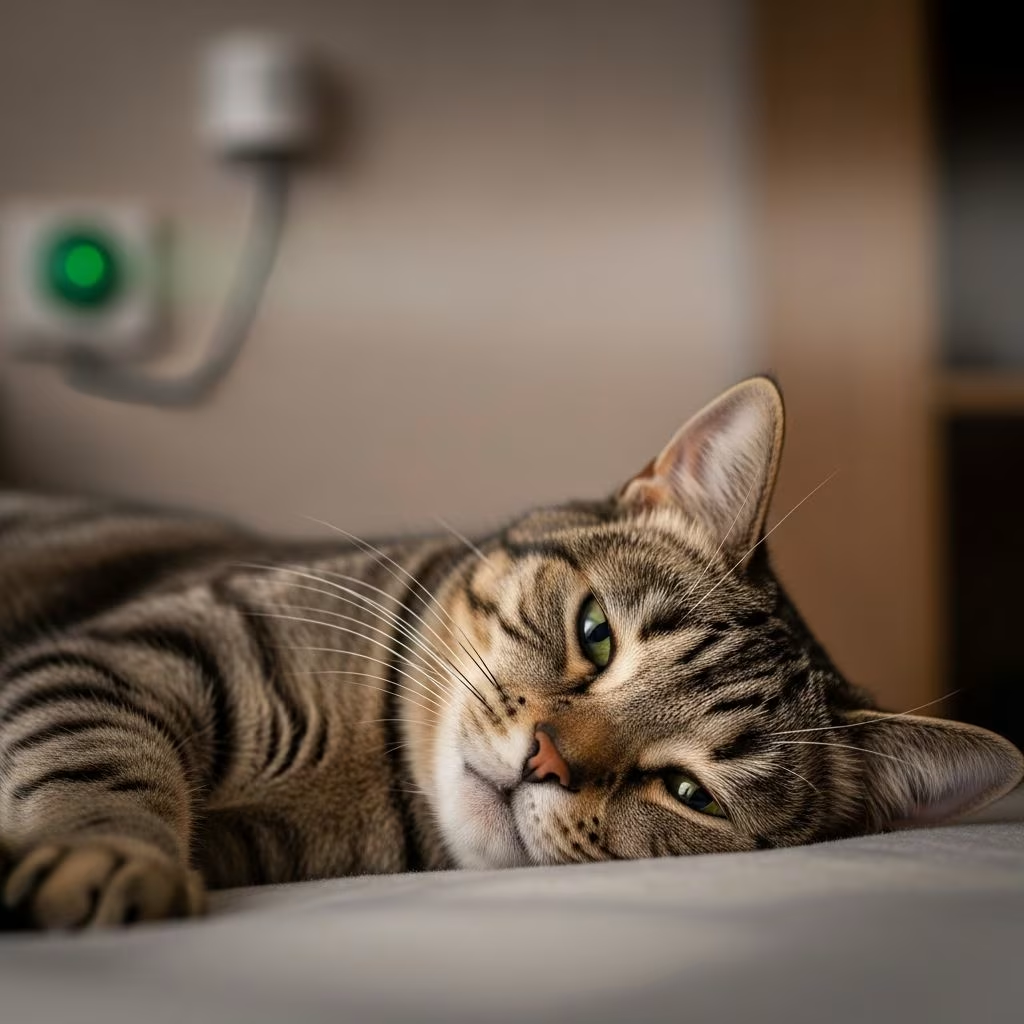
Carbon monoxide (CO) poisoning poses a silent threat to cats, binding to hemoglobin in their blood and blocking oxygen delivery to vital organs. This colorless, odorless gas can lead to rapid deterioration if not addressed swiftly.
The Hidden Danger of Carbon Monoxide for Felines
Cats encounter CO from faulty furnaces, idling car engines in garages, or smoke from fires. Unlike humans, felines may show symptoms faster due to their smaller size and higher metabolic rates, making quick recognition essential.
CO molecules attach 200 times more strongly to hemoglobin than oxygen, forming carboxyhemoglobin that starves tissues. This hypoxia affects the brain, heart, and muscles first, explaining the neurological and respiratory issues observed.
Recognizing the Signs: From Mild to Critical
Symptoms vary by exposure level and duration. Early indicators include behavioral changes that owners might dismiss as fatigue.
- Lethargy and sleepiness: Cats appear unusually drowsy or unwilling to move.
- Weakness and unsteadiness: Difficulty walking, wobbling, or ataxia signals oxygen deprivation to muscles.
- Respiratory distress: Rapid breathing, panting, or labored efforts as the body compensates for low oxygen.
Progressing cases escalate quickly:
- Neurological effects: Dizziness, deafness, blindness, or seizures from brain hypoxia.
- Gum and skin changes: Cherry-red mucous membranes, though hard to spot in furred areas.
- Severe outcomes: Coma, collapse, irregular heart rhythms, or death without intervention.
Pregnant cats face added risks, with potential fetal loss, especially late-term. Delayed symptoms, like ataxia weeks post-exposure, occur in some cases due to secondary brain swelling.
How Vets Diagnose CO Exposure
Diagnosis starts with history: recent fire, garage confinement, or heating issues? Physical exams check gum color, breathing, and heart sounds.
Blood tests measure carboxyhemoglobin levels, which peak acutely and fall post-exposure. Acid-base imbalances and electrolytes guide further care. Additional tools include:
| Test | Purpose |
|---|---|
| Electrocardiogram (ECG) | Detects heart arrhythmias from hypoxia |
| Chest X-rays | Rules out smoke inhalation or lung damage |
| Blood gases | Assesses oxygen saturation and acidosis |
Urine analysis may check for muscle breakdown products in severe cases.
Immediate and Hospital Treatments
First action: Move the cat to fresh air immediately to halt exposure. Veterinary care focuses on oxygen restoration.
- Oxygen therapy: 100% oxygen via mask, chamber, or nasal tube halves CO half-life from 5 hours (room air) to 1 hour. Hyperbaric oxygen cuts it to 20 minutes for critical cases.
- IV fluids: Corrects dehydration, supports blood pressure, and flushes acids.
- Sedation or anti-seizure meds: Controls agitation or convulsions.
Hospitalization monitors progress, addressing complications like pneumonia from smoke or heart issues. Most cats improve within hours.
Recovery Roadmap: What to Expect Post-Treatment
Survivors need 4-6 weeks of restricted activity to prevent re-injury to healing brain tissue. Provide a quiet, comfortable space.
- Monitor for relapse: Watch for ataxia, blindness, or deafness emerging days later.
- Nutritional support: Offer easily digestible food; some cats lose appetite initially.
- Follow-up exams: Repeat bloodwork and neuro checks ensure full resolution.
Prognosis is good with prompt care, but permanent deficits like hearing loss affect 10-30% of cases.
Prevention Essentials: Safeguard Your Home
Install CO detectors on every level, especially near bedrooms and garages. Test monthly, replace batteries yearly.
- Service appliances annually: Furnaces, water heaters, fireplaces.
- Never run cars in attached garages.
- Ventilate during wood-burning or generator use.
- Educate household: Teach kids and guests about CO risks.
For multi-pet homes, prioritize indoor cats near potential sources.
Special Considerations for Vulnerable Cats
Kittens, seniors, and those with heart/lung conditions succumb faster. Brachycephalic breeds may worsen respiratory strain. Smoke inhalation adds burns, soot, and toxins, requiring airway support.
FAQs on CO Poisoning in Cats
Q: How quickly do symptoms appear?
A: Within minutes for high exposures; gradually for low levels.
Q: Can my cat recover fully?
A: Yes, most do with oxygen therapy, though some face lasting neuro damage.
Q: Is cherry-red gums always visible?
A: Rarely in cats due to fur; rely on behavior changes.
Q: What if I suspect exposure at night?
A: Evacuate, provide fresh air, seek emergency vet care immediately.
Q: Do CO detectors work for pets?
A: Yes, they alert before pet symptoms peak, given animals’ sensitivity.
Q: Can pregnant cats pass it to kittens?
A: Yes, risking abortion or weak offspring.
Long-Term Health Monitoring After Exposure
Post-recovery, annual neuro exams catch subtle deficits. Behavioral therapy aids deaf cats’ adaptation. Maintain heart health with diet and exercise.
Home audits by professionals ensure no lingering leaks.
References
- Carbon Monoxide Poisoning in Cats — Vetster. 2023. https://vetster.com/en/conditions/cat/carbon-monoxide-poisoning
- Carbon Monoxide Poisoning in Cats — PetMD. 2024-01-15. https://www.petmd.com/cat/conditions/respiratory/c_ct_carbon_monoxide_toxicosis
- Carbon Monoxide Poisoning in Cats: Causes, Symptoms, & Treatment — Cats.com. 2023-05-20. https://cats.com/carbon-monoxide-poisoning-in-cats
- Carbon Monoxide – Cats — Lort Smith Melbourne Animal Hospital. 2022. https://lortsmith.com/need-help-now/cat/poisons-toxins/chemicals/carbon-monoxide/
- Carbon Monoxide Poisoning in Cats: Symptoms and Urgent Care — Vets Now. 2023-11-10. https://www.vets-now.com/pet-care-advice/carbon-monoxide-poisoning-cats/
- Poisons | Cornell University College of Veterinary Medicine — Cornell Feline Health Center. 2024. https://www.vet.cornell.edu/departments-centers-and-institutes/cornell-feline-health-center/health-information/feline-health-topics/poisons



