

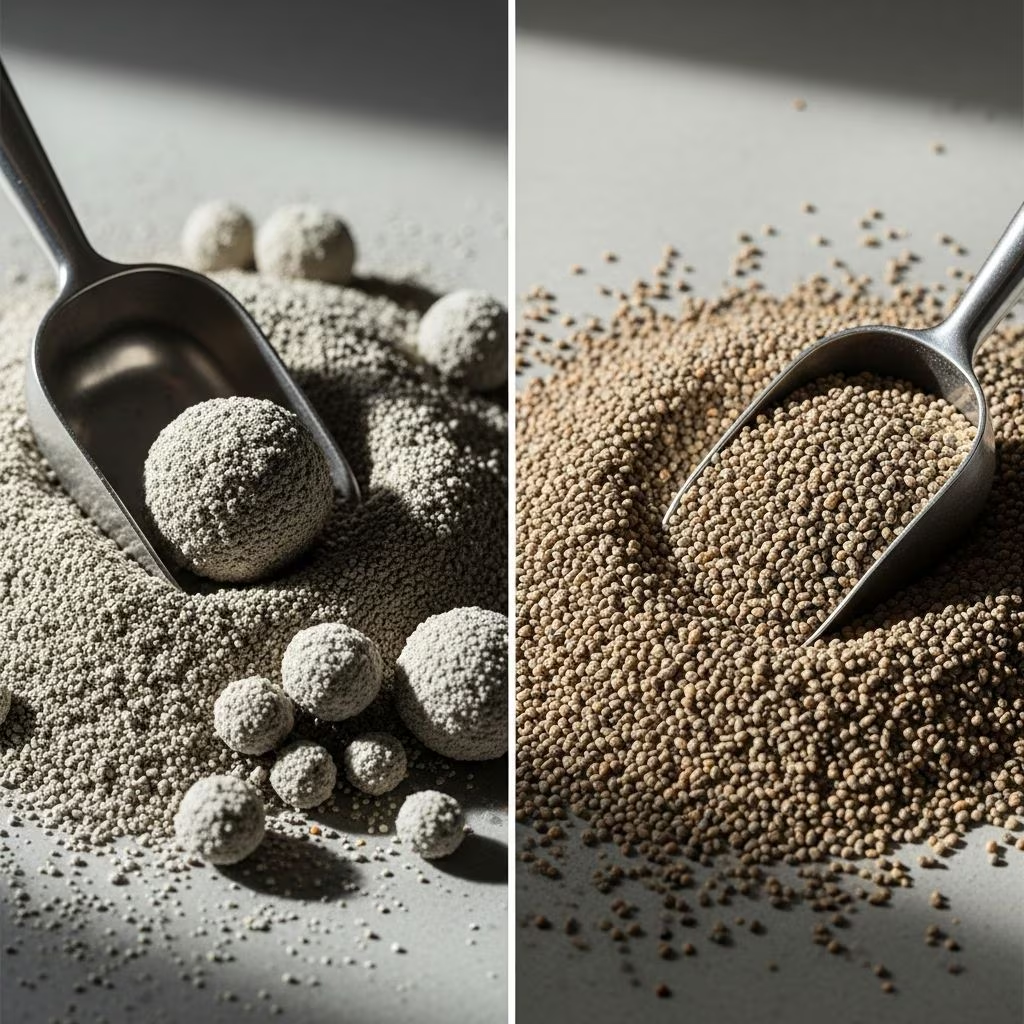
Choosing the right cat litter is essential for maintaining a clean home and ensuring your cat’s comfort. Clumping and non-clumping litters represent two primary categories, each with distinct characteristics affecting cleaning, odor control, cost, and safety. Clumping litter forms solid masses when wet, allowing easy scooping, while non-clumping absorbs moisture without clumping, often requiring full box changes. This guide breaks down their differences, materials, advantages, disadvantages, and selection tips based on cat needs and household factors.
What Is Clumping Cat Litter?
Clumping cat litter is designed to form tight, solid clumps upon contact with moisture from urine or feces. Primarily made from sodium bentonite clay, it swells and hardens when wet, enabling precise waste removal without disturbing unused litter. This property stems from bentonite’s natural ability to absorb up to 15 times its weight in liquid, creating hygienic, scoopable portions.
Beyond traditional clay, modern options include natural alternatives like corn, wheat, tofu, or walnut shells that also clump effectively while being biodegradable. These plant-based formulas appeal to eco-conscious owners, offering flushability in some cases and reduced dust. Clumping litters dominate the market due to convenience, with brands innovating for low dust, lightweight formulas, and health-monitoring features like color-changing indicators.
Pros of Clumping Cat Litter
Clumping litter excels in user-friendliness and performance, making it the preferred choice for most cat parents.
- Easy to Scoop: Waste forms distinct, hard clumps that lift out cleanly, minimizing mess and effort. This leaves fresh litter intact, extending box usability.
- Superior Odor Control: Clumps seal in smells by encapsulating moisture and bacteria, preventing airborne odors. Many formulas include natural deodorizers, outperforming non-clumping options.
- Longer Lasting: Daily scooping reduces full cleanouts to every 1-4 weeks per cat, saving time and potentially money despite higher upfront costs.
- Cleaner Litter Box: Regular waste removal keeps the box inviting, reducing accidents and encouraging consistent use.
- Health Insights: Some premium clumping litters change color to signal pH levels or health issues like urinary tract infections.
Cons of Clumping Cat Litter
Despite advantages, clumping litters have drawbacks, particularly regarding safety and maintenance.
- Higher Cost: Clay-based clumping litters cost more per pound than non-clumping, though longevity offsets this for many.
- Ingestion Risk: Bentonite clay expands in the gut if eaten, risking blockages—critical for kittens, pica-prone cats, or those with eating disorders. Natural clumpers like tofu break down safely.
- Dust and Tracking: Fine particles create dust, irritating respiratory systems, and track easily. Low-dust formulas mitigate this.
- Weight: Traditional bags weigh 20-40 lbs, challenging for some to handle.
- Not Always Flushable: Clay versions clog plumbing; only approved natural types are safe.
What Is Non-Clumping Cat Litter?
Non-clumping litter absorbs liquids into its granules without forming clumps, spreading moisture evenly. Common materials include clay pellets, silica crystals, wood shavings, or paper, which soak up urine and allow evaporation or stirring for odor dispersal.
It’s often cheaper and lighter, ideal for full box dumps. However, urine remains in the box, necessitating frequent stirring or complete changes to prevent saturation and smells. Non-clumping suits budget-focused owners or specific scenarios like post-surgery recovery.
Pros of Non-Clumping Cat Litter
- Lower Cost: Generally more affordable, especially clay or pine varieties.
- Safer if Ingested: Lacks swelling agents, reducing blockage risks for curious cats or kittens.
- Less Sticking: Doesn’t cement to box sides, easing full cleanups.
- Low Tracking/Dust Options: Coarser textures in some reduce scatter; many are dust-free.
- Quick Solids Removal: Scoop feces daily; stir liquids.
Cons of Non-Clumping Cat Litter
- Poor Odor Control: Absorbed urine lingers, causing smells without sealing.
- Frequent Changes: Full dumps every few days accelerate costs and labor.
- Dirty Residue: Waste disperses, making the box unhygienic faster.
- Less Convenient: Stirring required; no targeted scooping.
Clumping vs Non-Clumping: Side-by-Side Comparison
| Feature | Clumping Litter | Non-Clumping Litter |
|---|---|---|
| Cleaning | Scoop clumps daily; change weekly | Scoop solids; full change every 2-5 days |
| Odor Control | Excellent (seals waste) | Fair (requires additives/stirring) |
| Cost | Higher initial, cost-effective long-term | Lower initial, higher frequency raises total |
| Safety | Risk if ingested (clay); safer naturals | Generally safer if eaten |
| Dust/Tracking | Moderate to high | Variable, often lower |
| Best For | Convenience, multi-cat homes | Kittens, budget, low-ingestion cats |
This table highlights clumping’s edge in maintenance for busy owners, while non-clumping prioritizes safety and affordability.
Materials Used in Cat Litters
Litter materials influence performance, safety, and environmental impact.
- Clay (Bentonite): Dominant for clumping; absorbent but dusty, non-biodegradable.
- Silica Crystals: Non-clumping; ultra-absorbent, low-dust, but sharp on paws.
- Pine/Wood: Non-clumping; natural deodorizer, biodegradable, lightweight.
- Corn/Wheat/Tofu: Clumping naturals; flushable, low-dust, plant-based.
- Walnut/Paper: Eco-friendly, low-tracking options.
Choose based on cat preferences—fine for buryers, coarse for trackers—and allergies.
Is Clumping Litter Safe for Cats?
Quality clumping litter is safe for most cats, forming soft, paw-friendly clumps without harsh chemicals. Myths about toxicity are overstated; bentonite is inert unless swallowed in quantity. Vets recommend avoiding clay for kittens under 4 months or ingestion-prone cats, favoring naturals. Respiratory-safe low-dust formulas are key for asthma-prone felines. Always consult vets for tailored advice.
When to Choose Clumping vs Non-Clumping
Choose Clumping If:
- Odor control is priority in small/multi-cat homes.
- You value scooping convenience.
- Cat doesn’t eat litter.
- Budget allows premium options.
Choose Non-Clumping If:
- Cat ingests litter or is a kitten.
- Budget is tight.
- Full dumps suit your routine.
- Low dust essential.
Frequently Asked Questions (FAQs)
What is the main difference between clumping and non-clumping cat litter?
Clumping forms scoopable solid masses from moisture; non-clumping absorbs without clumping, requiring stirring or full changes.
Is clumping litter bad for cats?
No, if chosen wisely—avoid clay for eaters; naturals are safer. It’s hygienic and comfortable.
Which controls odors better?
Clumping, by isolating waste.
Can I flush clumping litter?
Only approved natural types; never clay.
How often change litter box?
Clumping: Scoop daily, full change bi-weekly; non-clumping: Every few days.
Best for kittens?
Non-clumping to avoid ingestion risks.
References
- Clumping vs Non-Clumping Cat Litter: What’s the Difference? — tuft + paw. 2023. https://www.tuftandpaw.com/blogs/cat-guides/clumping-vs-non-clumping-cat-litter
- Lightweight Cat Litter vs. Regular Clumping Litter — ARM & HAMMER. 2024. https://www.armandhammer.com/en/articles/lightweight-litter-vs-regular-clumping-litter
- Choosing Cat Litter — NewAgePet. 2023. https://newagepet.com/blogs/learning-center/choosing-cat-litter
- Is Clumping Litter Bad for Cats? — PrettyLitter. 2024. https://www.prettylitter.com/blog/is-clumping-litter-bad-for-cats
- Cat Litter: Is Clumping Or Non-Clumping Litter Better? — Petstock. 2023. https://www.petstock.co.nz/blog/articles/cat-litter-to-clump-or-not-to-clump



