

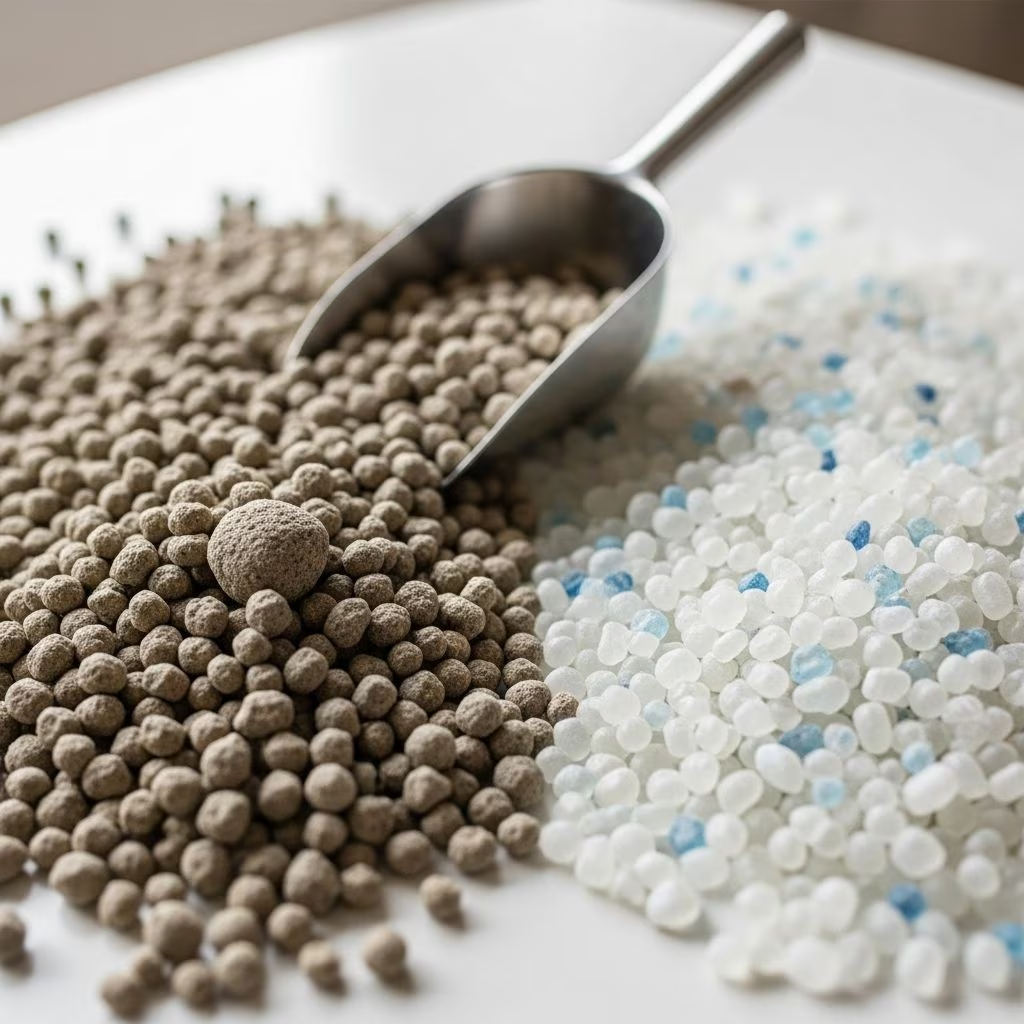
Choosing between **clumping litter** and **crystal litter** can transform your cat’s bathroom routine and your home’s cleanliness. Clumping varieties form solid masses around waste for easy scooping, while crystals excel in odor neutralization and low mess. This guide breaks down their compositions, performance, and suitability based on household needs.
Understanding Clumping Cat Litter
Clumping litter primarily uses sodium bentonite clay, a natural mineral that reacts with moisture to expand and harden into scoopable balls. This mechanism traps urine and feces effectively, allowing daily removal of soiled portions without full box changes.
The clay’s high absorbency keeps the box drier longer compared to non-clumping options. Many formulas include scents or natural deodorizers to mask smells, though unscented versions exist for sensitive noses. Maintenance involves sifting out clumps daily, with full refreshes every 2-4 weeks depending on cat count.
- Key Benefits: Excellent clumping action, widely available, cost-effective for single cats.
- Drawbacks: Generates dust, tracks outside the box, heavier weight.
Exploring Crystal Cat Litter
Crystal litter consists of silica gel beads, derived from silicon dioxide, the same material in desiccant packets. These porous crystals absorb up to 40 times their weight in liquid, allowing moisture to evaporate while trapping odor molecules inside.
Typically non-clumping, crystals change color in some brands to indicate urine pH, aiding health monitoring. They require less frequent full changes—up to a month for one cat—and produce minimal dust. However, urine may pool at the bottom if not stirred.
- Key Benefits: Superior odor control, dust-free, lightweight and low-tracking.
- Drawbacks: Higher upfront cost, harder to spot waste, may dehydrate feces.
Head-to-Head Comparison: Performance Factors
To select the right litter, evaluate critical aspects like absorption, cleaning ease, and cat comfort. The table below summarizes differences drawn from user experiences and product specs.
| Factor | Clumping Litter | Crystal Litter |
|---|---|---|
| Material | Sodium bentonite clay | Silica gel beads |
| Absorbency | High; forms clumps | Very high; evaporates moisture |
| Odor Control | Good via scooping | Excellent; neutralizes smells |
| Dust Level | Moderate to high | Low to none |
| Tracking | High; sticks to paws | Low; smooth beads |
| Weight | Heavy | Lightweight |
| Cost per Month (1 cat) | $10-20 | $15-25 |
Clumping litter shines in waste isolation, ideal for precise cleanups. Crystals outperform in longevity and hygiene for low-maintenance homes.
Odor Management and Freshness
Odor is a top complaint in cat ownership. Clumping litter relies on frequent scooping to remove ammonia sources, with additives enhancing control. Crystals absorb and lock away volatiles, often maintaining freshness for weeks without intervention.
In multi-cat setups, clumping may falter as unused litter saturates, while crystals handle higher volumes better due to evaporation. Tests show crystals reducing detectable odors by 90% longer than clay in sealed environments.
Dust, Allergies, and Respiratory Health
Dust from clay litters can irritate lungs, especially in cats with asthma or humans with allergies. Crystals, being 99% dust-free, minimize airborne particles and are gentler on airways.
For long-haired breeds, clay granules cling to fur, spreading mess. Silica beads roll off easily, reducing inhalation risks. Veterinary recommendations favor low-dust options for sensitive pets.
Cost Analysis: Long-Term Value
Clumping litter starts cheaper ($0.50-1 per pound), but frequent purchases add up in multi-cat homes. Crystals cost more initially ($1-2 per pound) but last longer, equating to similar monthly spends.
Consider usage: Single cat with crystals might spend $20/month versus $15 for clumping, but time saved on cleaning offsets this. Bulk buys lower costs for both.
Environmental Impact and Disposal
Clay mining for clumping litter raises sustainability concerns due to resource depletion. Crystals, often recyclable, produce less waste volume. Neither is fully biodegradable, but crystals’ longevity cuts landfill contributions.
Flushable clumping options exist but risk plumbing clogs; crystals require trash disposal. Eco-variants blend crystals with plant gums for better breakdown.
Safety for Cats: Ingestion and Paw Health
Both litters are non-toxic. Clay is inert but dusty; silica is safe if licked, with no expansion risks. Cats may avoid crystals’ texture initially, preferring clay’s familiarity.
Paw pad irritation is rare, though sharp crystals could bother kittens. Transition gradually by mixing 25% new litter weekly.
Best Scenarios for Each Litter Type
- Choose Clumping If: You have multiple cats, prioritize easy waste spotting, or seek budget options.
- Choose Crystals If: Dust allergies affect your home, you want low maintenance, or odor is paramount.
Test small bags first—cats dictate success via acceptance rates above 80%.
Practical Maintenance Tips
For clumping: Scoop daily, add 1-2 inches fresh litter weekly, deep clean monthly with mild soap. For crystals: Stir twice weekly, top off as needed, full change monthly. Use enclosed boxes to contain tracking.
Frequently Asked Questions (FAQs)
Can I mix clumping and crystal litters?
Possible but not recommended; differing textures confuse cats and hinder performance. Stick to one type.
Is crystal litter safe for kittens?
Yes, but supervise; fine beads suit adults better. Start with clay for tiny paws.
Which controls odor better in hot climates?
Crystals excel as evaporation prevents bacterial growth.
How often to fully change clumping litter?
Every 2-4 weeks; monitor for yellowing or smells.
Are there clumping crystal hybrids?
Yes, with added agents; they offer moderate clumping but prioritize silica benefits.
Transitioning Your Cat to a New Litter
Abrupt switches cause accidents. Blend old and new over 7-14 days: Day 1-3 (75% old), Day 4-7 (50/50), etc. Reward usage and keep boxes side-by-side. Most cats adapt within two weeks.
Observe for stress signs like avoidance; revert if needed. Scented starters ease picky felines.
Top Picks and Where to Buy
Clumping: Look for low-dust bentonite like premium unscented clays. Crystals: Silica gels with color indicators for health insights. Availability spans pet stores and online.
References
- Crystal Litter vs Clumping Cat Litter: What’s Best for My Cat? — Taotaohuipet. 2023. https://jv.taotaohuipet.com/resources/crystal-litter-vs-clumping-cat-litter-whats-best-for-my-cat.html
- Clumping Pretty Litter: Is It a Good Cat Litter? — Tuft & Paw. 2024. https://www.tuftandpaw.com/blogs/cat-guides/clumping-pretty-litter
- Best Cat Litter Guide for 2025 — Boxiecat. 2025-01-15. https://boxiecat.com/blogs/litter-learning-center/what-are-the-different-types-of-cat-litter
- Clumps or Crystals? Choosing the best kitty litter for your cat — Lucky Pet. 2023. https://www.luckypet.com.au/blog/blog/clumps-or-crystals-choosing-the-best-kitty-litter/
- Is Crystal Cat Litter Safe? — PrettyLitter. 2024. https://www.prettylitter.com/blog/cat-litter-crystals-the-facts
- Types of Cat Litter & How to Choose the Right One — Hill’s Pet. 2024-06-10. https://www.hillspet.com/cat-care/routine-care/types-of-cat-litter-and-how-to-choose-the-right-one
- Clumping Litter Vs. Crystals: Which One Is Better For My Cat? Vet — ClickItComputers. 2023. https://clickitcomputers.com/Clumping-Litter-Vs-Crystals-Which-One-Is-Better-For-My-Cat-Vet/448112



