

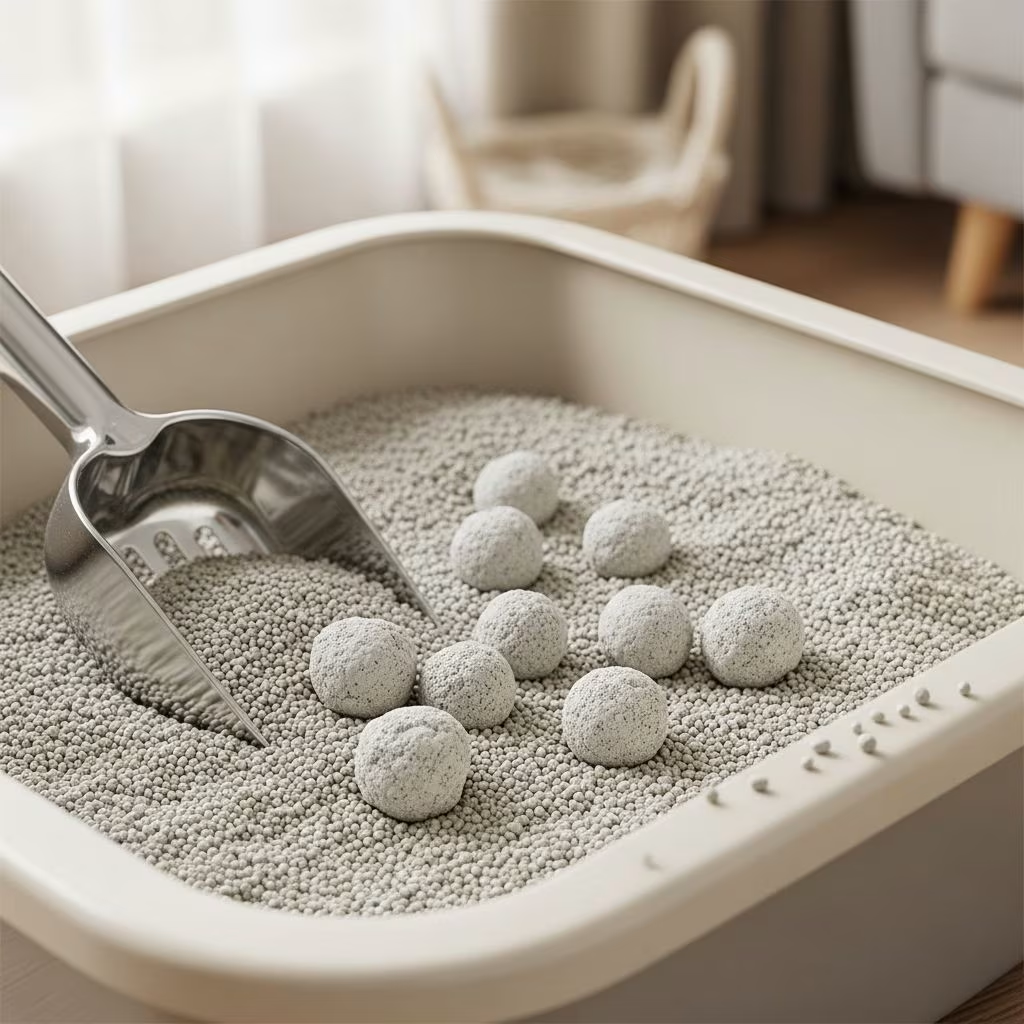
Clumping cat litter revolutionizes litter box maintenance by forming solid masses around moisture, enabling precise waste removal while preserving unused portions. This feature sets it apart from traditional options, offering efficiency for busy pet owners.
How Clumping Cat Litter Functions
At its core, clumping litter relies on sodium bentonite clay, which activates upon contact with urine to create tight, scoopable balls. These clumps trap liquids and odors effectively, minimizing spread within the box. Unlike absorbent-only materials, this mechanism allows daily spot-cleaning instead of full replacements, extending the litter’s usability.
The process begins when moisture hits the fine particles, triggering a chemical reaction that binds them together. Feces sit atop or mix in, forming removable units via a simple scooper tool. This targeted approach reduces bacterial growth and maintains hygiene levels suitable for indoor living.
Key Advantages of Clumping Varieties
Owners praise clumping litter for streamlining routines and enhancing home freshness. Here are the primary benefits:
- Superior Odor Neutralization: Clumps seal waste, preventing volatile compounds from escaping into the air, which proves especially valuable in apartments or multi-pet homes.
- Effortless Maintenance: Scooping takes seconds, leaving dry litter intact and reducing refill frequency to once every few weeks.
- Long-Term Savings: Initial higher cost offsets through less frequent purchases, as only soiled parts exit the box.
- Health Monitoring Aid: Distinct clumps reveal urine volume and color changes, signaling potential urinary issues early.
- Hygiene Boost: Prompt removal curtails pathogen proliferation, fostering a cleaner environment for cats and humans alike.
In multi-cat setups, this litter shines by handling increased waste loads without rapid odor escalation or saturation.
Potential Downsides to Consider
No litter type is flawless; clumping options carry notable limitations that demand attention.
| Drawback | Impact | Mitigation |
|---|---|---|
| Dust Generation | Airborne particles irritate respiratory systems in cats or owners with allergies. | Opt for low-dust formulas; pour slowly. |
| Higher Upfront Price | Bags cost more per unit than basic absorbents. | Calculate per-use expense; benefits often balance it out. |
| Ingestion Hazards | Clay expands in stomachs, risking blockages in kittens or pica-prone cats. | Use natural alternatives like tofu for young pets. |
| Tracking Issues | Fine grains stick to paws, scattering around homes. | |
| Weight for Traditional Bags | Heavy loads challenge transport, especially upstairs. | Choose lightweight versions. |
Dust remains a frequent complaint, particularly with clay-based products, though modern low-dust iterations address this partially.
Clumping vs. Non-Clumping: A Direct Comparison
Non-clumping litters absorb moisture into granules without solidification, necessitating full box dumps more often. Clumping excels in targeted cleanup, but non-clumping appeals for affordability and kitten safety.
| Feature | Clumping | Non-Clumping |
|---|---|---|
| Cleaning Method | Scoop clumps daily | Stir solids; full change weekly |
| Odor Control | Excellent (seals waste) | Moderate (evaporation aids needed) |
| Cost Efficiency | Better long-term | Cheaper initially |
| Kitten Safety | Risky if eaten | Generally safer |
| Dust/Tracking | Often higher | Variable, sometimes lower |
Most experts favor clumping for adult cats due to convenience, but non-clumping suits budgets or young animals better.
Types of Clumping Litters Available
- Clay-Based: Classic choice with strong clumping; dusty but effective.
- Natural (Tofu, Corn, Walnut): Biodegradable, low-dust, safer if ingested; eco-friendly appeal.
- Lightweight: Easier to handle, less tracking despite smaller particles.
- Crystal/Silica: Absorbs rapidly, lightweight, but less common for pure clumping.
Natural variants gain traction for sustainability, though they may clump softer than clay.
Selecting the Ideal Clumping Litter
Match choices to household dynamics: multi-cat families prioritize odor power; allergy sufferers seek dust-free. Test small bags first, observing your cat’s acceptance—texture influences usage.
- Ensure 99% dust-free claims hold via reviews.
- Prioritize unscented for sensitive noses.
- Verify flushability only if manufacturer-approved; many clays harm plumbing.
For kittens under 8 weeks, delay clumping until weaning completes.
Optimal Usage and Maintenance Practices
Fill boxes 3-4 inches deep for digging satisfaction. Scoop twice daily, topping off as needed. Full refresh every 2-4 weeks prevents ammonia buildup.
- Position in quiet, accessible spots.
- Use enclosed trays to curb tracking.
- Mix gently if odors emerge early.
- Monitor for rejection signs like accidents.
Pair with mats and automatic scoopers for hands-free appeal in larger homes.
Addressing Common Health and Safety Concerns
Bentonite clay poses GI risks if swallowed, expanding like cement—critical for exploratory kittens. Natural litters dissolve harmlessly, ideal alternatives. Respiratory dust affects asthmatic cats; ventilated boxes help. Always consult vets for chronic issues.
Frequently Asked Questions
Is clumping litter safe for all cats?
Not for kittens or ingest-prone adults; opt for non-clay then.
Does it really save money?
Yes, over months, due to partial changes versus total dumps.
How to minimize dust?
Select premium low-dust brands and avoid shaking bags vigorously.
Can I flush clumped waste?
Only specific natural types; clay clogs sewers.
Why might my cat avoid it?
Scent, texture mismatch, or unclean box—transition gradually.
Environmental Impact Considerations
Clay mining scars landscapes, non-biodegradable. Shift to plant-based clumpers reduces landfill burden, some compostable post-use. Weigh eco-profiles alongside performance.
References
- Non-Clumping Vs Clumping Cat Litter: Which is Better for Your Cat? — SuperTails. 2023. https://supertails.com/blogs/posts/non-clumping-vs-clumping-cat-litter-which-is-better-for-your-cat
- Clumping vs Non-Clumping Cat Litter: What’s the Difference? — Tuft & Paw. 2023. https://www.tuftandpaw.com/blogs/cat-guides/clumping-vs-non-clumping-cat-litter
- Find Out Which Clumping or Non-Clumping Cat Litter to Use — Cat Evolution. 2023. https://catevolution.com.au/blogs/cat-care/find-out-which-clumping-or-non-clumping-cat-litter-to-use
- Lightweight Cat Litter vs. Regular Clumping Litter — Arm & Hammer. 2024. https://www.armandhammer.com/en/articles/lightweight-litter-vs-regular-clumping-litter
- Should I choose clumping litter or non-clumping litter? — Tippaws. 2023. https://www.tippaws.com/blogs/news/should-i-choose-clumping-litter-or-non-clumping-litter
- Clumping vs Non-Clumping Cat Litter: What’s the Difference? — The Refined Feline. 2023. https://www.therefinedfeline.com/clumping-vs-non-clumping-cat-litter/
- Cat Litter: Is Clumping Or Non-Clumping Litter Better? — Petstock. 2023. https://www.petstock.co.nz/blog/articles/cat-litter-to-clump-or-not-to-clump



