

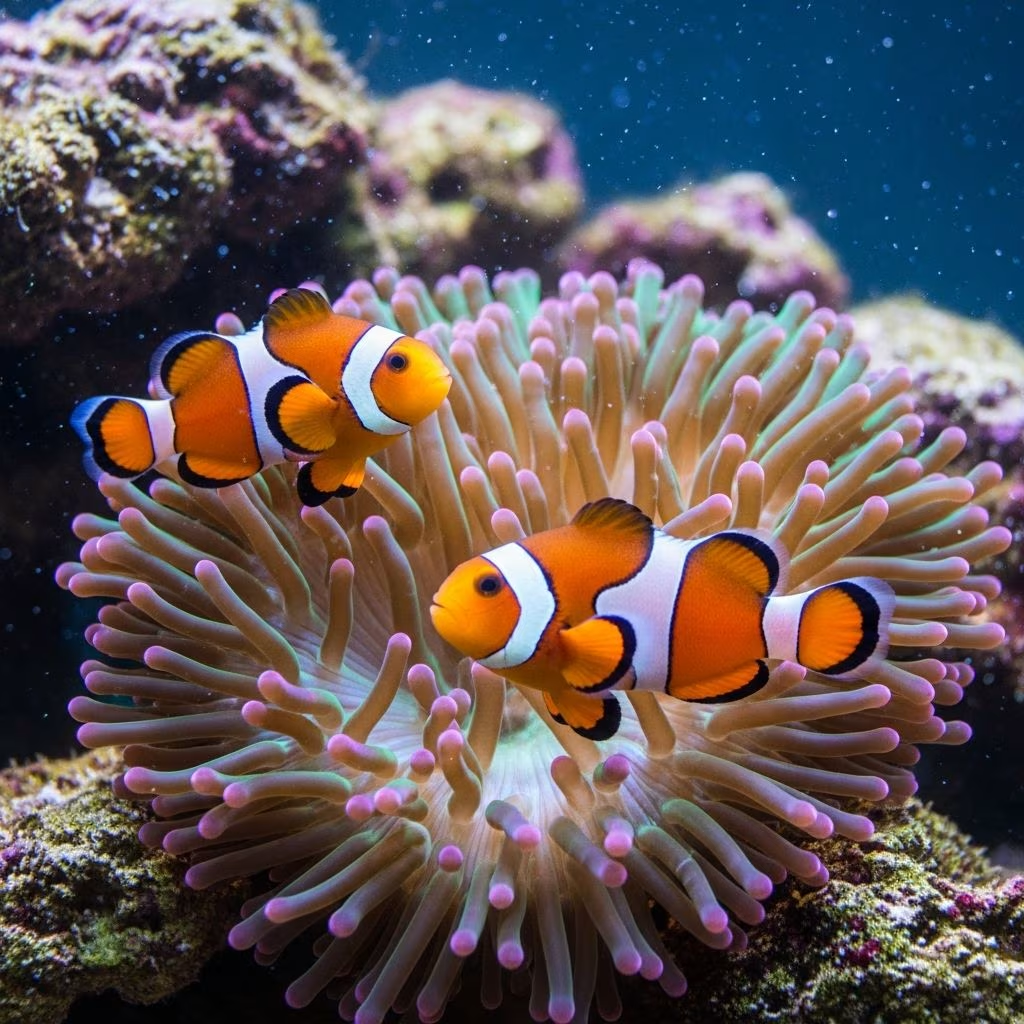
Clownfish Care Sheet: A Comprehensive Guide
Clownfish are among the most popular and recognizable fish in the aquarium hobby, made famous by movies and their vibrant coloration. These charming marine fish are relatively hardy and beginner-friendly, making them an excellent choice for those new to saltwater aquariums. However, proper care and attention to their specific needs are essential to ensure they thrive in captivity. This comprehensive guide covers everything you need to know about clownfish care, from tank setup to nutrition and maintenance.
Clownfish Overview and Characteristics
Clownfish belong to the family Pomacentridae and are known for their distinctive orange and white striped pattern. These small but personality-filled fish are native to coral reef environments in the Indo-Pacific region. Understanding their basic characteristics will help you provide appropriate care in your aquarium.
| Characteristic | Details |
|---|---|
| Care Difficulty | Beginner |
| Average Lifespan | 10-20 years with proper care |
| Adult Size | 3-6 inches depending on species |
| Diet Type | Omnivorous |
| Minimum Tank Size | 10-29+ gallons |
| Water Temperature | 74-80°F |
| pH Level | 7.8-8.4 |
| Specific Gravity | 1.020-1.025 |
Setting Up the Perfect Clownfish Tank
Tank Size and Space Requirements
A minimum 20 to 30-gallon tank is recommended for a pair of clownfish, though larger aquariums offer better stability and more flexibility for adding compatible tankmates. For a single clownfish, a 10-gallon tank can work, but a 20-gallon or larger system provides superior water stability and maintains more consistent parameters. Larger tanks buffer against temperature and pH fluctuations more effectively, creating a more forgiving environment for your fish.
Substrate Selection
The bottom of your clownfish tank should be lined with 1-2 inches of sand or gravel substrate specifically designed for marine aquariums. Use approximately 1.5 pounds of substrate per gallon of water. For example, a 20-gallon tank requires about 30 pounds of substrate to create the appropriate depth. Quality substrate provides beneficial surfaces for bacterial colonization and allows for natural foraging behaviors.
Live Rock and Décor
Live rock is essential for creating a natural environment and providing hiding places for your clownfish. Live rock should be fully cured before adding it to your aquarium to remove dead or decaying microorganisms that can increase ammonia levels. Always wear gloves when handling live rock to protect both yourself and maintain the rock’s beneficial bacteria. Additionally, include live anemones if desired, as clownfish form symbiotic relationships with certain anemone species, though clownfish can thrive without anemones in aquariums.
Water Parameters and Chemistry
Temperature Control
Maintaining consistent water temperature is critical for clownfish health. The ideal temperature range is 74-80°F, with 75-82°F being optimal for many captive-bred specimens. Install a high-quality aquarium heater to maintain stable temperatures and check the thermometer daily. Temperature fluctuations stress fish and can lead to disease susceptibility.
pH and Salinity Levels
Clownfish require marine saltwater conditions with specific gravity between 1.020-1.025 and pH levels between 7.8-8.4. Most aquarists maintain pH between 8.0-8.4 for optimal reef compatibility. Regular testing ensures these parameters remain stable. Use a quality aquarium test kit to monitor pH, ammonia, nitrite, nitrate, and carbonate hardness at least weekly during the first two months after adding fish and once weekly thereafter.
Filtration and Water Quality
Invest in a biological filtration system that supports beneficial bacteria colonies. A protein skimmer is highly recommended for removing organic waste and maintaining water quality. Quality filtration prevents toxic ammonia and nitrite buildup while maintaining nitrate levels below 10 ppm. Inspect your filter regularly to ensure proper operation and clean filter media monthly or rinse it in old tank water during water changes.
Lighting Requirements
Overhead tank lighting is recommended to maintain a proper day-night cycle for your clownfish. While clownfish alone don’t require particularly bright lighting, brighter lights are necessary if you keep them with live corals. Position the tank away from direct sunlight, loud noises, vibrations, and sudden movements, as these stressors can negatively impact fish health and behavior.
Clownfish Diet and Nutrition
Feeding Schedule
Clownfish are omnivorous and should be fed small amounts 1-2 times daily. At each feeding session, provide only enough food that the fish can consume within 1-2 minutes. Remove any uneaten food daily to prevent water quality degradation and maintain clean tank conditions.
Food Variety and Types
Offer a varied diet consisting of appropriately sized flakes, pellets, frozen foods, and fresh marine algae-based foods. This dietary diversity ensures nutritional completeness. Quality options include frozen mysis shrimp, brine shrimp, and high-quality marine flakes or pellets. Thaw frozen foods before feeding and vary food types daily to prevent nutritional deficiencies and maintain fish interest.
Tank Maintenance and Cleaning
Water Changes
Perform partial water changes of 10-25% of the total aquarium volume every 2-4 weeks, or more frequently if needed based on water quality tests. Never drain and replace the entire tank water, as this removes beneficial bacteria essential for maintaining a stable ecosystem. Use a siphon vacuum to remove waste and old food from the gravel bottom during water changes.
Substrate and Gravel Maintenance
Use an aquarium-safe siphon vacuum to remove waste from the substrate during water changes. This prevents ammonia and nitrite buildup while also draining water for replacement. Avoid disturbing the substrate excessively, as you want to preserve beneficial bacteria colonies.
Décor and Accessory Cleaning
Remove accessories and artificial plants with significant algae growth during maintenance sessions. Use an algae pad and hot water to scrub algae and debris. For stubborn buildup, soak accessories in a 3% bleach solution for 15 minutes, then rinse thoroughly with running water until no bleach smell remains. Allow decorations to fully air-dry before returning them to the tank to ensure no bleach residue contacts your fish.
Filter Maintenance
Inspect filters regularly to ensure proper operation and check for algae buildup. Follow manufacturer instructions when cleaning filters. Replace filter media monthly or rinse it in old tank water during water changes. Never use hot water, bleach, or chemicals when cleaning filter media, as these kill beneficial bacteria essential for water stability.
Water Treatment and Additives
Add dechlorinated water treated with a water conditioner when replacing tank water. A water conditioner removes toxic chemicals like chlorine, chloramines, and heavy metals that can harm your clownfish. Use only aquarium-safe products to clean tank exteriors, avoiding household cleaners containing ammonia or other fish toxins.
Health and Disease Prevention
Monitoring Fish Health
Observe your clownfish daily for signs of illness or stress. Healthy clownfish display vibrant coloration, active behavior, and normal feeding responses. Watch for symptoms like unusual spots, torn fins, labored breathing, or loss of appetite, which may indicate disease or poor water conditions.
Quarantine New Fish
Always quarantine new fish in a separate tank for 2-4 weeks before introducing them to your main aquarium. This prevents disease spread to established fish and allows observation of new specimens for health issues. After adding new fish or equipment, test water quality weekly for at least two months to ensure parameters remain optimal.
Water Quality Monitoring
Test water parameters regularly using reliable aquarium test kits. Critical parameters include pH, ammonia, nitrite, nitrate, carbonate hardness, and specific gravity. Maintain ammonia and nitrite at zero ppm, nitrate below 10 ppm, and pH between 8.0-8.4. Test weekly until your aquarium is fully established, then monthly thereafter under normal conditions.
Clownfish Behavior and Temperament
Clownfish are generally peaceful and entertaining fish with distinct personalities. They may become territorial as they mature, particularly if bonded with anemones. Most clownfish coexist peacefully with compatible tankmates, though individual personalities vary. Provide adequate space and hiding spots to reduce territorial aggression. Many aquarists enjoy keeping pairs of clownfish together, which often form strong bonds.
Compatible Tankmates
Clownfish can share tanks with various compatible species including other peaceful reef fish, compatible corals, and non-aggressive invertebrates. Avoid keeping them with aggressive predatory fish or species known to harass smaller fish. Research specific compatibility before adding new tankmates to ensure peaceful coexistence. Tank size plays an important role in compatibility, as larger aquariums provide more territory and reduce competitive stress.
Breeding Clownfish
Reproduction Basics
Clownfish are sequential hermaphrodites, meaning individuals can change sex under certain conditions. In captivity, bonded pairs may spawn regularly, producing hundreds or thousands of eggs. Breeding clownfish requires dedication and specific knowledge about egg and fry care.
Caring for Clownfish Fry
Feeding clownfish fry represents one of the most challenging aspects of breeding. During the first week, fry are too small for standard fish food and require live planktonic organisms like enriched rotifers. After 5-7 days, fry can transition to newly hatched baby brine shrimp, then gradually to crushed flake food or pellets. Water quality demands extreme attention during fry rearing, as they’re highly sensitive to ammonia, nitrite, and pH fluctuations. Daily water changes and gentle cleaning are essential for fry survival.
Seasonal Care Considerations
Maintain consistent care year-round, as clownfish are tropical fish without distinct seasonal requirements in captivity. However, ensure heaters function properly during colder months and verify temperature stability during warm seasons. Monitor equipment regularly regardless of season and perform maintenance consistently throughout the year.
Frequently Asked Questions
Q: What is the minimum tank size for clownfish?
A: While a single clownfish can survive in a 10-gallon tank, a 20-30 gallon tank is recommended for a pair. Larger tanks provide better water stability and allow for additional compatible tankmates, creating a more forgiving environment.
Q: How often should I perform water changes?
A: Perform partial water changes of 10-25% of the tank volume every 2-4 weeks. More frequent changes may be necessary if water quality tests indicate elevated nitrate or other parameter issues.
Q: Can clownfish live without an anemone?
A: Yes, clownfish thrive in aquariums without anemones. While they form beautiful symbiotic relationships with certain anemone species in the wild, captive clownfish adapt well to anemone-free environments.
Q: How many times daily should I feed my clownfish?
A: Feed clownfish 1-2 times daily in small portions they can consume within 1-2 minutes. Overfeeding leads to water quality problems and health issues, so feed conservatively and remove uneaten food daily.
Q: What temperature should my clownfish tank maintain?
A: Maintain water temperature between 74-80°F, with 75-82°F being ideal for many captive-bred clownfish. Check temperature daily with an accurate thermometer and use a quality heater to maintain stability.
Q: How long do clownfish live in captivity?
A: With proper care, clownfish can live 10-20 years in captivity. Lifespan depends on species, water conditions, diet, and overall care quality. Consistent maintenance and attention to their needs promotes longevity.
References
- Clownfish Care Sheet — PetMD. 2024. https://www.petmd.com/fish/clownfish-care-sheet
- Tropical Marine Fish: How to Care for Clownfish — Ornamental Aquatic Trade Association. September 2022. https://ornamentalfish.org
- Ocellaris Clownfish Care Guide — Coralife Products. 2024. https://www.coralifeproducts.com/care-guides/ocellaris-clownfish
- Clownfish Care: Finding Nemo in Your Home — LiveAquaria. 2024. https://www.liveaquaria.com/article/126/?aid=126
- Vet 2025 Guide: Clownfish Care & Aquarium Essentials — AskAVet.com. 2025. https://askavet.com/blogs/news/vet-2025-guide-clownfish-care-aquarium-essentials



