

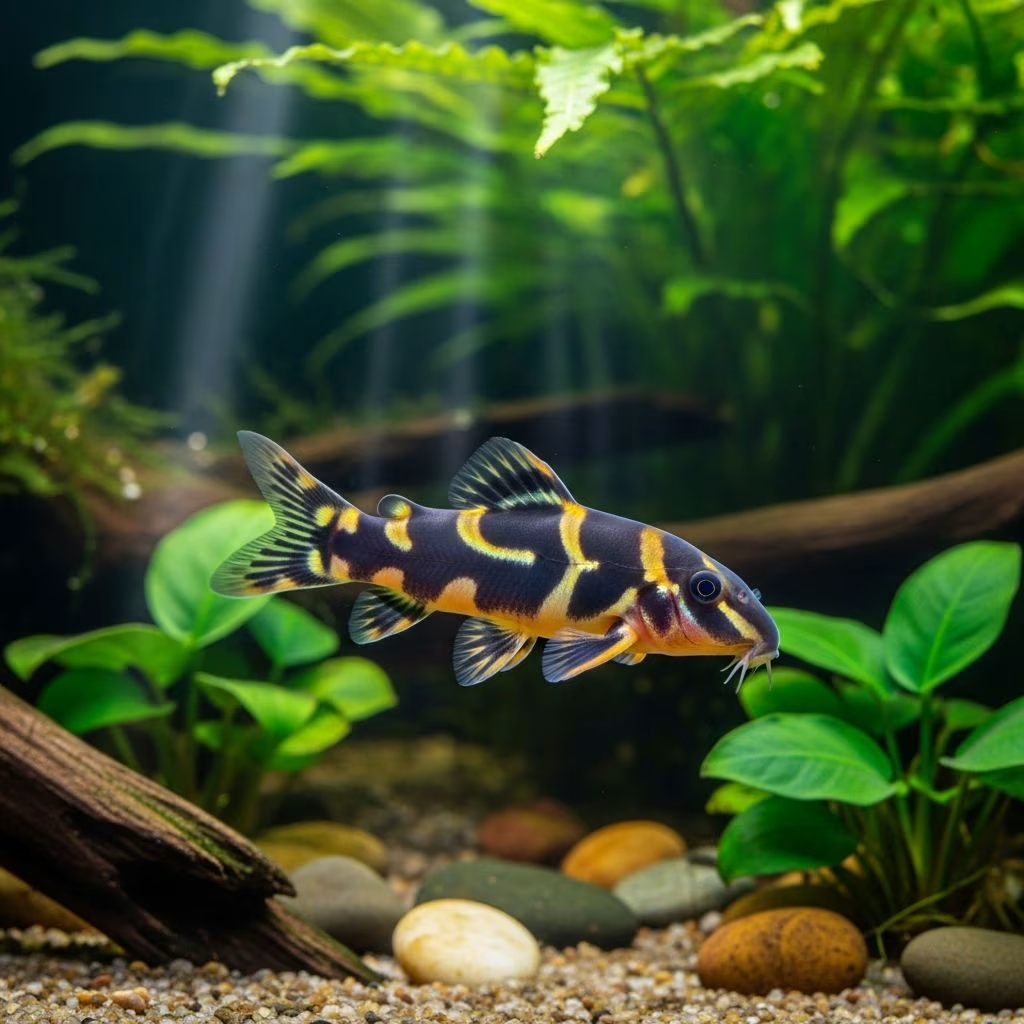
Clown Loach Care Tips: Complete Guide to Keeping These Vibrant Fish
Clown loaches are beautiful, active, and long-lived fish that make an excellent display in any aquarium. These striking fish, with their distinctive orange and black banding, have become increasingly popular among aquarists of all skill levels. However, successful clown loach care requires understanding their specific needs, particularly their preference for warm water and group living. Whether you’re a beginner or an experienced aquarist, this comprehensive guide will help you create an ideal environment where your clown loaches can thrive for many years.
Understanding Clown Loach Behavior and Social Needs
One of the most critical aspects of clown loach care is recognizing that these fish are inherently social creatures. Clown loaches are schooling fish and should never be kept alone. They require the company of at least five or more individuals to feel secure and display their natural behaviors. When kept in proper groups, clown loaches exhibit fascinating social dynamics, playing together, establishing hierarchies, and creating a dynamic ecosystem within your tank.
These fish are known for their playful, curious nature and often behave like underwater puppies, investigating their environment and interacting with their tankmates. However, they can be somewhat shy and will retreat when startled or stressed. This behavior is entirely normal and demonstrates their need for adequate hiding places and secure spaces within the aquarium where they can feel protected.
Tank Size and Setup Requirements
Given that clown loaches can grow quite large, reaching up to 12 inches in length, the tank size requirements are substantial. For a small group of five clown loaches, a minimum 75-gallon tank is necessary as a bare minimum. However, as these fish mature and grow, you must be prepared to move them into even larger tanks, eventually providing at least 5 to 10 gallons for each adult fish. This means a group of five adults would ideally require a 100+ gallon aquarium to maintain optimal water quality and provide adequate swimming space.
The aquarium should be densely planted on at least one side of the tank, as clown loaches prefer to spend time in shadowy areas where they feel secure. The more hiding places you provide—including caves, driftwood, and dense vegetation—the more confident and visible your fish will be in the open water. This creates a positive feedback loop where adequate shelter actually encourages your clown loaches to swim openly rather than hiding constantly.
Water Parameters and Temperature Control
Clown loaches originate from warm tropical waters, specifically Southeast Asian river systems. To replicate their natural habitat, maintaining proper water conditions is absolutely essential for their health and longevity.
| Parameter | Ideal Range | Notes |
|---|---|---|
| Temperature | 78–79°F (25.5–26°C) | Range 72–86°F; higher temps help prevent ich |
| pH Level | 6.5–7.5 | Wide tolerance; avoid sudden shifts |
| Water Hardness | 8–12 dKH | Moderate hardness; not overly fussy |
Temperature control is particularly important. While clown loaches can tolerate a range from 72°F to 86°F, the sweet spot is around 78–79°F. Some experienced aquarists keep the water in the high 70s to low 80s Fahrenheit to help prevent ich (white spot disease), to which these fish are particularly susceptible. To maintain consistent temperature, invest in a reliable heater and consider a backup heater in case of power outages, as clown loaches are sensitive to temperature fluctuations.
Regular water testing is essential to ensure these parameters remain stable. Use a reliable testing kit and check your aquarium every few days. Consistent water conditions are crucial for preventing stress-related illnesses and maintaining your fish’s overall health.
Water Quality and Filtration
Clown loaches require excellent water quality, which means maintaining low levels of ammonia, nitrite, and nitrate. Standard filtration equipment will work adequately, provided it can effectively cycle the tank to remove harmful compounds. A high-quality canister filter is recommended for larger setups.
Perform regular water changes of 25–30% weekly to maintain water quality. During these maintenance sessions, always monitor temperature to ensure replacement water matches the existing tank temperature. The aquarium should have adequate water movement to provide good oxygenation, but clown loaches also need quiet zones where water movement is minimal. Using powerheads strategically can help create this balance, simulating their natural river environments with varying current speeds.
Substrate, Plants, and Decorations
Clown loaches have sensitive barbels (whisker-like sensory organs) that can be damaged by rough substrates. Always use soft, smooth substrates such as sand or fine gravel. These materials allow the fish to comfortably sift through the substrate without injury.
Live plants serve multiple purposes in a clown loach tank. They provide shelter, reduce stress, and help maintain water quality by consuming excess nutrients. However, be aware that clown loaches will nibble on soft-leaved, fast-growing plants like Cabomba or Anacharis. Consider using hardy plants that can withstand some nibbling, or accept that these plants may require frequent replacement.
Driftwood and rocks are essential decorative elements that create the hiding places and shadowy areas clown loaches prefer. An interesting behavioral note: clown loaches will often school with tiger barbs, especially if the two species are similar in size. This compatibility makes them suitable additions to community tanks with appropriate tankmates.
Lighting Considerations
In their natural habitat, clown loaches live in waters that are relatively dark due to dense vegetation and murky conditions. Strong aquarium lighting can stress these fish and disrupt their natural biological cycles. Moderate to subdued lighting is preferred. Consider using floating plants to diffuse bright light, or invest in dimmable lighting fixtures that allow you to adjust intensity based on your fish’s behavior and preferences.
Diet and Feeding Practices
Clown loaches are omnivores with hearty appetites and require a varied diet to maintain optimal health and vibrant coloration. A well-rounded feeding program should include:
- High-quality sinking pellets as the staple diet
- Frozen or live foods including bloodworms and brine shrimp
- Fresh vegetables such as blanched zucchini, squash, cucumber, and spinach
- Spirulina wafers or algae sheets for plant matter
- Occasional snails, which also help control snail populations in the tank
Feed your clown loaches 1–2 times daily, providing only the amount they can consume within 10 minutes. Remove any uneaten food promptly to maintain water quality and prevent ammonia spikes. A convenient way to provide vegetable matter is to microwave slices of zucchini, squash, or potato for about 20 seconds to soften them slightly, making them easier for the fish to consume.
Plant matter is particularly important for clown loaches’ digestive health. If live plants aren’t available or are being consumed too quickly, supplement with commercial vegetable-based foods to ensure proper nutrition and digestion.
Common Health Issues and Prevention
Ich (White Spot Disease)
Clown loaches are especially prone to ich, a parasitic infection that appears as white spots on the body and gills. This vulnerability often stems from stress experienced during collection and transportation. Ich is easily preventable and manageable with proper care:
- Purchase clown loaches that have been in your local fish store for at least a week to ensure they’re healthy
- Maintain higher water temperatures (82–86°F) to help prevent and control ich outbreaks
- Always use a quarantine tank before introducing new fish to your main display
- If ich does develop, raise temperature to 86°F for 5–7 days to accelerate the parasite’s life cycle
- Use medications labeled as safe for scaleless fish if necessary
Skinny Disease
Also known as nematode infection, skinny disease manifests as rapid weight loss despite the fish appearing to eat normally. If you notice this condition, treat affected fish with antiparasitic medications like Levamisole and ensure optimal feeding practices with high-quality, varied foods.
Stress and General Prevention
Stress is the underlying cause of most health problems in clown loaches. Prevent stress by maintaining excellent water quality, providing adequate hiding places, avoiding sudden changes in temperature or pH, and keeping appropriate group sizes. Prevention is always more effective and less costly than treating illness after it develops.
Quarantine Protocol
One of the most important practices in clown loach care is properly quarantining new fish before introducing them to your main display tank. Set up a quarantine tank (a 10–15 gallon aquarium equipped with a sponge filter, heater, and cover) and keep all new clown loaches in this separate environment for at least two weeks. This practice prevents the introduction of diseases and parasites to your main tank.
During quarantine, treat new clown loaches with one or two doses of quinine to eliminate any latent infections. Only after confirming that the fish are eating well, showing no signs of disease, and behaving normally should you transfer them to the main tank. This quarantine protocol should be applied to all new fish, not just clown loaches, to maintain overall tank health.
Tank Mate Compatibility
Clown loaches are peaceful, non-aggressive fish suitable for community tanks. They coexist well with other calm species and can even school with tiger barbs of similar size. When selecting tank mates, choose other peaceful fish that won’t harass or outcompete clown loaches for food and space. Avoid aggressive species or rapid feeders that might consume all available food before clown loaches reach it.
Long-Term Care and Commitment
Clown loaches can live 10–15 years or longer with proper care, making them a long-term commitment. As they grow, you may need to upgrade to larger tanks to accommodate their size and maintain water quality. Plan for this growth trajectory when deciding whether to keep clown loaches. With dedication to proper care, quarantine procedures, and water maintenance, you’ll enjoy these remarkable fish for many years to come.
Frequently Asked Questions (FAQs)
Q: What is the minimum tank size for clown loaches?
A: A 75-gallon tank is the bare minimum for a small group of five clown loaches. As they mature, plan for 5–10 gallons per adult fish, potentially requiring 100+ gallon tanks for established groups.
Q: Can clown loaches be kept alone?
A: No, clown loaches are schooling fish and should never be kept alone. They require groups of at least five to display natural behaviors and feel secure.
Q: How often should I perform water changes?
A: Perform 25–30% water changes weekly to maintain excellent water quality and prevent the buildup of harmful compounds.
Q: Are clown loaches sensitive to temperature changes?
A: Yes, clown loaches are sensitive to temperature fluctuations. Maintain stable temperatures between 78–79°F and consider backup heaters to prevent drops during power outages.
Q: What should I feed clown loaches?
A: Provide a varied diet including high-quality sinking pellets, frozen or live foods, blanched vegetables, spirulina wafers, and occasional snails. Feed 1–2 times daily with amounts they can consume in 10 minutes.
Q: How long do clown loaches live?
A: With proper care, clown loaches can live 10–15 years or longer, making them a significant long-term aquarium commitment.
References
- Comprehensive Guide to Clown Loach Care: Habitat, Diet, Behavior — Aqua-fish.net. 2025. https://en.aqua-fish.net/articles/clown-loach-care-pictures
- Clown Loach Care: Tank Size, Food, Lifespan, Tank Mates — Aquarium Source. 2025. https://www.aquariumsource.com/clown-loach/
- Clown Loach Care Guide: Everything You Need to Know — Rockland Aquarium. 2025. https://www.rocklandaquarium.com/blogs/news/clown-loach-care-guide-everything-you-need-to-know-1
- Care Guide for Clown Loaches – The Pack of Underwater Puppies — Aquarium Coop. 2025. https://www.aquariumcoop.com/blogs/aquarium/clown-loach
- What to Know About Clown Loaches — WebMD Pets. 2025. https://www.webmd.com/pets/what-to-know-about-clown-loaches



