

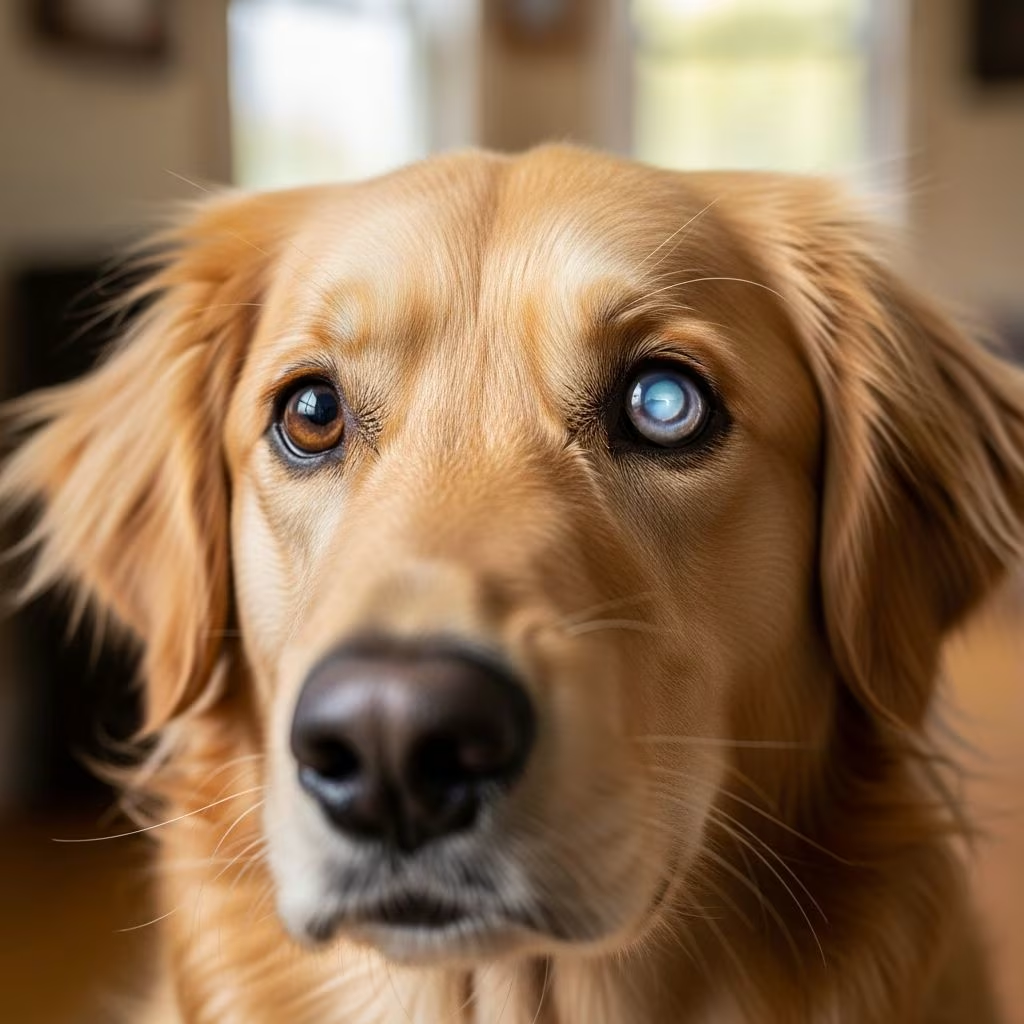
Cloudy or hazy eyes in dogs often signal underlying health issues that range from harmless aging changes to vision-threatening emergencies. Prompt recognition of symptoms and veterinary intervention can preserve your dog’s sight and comfort. This guide breaks down the primary culprits, diagnostic approaches, treatment options, and preventive measures to help dog owners respond effectively.
Recognizing the Signs of Eye Cloudiness
Dogs cannot verbalize discomfort, so owners must watch for subtle cues. A cloudy appearance might manifest as a bluish haze, white opacity, or milky film over one or both eyes. Accompanying symptoms include squinting, pawing at the face, redness, excessive tearing or thick discharge, light sensitivity, and behavioral shifts like bumping into objects or reluctance to play fetch.
Early detection matters because some conditions progress rapidly, leading to permanent damage. For instance, breeds like Boston Terriers, Pugs, and Shih Tzus are predisposed to certain eye disorders due to their facial structure, while larger breeds like Labrador Retrievers face higher cataract risks.
Age-Related Cloudiness: Nuclear Sclerosis Explained
Nuclear sclerosis, a common sight in senior dogs over six years old, causes a central lens hardening that gives eyes a blue-gray sheen. Unlike more severe issues, it rarely impairs vision significantly and requires no intervention. The lens nucleus compresses naturally as the outer cortex grows throughout life, creating this harmless opacity.
Distinguishing it from cataracts is crucial; nuclear sclerosis affects only the lens center and allows light transmission to the retina, maintaining functional sight. Regular wellness exams help differentiate it from treatable pathologies.
Cataracts: The Vision-Stealing Opacity
Cataracts form when lens proteins clump, forming a cloudy barrier that blocks light to the retina. They appear as white or grayish spots, progressing from small flecks to full obscuration. Inherited in breeds like Staffordshire Bull Terriers and West Highland White Terriers, they also arise from diabetes, trauma, or inflammation.
Untreated cataracts foster secondary complications like glaucoma or retinal detachment. Surgical removal via phacoemulsification offers over 90% success in restoring vision if performed before advanced stages. Post-op care includes anti-inflammatory drops and activity restrictions.
Dry Eye Syndrome: The Lubrication Crisis
Keratoconjunctivitis sicca (KCS), or dry eye, occurs when tear glands fail, often due to immune-mediated destruction. Eyes become dry, inflamed, and hazy from inadequate moisture, leading to ulcers and scarring. Symptoms feature red eyes, yellow discharge, and constant blinking.
Treatment hinges on cyclosporine or tacrolimus ointments to stimulate tear production, combined with artificial tears. Lifelong management prevents blindness, as chronic cases erode the cornea irreversibly.
Glaucoma: The Pressure Buildup Emergency
Glaucoma spikes intraocular pressure, clouding the cornea and causing enlargements or pain. Primary forms are genetic in breeds like Basset Hounds; secondary ones stem from cataracts or uveitis. Dogs show bulging eyes, dilated pupils, and severe distress.
Immediate veterinary care is vital—pressure reduction via mannitol injections or latanoprost drops can salvage vision. Advanced cases may require laser therapy or enucleation to alleviate suffering.
Corneal Disorders: Surface Disruptions
Corneal issues like ulcers, dystrophy, edema, and degeneration manifest as surface cloudiness. Ulcers erode from trauma or infection, appearing painful with squinting and discharge. Dystrophies deposit lipids or crystals genetically in breeds like Akitas, often asymptomatic but sometimes erosive.
Edema swells the cornea from injury or disease, while degeneration links to metabolic issues like hypothyroidism. Treatments vary: antibiotic ointments for ulcers, hyperosmotic agents for edema, and monitoring for dystrophies.
| Condition | Key Features | Breeds at Risk |
|---|---|---|
| Corneal Ulcer | Pain, discharge, erosion | All, esp. brachycephalic |
| Dystrophy | Opacities, minimal pain | Akitas, Siberian Huskies |
| Edema | Hazy swelling, trauma-related | Variable |
| Degeneration | Lipid deposits, metabolic ties | Diabetic or hypothyroid dogs |
Anterior Uveitis: Inner Eye Inflammation
Anterior uveitis inflames the uvea, causing cloudiness, redness, and squinting from immune responses, infections, or cancers like lymphoma. It risks glaucoma if unchecked. Vets use topical steroids like prednisolone alongside atropine for dilation and pain relief.
Addressing root causes—such as tick-borne diseases or trauma—prevents recurrences. Systemic antibiotics join if infections underlie the flare.
Diagnostic Tools for Accurate Assessment
Veterinarians employ targeted tests to pinpoint causes. The Schirmer Tear Test measures tear production, crucial for KCS diagnosis. Fluorescein stain reveals ulcers by glowing under blue light. Tonometry gauges pressure for glaucoma, while gonioscopy inspects drainage angles.
Blood panels screen for diabetes or infections, and ultrasound images lens or posterior issues. Referrals to veterinary ophthalmologists enable advanced tools like electroretinography for retinal health.
- Schirmer Tear Test: Quantifies tears in minutes.
- Fluorescein Stain: Detects epithelial defects.
- Tonometry: Measures intraocular pressure.
- Ophthalmoscopy: Examines lens and fundus.
Treatment Strategies Tailored to Causes
Therapies match diagnoses precisely. Benign nuclear sclerosis needs none. Cataracts demand surgery. Dry eye responds to immunosuppressants. Glaucoma requires pressure-lowering meds, potentially lifelong.
Ulcers heal with protective collars and antibiotics. Uveitis eases with anti-inflammatories. Supportive care like e-collars prevents self-trauma across conditions.
Prevention and Home Care Tips
Annual eye exams catch issues early, especially for at-risk breeds. Protect eyes during play with goggles for roughhousing dogs. Maintain health via vaccinations, parasite control, and diabetes screening.
At home, gently clean discharge with vet-approved saline. Avoid over-the-counter drops, which can worsen problems. Monitor for changes post-treatment and report promptly.
Frequently Asked Questions
Is cloudy eyes in dogs always serious?
Not always—nuclear sclerosis is benign. However, cataracts, glaucoma, and ulcers demand attention to avert blindness.
How quickly should I see a vet for cloudy dog eyes?
Immediately if accompanied by pain, redness, or discharge. Delays risk irreversible damage.
Can diet influence dog eye cloudiness?
Indirectly—obesity fuels diabetes, promoting cataracts. Antioxidant-rich foods support eye health.
Are there home remedies for dog eye haze?
No—self-treatment risks harm. Professional diagnosis guides safe options.
What breeds need extra eye vigilance?
Brachycephalics (Pugs), herding dogs (Collies for dystrophy), and seniors universally.
References
- Cloudy Eyes in Dogs: Causes, Symptoms, and Treatments — Wedgewood Pharmacy. 2023-05-15. https://www.wedgewood.com/blog/cloudy-eyes-in-dogs-causes-symptoms-and-treatments/
- Cloudy Eyes in Dogs: Why Are My Dog’s Eyes Cloudy? — PetMD. 2024-02-10. https://www.petmd.com/dog/symptoms/cloudy-eyes-in-dogs
- My Dog’s Eye is Cloudy: Should I Be Worried? — Wakefield Veterinary Clinic. 2023-11-20. https://wakefieldpetvet.com/blog/dogs-eye-is-cloudy/
- What causes cloudy eyes in dogs? — Fetch Pet Insurance. 2024-01-05. https://www.fetchpet.com/the-dig/cloudy-eyes-in-dogs
- Cloudy Eyes in Dogs: Is It a True Emergency? — GSVS. 2023-08-12. https://gsvs.org/blog/cloudy-eyes-in-dogs-emergency/



