

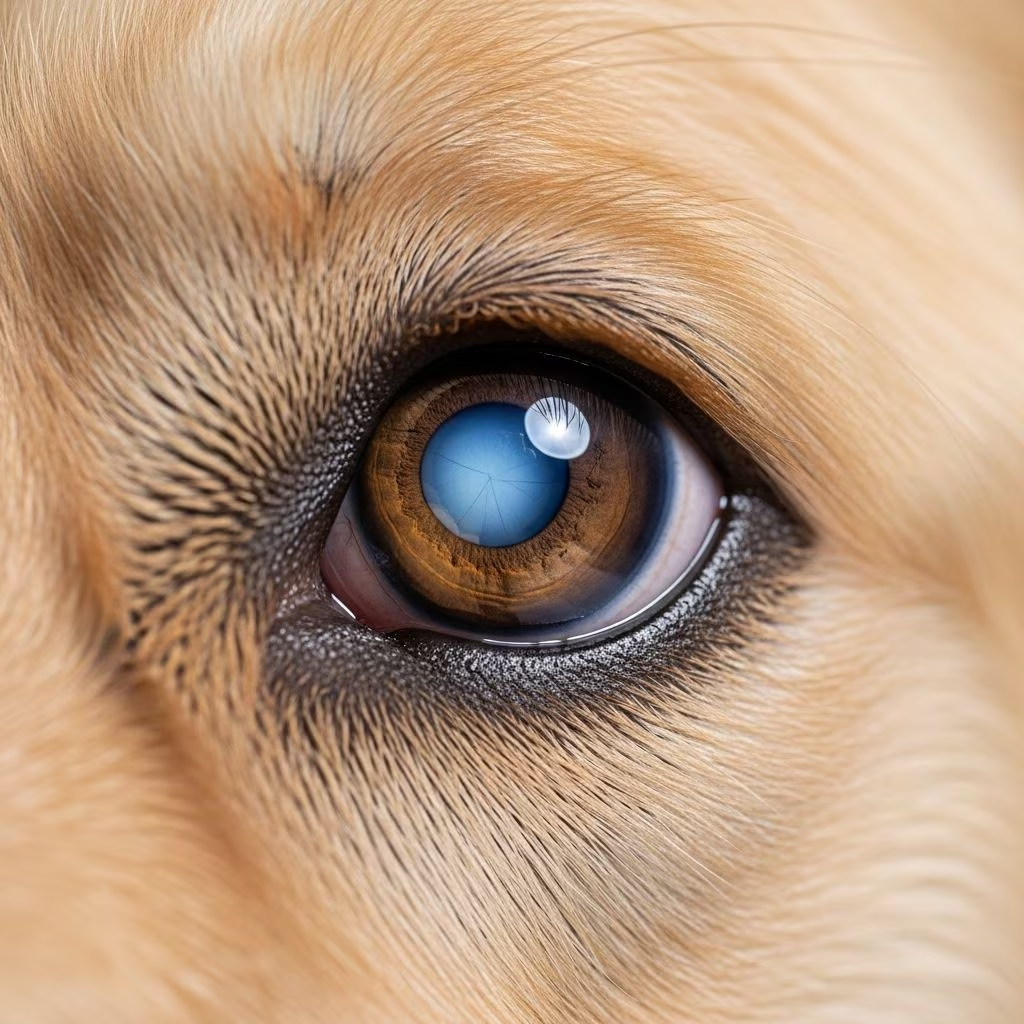
Discovering that your dog’s eyes have become cloudy can be concerning for any pet owner. While some causes of eye cloudiness are a natural part of aging and pose no threat to your dog’s quality of life, others require prompt veterinary attention to prevent vision loss or discomfort. Understanding the various conditions that create a hazy appearance in your dog’s eyes is essential for making informed decisions about your pet’s health and determining when professional care is necessary.
Why Do Dogs Develop Cloudy Eyes?
Cloudy eyes in dogs result from different underlying conditions that affect the transparency of the eye’s structures. The eye relies on clear passages for light to reach the retina, where vision processing occurs. When cloudiness develops, it interrupts this light pathway, potentially affecting your dog’s ability to see clearly. Some conditions causing this symptom are benign and require no intervention, while others demand immediate veterinary evaluation to preserve vision and prevent pain.
Age-Related Eye Changes: Nuclear Sclerosis
One of the most common causes of cloudy eyes in aging dogs is a condition called nuclear sclerosis, also known as lenticular sclerosis. This represents a natural hardening of the eye’s central lens that occurs gradually throughout your dog’s life. As dogs age, the lens cortex—the outer portion of the lens—continues to grow throughout their lifetime. This continuous growth compresses the central nucleus of the lens, causing it to become denser and harder.
The progression of nuclear sclerosis creates a characteristic bluish-gray haze that many dog owners mistake for cataracts. However, nuclear sclerosis typically does not significantly impair vision, and most dogs adapt well to this age-related change. The cloudiness develops slowly and symmetrically in both eyes. Many veterinarians consider this a normal part of canine aging, similar to presbyopia in humans.
What makes nuclear sclerosis particularly distinct from other eye conditions is that it requires no treatment intervention. Your dog can live comfortably with this condition, and it does not cause pain or progression to blindness. Regular monitoring during veterinary checkups ensures that no secondary conditions develop alongside the sclerosis.
Protein Accumulation: Cataracts
Unlike nuclear sclerosis, cataracts represent a more serious condition that can progressively impact vision. Cataracts develop when proteins within the lens begin to cluster and aggregate, creating an opaque barrier that prevents light from reaching the retina properly. This process mirrors cataract formation in humans and can occur in dogs of any age, though it is more common in senior dogs.
Cataracts may develop as a result of several factors, including genetics, diabetes, aging, trauma, or certain medications. The condition can progress at different rates depending on the underlying cause. Some dogs experience rapid cataract development within weeks, while others see gradual changes over months or years. The cloudiness typically appears whitish or bluish and may eventually obscure the entire lens.
The good news is that cataracts are highly treatable through surgical intervention. Phacoemulsification surgery, which uses ultrasonic energy to break apart and remove the cloudy lens, is the gold standard treatment. Following lens removal, an artificial intraocular lens is typically implanted to restore normal focusing ability. This surgical approach has a high success rate and good prognosis when performed by a veterinary ophthalmologist.
Moisture Deficiency: Keratoconjunctivitis Sicca
Another prevalent condition causing eye cloudiness is keratoconjunctivitis sicca, commonly referred to as dry eye or KCS. This condition occurs when dogs produce insufficient tears to maintain proper eye lubrication. Tears serve critical functions beyond just moistening the eye surface—they protect the cornea, deliver nutrients, and contain antimicrobial compounds.
In most cases, KCS develops as an immune-mediated condition where the dog’s own immune system mistakenly attacks the tear-producing glands. Several other factors can also contribute to tear deficiency, including:
- Allergic reactions affecting the eye area
- Neurological disorders disrupting tear reflex
- Certain medications like sulfonamides
- Endocrine conditions such as hypothyroidism
- Breed predisposition in certain dog breeds
Dogs with dry eye typically exhibit red, irritated eyes with a thick yellow discharge. The cornea may develop a brown discoloration, and the affected eye may appear dull and lusterless. Untreated KCS can progress to serious complications, including corneal ulcers and scarring that may lead to permanent vision loss.
Management of dry eye focuses on stimulating tear production or supplementing natural tears with artificial alternatives. Veterinarians commonly prescribe topical medications containing cyclosporine or tacrolimus, which help reduce inflammation and encourage the tear glands to produce more moisture. These medications require consistent daily application and regular monitoring to assess effectiveness.
Corneal Structural Changes
The cornea’s multiple layers can develop cloudiness through several different mechanisms. Corneal dystrophy represents an inherited condition where cloudiness develops within the corneal tissue itself. Two main types affect dogs differently:
- Epithelial corneal dystrophy: Cloudiness occurs in the cornea’s outer surface layer and appears relatively common across various dog breeds. Most affected dogs experience no symptoms beyond the visual opacity, though some may develop pain sensitivity or light sensitivity.
- Stromal corneal dystrophy: The cloudiness involves the cornea’s middle layer and typically presents in a distinctive pattern rather than uniform haziness.
Most corneal dystrophies do not require active treatment unless they cause discomfort or interfere significantly with vision. However, corneal ulcers—erosions of the corneal surface—demand prompt intervention. These painful lesions can result from trauma, dry eye, or other underlying conditions. Treatment depends on the ulcer’s cause but may include topical antibiotics, pain management, and protective eye care. Severe or non-healing ulcers may require surgical intervention.
Inflammation and Infection: Anterior Uveitis
Anterior uveitis involves inflammation of the uvea, the eye’s middle layer containing blood vessels that nourish the lens and retina. This painful condition creates cloudiness alongside other visible symptoms including redness, discharge, squinting, pupil abnormalities, and excessive tearing. The causes of anterior uveitis vary widely and may include:
- Autoimmune diseases affecting systemic health
- Infectious agents such as fungi, bacteria, or viruses
- Parasitic infestations
- Physical or chemical trauma to the eye
- Cancer affecting ocular structures
- Metabolic diseases like diabetes
Determining the underlying cause of anterior uveitis often requires comprehensive diagnostic testing. Once identified, treatment focuses on reducing inflammation and addressing the primary cause. Topical steroid medications like prednisolone are typically prescribed, sometimes combined with anti-inflammatory agents or atropine for pain relief. If infection is suspected, topical antibiotics may be added to the treatment regimen.
Increased Eye Pressure: Glaucoma
While less commonly associated with cloudiness than other conditions, glaucoma can contribute to eye haze in advanced cases. Glaucoma develops when fluid pressure within the eye increases, damaging the optic nerve and ultimately threatening vision. This is considered a painful emergency requiring urgent veterinary care. Treatment typically involves medications to reduce intraocular pressure, and surgery may be necessary if medical management proves insufficient.
Diagnostic Approach for Cloudy Eyes
Proper diagnosis is essential because different conditions require entirely different treatment strategies. Your veterinarian will conduct a comprehensive eye examination and may perform several diagnostic tests:
- Schirmer Tear Test: Measures tear production to assess for dry eye conditions
- Fluorescein Stain Test: Reveals corneal ulcers or abrasions
- Tonometry: Measures intraocular pressure to evaluate for glaucoma
- Blood tests: Identify systemic diseases that might affect the eyes
- Cytology: Examines cell samples from eye discharge
- Diagnostic imaging: Provides detailed assessment of internal eye structures
Based on examination findings, your veterinarian may refer your dog to a veterinary ophthalmologist for specialized evaluation and treatment planning.
Treatment Options: From Observation to Surgery
Treatment approaches for cloudy eyes vary significantly depending on the underlying condition:
| Condition | Primary Treatment | Prognosis |
|---|---|---|
| Nuclear Sclerosis | No treatment needed; monitoring only | Excellent; normal aging process |
| Cataracts | Surgical lens removal and replacement | Good to excellent with surgery |
| Dry Eye (KCS) | Tear-stimulating medications, artificial tears | Good with consistent management |
| Corneal Dystrophy | Observation; treatment if painful | Variable; depends on severity |
| Corneal Ulcers | Antibiotics, pain management, protective care | Good if treated promptly |
| Anterior Uveitis | Anti-inflammatory and antibiotic drops | Depends on underlying cause |
| Glaucoma | Pressure-reducing medications; possible surgery | Vision preservation depends on treatment timing |
Some conditions benefit from topical medications applied directly to the eye surface, while others require oral medications to address systemic causes. Surgical intervention may be necessary for conditions like cataracts or advanced glaucoma. Your veterinarian will recommend the most appropriate treatment based on your dog’s specific diagnosis, age, overall health, and individual circumstances.
When to Seek Emergency Care
While not all cases of cloudy eyes constitute emergencies, certain situations warrant immediate veterinary attention. You should contact your veterinarian urgently if your dog exhibits:
- Sudden onset of cloudiness with visible discomfort or pain
- Discharge that appears thick, yellow, or greenish
- Red or bloodshot appearance accompanying the cloudiness
- Squinting or reluctance to open the affected eye
- Behavioral changes suggesting vision loss
- Signs of trauma or injury to the eye area
Conditions like glaucoma, severe corneal ulcers, and anterior uveitis can progress rapidly, potentially causing permanent vision loss within hours or days if left untreated.
Supporting Your Dog’s Eye Health
Beyond addressing specific diagnosed conditions, you can support your dog’s overall eye health through preventive care:
- Schedule regular veterinary examinations, particularly as your dog ages
- Maintain proper nutrition with foods supporting eye health
- Protect eyes from trauma and environmental irritants
- Manage underlying health conditions like diabetes that affect ocular health
- Follow medication instructions precisely if your dog has a diagnosed eye condition
- Monitor for changes in your dog’s behavior or vision
Frequently Asked Questions
Can cloudy eyes in dogs be prevented?
While age-related changes like nuclear sclerosis cannot be prevented, some causes of cloudy eyes can be reduced through proper care. Managing systemic diseases, protecting eyes from injury, and maintaining good overall health may help prevent certain conditions. Regular veterinary checkups enable early detection and treatment of preventable eye problems.
Does cloudy eyes always mean vision loss?
Not necessarily. Conditions like nuclear sclerosis cause visible cloudiness without significantly affecting vision. However, cataracts and untreated glaucoma can lead to serious vision impairment. Prompt diagnosis and appropriate treatment often prevent or minimize vision loss.
Are certain dog breeds more prone to cloudy eyes?
Yes, some breeds show higher predisposition to specific eye conditions. For example, certain breeds are more susceptible to dry eye and corneal dystrophies. Discussing breed-specific health risks with your veterinarian helps with early detection and prevention.
Is cataract surgery safe for dogs?
Cataract surgery in dogs has a high success rate when performed by experienced veterinary ophthalmologists. Like any surgical procedure, it carries some risk, but the benefits of restored vision typically outweigh the risks for most dogs. Your veterinarian can discuss specific risks and benefits for your dog’s situation.
References
- Cloudy Eyes in Dogs: 7 Common Reasons — Toe Grips. Accessed January 29, 2026. https://toegrips.com/cloudy-eyes-in-dogs/
- Cloudy Eyes in Dogs: Causes, Symptoms, and Treatments — Wedgewood Pharmacy. Accessed January 29, 2026. https://www.wedgewood.com/blog/cloudy-eyes-in-dogs-causes-symptoms-and-treatments/
- Cloudy Eyes in Dogs: Causes, Symptoms & When to See a Vet — Spot and Tango. Accessed January 29, 2026. https://www.spotandtango.com/blog/cloudy-eyes-in-dogs
- Cloudy Eyes in Dogs: Why Are My Dog’s Eyes Cloudy? — PetMD. Accessed January 29, 2026. https://www.petmd.com/dog/symptoms/cloudy-eyes-in-dogs
- Cloudy Eyes in Dogs: What to Know — American Kennel Club. Accessed January 29, 2026. https://www.akc.org/expert-advice/health/cloudy-eyes-in-dogs/



