

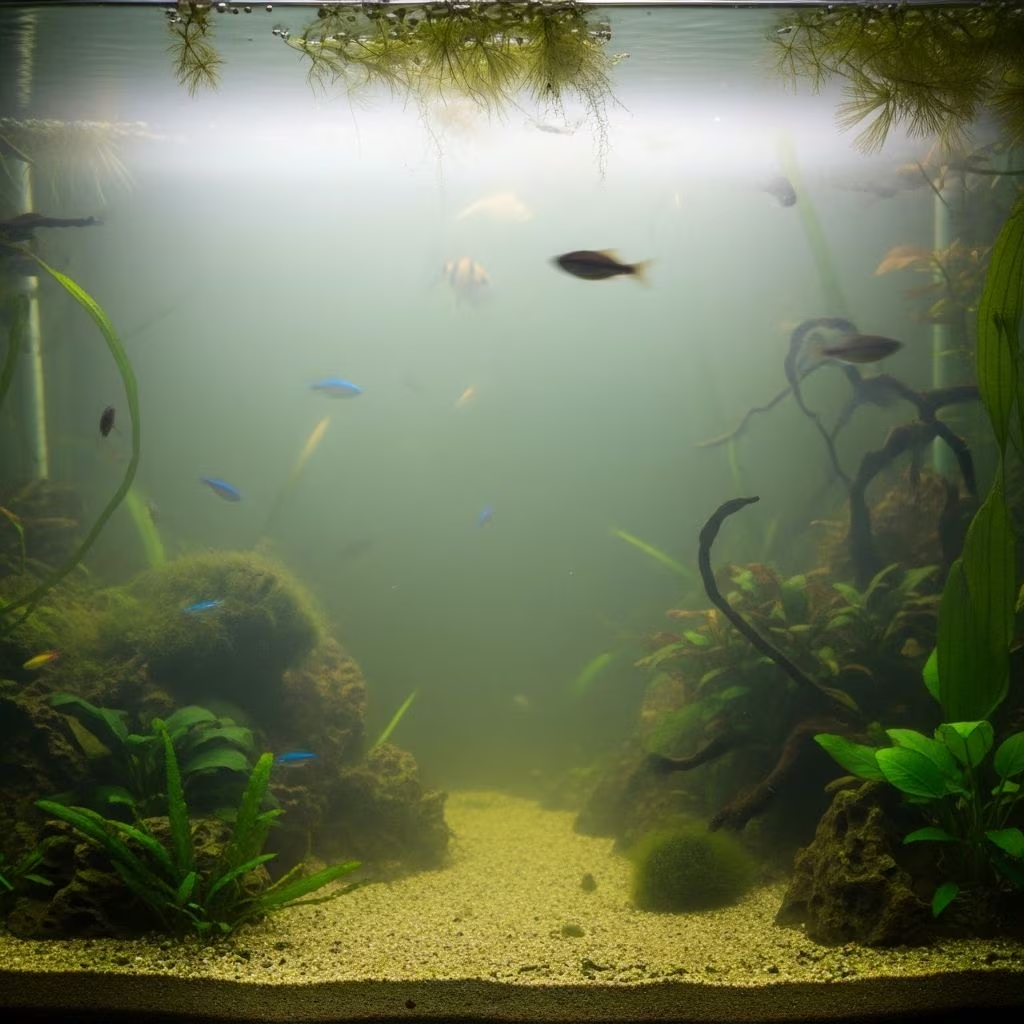
Cloudy aquarium water is a frequent issue that alarms many hobbyists, obscuring the beauty of their aquatic setups and potentially signaling underlying problems for fish health. This haze can arise from various sources, ranging from microscopic organisms to physical debris, and addressing it requires pinpointing the exact cause before applying targeted remedies.
Understanding the Nature of Hazy Water
To effectively tackle cloudy water, start by observing its characteristics. Pour a sample into a white container to assess color, texture, and settling behavior. Fine particles that settle quickly indicate debris, while persistent uniform haze often points to biological activity like bacteria or algae. This diagnostic step prevents misapplication of treatments that could worsen the situation.
Primary Culprits Behind Water Cloudiness
Several factors contribute to murky conditions in both freshwater and saltwater systems. Recognizing these helps in swift resolution.
Suspended Particles and Debris
One of the most straightforward causes involves tiny solid matter floating in the water column. This includes uneaten food remnants, fish waste, or dust from newly introduced substrates. In new tanks, unwashed gravel or sand releases fine powders that cloud the water until filtered out. Strong water currents or overzealous cleaning can also resuspend settled detritus, creating temporary turbidity.
Improperly prepared saltwater mixes or certain chemical additives, such as phosphate removers, can introduce particulates that precipitate out, forming visible haze.
Bacterial Overgrowth
A classic sign of imbalance is a bacterial bloom, where free-floating microbes proliferate rapidly due to excess nutrients. This often occurs in cycling tanks, overfed systems, or after adding too many fish at once, spiking ammonia and organic loads. Decaying matter from uneaten food or deceased inhabitants fuels this growth, depleting oxygen and stressing livestock.
Algal Blooms and Green Water
When the haze takes on a greenish tint, single-celled algae are likely responsible. Excess light exposure combined with high nutrients from waste or fertilizers promotes this ‘pea soup’ effect. While beneficial for fry as a food source, it blocks visibility and plant light.
Other Contributors
- Tannin Leaching: Driftwood or botanicals release brownish compounds, tinting water over time.
- Filtration Failures: Clogged or undersized filters fail to capture debris.
- Tank Walls: Algae or mineral buildup on glass can mimic water haziness.
Step-by-Step Troubleshooting Guide
Systematic diagnosis ensures efficient fixes. Follow this process:
- Sample Test: Use a white cup to classify the cloudiness.
- Check Parameters: Test for ammonia, nitrite, nitrate, pH, and phosphates using reliable kits.
- Inspect Equipment: Verify filter flow, aeration, and lighting duration.
- Review Maintenance: Assess feeding, stocking, and cleaning routines.
Effective Remedies for Each Cause
Clearing Suspended Particles
For debris-related haze, enhance mechanical filtration immediately. Install filter socks or pads rated at 100-200 microns to trap fines; replace them frequently until clarity returns. A polishing reactor with 1-5 micron sediment cartridges recirculates water efficiently, also aiding in parasite control.
| Method | Best For | Pros | Cons |
|---|---|---|---|
| Filter Sock | Daily debris | Easy install, cost-effective | Needs frequent cleaning |
| Polishing Reactor | Persistent fines | Highly effective, multi-use | Higher initial cost |
| Water Clarifier | Quick fix | Clumps particles fast | Temporary, may worsen initially |
Activated carbon media adsorbs organics contributing to haze; refresh monthly. During water changes, gently vacuum substrate to remove trapped waste, working in small sections to preserve beneficial bacteria. Always pre-rinse new substrates in RO/DI water.
Managing Bacterial Blooms
Address nutrient overload first: pause feeding for 1-2 days and perform 10-15% water changes every few days to dilute organics without shocking the system. Boost aeration via airstones to supply oxygen depleted by bacteria. Avoid aggressive cleaning that strips biofilters.
Optional UV sterilizers kill free-floating bacteria, providing rapid clearance, though they don’t fix root imbalances. Patience is key as the bloom naturally subsides with stability.
Combating Green Water
Reduce light to 6-8 hours daily and cover the tank for a blackout period if needed, followed by water changes to remove dead algae. UV sterilizers excel here, disrupting algal reproduction for lasting control. Long-term, balance nutrients via regular maintenance.
Handling Tannins and Wall Issues
Pre-soak or boil driftwood to minimize leaching. Chemical media like Purigen or carbon effectively binds tannins. Clean tank interiors with algae scrubbers and exteriors with safe cleaners; add backgrounds to reduce glare.
Preventive Maintenance Strategies
Proactive habits keep water pristine:
- Feed Sparingly: Only what fish consume in 2 minutes, 1-2 times daily.
- Stock Gradually: Introduce fish slowly to match biofilter capacity.
- Weekly Water Changes: 20-30% with matched parameters.
- Filter Maintenance: Rinse media in tank water monthly; upgrade as tank matures.
- Monitor Lighting: Use timers; avoid direct sunlight.
- Regular Testing: Track water chemistry bi-weekly.
Frequently Asked Questions (FAQs)
Will water clarifiers harm my fish?
Most are safe when dosed per instructions, but they flocculate debris, potentially clogging filters temporarily. Use sparingly.
How long does a bacterial bloom last?
Typically 3-7 days with proper management; avoid over-intervention.
Is cloudy water dangerous?
It indicates imbalance, risking oxygen depletion or toxin spikes. Act promptly but calmly.
Can I use bleach to clean filters?
No—tap water only to preserve bacteria. Bleach kills beneficial microbes.
What’s the best filter for clarity?
Multi-stage with mechanical, biological, and chemical media; size to 4-5x tank volume turnover hourly.
Advanced Tips for Long-Term Clarity
For enthusiasts, consider protein skimmers in saltwater setups to remove organics preemptively. Auto-top-off systems maintain salinity, preventing evaporation-induced imbalances. Integrate refugiums with macroalgae to naturally export nutrients. Regular export of waste via manual removal and controlled feeding sustains equilibrium.
Incorporate live rock or sand from mature systems to seed beneficial microbes in new tanks, accelerating cycling and stability. Monitor phosphate and nitrate closely, as elevations often precede blooms—employ binding media or water changes accordingly.
For planted tanks, dose fertilizers judiciously and employ algae-eating crew like nerite snails or otocinclus. LED lighting with adjustable spectrums minimizes unwanted growth while supporting plants.
References
- Why Is My Saltwater Tank Cloudy? Causes & Easy Fixes — Bulk Reef Supply. 2023. https://www.bulkreefsupply.com/content/post/how-to-clear-up-cloudy-water-in-a-saltwater-aquarium
- How To Fix Cloudy Water in a New Fish Tank — Aqueon. 2024. https://www.aqueon.com/articles/how-to-fix-cloudy-tank-water-for-a-new-fish-tank
- How to Clear Up Cloudy Fish Tank Water with 5 Easy Steps — Aquarium Co-Op. 2024. https://www.aquariumcoop.com/blogs/aquarium/cloudy-fish-tank



