
Clotting Disorders In Companion Animals: Vet Guide
Understanding bleeding and clotting complications in pets and livestock
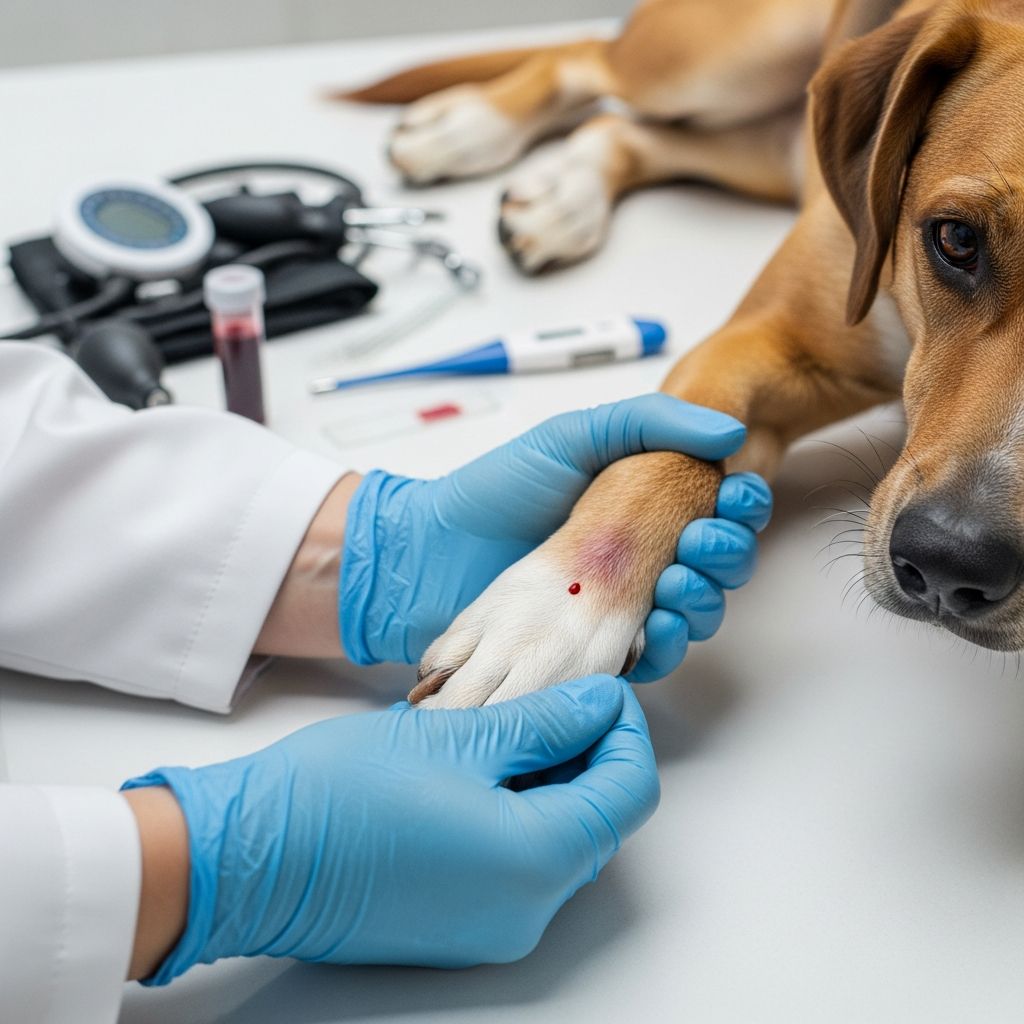
The hemostatic system—the body’s mechanism for preventing excessive bleeding and maintaining appropriate blood flow—relies on a complex interplay of cellular and protein components. When deficiencies or dysfunction occur in coagulation proteins, animals develop bleeding tendencies that can range from minor to life-threatening. Understanding these disorders is essential for veterinarians, animal caretakers, and pet owners who may encounter animals experiencing abnormal bleeding.
Fundamentals of Animal Coagulation
Coagulation involves a cascade of proteins that work sequentially to form blood clots. Coagulation factors are specialized proteins synthesized primarily in the liver, circulating through the bloodstream in inactive forms until an injury triggers their activation. The coagulation cascade functions through three major pathways: the intrinsic pathway, the extrinsic pathway, and the final common pathway, all converging to produce thrombin, which converts fibrinogen into fibrin—the structural foundation of clots.
Animals maintain hemostasis through three primary mechanisms: vasoconstriction, platelet aggregation, and the coagulation cascade. Defects in any of these systems can result in bleeding complications. Platelet disorders typically present as superficial hemorrhages, while coagulation protein deficiencies characteristically cause deeper, delayed bleeding into tissues and joints.
Classification of Coagulation Disorders
Coagulation disorders in animals are classified into two broad categories based on their origin:
- Congenital disorders result from inherited genetic mutations affecting coagulation factor synthesis or function, often manifesting early in life
- Acquired disorders develop during an animal’s lifetime due to liver disease, nutritional deficiencies, medication administration, or secondary to systemic illness
This distinction is critical because it guides treatment strategies and prognostic assessment. Congenital conditions require lifelong management, while acquired deficiencies may resolve with treatment of the underlying cause.
Inherited Coagulation Deficiencies
Hemophilia: The Most Common Inherited Disorder
Hemophilia represents the most prevalent severe inherited coagulation disorder affecting both animals and humans. Hemophilia A results from deficiency or dysfunction of coagulation Factor VIII, while Hemophilia B (Christmas disease) involves Factor IX deficiency. Dogs exhibit hemophilia most frequently, with the condition following an X-linked recessive inheritance pattern in many breeds.
Affected animals experience spontaneous bleeding into joints (hemarthrosis), muscles, and body cavities. Bleeding often appears disproportionate to minor trauma, and animals may develop lameness, swelling, or neurological signs if bleeding occurs in critical locations. Diagnosis requires specific coagulation factor measurement, as screening tests alone cannot differentiate between various clotting disorders.
Other Inherited Factor Deficiencies
Additional congenital coagulation disorders affect specific factors including II, V, VII, X, XI, and XII. These conditions occur less frequently than hemophilia but share similar clinical presentations characterized by unexpected bleeding episodes. Certain breeds show predisposition to particular deficiencies, reflecting founder effects and closed breeding populations. For example, Factor XI deficiency has been documented in Kerry Blue Terriers and other terrier breeds.
Fibrinogen Abnormalities
Congenital afibrinogenemia or dysfibrinogenemia, though rare, prevents proper clot formation since fibrinogen serves as the substrate for fibrin production. Animals with these conditions experience severe bleeding manifestations and typically cannot sustain viable pregnancies. Diagnosis involves measuring both fibrinogen quantity and functional capacity.
Acquired Coagulation Disorders
Liver Disease and Synthetic Dysfunction
The liver synthesizes nearly all coagulation proteins, making hepatic disease a common cause of acquired coagulation disorders. Progressive liver failure results in deficiencies of multiple factors, particularly those dependent on vitamin K activation (Factors II, VII, IX, and X). Additionally, Protein C, a major plasma anticoagulant, shows marked reduction in severe hepatic disease, creating a paradoxical state where animals become hypercoagulable despite having prolonged bleeding times.
Protein C deficiency serves as a particularly sensitive marker of hepatic synthetic compromise and portal blood flow impairment. Severe reduction in Protein C activity (below 50%) indicates substantial hepatic insult. In dogs with congenital portosystemic vascular anomalies, Protein C deficiency helps differentiate shunting from microvascular dysplasia, guiding surgical decision-making.
Vitamin K Deficiency
Vitamin K antagonism represents one of the most clinically significant acquired coagulation disorders. Vitamin K-dependent factors (II, VII, IX, and X) require post-translational carboxylation—a process mediated by vitamin K. Deficiency develops through several mechanisms: inadequate dietary intake, malabsorption disorders, antibiotic-induced suppression of intestinal bacteria, or antagonism from toxins.
Rodenticide poisoning, particularly from anticoagulant compounds, causes widespread vitamin K deficiency by inhibiting vitamin K epoxide reductase. Warfarin and related compounds indirectly prevent clotting factor activation, leading to severe bleeding complications days to weeks after ingestion. Treatment with fresh frozen plasma or vitamin K provides immediate or sustained correction.
Disseminated Intravascular Coagulation
Disseminated Intravascular Coagulation (DIC) represents a critical hemostatic emergency where systemic activation of coagulation causes widespread thrombosis and simultaneous consumption of clotting factors and platelets. Secondary to severe underlying conditions—sepsis, trauma, neoplasia, or systemic inflammatory disease—DIC progresses through stages of hypercoagulability, decompensation, and hemorrhagic manifestations.
DIC causes consumption of fibrinogen, platelets, and factors V and VIII while generating excessive thrombin and fibrin degradation products. Diagnosis requires serial coagulation studies demonstrating falling platelet counts, decreasing fibrinogen, prolonged PT/aPTT, and elevated D-dimer concentrations. Management focuses on treating the underlying triggering condition while providing supportive care.
Protein-Losing Conditions
Animals with protein-losing enteropathy develop acquired deficiencies of multiple coagulation factors due to excessive intestinal protein loss. Antithrombin, a key natural anticoagulant, becomes depleted through the damaged intestinal barrier, creating a paradoxical hypercoagulable state. This predisposes affected animals to thromboembolism, including pulmonary complications.
Notably, glucocorticoid administration—commonly used to treat protein-losing enteropathy—further exacerbates hypercoagulability, requiring careful monitoring and consideration of anticoagulation therapy in some cases. Other protein-losing conditions affecting the kidney or skin can similarly deplete coagulation proteins.
Clinical Manifestations of Coagulation Disorders
Bleeding Patterns and Presentation
Animals with coagulation protein deficiencies characteristically experience:
- Delayed bleeding that appears hours to days after trauma
- Deep tissue hemorrhage into muscles and joints
- Hematoma formation unrelated to obvious injury
- Bleeding into body cavities causing abdominal or thoracic effusion
- Epistaxis and oral mucosal bleeding
- Melena or hematochezia
- Prolonged bleeding from minor procedures or injections
The pattern of bleeding helps differentiate coagulation disorders from platelet deficiencies. While platelet dysfunction causes immediate petechial and ecchymotic hemorrhages of mucous membranes, coagulation protein defects produce deeper, more delayed bleeding.
Secondary Complications
Repeated bleeding episodes, particularly in joints, lead to hemarthrosis and subsequent arthropathy. Muscle hematomas can compress nerves or blood vessels, causing neurological or ischemic complications. Uncontrolled bleeding into the thoracic cavity compromises respiratory function, while abdominal hemorrhage causes shock and organ dysfunction.
Diagnostic Approaches
Coagulation Screening Tests
Prothrombin Time (PT) assesses the extrinsic and common pathways, while Activated Partial Thromboplastin Time (aPTT) evaluates the intrinsic and common pathways. These screening tests identify coagulation abnormalities but do not specify which factor is deficient. A prolonged aPTT with normal PT suggests intrinsic pathway dysfunction (Factors VIII, IX, XI, or XII deficiency), while both tests prolonged indicates common pathway involvement.
Plasma fibrinogen measurement provides additional diagnostic information, as this protein participates in all three pathways. Thromboelastography and Rotational Thromboelastometry (ROTEM) offer comprehensive assessment of clot formation kinetics, structure, and stability, providing dynamic information about hemostatic function beyond static laboratory tests.
Specific Factor Assays
Diagnosis of specific coagulation disorders requires measurement of individual factor activities. Factor VIII activity measurement confirms hemophilia A, while Factor IX assays diagnose hemophilia B. Modern veterinary laboratories can measure most coagulation factors, though some assays require specialized facilities. Antithrombin and Protein C activity testing helps assess liver function and identify specific acquired deficiency states.
Secondary Testing
Animals with suspected acquired coagulation disorders warrant investigation for underlying causes. Serum biochemistry panels assess liver and kidney function. Bile acid testing identifies portosystemic shunting. Imaging studies may reveal architectural liver disease or malignancy. Blood cultures and inflammatory markers help identify sepsis or systemic inflammatory conditions.
Management and Treatment Strategies
Supportive and Replacement Therapy
Fresh frozen plasma provides multiple coagulation factors and serves as initial therapy for many coagulation disorders. Its short half-life necessitates repeated transfusions, making it impractical for long-term management of congenital deficiencies. Cryoprecipitate concentrates fibrinogen and Factor VIII for targeted supplementation.
Prothrombin complex concentrates contain vitamin K-dependent factors and provide concentrated replacement for rodenticide toxicity and vitamin K deficiency. Specific factor concentrates allow targeted therapy but require laboratory confirmation of the deficient factor and remain expensive.
Vitamin K Supplementation
Vitamin K1 (phylloquinone) corrects vitamin K-dependent factor deficiencies, particularly from rodenticide exposure or malabsorption. Oral administration typically requires 3-4 weeks for complete correction, while intravenous administration works more rapidly. Monitoring PT/aPTT guides dosing adequacy and duration of therapy.
Management of Underlying Causes
Successful treatment of acquired coagulation disorders depends on identifying and managing primary causes. Hepatic support, antimicrobial therapy for sepsis, tumor removal, and intestinal disease treatment address root pathology. As underlying conditions improve, coagulation parameters often normalize.
Anticoagulation Therapy
Animals in hypercoagulable states—such as protein-losing enteropathy with antithrombin deficiency—benefit from anticoagulation therapy. Unfractionated heparin, low-molecular-weight heparin, and antiplatelet agents reduce thrombosis risk. Careful monitoring prevents excessive bleeding while maintaining adequate anticoagulation.
Prognosis and Long-Term Considerations
Prognosis varies substantially based on disorder type, severity, and underlying cause. Animals with mild congenital deficiencies may live normal lifespans with minimal intervention, while severe hemophilia or acquired DIC carries guarded prognosis. Successful management of congenital deficiencies requires owner commitment to avoiding trauma, recognizing early bleeding signs, and maintaining access to emergency veterinary care.
Acquired coagulation disorders often improve with treatment of underlying disease. Progressive liver disease may worsen despite management, whereas vitamin K deficiency typically responds completely to supplementation. Animals with sepsis-induced DIC depend on aggressive management of infection.
Prevention and Breeding Considerations
Genetic screening and selective breeding programs help eliminate congenital coagulation disorders from breeding populations. Veterinary geneticists recommend testing prospective breeding animals and avoiding mating known carriers or affected individuals. Owner education about breed-specific risks facilitates early recognition and intervention.
Prevention of acquired coagulation disorders involves maintaining hepatic health, ensuring adequate nutrition including fat-soluble vitamins, minimizing rodenticide exposure, and prompt treatment of infectious and inflammatory conditions.
References
- Changes in the coagulation parameters in dogs with protein-losing enteropathy — National Institutes of Health, National Center for Biotechnology Information. 2021-07-02. https://pmc.ncbi.nlm.nih.gov/articles/PMC8437731/
- Protein C — Cornell University College of Veterinary Medicine. 2024-02-15. https://www.vet.cornell.edu/animal-health-diagnostic-center/laboratories/comparative-coagulation/clinical-topics/protein-c
- Hemophilia A — Cornell University College of Veterinary Medicine. 2024-02-15. https://www.vet.cornell.edu/animal-health-diagnostic-center/laboratories/comparative-coagulation/clinical-topics/hemophilia
- Coagulation Disorders in Animals — Merck Sharp & Dohme Corp. 2024-01-10. https://www.msdvetmanual.com/circulatory-system/hemostatic-disorders/coagulation-disorders-in-animals
Similar Articles








Read full bio of medha deb


