

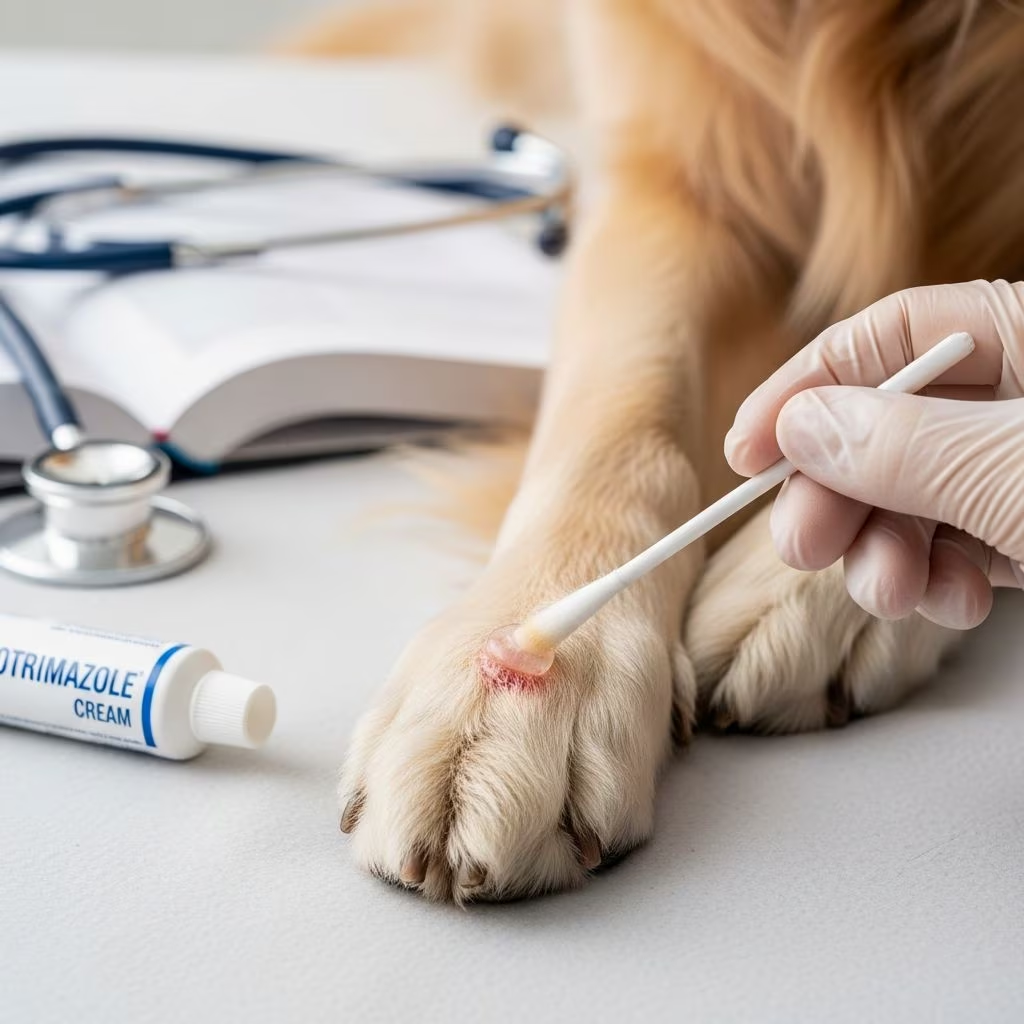
Clotrimazole Topical: Effective Antifungal Treatment for Pets
Clotrimazole topical is a widely prescribed antifungal medication used in veterinary medicine to treat surface skin infections caused by fungal organisms. This medication is effective across multiple animal species, including cats, dogs, rabbits, birds, reptiles, and other domestic and exotic pets. Understanding how this medication works, how to administer it properly, and what precautions to take can help pet owners effectively manage their pet’s fungal skin conditions.
What Is Clotrimazole Topical?
Clotrimazole topical is an antifungal medication specifically formulated for external application to treat fungal skin infections in animals. This medication belongs to the azole class of antifungals and is designed to target various fungal organisms that commonly affect pet skin. The medication works by disrupting the fungal cell membrane, effectively eliminating the infection at the source.
Veterinarians may prescribe clotrimazole topical in specially compounded formulations or combined with other medications to enhance its effectiveness or address multiple skin conditions simultaneously. The medication has been proven effective against various fungal pathogens, including Microsporum canis (ringworm) and Malassezia pachydermatitis (yeast infections), which are among the most common fungal infections affecting companion animals.
Common Fungal Infections Treated by Clotrimazole
Clotrimazole topical is effective against several types of fungal infections commonly seen in veterinary practice:
- Ringworm (Dermatophytosis): A contagious fungal infection that affects the skin, hair, and nails, causing circular lesions and hair loss
- Malassezia Infections: Yeast infections that cause itching, redness, and inflammation, often appearing in skin folds and ears
- Candidiasis: A yeast infection caused by Candida species that can affect various areas of the skin
- Microsporum Infections: Fungal infections that primarily affect the skin and hair follicles
Available Forms and Formulations
Clotrimazole topical is available in multiple formulations to accommodate different types of infections and application preferences:
- Liquid Drop Form: Ideal for precise application to affected areas and easy penetration into skin folds
- Ointment Form: Provides a protective barrier and prolonged contact with the affected area
- Spray Form: Allows for quick, even distribution over larger affected areas
The choice of formulation depends on the location and extent of the infection, the pet’s tolerance, and veterinary recommendation. Some veterinarians may recommend combining clotrimazole with other medications, such as gentamicin (antibiotic) and betamethasone (steroid), in products like Otomax or Otibiotic for comprehensive treatment of complex infections.
How to Apply Clotrimazole Topical
Proper application technique is crucial for the medication’s effectiveness. Following your veterinarian’s instructions carefully ensures optimal results and minimizes potential complications.
Application Steps
- Clean the Affected Area: Before applying clotrimazole topical, clean the affected area as directed by your veterinarian. This removes debris, excess fur, and other materials that might interfere with medication absorption
- Apply the Medication: Use the appropriate form (drops, ointment, or spray) to apply a thin layer directly to the skin. For drops and sprays, ensure thorough coverage of the affected area
- Massage Gently: Gently massage the medication into the affected area to promote absorption and distribution
- Prevent Licking or Grooming: Do not allow your pet to scratch or groom the treated area for at least 30 minutes after application. This prevents removal of the medication and reduces ingestion
- Use Personal Protection: Always wear gloves and wash your hands thoroughly after application to prevent transmitting the fungal infection to yourself or other animals
- Avoid Eye Contact: Be careful to prevent the medication from coming into contact with your pet’s eyes, as this can cause irritation
Treatment Duration
It is essential to continue applying clotrimazole topical for the entire duration prescribed by your veterinarian, even if your pet appears to be improving or if the infection seems to have cleared. Discontinuing treatment prematurely may allow the fungal infection to return or develop resistance to the medication. Most fungal infections require consistent treatment for 10 to 14 days or longer, depending on the severity and type of infection.
Dosage Guidelines
The typical dosage for clotrimazole topical cream is to apply a thin layer to the affected area twice daily for 14 days. If no improvement is observed after 14 days of treatment, contact your veterinarian for reevaluation and possible adjustment of the treatment plan. The dosage remains consistent regardless of the pet’s weight when using the topical formulation.
| Treatment Parameter | Details |
|---|---|
| Frequency | Apply twice daily |
| Amount per Application | Thin layer to affected area |
| Duration | 14 days (may vary based on veterinary recommendation) |
| Weight-Based Adjustment | Not required for topical formulation |
Safety Considerations and Risk Factors
While clotrimazole topical is generally safe for most pets, certain conditions and circumstances require careful consideration or contraindication of this medication.
When NOT to Use Clotrimazole Topical
Clotrimazole topical should not be used in animals who:
- Are allergic to clotrimazole or any of its components
- Have demonstrated hypersensitivity to azole antifungal medications
- Have a known allergy to any ingredient in the formulation
When to Use With Caution
Clotrimazole topical should be used with caution in animals with the following conditions:
- Pregnancy or Breeding Animals: Limited safety data exists for use during pregnancy; consult your veterinarian before use
- Liver Disease: Animals with compromised liver function may have difficulty metabolizing the medication, even though it is topically applied
- Underlying Health Conditions: Animals with systemic diseases should be evaluated before starting treatment
Potential Side Effects
Although clotrimazole topical is generally well-tolerated, some pets may experience side effects at the application site or from systemic absorption. Common side effects include:
- Redness and swelling at the application site
- Stinging or burning sensation
- Blistering or peeling of the skin
- Itching or hives
- General skin irritation
- In rare cases, allergic reactions or hypersensitivity
If your pet experiences any of these symptoms or develops gastrointestinal upset such as vomiting or diarrhea after licking the treated area, discontinue use and contact your veterinarian immediately.
Efficacy and Effectiveness
Clotrimazole topical has demonstrated significant effectiveness in treating fungal infections in veterinary patients. Research has shown that clotrimazole treatment is substantially more effective than no treatment and performs comparably to or exceeds other topical antifungal agents like miconazole. The medication is particularly effective against Trichophyton mentagrophytes and Microsporum canis, two of the most common dermatophytes affecting companion animals.
The effectiveness of clotrimazole may occasionally be limited by the development of fungal resistance, though this occurs rarely. Consistent application, proper hygiene, and adherence to the full treatment course minimize the risk of treatment failure or resistance development.
Special Considerations for Specific Animals
While clotrimazole topical is safe for most companion animals, certain species may require special handling or modified application techniques:
- Small Animals with Heavy Fur: Guinea pigs, rabbits, and similar animals with dense coats may require dropping or spray formulations for better skin penetration
- Birds and Reptiles: Careful application is necessary to avoid medication entering the eyes or respiratory systems; consult with an exotic animal veterinarian
- Animals Unable to Tolerate Grooming: The spray formulation may be preferable for anxious or aggressive animals
- Horses: Clotrimazole topical should not be used in horses; consult your equine veterinarian for appropriate antifungal options
Prevention and Management Tips
In addition to using clotrimazole topical, implementing proper hygiene and management practices can enhance treatment effectiveness and prevent reinfection:
- Wash your hands thoroughly after each application to prevent spreading the infection
- Disinfect grooming tools, bedding, and other items that contact the infected area
- Isolate infected animals from other pets if possible, as many fungal infections are contagious
- Maintain proper nutrition and immune health to support natural healing
- Follow your veterinarian’s instructions regarding bathing and skin care during treatment
- Monitor the affected area for improvement and report any lack of progress after 14 days
Frequently Asked Questions
Q: How long does it take for clotrimazole topical to work?
A: Most pets show improvement within 5 to 10 days of starting treatment, but the full 14-day course should be completed as prescribed by your veterinarian to ensure complete eradication of the fungal infection.
Q: Can I use clotrimazole topical in my pet’s ears?
A: Standard topical clotrimazole solutions are not indicated for ear use by the manufacturer. However, combination formulations like Otomax specifically designed for ear infections may be prescribed by your veterinarian. Always consult with your veterinarian before applying any medication to your pet’s ears.
Q: What should I do if my pet licks the treated area?
A: While normal oral exposure to the product is generally safe when used as labeled, discourage your pet from licking the treated area for at least 20 to 30 minutes after application. If your pet experiences vomiting, diarrhea, or other gastrointestinal upset, contact your veterinarian immediately.
Q: Can clotrimazole topical be used with other medications?
A: Yes, clotrimazole is often combined with other medications, such as antibiotics and steroids. Your veterinarian will determine the most appropriate treatment combination based on your pet’s specific condition. Inform your veterinarian of all medications and supplements your pet is taking.
Q: Is clotrimazole topical safe for all animal species?
A: Clotrimazole topical is safe for most companion animals, including cats, dogs, rabbits, and reptiles. However, it should not be used in horses. Always consult with your veterinarian before starting treatment, especially for exotic or unusual pet species.
Q: What should I do if there is no improvement after two weeks of treatment?
A: If the affected area remains raw and red after 14 days of treatment, contact your veterinarian for a follow-up evaluation. Your veterinarian may adjust the treatment plan, perform additional diagnostics, or recommend an alternative medication.
Q: Does clotrimazole topical sting or burn?
A: Some pets may experience a stinging or burning sensation after application. If your pet shows signs of discomfort or develops skin irritation, contact your veterinarian. They can recommend ways to minimize discomfort or suggest alternative formulations.
Q: Can I apply clotrimazole topical while my pet is wet?
A: It is best to ensure the area is clean and dry before applying clotrimazole topical. Following your veterinarian’s specific instructions regarding skin preparation will optimize medication effectiveness.
References
- Clotrimazole Topical — VCA Animal Hospitals. 2024. https://vcahospitals.com/know-your-pet/clotrimazole-topical
- Clotrimazole-Gentamicin-sulfate-Betamethasone-valerate Topical Ointment — VetMedux. 2024. https://boerumhillvet.com/wp-content/uploads/2024/06/Clotrimazole-Gentamicin-sulfate-Betamethasone-valerate-Topical-Ointment.pdf
- Clotrimazole (Otomax®, Otibiotic®) — PetPlace.com. https://www.petplace.com/article/drug-library/drug-library/library/clotrimazole-otomax-otibiotic
- Clotrimazole — Coach House Vets. 2023. https://www.coachhousevets.com/wp-content/uploads/2023/11/Clotrimazole.pdf
- Effectiveness of a topical antifungal agent (clotrimazole) in dogs — PubMed Central, National Institutes of Health. https://pubmed.ncbi.nlm.nih.gov/7021507/
- Clotrimazole Topical Solutions for Cats and Dogs — VetRxDirect. https://www.vetrxdirect.com/product/view/clotrimazole-antifungal-solution-for-dogs-and-cats-otc
- Clotrimazole Cream 1% for Cats and Dogs — 1800PetMeds. https://www.1800petmeds.com/dog-or-cat/otc-vitamins-and-supplements/product/clotrimazole-cream/prod10589.html



