

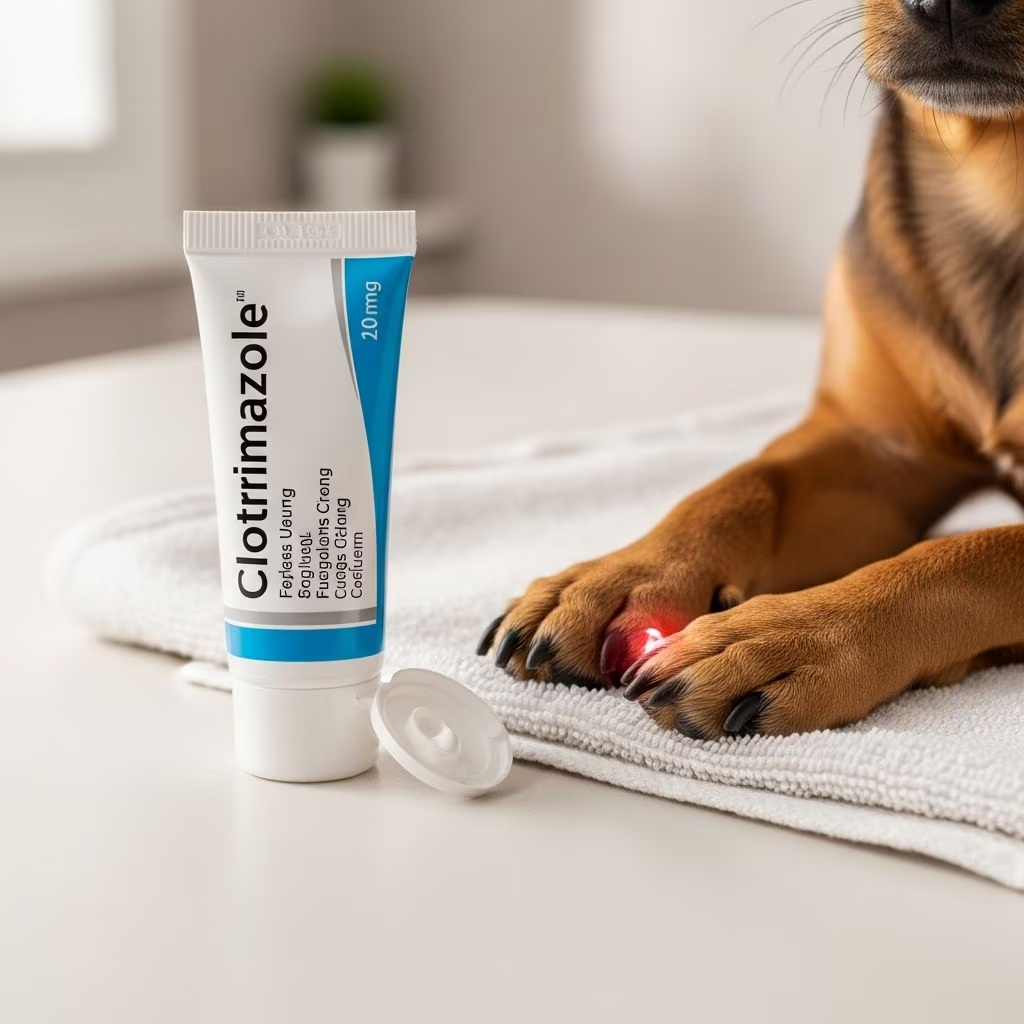
Clotrimazole serves as a potent antifungal medication widely used in veterinary care to address various fungal and yeast infections in dogs. This topical agent targets common pathogens affecting the skin and ears, providing relief from itching, inflammation, and discomfort.
Understanding Fungal Infections in Canines
Dogs frequently encounter fungal issues due to their active lifestyles and exposure to moist environments. These infections thrive in warm, humid areas like ears and skin folds, leading to symptoms such as redness, odor, and excessive scratching. Key culprits include yeasts like Malassezia pachydermatis and dermatophytes such as Microsporum canis and Trichophyton species.
- Ear Infections (Otitis Externa): Yeast overgrowth in ear canals causes waxy buildup, head shaking, and pain.
- Skin Conditions: Ringworm-like lesions appear as circular patches of hair loss and scaling.
- Nasal Fungal Issues: Rare but serious, involving molds like Aspergillus in the nasal passages.
Early detection through veterinary diagnosis, often via cytology or culture, is crucial for effective management.
How Clotrimazole Targets Fungal Growth
Clotrimazole belongs to the azole class of antifungals, disrupting ergosterol synthesis in fungal cell membranes. Ergosterol is vital for membrane integrity; its inhibition creates pores, leaking cellular contents and halting pathogen reproduction.
This mechanism proves highly effective against susceptible yeasts and molds but spares bacterial or viral causes, necessitating accurate diagnosis.
Popular Formulations and Brand Names
In veterinary practice, clotrimazole appears in creams, solutions, drops, and combination products. Notable brands include:
| Product | Key Ingredients | Primary Use |
|---|---|---|
| Otomax® or Otibiotic® | Clotrimazole + Gentamicin + Betamethasone | Ear infections (bacterial + fungal) |
| Generic 1% Solution | Clotrimazole 1% | Skin fungal infections |
| Spray or Ointment | Clotrimazole alone | Topical skin application |
Combination therapies like Otomax® address mixed infections common in canine ears, blending antifungal, antibiotic, and anti-inflammatory actions.
Indications: When to Use Clotrimazole
Veterinarians prescribe clotrimazole for:
- Acute or chronic otitis externa from Malassezia yeast.
- Dermatophytosis (ringworm) on paws, trunk, or face.
- Candidiasis on moist skin areas.
- Occasional nasal aspergillosis adjunct therapy.
It excels against Malassezia pachydermatis, Microsporum canis, Candida, and Trichophyton, but resistance can emerge rarely.
Precise Dosing Guidelines for Dogs
Dosage varies by formulation, weight, and condition. Always follow veterinary instructions.
| Formulation | Dog Weight | Dose | Frequency/Duration |
|---|---|---|---|
| Otomax® Drops | <30 lbs | 4 drops per ear | Twice daily for 7 days |
| Otomax® Drops | >30 lbs | 8 drops per ear | Twice daily for 7 days |
| 1% Topical Solution | All weights | Thin layer on affected area | 1-2 times daily for 1-4 weeks |
Complete the full course to prevent recurrence, even if symptoms resolve early.
Step-by-Step Application Instructions
- Prepare: Clean and dry the area. For ears, use a vet-recommended cleaner; for skin, gently wash with mild soap.
- Protect: Wear gloves; muzzle if needed to prevent licking.
- Apply: Shake well. Instill drops or rub in thinly. Massage ear base for drops.
- Restrict: Prevent grooming/scratching for 20-30 minutes. Use cone if necessary.
- Clean Up: Wash hands thoroughly. Avoid eye contact.
Monitor for improvement within days; full effects may take 1-2 weeks.
Potential Side Effects and Monitoring
Clotrimazole is generally well-tolerated, but watch for:
- Local Reactions: Redness, irritation at site.
- Otomax® Specific: Rare hearing loss, head tilt, or balance issues in older dogs—discontinue and consult vet immediately.
- Systemic: Prolonged steroid use in combinations may suppress adrenals.
- Allergic: Swelling or worsened itching signals hypersensitivity.
Report persistent vomiting/diarrhea from licking, though incidental ingestion is typically safe.
Contraindications and Precautions
Avoid in dogs with:
- Known allergies to azoles.
- Perforated eardrums (for otic use).
- Pregnancy/lactation without vet approval.
Not for viral, parasitic, or resistant infections. Off-label ear use of skin solutions requires vet guidance.
Combining with Other Treatments
Often paired with:
- Antibiotics: For bacterial co-infections.
- Steroids: To reduce inflammation.
- Shampoos: Medicated baths for widespread skin issues.
- Environmental Cleaners: Disinfect homes to curb reinfection.
Never mix without professional oversight to avoid interactions.
Preventing Fungal Recurrences in Dogs
Proactive steps include:
- Regular ear cleaning in floppy-eared breeds.
- Drying after swims/baths.
- Balanced diet supporting skin health.
- Quarantining infected pets from others.
Routine vet check-ups aid early intervention.
Frequently Asked Questions (FAQs)
Can I use clotrimazole in my dog’s ears if it’s a skin solution?
Skin formulations aren’t labeled for ears but may be used off-label under vet supervision for yeast like Malassezia.
Is clotrimazole safe for puppies or senior dogs?
Use cautiously in extremes of age; vets adjust based on health status.
How long until I see results?
Effects start in days, but complete 1-2 weeks or as prescribed.
Can my dog lick the treated area?
Prevent for 20-30 minutes post-application; small amounts are safe.
What if symptoms persist after treatment?
Consult vet—may indicate resistance or misdiagnosis.
Consulting Your Veterinarian
Self-treatment risks delays or worsening. Vets confirm via exams/tests, tailor plans, and monitor progress. This guide informs but doesn’t replace professional care.
References
- Clotrimazole (Otomax®, Otibiotic®) — PetPlace.com. Accessed 2026. https://www.petplace.com/article/drug-library/drug-library/library/clotrimazole-otomax-otibiotic
- Clotrimazole Solution for Dogs and Cats — VetRxDirect. Accessed 2026. https://www.vetrxdirect.com/product/view/clotrimazole-antifungal-solution-for-dogs-and-cats-otc
- Clotrimazole Antifungal Solution for Dogs and Cats — Giant Eagle Pet Rx. Accessed 2026. https://www.gianteaglepetrx.com/pharmacy/clotrimazole-antifungal-solution-for-dogs-and-cats/50927.html
- Clotrimazole Topical — VCA Animal Hospitals. Accessed 2026. https://vcahospitals.com/know-your-pet/clotrimazole-topical
- Clotrimazole — AURA Veterinary. Accessed 2026. https://www.auravet.com/drugs/clotrimazole/
- Effectiveness of a topical antifungal agent (clotrimazole) in dogs — PubMed (NCBI). 1981. https://pubmed.ncbi.nlm.nih.gov/7021507/



