
Clostridium Perfringens Type C: 4 Key Prevention Tips
Understanding the lethal impact of Clostridium perfringens type C on newborn piglets and proven strategies for prevention and control.
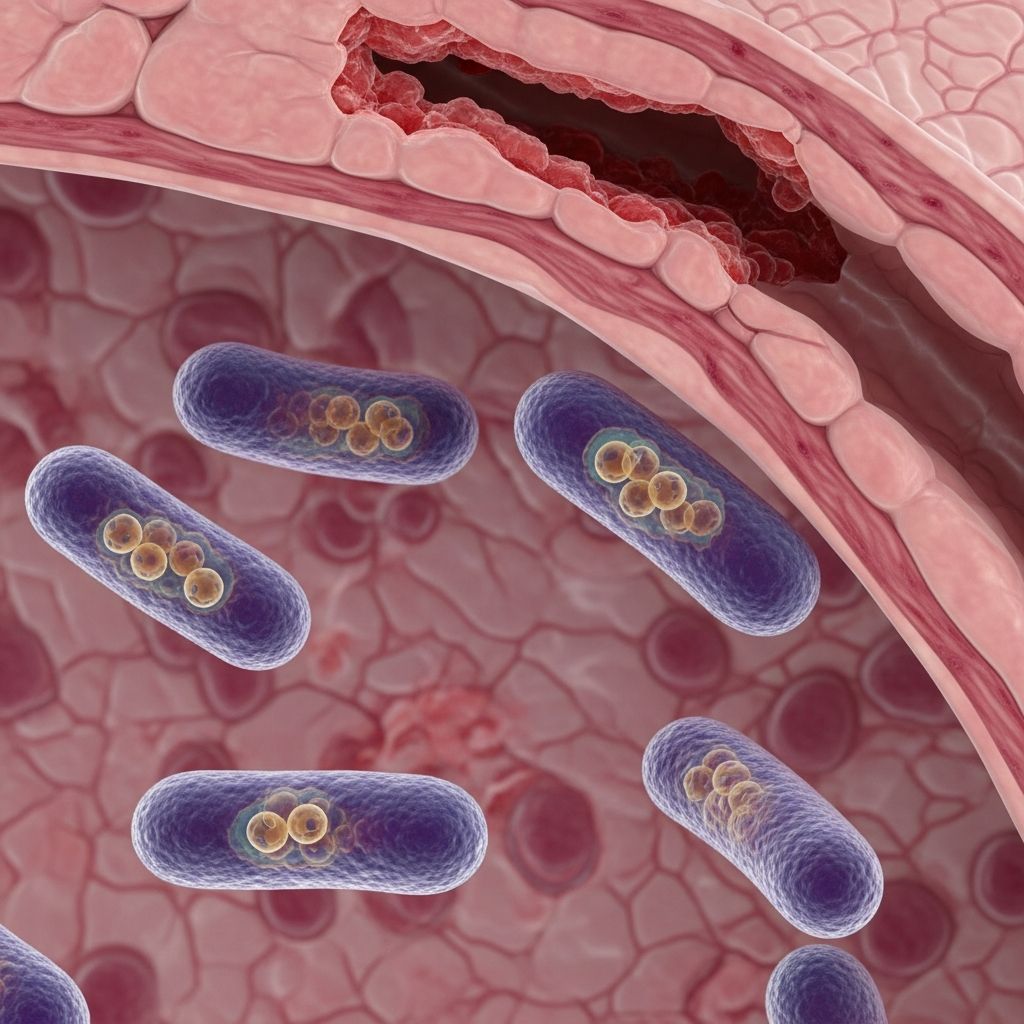
Clostridium perfringens type C is a gram-positive, spore-forming bacterium that triggers severe necrotic enteritis in newborn piglets, often proving fatal within hours of symptom onset. This condition, characterized by rapid intestinal tissue destruction, poses significant economic challenges to pig farming operations worldwide.
The Nature of the Pathogen and Its Toxins
Clostridium perfringens exists in multiple types, but type C stands out due to its production of beta-toxin (CPB), a key virulence factor that targets vascular endothelial cells in the intestinal mucosa. This toxin disrupts blood vessel integrity, leading to hemorrhage and necrosis. Unlike type A strains, which primarily cause milder diarrhea through enterotoxins affecting ion transport, type C aggressively invades deeper tissue layers.
The bacterium thrives in anaerobic environments, forming resilient spores that persist in soil, feces, and farm facilities. Neonatal piglets are particularly vulnerable because their immature gut microbiome fails to competitively inhibit clostridial overgrowth. Ingestion of contaminated colostrum or environmental spores initiates infection, amplified by factors like sow colostrum containing trypsin inhibitors that protect CPB from enzymatic breakdown.
Clinical Manifestations in Affected Piglets
Symptoms emerge suddenly in piglets aged 1-5 days, starting with depression, reluctance to nurse, and rapid progression to bloody diarrhea. Affected animals display abdominal distension from gas accumulation and fluid loss, often collapsing and dying within 24 hours. In peracute cases, piglets may perish without prior diarrhea, found with hemorrhagic intestinal contents.
- Acute phase: Profuse, foul-smelling hemorrhagic diarrhea, dehydration, and shock.
- Subacute phase: Surviving piglets show weight loss, persistent diarrhea, and secondary infections.
- Herd impact: High morbidity (up to 100% in litters) and mortality (50-100%) during outbreaks.
Mortality rates are highest in the first three days postpartum, correlating with peak colostrum trypsin inhibitor levels. Older piglets may experience milder forms if exposed to lower bacterial doses or protected by developing immunity.
Pathological Changes in the Intestine
Gross pathology reveals segmental necrosis primarily in the jejunum, with thickened, hemorrhagic walls filled with gas bubbles and bloody fibrinonecrotic exudate. The mucosa appears white due to necrosis overlying visible hemorrhage.
Histologically, villi are necrotic and autolyzed, carpeted by gram-positive rods. Deep lamina propria and submucosal hemorrhage accompany vascular thrombosis and minimal inflammation in acute stages, reflecting the toxin’s rapid cytotoxic action. In later stages, neutrophil infiltration marks attempted repair.
| Stage | Gross Lesions | Histologic Features |
|---|---|---|
| Peracute | Segmental jejunitis, gas-filled intestine | Villous necrosis, hemorrhage, bacterial overgrowth |
| Acute | Hemorrhagic mucosa, fibrin tags | Thrombosis, endothelial damage, scant neutrophils |
| Subacute | Ulceration, pseudomembrane | Neutrophil infiltration, fibrosis |
These lesions distinguish type C from type A, where superficial epithelial damage predominates without deep necrosis.
How Infection Develops: Key Pathogenic Mechanisms
Infection begins with oral uptake of type C spores, often from the sow’s vagina, feces, or farrowing pens. The newborn gut’s alkaline pH and sparse flora allow explosive proliferation. CPB, stabilized by colostral trypsin inhibitors, binds endothelial cells, inducing platelet dysfunction and vascular leakage.
This creates a feedback loop: epithelial barrier breach permits toxin absorption, toxemia accelerates necrosis, and bacterial overgrowth intensifies. Unlike human enteritis necroticans, piglet cases rarely involve dietary triggers but consistently link to neonatal factors.
Diagnostic Approaches for Confirmation
Diagnosis combines clinical history, necropsy findings, and lab tests. Hallmark pathology—jejunal necrosis with gram-positive rods—prompts bacterial culture and toxinotyping. PCR genotyping differentiates pathogenic type C from commensal type A.
Anaerobic culture from intestinal contents yields pure or dominant growth in acute cases. Immunohistochemistry detects CPB in tissues. Differential diagnoses include coccidiosis, E. coli enteritis, and rotavirus, ruled out by lesion specificity.
Prevention Strategies: Vaccination and Farm Management
Primary control relies on sow vaccination with beta-toxin toxoids during late gestation, ensuring colostral antibodies neutralize CPB. Two doses pre-farrowing provide herd immunity, reducing outbreaks dramatically.
- Vaccinate sows 4-6 and 2-3 weeks before farrowing.
- Maintain strict hygiene: disinfect farrowing crates, remove manure promptly.
- Ensure rapid colostrum intake to bolster piglet defenses.
- Monitor for carriers: adult pigs can asymptomatically shed spores.
Distinguish pathogen-free (no type C present) from disease-free herds; the former requires rigorous biosecurity. During outbreaks, metaphylactic antibiotics like penicillin may curb losses, but resistance concerns limit use.
Challenges in Eradication and Herd Monitoring
Type C spores endure harsh conditions, persisting in soil for years and carrier sows indefinitely. Eradication demands total depopulation-repopulation or all-in-all-out systems with thorough disinfection. Regular monitoring via sentinel litters or environmental swabs aids early detection.
Genetic diversity among strains complicates control; some evade vaccine-induced immunity. Integrated approaches combining vaccination, hygiene, and surveillance yield best outcomes.
Economic Implications for Swine Producers
Outbreaks devastate profitability: a single litter loss equates to $50-100 per sow, scaling massively in large herds. Prevention investments—vaccines ($2-5/dose), cleaning—pale against mortality costs. Proactive management sustains productivity and market access amid biosecurity regulations.
FAQs on Clostridium Perfringens Type C Enteritis
What age group is most at risk?
Newborn piglets 1-5 days old, due to immature flora and trypsin-rich colostrum.
Is vaccination 100% effective?
Highly effective (90-100% reduction) when timed correctly, but requires annual boosters.
Can humans contract this from pigs?
Rare; type C causes human enteritis necroticans under specific conditions like poor hygiene, not routine pig contact.
How to differentiate from other piglet diarrheas?
Bloody, necrotic jejunum vs. watery stools in viral/bacterial causes; confirm via pathology and typing.
What if an outbreak occurs in a vaccinated herd?
Check vaccination history, hygiene lapses, or emerging resistant strains; implement emergency sanitation.
Future Directions in Research and Control
Ongoing studies explore CPB receptor interactions, alternative vaccines (e.g., subunit), and probiotics to enhance neonatal flora. Surveillance networks track strain evolution, informing global strategies. Producers should collaborate with vets for tailored protocols.
References
- Clostridium perfringens type C necrotic enteritis in pigs — PMC – NIH. 2020-02-26. https://pmc.ncbi.nlm.nih.gov/articles/PMC7081500/
- Clostridium perfringens type C necrotic enteritis in pigs — PubMed. 2020-01-20. https://pubmed.ncbi.nlm.nih.gov/31955664/
- Enteritis necroticans and Clostridium perfringens type C — PLOS Neglected Tropical Diseases. 2023-06-01. https://journals.plos.org/plosntds/article?id=10.1371/journal.pntd.0012836
- Clostridium perfringens in Neonatal Pig Diarrhea — Animal Disease Diagnostic Laboratory, Purdue University. 2008-06-01. https://www.addl.purdue.edu/newsletters/2008/Summer/CPinPig.htm
Similar Articles








Read full bio of Sneha Tete


