
Clostridium Perfringens Type A Enteritis in Pigs
Understanding the causes, symptoms, diagnosis, and prevention strategies for managing Clostridium perfringens type A enteritis in young pigs.
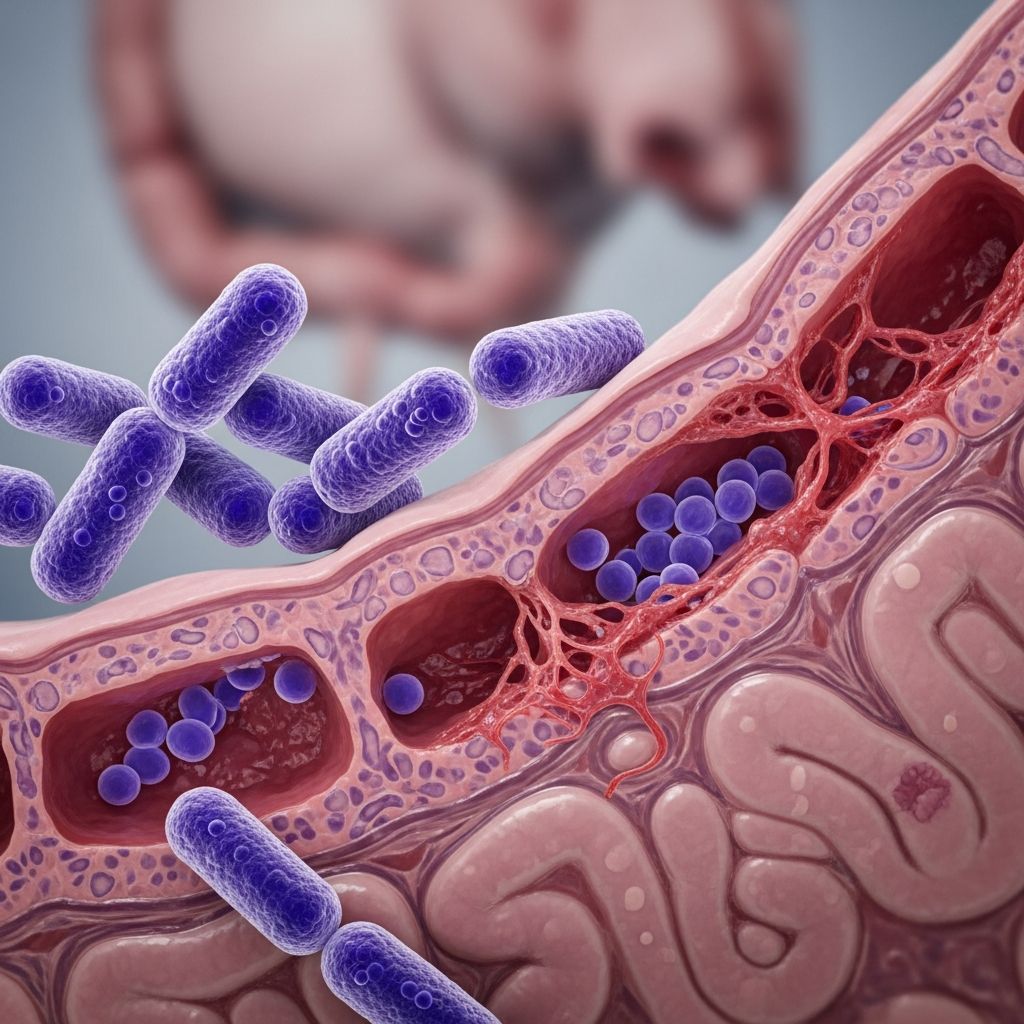
Clostridium perfringens type A enteritis represents a significant challenge in swine production, particularly affecting neonatal piglets and leading to substantial economic losses through reduced growth rates and increased morbidity. This bacterial infection primarily targets the gastrointestinal tract of young pigs, causing non-hemorrhagic diarrhea that impacts early development.
The Nature of the Pathogen
Clostridium perfringens is a gram-positive, spore-forming bacterium ubiquitous in the environment and pig intestines. Type A strains produce enterotoxins that damage intestinal epithelial cells, leading to fluid secretion and malabsorption. Unlike more virulent types like C, type A typically causes milder symptoms but affects a higher proportion of litters due to its prevalence. Spores can persist in feces at high levels, up to 5 x 10^6 cells per gram, facilitating ongoing transmission.
In healthy adult pigs, the bacterium resides asymptomatically in the gut. However, in newborns with immature microbiota and limited colostral immunity, it proliferates rapidly, especially under stressful conditions like poor sanitation or ventilation. Piglets acquire the pathogen via the fecal-oral route from sows and littermates shortly after birth.
Clinical Manifestations in Affected Piglets
Symptoms of type A enteritis emerge within the first 48 hours of life, manifesting as pasty, sticky brown diarrhea staining the perineal area. Piglets exhibit a coarse haircoat and lethargy but rarely succumb acutely, with diarrhea persisting for about five days. Survivors often fail to achieve normal weaning weights, resulting in long-term performance deficits.
- Early signs: Profuse, non-bloody diarrhea starting day 1-2.
- Physical changes: Dehydration, rough coat, perineal soiling.
- Progression: Recovery possible but with stunted growth and increased variability in litter weights.
In contrast to type C’s hemorrhagic forms, type A lesions show thin-walled intestines without blood, confirmed via necropsy. Morbidity is high, affecting up to 30% of neonatal diarrhea cases in some surveys.
Risk Factors and Epidemiology
Outbreaks correlate with environmental stressors. Poor farrowing hygiene, inadequate colostrum intake, and disruptions in gut flora from antibiotics heighten susceptibility. Type A has risen in prominence as other enteric pathogens like E. coli decline, now implicated in 30% of pre-weaning scours versus 11% for type C.
Farms with outdoor systems or those following sheep grazing face elevated risks, though not exclusively. Gilts’ litters are particularly vulnerable due to lower maternal antibodies. Global distribution underscores the need for vigilant monitoring in all swine operations.
| Risk Factor | Impact on Incidence | Mitigation |
|---|---|---|
| Poor ventilation/sanitation | High morbidity, weight loss | Improve airflow, clean farrowing pens |
| Low colostrum intake | Reduced immunity | Ensure timely nursing |
| Antibiotic use | Gut flora disruption | Judicious antimicrobial stewardship |
| Outdoor rearing | Increased exposure | Enhanced biosecurity |
Diagnostic Approaches
Distinguishing type A enteritis from viral or E. coli scours requires laboratory confirmation. Fecal cultures detect high spore counts, while PCR identifies toxins and typing. Histopathology reveals non-hemorrhagic enteritis with epithelial damage. Necropsy findings include flaccid intestines lacking pseudomembranes seen in other clostridials. Field diagnosis relies on age, diarrhea character, and litter history, but lab testing is essential for targeted interventions.
Treatment Protocols
Early intervention improves outcomes. Penicillin-based antibiotics target the bacterium, combined with oral electrolytes to combat dehydration. For at-risk litters, metaphylactic amoxicillin injections at birth provide protection. Probiotics support microbiota recovery, though efficacy varies. Supportive care focuses on warmth and nutrition to bolster recovery.
- Antimicrobials: Penicillin or amoxicillin (consult vet for dosing).
- Fluid therapy: Electrolyte solutions.
- Adjuncts: Probiotics, clean environment.
Treatment success hinges on rapid administration before severe dehydration sets in.
Prevention Strategies for Swine Herds
Proactive management minimizes outbreaks. Sow vaccination with type A toxoids, available in some regions or via special authorization, boosts colostral antibodies. Strict hygiene—daily pen cleaning, all-in-all-out systems—curbs spore buildup.
Six key steps for prevention include:
- Vaccinate sows pre-farrowing.
- Maintain dry, clean farrowing areas.
- Monitor colostrum consumption.
- Optimize ventilation.
- Limit antibiotic overuse.
- Implement biosecurity protocols.
While type A vaccines lag behind type C in availability, cross-protection from multivalent products like Covexin offers alternatives. Herd health plans tailored by veterinarians integrate these measures effectively.
Economic Implications for Producers
Even with low mortality, type A’s high morbidity erodes profitability. Reduced weaning weights (up to 10-20% lighter) increase days to market and feed costs. In affected herds, pre-weaning mortality rises alongside variability, complicating uniform finishing. Surveys indicate 10% of operations face clinical issues, underscoring prevention’s ROI.
Investing in vaccination and hygiene yields measurable gains: healthier litters, consistent growth, and lower veterinary expenses.
Comparing Clostridial Types in Pigs
| Aspect | Type A | Type C |
|---|---|---|
| Symptoms | Pasty brown diarrhea, growth lag | Hemorrhagic, peracute death |
| Age | <48 hours, up to weaning | First 24-72 hours |
| Mortality | Low | High |
| Lesions | Thin walls, no blood | Necrohemorrhagic |
| Vaccines | Limited availability | Widely used |
Emerging Research and Future Directions
Ongoing studies emphasize type A’s growing role amid shifting enteric disease patterns. Advances in diagnostics, like rapid toxin assays, and novel probiotics promise better control. Research into microbiota modulation post-antibiotics addresses secondary risks.
Frequently Asked Questions (FAQs)
What causes Clostridium perfringens type A enteritis in piglets?
It stems from toxin-producing type A strains ingested via fecal contamination, exploiting immature immunity in newborns.
How do I differentiate it from other piglet diarrheas?
Sticky brown feces without blood, starting early, plus lab toxin confirmation distinguish it from watery viral scours.
Are vaccines effective against type A?
Yes, sow toxoid vaccines enhance colostral protection, though availability varies; consult for imports or alternatives.
Can antibiotics cure outbreaks?
They treat active cases when given early with fluids, but prevention trumps treatment for herd-level control.
Why is type A increasing in farms?
Declines in other pathogens and sanitation lapses allow its emergence, per veterinary surveys.
References
- Clostridia: Clostridium perfringens and Clostridioides difficile — University of Minnesota. 2023. https://open.lib.umn.edu/swinedisease/chapter/clostridia-clostridium-perfringens-and-clostridium-difficile/
- The 6 steps to prevent clostridium perfringens in pigs — MS Schippers. 2024. https://www.msschippers.com/en-EU/advice/the-6-steps-to-prevent-clostridium-perfringens-in-pigs
- Porcine Clostridium perfringens type A spores, enterotoxin and … — PubMed (Peer-reviewed). 1989-01-01. https://pubmed.ncbi.nlm.nih.gov/2547268/
- Clostridium Perfringens Infection in Piglets — NADIS. 2023. https://www.nadis.org.uk/disease-a-z/pigs/clostridium-perfringens-infection-in-piglets/
- Controlling Clostridial Enteritis — The Pig Site. 2023. https://www.thepigsite.com/articles/controlling-clostridial-enteritis
- Clostridium perfringens (Clostridial diseases …) — Pig333.com. 2024. https://www.pig333.com/pig-diseases/clostridium-perfringens_24
Similar Articles








Read full bio of medha deb


