

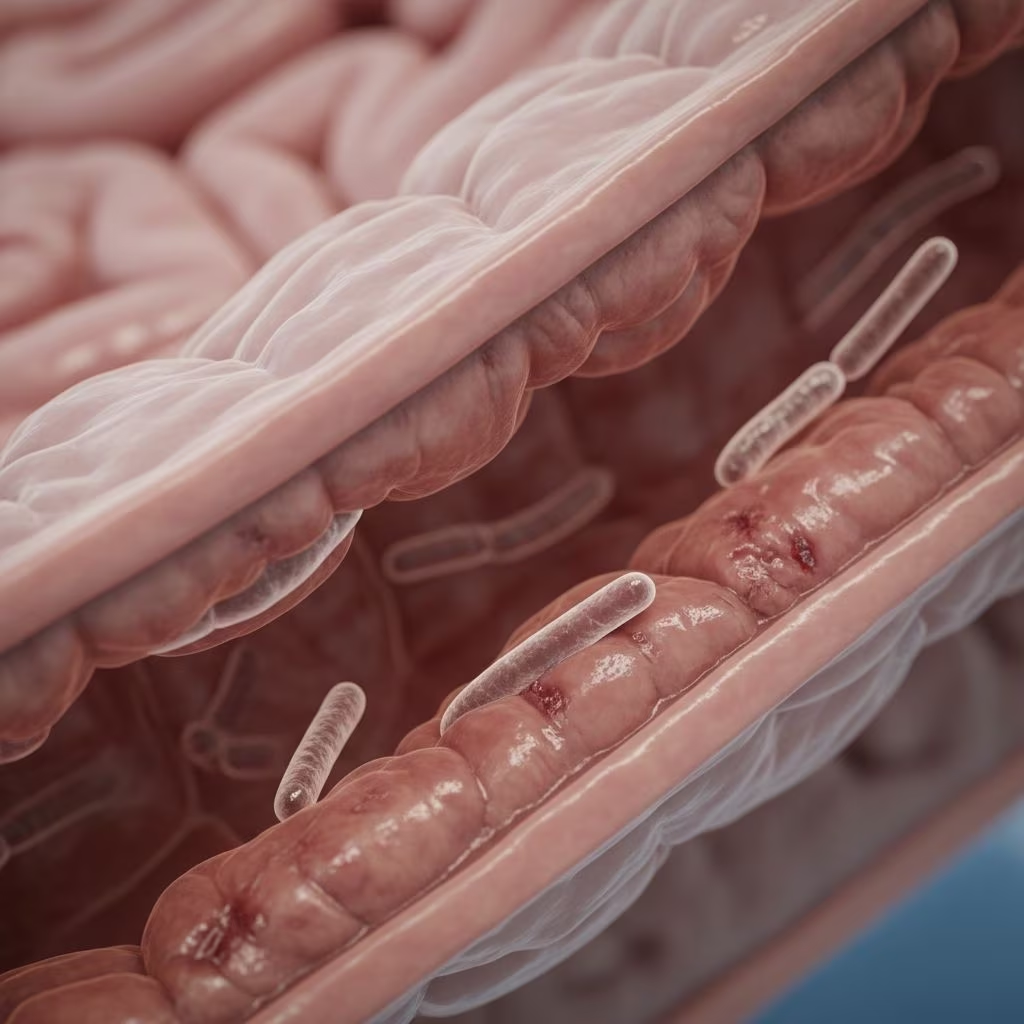
Clostridial Overgrowth Enterotoxicosis in Dogs
Clostridial overgrowth enterotoxicosis is a common gastrointestinal condition affecting dogs of various ages and breeds. This bacterial infection occurs when Clostridium perfringens, a naturally occurring bacterium in the canine intestinal tract, proliferates excessively and produces toxins that damage the intestinal lining. Understanding this condition is essential for dog owners seeking to maintain their pets’ digestive health and quality of life.
What Is Clostridial Overgrowth Enterotoxicosis?
Clostridial overgrowth enterotoxicosis develops when the delicate balance of intestinal bacteria is disrupted, allowing pathogenic Clostridium perfringens bacteria to multiply beyond normal levels. This overgrowth produces enterotoxins—harmful substances that trigger inflammation and damage to the intestinal tract. The condition is suspected to occur in up to 20 percent of large bowel diarrhea cases in dogs, making it one of the more prevalent gastrointestinal disorders in veterinary practice.
Unlike systemic infections that spread throughout the body, clostridial enterotoxicosis primarily affects the intestinal tract and rarely progresses to systemic disease conditions. However, the localized inflammation can cause significant discomfort and health complications if left untreated.
Common Symptoms and Clinical Signs
Dogs suffering from clostridial overgrowth enterotoxicosis display a range of gastrointestinal symptoms. Recognizing these signs early allows for prompt veterinary intervention and faster recovery.
Primary Symptoms
The most prominent clinical manifestations include:
- Persistent or recurring diarrhea, often containing mucus or fresh blood
- Small, meager stools or large volumes of watery diarrhea
- Increased frequency of defecation and straining
- Vomiting (occasionally)
- Abdominal discomfort, evidenced by posturing such as lowered front legs with raised back end
- Excessive gas and abnormal flatulence
- Decreased appetite and lethargy
- Weakness and general malaise
The severity of symptoms varies depending on the individual dog and the extent of bacterial overgrowth. Some dogs may experience mild symptoms, while others develop more severe presentations requiring intensive veterinary care.
Acute vs. Chronic Presentation
In acute cases, symptoms typically develop suddenly and last approximately one week. Dogs may exhibit severe diarrhea with visible blood or mucus, abdominal pain, and general discomfort. Conversely, chronic clostridial enterotoxicosis involves recurrent episodes of diarrhea occurring every two to four weeks, potentially persisting for months or years. This intermittent pattern can be frustrating for owners and challenging to manage without proper veterinary guidance.
Causes and Risk Factors
Multiple factors contribute to the development of clostridial overgrowth enterotoxicosis in dogs. Understanding these underlying causes helps owners take preventive measures and identify at-risk pets.
Contributing Factors
- Dietary indiscretion and consumption of inappropriate foods
- Sudden changes in diet without gradual transitions
- Access to spoiled food, garbage, or contaminated water
- Prolonged antibiotic use that disrupts normal gut flora
- Stress and environmental changes
- Compromised immune system function
- Poor sanitation and hygiene practices
- Underlying gastrointestinal diseases or conditions
Puppies, senior dogs, and animals with compromised immune systems face heightened susceptibility to severe clostridial infections. These populations require particular attention to preventive measures and may experience more rapid dehydration and complications.
Diagnosis and Veterinary Evaluation
Accurate diagnosis is crucial for determining the appropriate treatment plan. Veterinarians employ several diagnostic methods to confirm clostridial enterotoxicosis and rule out other potential causes of diarrhea.
Diagnostic Procedures
The diagnostic process typically includes a thorough physical examination, detailed medical history, and specific laboratory tests. Fecal examination is the primary diagnostic tool, allowing veterinarians to identify Clostridium perfringens and enterotoxin in stool samples. Additional testing may include blood work to assess electrolyte levels and evaluate overall health status, particularly in severe cases with significant dehydration.
Veterinarians may also recommend ruling out other conditions such as giardiasis, parasitic infections, or inflammatory bowel disease to ensure accurate diagnosis and appropriate treatment selection.
Treatment Options and Management Strategies
Clostridial overgrowth enterotoxicosis responds well to comprehensive treatment addressing multiple aspects of the condition. A multi-faceted approach combining medications, dietary modifications, and supportive care yields the best outcomes.
Antibiotic Therapy
Antibiotics form the cornerstone of treatment for clostridial infections. Veterinarians commonly prescribe metronidazole (Flagyl) as a first-line medication due to its effectiveness against anaerobic bacteria like Clostridium perfringens. Additional antibiotic options include tylosin for chronic cases, amoxicillin with clavulanic acid for broader spectrum coverage, ampicillin, erythromycin, and clindamycin.
Most treatment protocols involve oral antibiotic administration for 5 to 10 days, though chronic cases may require extended courses. Lower doses of metronidazole (10 to 20 mg/kg every 12 hours) are often used for intestinal bacterial overgrowth. Your veterinarian will determine the appropriate duration and dosage based on your dog’s specific situation and response to treatment.
Dietary Management
Nutritional support plays a vital role in recovery from clostridial infections. During active infection, veterinarians typically recommend transitioning to a bland diet of easily digestible foods such as boiled chicken or lean ground turkey mixed with plain white rice. Offering small, frequent meals rather than large feedings helps reduce gastrointestinal stress and promotes healing.
For long-term management, particularly in chronic cases, a high-fiber diet is recommended to reduce Clostridium perfringens and enterotoxin production in the intestinal tract. Veterinarians may suggest supplementing with psyllium, a soluble fiber source that promotes beneficial gut changes. Gradual transition back to regular food should occur only after symptoms resolve completely, and owners should avoid treats and table scraps during the recovery period.
Probiotics and Prebiotics
Restoring healthy gut flora is essential for overcoming clostridial infections and preventing recurrence. Quality probiotics help reestablish beneficial intestinal bacteria that compete with pathogenic organisms for resources and produce substances inhibiting Clostridium growth. Prebiotics and probiotic-enhanced diets maintain the normal balance of good bacteria in the intestine, supporting immune function and promoting faster recovery.
Probiotics are particularly valuable when used alongside antibiotic therapy to counteract the disruption of normal bacterial populations and maintain digestive system balance.
Fluid Therapy
Dehydration represents one of the most serious complications of clostridial enterotoxicosis, particularly in severe cases with persistent diarrhea. Depending on severity, veterinarians may recommend subcutaneous fluids administered at the clinic, intravenous (IV) fluids for severe cases requiring hospitalization, or oral rehydration solutions for milder cases manageable at home. Maintaining proper hydration is critical for supporting organ function and facilitating recovery.
Anti-Diarrheal Medications
While addressing the underlying infection remains the primary goal, managing symptoms improves comfort and prevents complications. Veterinarians may prescribe kaolin-pectin preparations to absorb toxins and soothe the intestinal lining, bismuth subsalicylate (Pepto-Bismol) in appropriate veterinary-recommended doses, or prescription medications like loperamide in specific situations.
Supportive Care and Monitoring
Comprehensive supportive care during recovery includes close observation and monitoring. Keeping a daily log of symptoms including stool consistency, frequency, appetite, and water intake helps assess treatment effectiveness. Tracking medication administration ensures compliance with prescribed regimens. Monitoring for new or worsening symptoms enables early detection of potential complications or treatment failures requiring adjustment.
Prevention and Long-Term Management
Preventing clostridial overgrowth involves maintaining optimal digestive health through several key practices. Maintaining a consistent diet prevents digestive upset, while preventing access to spoiled food, garbage, and contaminated water eliminates common infection sources. Reducing stress and maintaining good hygiene practices support immune function and minimize bacterial exposure.
Regular veterinary check-ups allow early detection of emerging problems, and probiotics may help prevent recurrence in susceptible dogs. Dogs with good immune response generally fight off infections easily, emphasizing the importance of overall health maintenance.
Prognosis and Recovery Timeline
The prognosis for clostridial overgrowth enterotoxicosis is generally favorable with appropriate treatment. Most acute cases resolve completely within one week of initiating proper treatment. Chronic intermittent cases may require long-term dietary and probiotic support, with recovery timelines extending over weeks to months.
Factors influencing recovery include the dog’s immune response, age, overall health status, and treatment compliance. Puppies and senior dogs may require more intensive management, while younger, healthy adults typically recover more rapidly. Consistent adherence to veterinary recommendations significantly improves outcomes.
When to Contact Your Veterinarian
Immediate veterinary consultation is warranted if your dog exhibits signs of severe dehydration, including excessive lethargy, dry gums, or lack of skin elasticity. Persistent vomiting, bloody diarrhea, high fever, or failure to improve after several days of treatment requires prompt professional evaluation. Dogs showing signs of abdominal distension or severe pain need emergency veterinary care.
Frequently Asked Questions
Q: Is clostridial enterotoxicosis contagious to other dogs or humans?
A: While Clostridium perfringens is naturally present in many animals and environments, the condition itself is not typically considered contagious in the traditional sense. However, infected dogs may shed bacteria in feces, so proper hygiene is important when handling multiple pets.
Q: Can clostridial infections recur after treatment?
A: Yes, clostridial infections can recur, particularly in dogs with chronic cases. Maintaining a high-fiber diet, using probiotics as recommended, and following preventive measures help reduce recurrence risk.
Q: What is the difference between acute and chronic clostridial enterotoxicosis?
A: Acute cases develop suddenly and typically resolve within one week, while chronic cases involve recurrent episodes of diarrhea occurring every two to four weeks over extended periods.
Q: Are certain dog breeds more susceptible to clostridial infections?
A: Clostridial infections affect dogs of all breeds, though puppies, senior dogs, and immunocompromised individuals face higher risk for severe disease.
Q: How long does antibiotic treatment typically last?
A: Most treatment protocols involve 5 to 10 days of oral antibiotic therapy, though chronic cases may require extended courses determined by your veterinarian.
Q: Can diet alone resolve clostridial enterotoxicosis?
A: While dietary management is crucial for recovery and prevention, antibiotics are generally necessary to eliminate the bacterial overgrowth. Diet works best as part of comprehensive treatment.
Q: What should I feed my dog during treatment?
A: During active infection, offer bland, easily digestible foods like boiled chicken or lean ground turkey with plain white rice in small, frequent meals. Transition to a high-fiber diet for long-term management.
References
- Clostridium Infection in Dogs: 7 Essential Treatment Options — The Pet Vet. 2024. https://thepetvet.com/clostridium-infection-in-dogs/
- Diarrhea Due to Clostridium perfringens in Dogs — PetMD. 2024. https://www.petmd.com/dog/conditions/digestive/c_dg_clostridial_enterotoxicosis
- Understanding Clostridium in Dogs: Symptoms and Prevention — PetsCare. 2024. https://www.petscare.com/news/post/clostridium-in-dogs-symptoms-prevention
- Acute and Chronic Diarrhea in Dogs and Cats: Giardiasis, Clostridium perfringens Enterotoxicosis — DVM360. 2023. https://www.dvm360.com/view/acute-and-chronic-diarrhea-dogs-and-cats-giardiasis-clostridium-perfringens-enterotoxicosis-tritrich
- Clostridial Diarrhea in Dogs – Symptoms, Causes, Diagnosis — Wag!. 2024. https://wagwalking.com/condition/clostridial-diarrhea
- What Causes Clostridium in Dogs? — Nikolaus Nature. 2024. https://nikolausnature.com/blogs/dog-health/what-causes-clostridium-in-dogs
- Clostridial Diarrhea — Best Friends Veterinary Center. 2024. https://bestfriendsvet.com/library/dog-clostridial-diarrhea/



