

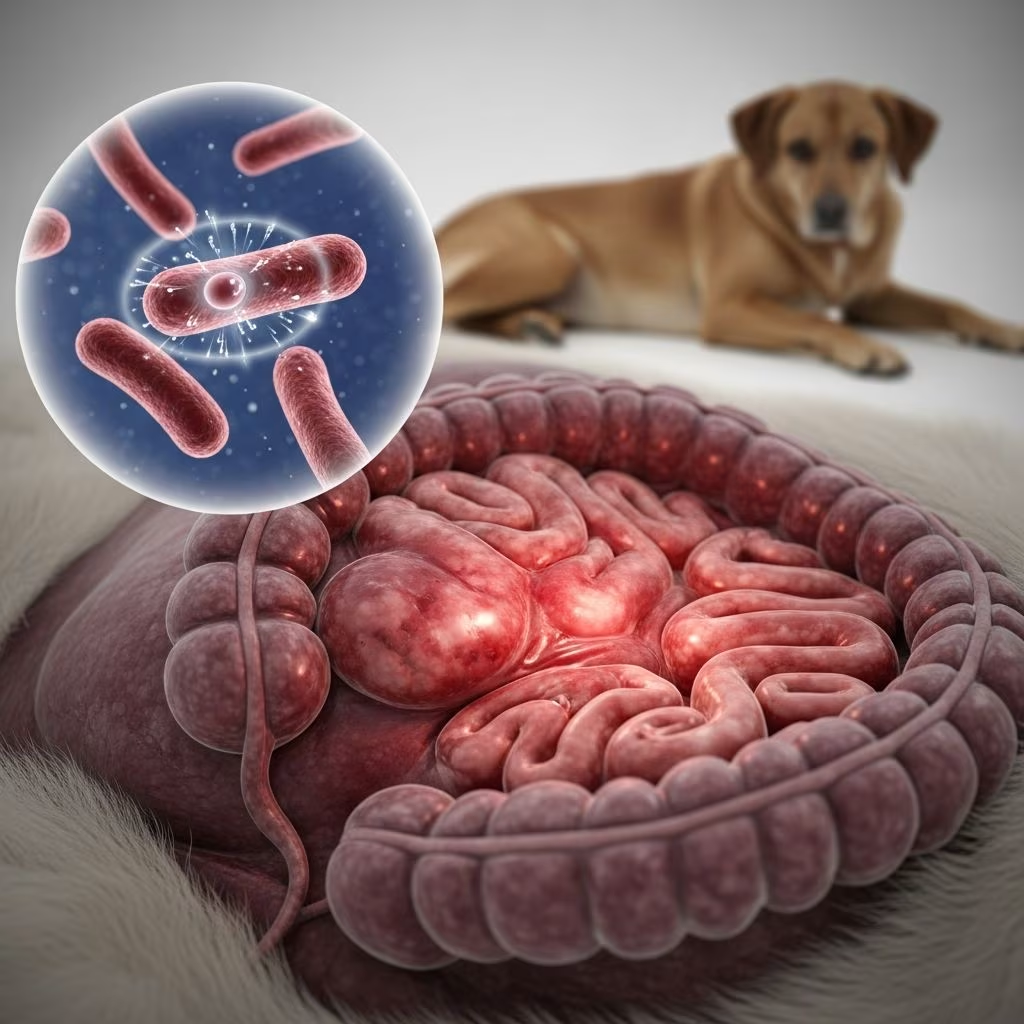
Clostridial enterotoxemia represents a significant gastrointestinal challenge for many dogs, primarily triggered by toxins from Clostridium perfringens type A bacteria. This condition disrupts normal intestinal function, leading to acute or recurrent diarrhea that can range from mild discomfort to life-threatening emergencies. Pet owners must recognize early signs to seek prompt veterinary intervention, as effective management often involves supportive care, antibiotics, and dietary adjustments.
The Nature of the Bacterial Culprit
At the heart of clostridial enterotoxemia lies Clostridium perfringens, a spore-forming, anaerobic bacterium commonly found in soil, water, and the intestines of healthy animals. While the bacteria itself is ubiquitous, only specific strains produce enterotoxins—potent substances that damage the intestinal lining, causing inflammation and fluid loss. In dogs, type A is the predominant culprit, distinguishing it from other clostridial diseases in livestock.
These toxins bind to intestinal receptors, disrupting cell membranes and triggering massive secretion of fluids into the gut lumen. This results in the characteristic watery or bloody stools observed in affected dogs. Unlike systemic infections, clostridial enterotoxemia typically remains confined to the digestive tract, though severe cases can lead to dehydration and secondary complications.
Triggers and Risk Factors
Several factors predispose dogs to bacterial overgrowth and toxin production. Sudden dietary shifts, such as switching to raw or spoiled meats, create an environment favoring clostridial proliferation by altering gut pH and microbial balance. Stress from boarding, travel, or concurrent illnesses like parvovirus or inflammatory bowel disease further compromises intestinal defenses, allowing opportunistic toxin release.
- Raw or contaminated food intake: Carrion, undercooked meats, or expired products introduce high bacterial loads.
- Environmental stress: Kenneling or hospitalization exposes dogs to stressed peers shedding higher bacterial counts.
- Underlying conditions: Parasites, viral infections, or chronic gut disorders weaken immunity.
- High intestinal pH: Certain diets promote toxin gene expression in resident bacteria.
Young puppies and small breeds, including Pomeranians, appear particularly susceptible, with some cases escalating to fatal hemorrhagic gastroenteritis. Statistics suggest this condition contributes to up to 20-34% of chronic large-bowel diarrhea episodes in canine patients.
Clinical Manifestations and Symptom Progression
Symptoms emerge rapidly in acute forms, often within hours of toxin exposure. Owners typically notice profuse, watery diarrhea laced with mucus, fresh blood, or a shiny sheen—hallmarks of enterotoxin damage. Affected dogs strain frequently, producing small, scant stools amid excessive flatulence and abdominal cramping, evidenced by hunching postures or reluctance to be touched.
In chronic scenarios, diarrhea recurs every 2-4 weeks, persisting for months or years without intervention. Vomiting, mild fever, and lethargy may accompany severe outbreaks, mimicking acute hemorrhagic gastroenteritis (HGE). Differentiation is crucial, as clostridial cases respond well to targeted therapy, while HGE may overlap but requires distinct fluid resuscitation.
| Symptom | Acute Presentation | Chronic Presentation |
|---|---|---|
| Diarrhea Type | Large-volume watery or bloody | Recurrent, mucus-coated small stools |
| Frequency | Sudden, urgent defecation | Every 2-4 weeks |
| Associated Signs | Flatulence, pain, occasional vomit | Mild discomfort, no systemic illness |
| Duration | 1 week if untreated | Months to years |
Veterinary Diagnosis: Key Steps
Diagnosis begins with a thorough history, focusing on recent diet changes, stress events, or exposures. Physical exams reveal dehydration or abdominal tenderness, prompting fecal analysis as the cornerstone. Direct smears or Gram stains visualize rod-shaped clostridia, while ELISA or PCR tests detect enterotoxins with reasonable specificity.
Basic bloodwork—complete blood count, serum chemistry, and urinalysis—rules out systemic issues or dehydration severity. For persistent cases, endoscopy or biopsies exclude inflammatory bowel disease or parasites. Notably, toxin assays aren’t always definitive, as bacteria may colonize without pathology; clinical correlation is essential.
Treatment Protocols: From Supportive to Targeted
Most cases resolve outpatient with aggressive fluid therapy for rehydration—IV or subcutaneous as needed. Antibiotics like metronidazole, amoxicillin-clavulanate, or tylosin target overgrowth for 5-10 days in acute episodes, extending to tapered courses for recurrences.
Dietary overhaul is pivotal: bland boiled chicken and rice initially, transitioning to high-fiber formulas with prebiotics/probiotics (e.g., lactobacillus) to restore flora balance and inhibit toxin production. Psyllium supplementation adds bulk, firming stools and reducing bacterial adhesion. Severe hemorrhagic cases demand hospitalization, but prognosis remains excellent with early action.
- Fluids: Correct electrolytes in dehydrated patients.
- Antimicrobials: 7-10 days standard; longer for chronicity.
- Nutritional support: Fiber-rich, probiotic-enhanced diets.
- Monitoring: Fecal rechecks at 10-14 days.
Long-Term Management and Prognosis
Dogs with robust immunity often self-resolve mild infections, but chronic sufferers benefit from lifelong high-fiber diets suppressing clostridial numbers. Probiotic maintenance prevents flares, alongside stress minimization during vulnerable periods. Full recovery is the norm, with hemorrhagic variants carrying good outcomes if treated promptly—rarely fatal in modern veterinary practice.
Proactive Prevention Measures
Forestalling enterotoxemia hinges on hygiene and husbandry. Shun raw diets, transitioning foods gradually over 7-10 days to avert dysbiosis. Routine probiotics bolster resilience, while prompt waste removal curbs environmental contamination. During high-risk scenarios like boarding, vet-recommended antimicrobials or supportive supplements can mitigate outbreaks.
- Avoid carrion/raw feeds entirely.
- Slow diet introductions.
- Probiotic/fiber supplementation.
- Stress reduction protocols.
Frequently Asked Questions (FAQs)
What distinguishes clostridial enterotoxemia from HGE?
While symptoms overlap with bloody diarrhea, lab confirmation of C. perfringens toxins differentiates it; HGE often lacks identifiable pathogens.
How long until symptoms resolve?
Acute cases clear in 7-10 days with treatment; chronic ones may require months of diet management.
Can vaccines prevent this in dogs?
No canine-specific vaccines exist, unlike livestock; focus on prevention via diet and hygiene.
Is it contagious between dogs?
Indirectly via shared environments; not person-to-dog transmission.
When is emergency care needed?
Seek immediate vet attention for profuse bloody stools, lethargy, or dehydration signs.
Key Takeaways for Pet Owners
Clostridial enterotoxemia, though alarming, is highly manageable with vigilant observation and veterinary partnership. By prioritizing balanced nutrition, stress control, and rapid response to diarrhea, owners safeguard their dogs’ gut health effectively. Regular wellness checks enable early detection, ensuring joyful, diarrhea-free companionship.
References
- 2025 Vet Insight: Clostridial Enterotoxicosis in Dogs – Causes, Diagnosis & Care — Ask A Vet (Dr. Duncan Houston BVSc). 2025. https://askavet.com/blogs/pet-health-safety/2025-vet-insight-clostridial-enterotoxicosis-in-dogs-causes-diagnosis-care-%F0%9F%90%BE
- Diarrhea Due to Clostridium perfringens in Dogs — PetMD. Accessed 2026. https://www.petmd.com/dog/conditions/digestive/c_dg_clostridial_enterotoxicosis
- Clostridial Overgrowth and Enterotoxicosis in Dogs — VCA Animal Hospitals. Accessed 2026. https://vcahospitals.com/know-your-pet/clostridial-overgrowth-enterotoxicosis-in-dogs
- Enterotoxemias in Animals – Infectious Diseases — MSD Veterinary Manual. Accessed 2026. https://www.msdvetmanual.com/infectious-diseases/clostridial-diseases/enterotoxemias-in-animals
- Enterotoxemia in Dogs – Dog Owners — Merck Veterinary Manual. Accessed 2026. https://www.merckvetmanual.com/dog-owners/disorders-affecting-multiple-body-systems-of-dogs/enterotoxemia-in-dogs
- Clostridium perfringens type A fatal acute hemorrhagic gastroenteritis — PMC – NIH. 2012-04-01. https://pmc.ncbi.nlm.nih.gov/articles/PMC3327598/



