

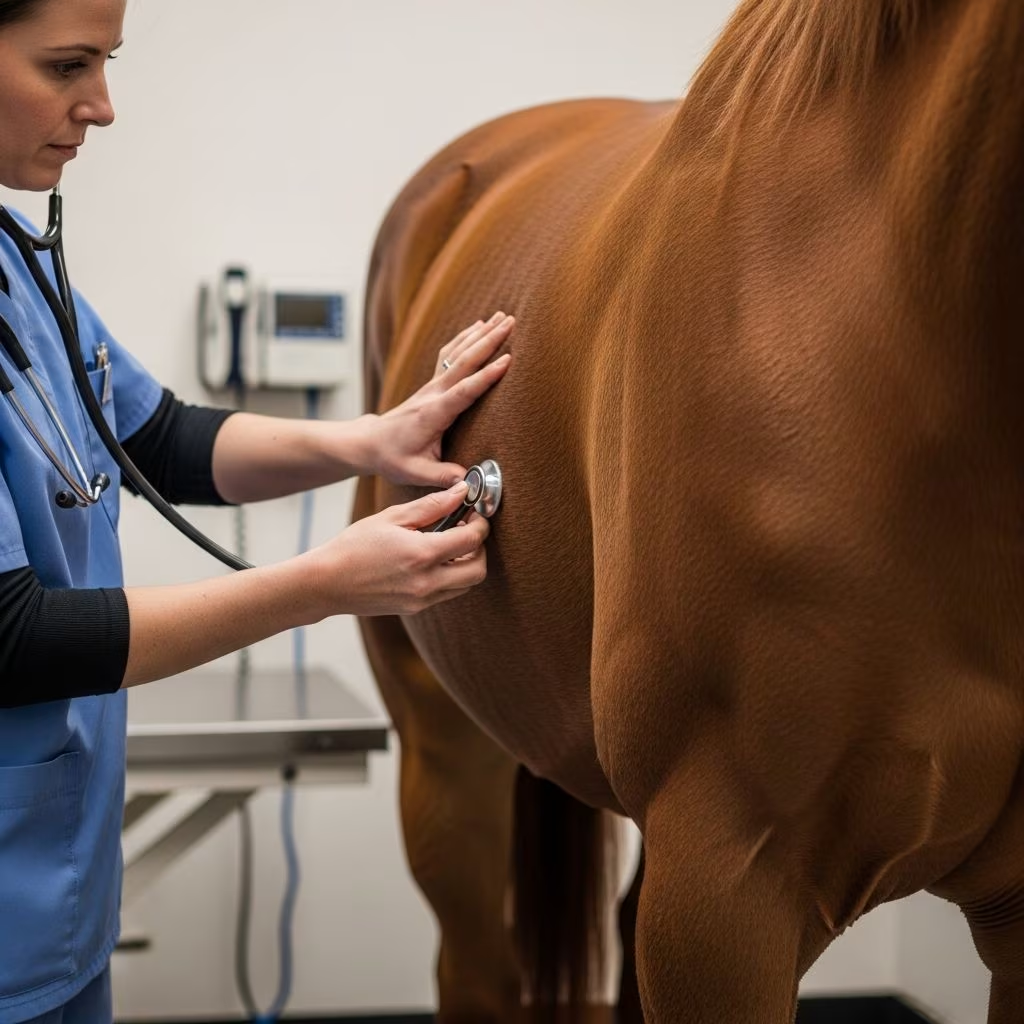
Clostridial enterocolitis represents one of the most significant infectious gastrointestinal conditions affecting horses, with implications for both performance animals and breeding stock. This disease, triggered primarily by Clostridium perfringens and Clostridium difficile, leads to inflammation of the intestinal tract and can rapidly compromise the health status of affected animals. Understanding the underlying mechanisms, clinical manifestations, and appropriate management strategies is essential for equine practitioners and horse owners seeking to minimize morbidity and mortality associated with this condition.
The Nature of Clostridial Intestinal Disease
Clostridial enterocolitis develops when pathogenic bacteria colonize the equine intestinal tract and produce toxins that damage the intestinal lining. These bacteria exist naturally within the gastrointestinal flora of many healthy horses, remaining dormant until conditions favor their proliferation and toxin production. The disease manifests as an acute inflammatory response affecting both the small intestine and colon, disrupting normal digestive function and fluid balance within the body.
The onset of clinical illness can be remarkably rapid, with some cases progressing from initial signs to life-threatening conditions within hours. The severity varies considerably between affected animals, with presentations ranging from mild gastrointestinal upset to fulminant disease with systemic complications and potential mortality.
Bacterial Agents and Disease Mechanisms
Clostridium perfringens represents the primary pathogenic agent in equine clostridial enterocolitis. This bacterium produces multiple toxins, including alpha toxin and enterotoxin, which cause direct damage to the intestinal epithelium. When these toxins penetrate the intestinal mucosal barrier, they trigger an inflammatory cascade that leads to increased intestinal permeability, fluid loss, and bacterial translocation into systemic circulation.
Clostridium difficile operates through a distinct mechanism, producing toxins A and B that specifically damage the intestinal lining and disrupt normal microbial balance. This organism gains particular significance in horses receiving broad-spectrum antibiotic therapy, as antimicrobial medications eliminate competing bacteria that normally suppress C. difficile proliferation.
The role of netF-expressing Clostridium perfringens has gained recognition in recent years as a significant cause of severe, rapidly progressive enterocolitis in equines. This variant produces a unique toxin belonging to the leukocydin-hemolysin family, capable of causing particularly destructive effects on intestinal tissue.
Risk Factors and Predisposing Conditions
Several factors increase susceptibility to clostridial disease development in horses:
- Antibiotic Administration: Broad-spectrum antimicrobials, particularly beta-lactam antibiotics, aminoglycosides, and macrolides, significantly elevate disease risk by eliminating protective intestinal bacteria.
- Surgical Stress: Gastrointestinal surgery and recovery anesthesia create conditions favoring bacterial overgrowth.
- Age Considerations: Foals represent a particularly vulnerable population, especially neonates with inadequate colostral immunity.
- Nutritional Status: Poor nutritional state and concurrent illness increase disease susceptibility.
- Environmental Contamination: Exposure to bacterial spores in contaminated environments enhances infection risk.
- Immunocompromise: Any condition reducing immune function predisposes to severe disease.
Clinical Presentation and Symptomatology
The clinical appearance of clostridial enterocolitis varies depending on disease severity, affected intestinal segments, and individual animal response. Adult horses frequently present with a characteristic constellation of symptoms that develop acutely:
- Fever and elevated body temperature
- Acute onset abdominal pain or colic
- Diarrhea, frequently with hemorrhagic (bloody) character
- Depression and lethargy
- Loss of appetite (anorexia)
- Dehydration and signs of circulatory compromise
- Tachycardia and increased respiratory rate
- Muscle tremors and general malaise
In foals, the disease often assumes a particularly aggressive form. Neonatal foals may present with sudden onset of severe bloody diarrhea, profound depression, and signs of systemic toxemia. The peracute presentation in young animals frequently results in deterioration within 24 hours of initial symptom recognition.
Chronically affected horses may display persistent diarrhea, weight loss, weakness, and generalized poor condition. Some cases progress to include neurologic manifestations or sudden collapse and death, highlighting the unpredictable nature of severe clostridial disease.
Diagnostic Approaches and Laboratory Confirmation
Confirming clostridial enterocolitis requires integration of clinical signs with specific diagnostic testing. Several methodologies exist for identifying clostridial disease:
Molecular Testing: Polymerase chain reaction (PCR) analysis of fecal samples represents a sensitive method for detecting clostridial toxin genes. This approach identifies specific toxin-producing strains and provides species-level identification of causative organisms.
Serological Testing: Enzyme-linked immunosorbent assay (ELISA) detects toxins or antibodies in serum or fecal samples. Paired sera demonstrating rising titers (typically above 1:30) suggest active or recent infection.
Clinical Laboratory Findings: Affected horses typically demonstrate marked hypoproteinemia due to intestinal protein loss. White blood cell counts often show abnormalities including leukocytosis or leucopenia depending on disease severity. Electrolyte abnormalities, particularly hypokalemia and hyponatremia, frequently occur secondary to diarrheal losses.
Postmortem Diagnosis: Histopathologic examination reveals characteristic mucosal necrosis and severe inflammatory infiltration. Special staining techniques can identify bacterial organisms within affected tissue.
Comprehensive Treatment Strategy
Management of clostridial enterocolitis requires multimodal therapy addressing both the underlying infection and systemic consequences of intestinal disease. Treatment protocols have evolved significantly as understanding of disease pathophysiology has advanced.
Antimicrobial Therapy
Antibiotic selection represents a critical component of successful treatment. Metronidazole serves as a first-line agent, with recommended dosing of 15 mg/kg administered orally every 8 to 12 hours for adult horses. Foals require adjusted dosing at 10 mg/kg every 12 hours. This agent demonstrates excellent activity against anaerobic organisms and achieves high concentrations in the gastrointestinal tract.
When C. perfringens is confirmed, parenteral antibiotics may be necessary during the acute phase. Appropriate choices include:
- Potassium penicillin G administered intravenously
- Ceftiofur as a broad-spectrum cephalosporin option
- Enrofloxacin for gram-negative coverage
- Chloramphenicol in selected cases with severe infections
Selection of specific agents must consider individual animal factors including renal function, hepatic status, and concurrent medications. Careful antibiotic stewardship remains essential, as inappropriate agent selection may exacerbate gastrointestinal dysbiosis.
Supportive and Symptomatic Care
Fluid Therapy: Intravenous fluid replacement forms the cornerstone of supportive treatment. Both isotonic crystalloid solutions and hypertonic saline preparations prove beneficial depending on the clinical situation. Fluid administration must account for ongoing diarrheal losses, with careful monitoring of hydration status and electrolyte concentrations.
Colloid Support: Plasma therapy, whether commercial hyperimmune products or fresh frozen plasma, provides essential proteins including albumin and immunoglobulins. Synthetic colloids such as hydroxyethyl starch (hetastarch) offer additional circulatory support when hypoproteinemia develops.
Pain Management: Abdominal discomfort requires appropriate analgesia. Nonsteroidal anti-inflammatory drugs (NSAIDs) address both pain and inflammation, while opioid agents including butorphanol and alpha-2 agonists provide additional pain relief. All analgesics must be used judiciously, considering their effects on gastrointestinal motility and function.
Anti-inflammatory Medication: Systemic inflammation contributes significantly to organ dysfunction in severe cases. Anti-inflammatory agents and endotoxin-neutralizing compounds including polymixin B help minimize excessive inflammatory responses.
Laminitis Prevention: Horses with severe colitis face substantial risk for laminitis development secondary to systemic endotoxemia. Cryotherapy of the distal limbs and hooves significantly reduces laminitis incidence and should be implemented early in treatment protocols.
Additional Therapeutic Considerations
Gastroprotection: Stress ulcer development represents a common complication in critically ill horses. Proton pump inhibitors and H2-receptor antagonists provide mucosal protection during the acute disease phase.
Intestinal Absorbents: Compounds such as di-tri-octahedral smectite (bismuth subsalicylate preparations) may help absorb intestinal toxins and reduce diarrheal severity, although efficacy varies between individual cases.
Probiotic Administration: Restoration of beneficial intestinal microflora through probiotic supplementation has gained popularity in equine practice. However, scientific evidence supporting clinical efficacy remains limited, and probiotic selection should be based on equine-specific formulations when used.
Transfaunation: Transfer of fecal material from healthy donor horses to affected individuals aims to restore normal intestinal bacterial populations. While theoretically beneficial, this technique requires careful donor selection and remains controversial regarding long-term efficacy.
Managing High-Risk Patients on Antibiotics
Prevention of clostridial enterocolitis in horses requiring antibiotic therapy involves careful antimicrobial selection. Practitioners should consider alternative agents when treating conditions in susceptible animals, particularly foals and horses with prior gastrointestinal complications. Nursing mares receiving macrolide antibiotics (such as erythromycin) for treatment of foal infections face elevated risk for clostridial disease, necessitating careful monitoring and education regarding warning signs.
Owners should be instructed to observe treated animals closely and report any development of loose stools or gastrointestinal distress immediately.
Prognosis and Long-Term Outcomes
Prognosis in clostridial enterocolitis depends on multiple factors including disease severity, patient age, duration of illness before treatment initiation, and individual response to therapy. Mildly affected animals may recover with appropriate supportive care alone, while severely ill horses require intensive hospitalization and aggressive intervention.
Some cases of C. difficile infection resolve spontaneously without additional antimicrobial therapy, particularly when the inciting antibiotic has been discontinued. Conversely, severe presentations may result in rapid deterioration and death despite maximal supportive and antimicrobial therapy.
Prevention and Infection Control
Reducing disease incidence requires implementation of comprehensive preventive strategies:
- Environmental Disinfection: Regular use of spore-killing disinfectants in stalls, equipment, and handling areas reduces bacterial spore contamination.
- Hygiene Practices: Meticulous hand washing and isolation of infected animals prevents disease transmission to susceptible contacts.
- Judicious Antibiotic Use: Limiting unnecessary antibiotic administration and selecting agents unlikely to disrupt protective intestinal flora minimizes disease risk.
- Nutritional Management: Maintaining optimal nutrition and avoiding abrupt dietary changes supports gastrointestinal health.
- Stress Reduction: Minimizing transportation, environmental stress, and surgical procedures when possible reduces disease triggering factors.
Conclusion
Clostridial enterocolitis remains a significant challenge in equine medicine, capable of causing severe systemic disease and death despite modern therapeutic interventions. Successful management requires early recognition of clinical signs, rapid diagnostic confirmation, and implementation of aggressive multimodal therapy addressing both the primary infection and secondary systemic complications. Ongoing vigilance regarding antibiotic selection and meticulous infection control practices remain essential for reducing disease incidence in equine populations.
References
- Clostridial Enterocolitis Disease in Adult Horses Guidelines — American Association of Equine Practitioners (AAEP). 2025. https://aaep.org/wp-content/uploads/2025/10/Clostridial-Enterocolitis-Disease-in-Adult-Horses-Guidelines.pdf
- Intestinal Clostridiosis (Clostridia-associated Enterocolitis) in Horses — MSD Veterinary Manual. Accessed 2026. https://www.msdvetmanual.com/horse-owners/infectious-diseases-of-horses/intestinal-clostridiosis-clostridia-associated-enterocolitis-in-horses
- Clostridial Diseases of Horses: A Review — PMC/PubMed Central. 2023. https://pmc.ncbi.nlm.nih.gov/articles/PMC8876495/
- Clostridial Colitis in Horses — Succeed Equine Supplement Resource Library. Accessed 2026. https://www.succeed-vet.com/educational-resources/disease-library/colitis/clostridial-colitis/
- Diarrhea in Horses and Foals — DVM360. Accessed 2026. https://www.dvm360.com/view/diarrhea-horses-and-foals-proceedings
- Clostridium difficile in Equine Medicine — Worms and Germs Blog. 2006. https://www.wormsandgermsblog.com/files/2006/11/JSW-MA2-C-diff-Equine.pdf
- Clostridial Enteritis — Equine Disease Communication Center. Accessed 2026. https://www.equinediseasecc.org/clostridial-entertis



