
Clostridial Diseases: 5 Major Animal Infections And Prevention
Understanding the deadly bacterial threats to livestock and effective prevention strategies for farmers and vets.
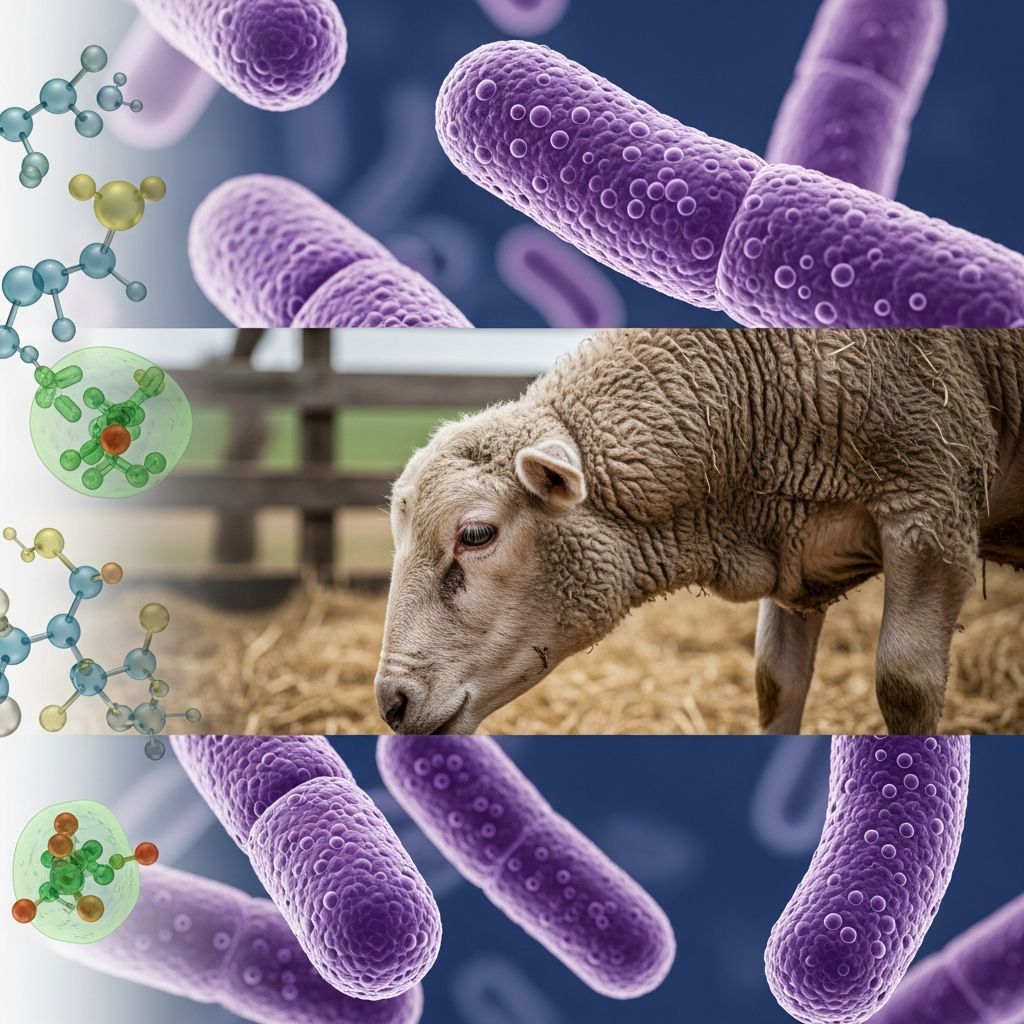
Clostridial diseases represent some of the most devastating infections in veterinary medicine, primarily affecting livestock such as cattle, sheep, and goats. These conditions arise from bacteria in the genus Clostridium, which are gram-positive, spore-forming rods that thrive in anaerobic environments like soil, water, and animal intestines. Their resilience as spores allows them to persist in harsh conditions, activating under specific triggers to produce potent toxins that cause rapid, often fatal illnesses.
The Nature of Clostridium Bacteria
Clostridia are ubiquitous in nature, commonly found in soil, feces, and decaying organic matter. These bacteria form endospores that resist heat, desiccation, and disinfectants, enabling long-term survival. Once conditions favor germination—such as low oxygen, tissue damage, or dietary shifts—the bacteria multiply and release exotoxins that target nerves, muscles, or blood cells.
Key characteristics include their anaerobic metabolism and ability to ferment carbohydrates, producing gas and acids. This gas formation often leads to crepitus (crackling under the skin) in infected tissues. Transmission occurs via ingestion of contaminated feed, wound contamination, or umbilical infections in neonates.
Major Clostridial Diseases and Their Impact
Several clostridial species cause distinct syndromes in animals. Below, we detail the most prevalent ones, focusing on clinical presentation, affected species, and pathology.
Blackleg: The Muscle Destroyer
Blackleg, caused by Clostridium chauvoei, strikes young, thriving cattle aged 6 months to 2 years on high-plane nutrition. Spores ingested orally lodge in the liver or spleen, germinating when triggered by unknown factors, leading to bloodstream dissemination and muscle invasion.
Symptoms emerge suddenly: lameness, fever, depression, and a hot, swollen limb that cools as necrosis sets in. Death occurs within 12-36 hours, often without prior notice. Post-mortem reveals dark, rancid muscle with gas bubbles and emphysema.
Tetanus: The Stiffening Killer
Clostridium tetani produces tetanospasmin, a neurotoxin entering via wounds, including those from castration, docking, or unclean births. It blocks inhibitory neurotransmitters, causing uncontrolled muscle contractions.
Early signs include stiff gait and lockjaw; progression leads to convulsions, prolapse, and respiratory failure. Sheep and horses are highly susceptible, with rapid fatalities if untreated. Prognosis is poor without early antitoxin and supportive care.
Enterotoxemias: Overeating Perils
Clostridium perfringens types A-D cause hemorrhagic enteritis, especially in young ruminants. Type C hits neonatal lambs with bloody scours after milk surges or feed changes; Type D (pulpy kidney) affects overfed lambs, causing sudden death, diarrhea, and neurological signs.
Toxins like epsilon disrupt gut barriers, leading to ulceration and toxemia. Outbreaks follow dietary shifts, with high mortality in unvaccinated flocks.
Botulism: Nerve Paralysis
Seven toxin types from Clostridium botulinum cause flaccid paralysis by inhibiting acetylcholine release. Pre-formed toxins in carrion-contaminated feed or silage affect cattle and horses. Signs start with tremors, progress to weakness, dysphagia, and collapse.
Malignant Edema and Related Gangrenes
C. septicum or C. chauvoei infect deep wounds, producing edema, gas, and necrosis. Swelling spreads rapidly with crepitus and foul odor; death follows toxemia. Acute cervical edema by C. sordellii targets neck muscles without wounds.
Symptoms Across Diseases: Recognition Patterns
- Sudden death: Hallmark of blackleg, enterotoxemia, and black disease.
- Muscle signs: Lameness, swelling, crepitus in blackleg and malignant edema.
- Neurological: Stiffness (tetanus), paralysis (botulism), convulsions (enterotoxemia).
- Gastrointestinal: Diarrhea, dysentery, abdominal pain in enterotoxemias.
- Systemic: Fever, depression, jaundice in some like bacillary hemoglobinuria.
Post-mortem findings consistently show gas, discoloration, hemorrhage, and rancid odors, aiding presumptive diagnosis.
Diagnosis Strategies
Veterinary confirmation involves history, clinical signs, necropsy, and lab tests. Anaerobic culture identifies bacteria, while toxin detection via ELISA or mouse bioassay confirms etiology. Fluorescent antibody tests on tissues speed diagnosis.
| Disease | Key Necropsy Feature | Lab Confirmation |
|---|---|---|
| Blackleg | Dark muscle, gas | Culture of C. chauvoei |
| Tetanus | No gross lesions | Toxin detection in serum |
| Enterotoxemia | Hemorrhagic gut | ELISA for epsilon toxin |
| Botulism | Visceral paralysis | Mouse neutralization |
Treatment Approaches: Limited Windows
Clostridial diseases progress too swiftly for reliable cures. High-dose penicillin targets bacteria, but antitoxins are crucial for tetanus and botulism. Supportive care includes fluids, anti-inflammatories, and wound debridement. Success rates are low post-symptom onset; prevention trumps treatment.
Prevention: Vaccination as the Cornerstone
Vaccines containing formalin-inactivated toxins and bacterins protect against multiple diseases. Core protocols:
- Cattle: 7-way (blackleg, malignant edema, enterotoxemia, tetanus, etc.) at branding, boosters annually.
- Sheep/Goats: 8-way including tetanus and additional enterotoxemia types; ewes pre-lambing for colostral immunity.
- Horses: Tetanus core, botulism in risk areas.
Management reduces risk: clean wounds, gradual feed changes, avoid overfeeding, control liver fluke for black disease.
Species-Specific Vulnerabilities
Cattle
Prime targets for blackleg, bacillary hemoglobinuria (C. haemolyticum), and botulism. Irish regions note regional prevalence.
Sheep and Goats
Enterotoxemias dominate, plus black disease (C. novyi) triggered by flukes. Pulpy kidney devastates feedlots.
Other Species
Horses face tetanus and botulism; pigs get necrotic enteritis from C. perfringens.
FAQs
What causes clostridial outbreaks?
Triggers include wounds, dietary excess, stress, or liver damage from parasites.
Can clostridial diseases spread between animals?
Primarily environmental; not contagious like viruses, but spores spread via manure.
How effective are clostridial vaccines?
Highly effective with proper timing; 95%+ protection when protocols followed.
Is antibiotic prophylaxis useful?
Not routinely; vaccines preferred. Use penicillin for known exposures.
What if I find a dead animal with gas in tissues?
Presumptive clostridial; necropsy immediately, vaccinate herd.
Emerging Concerns and Research
Climate change may boost spore loads in flooded soils. Antimicrobial resistance in clostridia warrants vigilance, though beta-lactams remain effective. Ongoing studies refine multivalent vaccines.
Livestock producers must integrate vaccination, hygiene, and monitoring to combat these spore-borne threats effectively.
References
- What is a Clostridial Disease? – PBS Animal Health — PBS Animal Health. 2023. https://www.pbsanimalhealth.com/blog/learning-center/b/what-is-a-clostridial-disease/
- Clostridial Disease – MSD Animal Health — MSD Animal Health. 2024. https://www.msd-animal-health.ie/species/cattle/clostridial-disease/
- Clostridial Diseases – Cornell University — Cornell University College of Veterinary Medicine. 2023. https://www.vet.cornell.edu/animal-health-diagnostic-center/programs/nyschap/modules-documents/clostridial-diseases
- Clostridial Diseases of Cattle – Mississippi State University — Mississippi State University Extension. 2022. https://extension.msstate.edu/publications/clostridial-diseases-cattle
- Clostridial Infections in Cattle: A Comprehensive Review — PMC (National Library of Medicine). 2024-10-15. https://pmc.ncbi.nlm.nih.gov/articles/PMC11506116/
- Overview of Clostridial Diseases in Animals – Merck Veterinary Manual — Merck & Co. 2025. https://www.merckvetmanual.com/infectious-diseases/clostridial-diseases/overview-of-clostridial-diseases-in-animals
Similar Articles








Read full bio of Sneha Tete


