

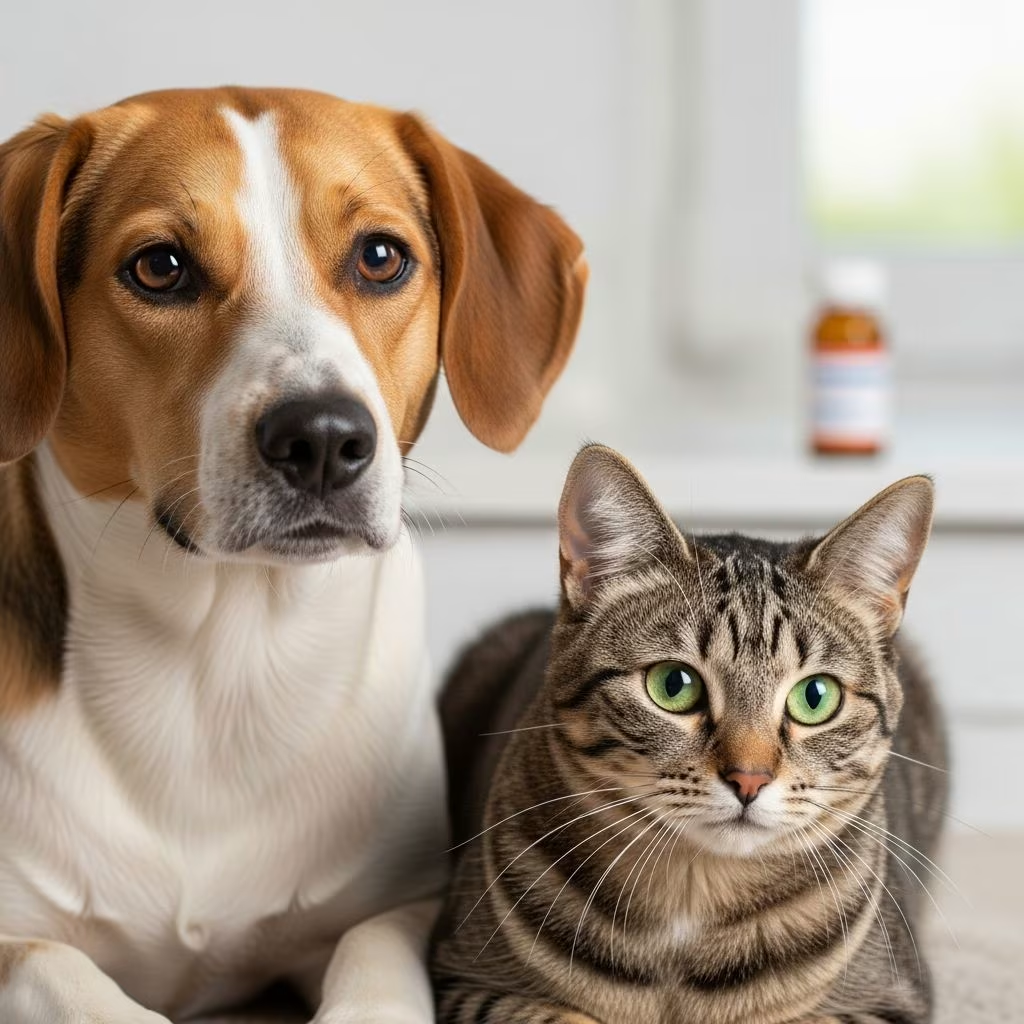
Understanding Clomipramine: A Comprehensive Medication Guide for Pet Owners
Clomipramine, commonly marketed under brand names such as Clomicalm and Anafranil, is a tricyclic antidepressant medication prescribed for both dogs and cats to address behavioral and anxiety-related disorders. This medication works by increasing serotonin levels in the brain, helping to alleviate symptoms of separation anxiety, obsessive-compulsive behaviors, and other anxiety-related conditions in pets. If your veterinarian has prescribed clomipramine for your furry companion, understanding how this medication works, proper dosing protocols, potential side effects, and important precautions will help you provide the best care possible.
What Is Clomipramine and How Does It Work?
Clomipramine is a tricyclic antidepressant that functions by modulating neurotransmitter activity in the brain. Specifically, it increases the availability of serotonin, a neurotransmitter that plays a crucial role in mood regulation and anxiety management. By elevating serotonin levels, clomipramine helps reduce anxiety symptoms and compulsive behaviors in pets. The medication is particularly effective for treating separation anxiety, a common condition in which dogs or cats experience distress when separated from their owners. Additionally, clomipramine has been used to treat obsessive-compulsive disorder and various fear-related behaviors in companion animals.
Dosage Information for Dogs
Proper dosing is essential for the safe and effective use of clomipramine in dogs. Veterinarians typically determine the appropriate dose based on your dog’s weight, overall health status, and the specific condition being treated.
Recommended Dosing Guidelines
The standard canine dose of clomipramine ranges from 1 to 1.5 mg per pound of body weight, which is equivalent to 2 to 3 mg per kilogram, administered twice daily. Some veterinarians may prescribe the total daily dose as a single administration, with typical dosages ranging from 0.9 to 1.8 mg per pound of body weight every 24 hours. For example, a 50-pound dog might receive between 50 to 75 mg per day, divided into two doses of 25 to 37.5 mg each. The FDA-approved recommendation specifies 2 to 4 mg/kg/day (0.9 to 1.8 mg/lb/day), which can be administered as either a single daily dose or divided into twice-daily dosing.
Administration Instructions
Clomipramine tablets should be given orally and can be administered with or without food, though food may help reduce gastrointestinal upset in some cases. For optimal results, administer the medication at the same time each day to maintain consistent drug levels in your dog’s system. Follow your veterinarian’s specific instructions regarding whether to give the medication once daily or divide it into two doses, as this may depend on your individual dog’s response to treatment.
Dosage Information for Cats
Cats typically require lower doses of clomipramine compared to dogs due to their smaller body size and different metabolic profiles.
Recommended Feline Dosing
The standard feline dose of clomipramine ranges from 0.125 to 0.5 mg per pound of body weight, equivalent to 0.25 to 1 mg per kilogram, administered once daily. In most cases, this typically works out to approximately 5 mg per cat as a total daily oral dose. Some veterinary references recommend 0.5 to 1.5 mg/kg administered every 24 hours. Your veterinarian will determine the most appropriate dosage for your specific cat based on their weight, health status, and the particular condition being treated.
Feline Administration
Clomipramine for cats is available in multiple formulations to accommodate different administration preferences and feline tolerance levels. These include tablets, capsules, and oral liquid forms. As with dogs, medication should be given at consistent times daily. Veterinarians typically start with the lowest effective dosage and may increase it if needed. It typically takes 2 to 4 weeks after starting the medication to see noticeable improvement in your cat’s symptoms.
Conditions Treated with Clomipramine
Clomipramine is primarily used to address behavioral and psychological conditions in companion animals where anxiety or compulsive behaviors are the primary concern.
Separation Anxiety
Separation anxiety is one of the most common conditions treated with clomipramine. Dogs and cats with separation anxiety experience significant distress when separated from their owners, leading to destructive behaviors, excessive vocalization, inappropriate elimination, and other problematic conduct. Clomipramine helps reduce the anxiety underlying these behaviors, making it easier for behavioral modification techniques to be effective. Clinical studies have demonstrated that clomipramine administered at therapeutic doses, combined with behavior modification programs, significantly improves signs of separation anxiety in dogs.
Obsessive-Compulsive Disorder
Some pets develop obsessive-compulsive behaviors, such as excessive licking, spinning, or tail chasing, that can cause physical injury and psychological distress. Clomipramine has been shown to effectively reduce these compulsive behaviors when combined with appropriate behavioral intervention.
Fear-Related Behaviors
Clomipramine may also be prescribed for dogs and cats with noise phobia, generalized fear responses, or other anxiety-related behavioral issues that significantly impact their quality of life.
Potential Side Effects
While clomipramine is generally well-tolerated when administered at recommended doses, pet owners should be aware of potential side effects and monitor their animals during treatment.
Common Side Effects
Some pets may experience mild side effects when first starting clomipramine or at higher doses. These may include drowsiness, lethargy, or mild gastrointestinal upset. Most of these effects are temporary and tend to diminish as the body adjusts to the medication.
Serious Adverse Events
At excessive doses, more serious side effects have been documented in toxicity studies, including vomiting, pupil dilation, and significant lethargy occurring within an hour of ingestion. These symptoms suggest overdose and require immediate veterinary attention. If you suspect your pet has received an excessive dose of clomipramine, contact your veterinarian or emergency veterinary clinic immediately.
Important Precautions and Contraindications
Clomipramine should be used with caution in certain situations and may not be appropriate for all pets.
Health Conditions Requiring Caution
Clomipramine should be used carefully or avoided in pets with the following health conditions:
- Liver disease
- Heart disease
- Thyroid disease
- Cardiovascular problems
- Glaucoma
- Gastrointestinal dysfunction
- Difficulty urinating or other urinary issues
- Heart rhythm abnormalities
Pregnancy and Lactation
Clomipramine should be used with caution in pregnant and lactating dogs and cats, as the effects on developing fetuses and nursing offspring are not fully established. Discuss reproductive status with your veterinarian before beginning treatment.
Dietary Interactions
One important dietary restriction involves aged cheeses. Pets taking clomipramine should not be given aged cheese products, as certain compounds in aged cheeses can interact with the medication and potentially cause adverse effects.
Drug Interactions and Administration Tips
When administering clomipramine, it is important to inform your veterinarian about any other medications or supplements your pet is currently taking. Clomipramine may interact with other medications, and your veterinarian needs complete information to ensure safe concurrent use. The medication should only ever be given under veterinary supervision, and dosage instructions should be followed closely. Monitor your pet for any signs of adverse reactions and report concerning symptoms to your veterinarian promptly.
How Long Does Clomipramine Take to Work?
Patience is important when beginning clomipramine treatment. The medication does not provide immediate relief from anxiety or behavioral problems. Typically, noticeable improvement in symptoms takes 2 to 4 weeks after beginning treatment, particularly in cats. For dogs with separation anxiety, behavioral improvement was observed at 28 days of treatment, with continued improvement through day 84 of the study period. This timeline underscores the importance of combining clomipramine with comprehensive behavior modification programs, including desensitization and counterconditioning techniques, to achieve the best results.
Combining Clomipramine with Behavior Modification
Clomipramine is most effective when used as part of a comprehensive behavioral management program rather than as a standalone treatment. Behavior modification techniques such as desensitization and counterconditioning help address the underlying behavioral patterns while the medication reduces the anxiety driving those behaviors. Your veterinarian or a certified animal behaviorist can help design a behavior modification plan tailored to your pet’s specific needs. The combination of pharmacological and behavioral interventions typically produces superior outcomes compared to either approach alone.
Brand Names and Availability
Clomipramine is available under several brand names, with Clomicalm being the FDA-approved formulation for canine separation anxiety. Anafranil is another brand name by which clomipramine is known. The medication is available by prescription only and is packaged in color-coded bottles containing 30 tablets in various strengths, including 5-mg, 20-mg, 40-mg, and 80-mg doses. Generic clomipramine formulations have also become available, providing more affordable options for pet owners. However, it is important to note that some animals may respond differently to generic formulations compared to the brand-name medication, similar to variations seen in human psychiatry.
Storage and Handling
Store clomipramine tablets at room temperature, away from moisture and direct sunlight. Keep the medication in its original container with the label intact. Never share medication between pets, and always keep clomipramine out of reach of children and unintended animals. If you accidentally give your pet too much medication, contact your veterinarian or an emergency veterinary clinic immediately.
Frequently Asked Questions About Clomipramine
Q: Can clomipramine be given with food?
A: Yes, clomipramine can be given with or without food. However, administering it with a small amount of food may help reduce gastrointestinal upset in sensitive pets.
Q: How long will my pet need to take clomipramine?
A: The duration of treatment varies depending on your pet’s condition and response. Dogs continued medication for at least one month after clinical signs disappeared or were acceptably reduced, with gradual withdrawal attempted by decreasing dosage at weekly intervals. Your veterinarian will determine the appropriate treatment duration for your specific pet.
Q: What should I do if I miss a dose?
A: If you miss a dose, give it as soon as you remember, unless it is almost time for the next scheduled dose. Never double-dose to make up for a missed dose. Maintain a consistent dosing schedule for best results.
Q: Is clomipramine safe for all dog and cat breeds?
A: Clomipramine is generally safe for use in dogs over 6 months of age and can be used in cats; however, certain underlying health conditions may make it unsuitable or require dose adjustment. Always inform your veterinarian about your pet’s complete medical history.
Q: Can clomipramine be crushed or mixed with food?
A: Check with your veterinarian before crushing tablets or mixing medication with food, as some formulations may need to be given whole. Your veterinarian can advise on the best administration method for your pet’s specific situation.
Q: What is the difference between clomipramine and other antidepressants for pets?
A: Clomipramine is a tricyclic antidepressant, while other options like amitriptyline are also tricyclic antidepressants with similar mechanisms of action. Your veterinarian will choose the most appropriate medication based on your pet’s specific condition and medical history.
References
- Clomipramine (Clomicalm®, Anafranil®) for Dogs and Cats — Pet Place. https://www.petplace.com/article/drug-library/drug-library/library/clomipramine-clomicalm-anafranil-for-dogs-and-cats
- Clomipramine for Dogs — Wag Walking. https://wagwalking.com/treatment/clomipramine
- Animal Drugs @ FDA: Clomicalm Tablets (Clomipramine Hydrochloride) — U.S. Food and Drug Administration. https://animaldrugsatfda.fda.gov/adafda/app/search/public/document/downloadFoi/646
- Just approved: Generic clomipramine for canine separation anxiety — DVM 360. https://www.dvm360.com/view/just-approved-generic-clomipramine-canine-separation-anxiety
- Use of clomipramine in treatment of obsessive-compulsive disorder in dogs — National Center for Biotechnology Information. https://pubmed.ncbi.nlm.nih.gov/11349411/
- Clomicalm for Dogs (Clomipramine) — PetMD. https://www.petmd.com/pet-medication/clomipramine-hcl-clomicalm-dogs
- Clomipramine for Cats: Uses, Dosage, and Side Effects — GoodRx. https://www.goodrx.com/pet-health/cat/clomipramine-for-cats
- Psychotropic Drugs Used for Skin Disorders — MSD Veterinary Manual. https://www.msdvetmanual.com/multimedia/table/psychotropic-drugs-used-for-skin-disorders



