

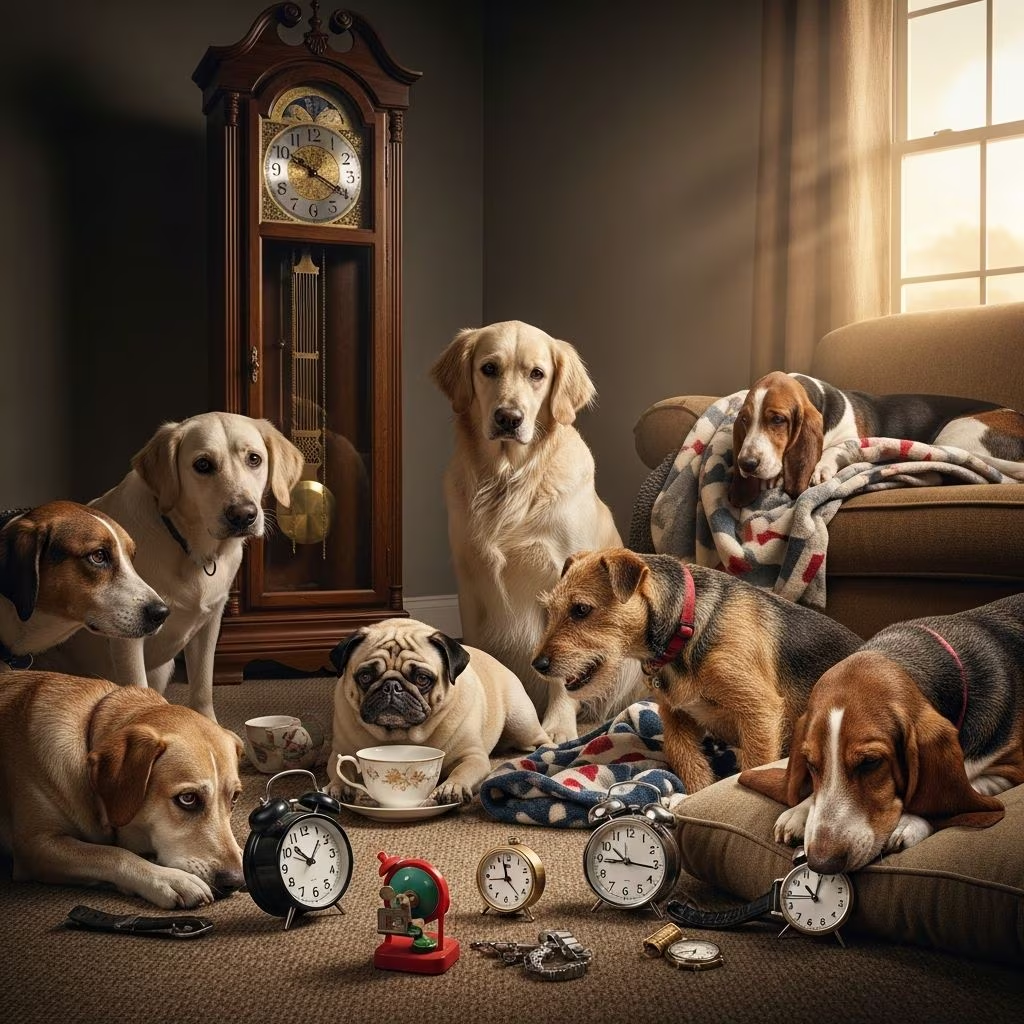
Dogs thrive on predictability, but biannual clock adjustments for daylight saving time throw their world into disarray. These shifts, typically by one hour, clash with their natural circadian rhythms—internal 24-hour cycles dictating sleep, hunger, and activity—leading to noticeable behavioral changes.
The Science Behind Your Dog’s Internal Clock
Canines possess a circadian rhythm, a biological timer influenced primarily by light exposure rather than artificial clocks. This rhythm regulates everything from hormone release to energy peaks and troughs. When external time changes occur, dogs don’t instantly recalibrate; instead, their bodies respond to dawn’s light or dusk’s fade, causing a mismatch with human schedules.
Research shows sleep disruptions alter daytime behaviors profoundly. In one study, fragmented sleep led dogs to spend more time inactive, eat excessively during daylight hours, and reduce play and alertness. Males and varying age groups showed differential sensitivities, highlighting how even minor rhythm interruptions compound over days.
Common Signs of Disruption in Dogs
Owners often notice subtle cues that their dog’s equilibrium is off-balance post-time change. These manifestations stem from the conflict between ingrained habits and altered daylight patterns.
- Early Wake-Ups: Dogs may rise at sunrise, well before the new clock time, pawing at doors or whining for attention.
- Restlessness: Pacing or inability to settle signals confusion over shifted bedtimes.
- Appetite Shifts: Hunger pangs hit at old mealtimes, prompting begging or refusal of food when presented later.
- Energy Mismatches: Hyperactivity at inappropriate times or lethargy during peak activity windows.
Such symptoms peak in the first few days, especially in puppies, seniors, or anxiety-prone breeds, as their adaptability varies.
How Time Changes Derail Feeding Routines
Mealtimes anchor a dog’s day, synced to metabolic cues. A one-hour shift feels like starvation or overfeeding to their body clock, sparking digestive unease or persistent hunger signals. In multi-dog homes, this can escalate to resource guarding or skirmishes.
Owners report dogs hovering near food bowls prematurely or ignoring servings that arrive “late.” This stems from elevated cortisol—stress hormone—triggered by routine breaks, mirroring findings in shelter dogs where inconsistency raised stress markers significantly.
Walking and Exercise: Navigating New Light Patterns
Pre-dawn or post-sunset walks become darker with shorter days, heightening reactivity in light-sensitive dogs. Pent-up energy from delayed outings manifests as destructive chewing or vocalizing. Vision-impaired or elderly pets face added navigation challenges in dim conditions.
| Time of Year | Light Impact | Dog Behavior Risk |
|---|---|---|
| Spring Forward | Earlier dark evenings | Evening walk anxiety, reduced playtime |
| Fall Back | Darker mornings | Morning sluggishness, accident risks |
Sleep Patterns Under Siege
Dogs are diurnal with polyphasic sleep—nighttime rest plus daytime naps—adapted to human lifestyles over millennia. Time shifts fragment this, causing nighttime awakenings or premature mornings. Consequences include irritability, reduced focus, and a vicious cycle: poor night sleep begets daytime inactivity, which hampers restorative rest.
Sensitive groups like puppies exhibit amplified effects, with studies noting decreased play and heightened eating as coping mechanisms.
Strategies to Smooth the Transition
Proactive measures help realign your dog’s clock without force. Gradual shifts over days prevent shock.
- Incremental Adjustments: Advance lights-out and meals by 15 minutes daily pre-change.
- Maintain Light Cues: Use dawn-simulating lamps for mornings, dimmers for evenings to reinforce natural signals.
- Consistent Bedtime Rituals: Wind-down with calm walks or massages to signal rest.
- Ignore Premature Demands: Delay responses to early wake-ups, rewarding quiet adjustment.
For feeding, offer small snacks at transitional times to bridge gaps without overfeeding.
Breed and Age-Specific Vulnerabilities
Not all dogs react equally. High-energy breeds like Border Collies amplify restlessness, while brachycephalic types (e.g., Bulldogs) suffer breathing issues in disrupted sleep. Seniors grapple with arthritis flared by schedule stress, and puppies demand extra naps.
- Herding breeds: Heightened pacing from unmet exercise.
- Seniors: Exacerbated mobility woes.
- Anxious types (e.g., rescues): Spiked separation distress.
Long-Term Routine Mastery for Resilience
Beyond seasonal shifts, ironclad routines buffer future disruptions. Align activities with circadian peaks: morning walks post-sunup, evenings for decompression. Track via journals to spot patterns early.
Benefits extend to training efficacy—predictable dogs learn faster with lower stress. A study linked routine shelter dogs to better adoption outcomes via reduced cortisol.
FAQs: Time Changes and Your Dog
Do all dogs notice clock changes?
Most do, via light cues over clock time, though adaptable individuals adjust quicker.
How long does readjustment take?
Typically 3-7 days, varying by age and temperament.
Can supplements help?
Melatonin may aid sleep under vet guidance, but prioritize behavioral tweaks first.
What if issues persist?
Consult a vet to rule out underlying health factors mimicking disruption signs.
Are indoor dogs less affected?
Somewhat, but human schedule shifts still impact them through activity cues.
Holistic Wellness: Beyond the Clock
Integrate pheromone diffusers or anxiety wraps for extra calm. Enrichment toys during transition divert energy productively. Monitor for chronic signs like weight flux or aggression, signaling deeper needs.
Ultimately, empathy and consistency turn chaos into calm, strengthening your bond amid seasonal flux.
References
- 5 ways clocks changing might impact your dog — Vets Now. 2025-03. https://www.vets-now.com/2025/03/clocks-change-dogs/
- The cyclic interaction between daytime behavior and the sleep architecture in dogs — PMC (Peer-reviewed). 2022. https://pmc.ncbi.nlm.nih.gov/articles/PMC8748904/
- The Impact of Routine on Dog Behavior and Training — Dog Owners Academy. 2021. https://www.dogownersacademy.com/the-impact-of-routine-on-dog-behavior-and-training/
- Understanding Your Dog’s Daily Rhythm — The Hound HQ. N/A. https://thehoundhq.com/understanding-your-dogs-daily-rhythm-a-guide-for-omaha-pet-parents/
- How Does A Dog Cope With The Clocks Changing? — Groomers Online. 2024-10. https://www.groomers-online.com/blog/2024/10/how-does-a-dog-cope-with-the-clocks-changing/
- How Does Daylight Saving Time Affect Dogs? — American Kennel Club. N/A. https://www.akc.org/expert-advice/home-living/daylight-savings-time-affect-dogs/



