Clipping Bird Wings: What to Know About Wing Trims
Comprehensive guide to bird wing clipping: understand the pros, cons, and best practices for your pet bird's safety and wellbeing.
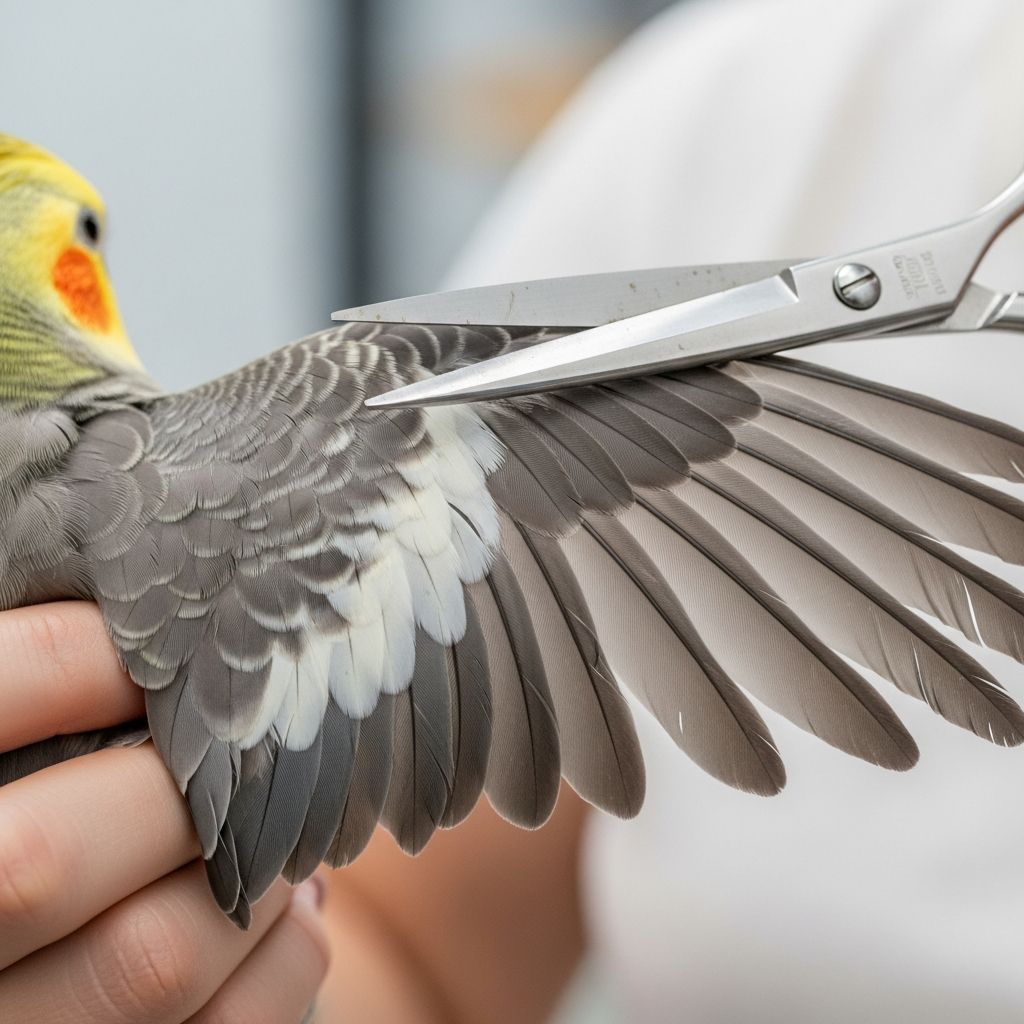
Understanding Bird Wing Clipping: A Comprehensive Guide
Wing clipping is a common practice among pet bird owners, involving the trimming of flight feathers to reduce or eliminate a bird’s ability to fly. This procedure has been debated within the avian community for years, with proponents highlighting safety benefits and critics expressing concerns about natural behavior restriction. Understanding what wing clipping entails, its advantages and disadvantages, and the proper techniques involved is essential for any bird owner considering this procedure for their feathered companion.
What Is Wing Clipping?
Wing clipping, also known as wing trimming, is a procedure where the primary flight feathers on a bird’s wings are trimmed or cut short. The goal is to reduce the bird’s ability to achieve sustained flight, though the extent of flight reduction depends on how the clipping is performed. Some clips are designed to allow birds to glide safely to the ground, while others attempt to eliminate flight capability entirely. The procedure must be performed carefully to avoid damaging blood feathers or causing injury to the bird.
The Pros of Clipped Wings
Pet bird owners often consider wing clipping for several legitimate safety and practical reasons:
Enhanced Safety in the Home
One of the primary arguments for wing clipping is the reduction of household dangers. Clipped birds are safer from collisions with walls, windows, ceiling fans, and other hazardous household items. They cannot accidentally fly into open toilets, which poses both drowning and contamination risks. This controlled environment can provide peace of mind for owners concerned about their bird’s physical safety during unsupervised moments in the home.
Reduced Escape Risk
Accidental fly-away risks are greatly reduced with clipped wings. When doors are opened for entry or exit, a clipped bird is far less likely to escape outdoors where it would face predators, harsh weather, and the inability to find food or navigate back home. This benefit appeals particularly to owners in urban settings or those with outdoor access points that are frequently used.
Protection of Property and Items
Birds are naturally curious and exploratory creatures. Unclipped birds may perch on furniture, knock over items, or damage household furnishings and woodwork. Clipped birds have limited access to elevated areas and are less likely to cause inadvertent damage to a home’s contents or structure.
Training and Handling Benefits
There are some potential handling advantages to wing clipping. When teaching a bird to step up onto a finger or hand, a clipped bird may be more willing to do so since it cannot fly away. Additionally, wing clipping can encourage some birds to interact with different people in the household, as they become more dependent on human interaction for movement and transportation.
The Cons of Clipped Wings
Despite the apparent safety benefits, wing clipping comes with significant disadvantages that bird owners should carefully consider:
False Sense of Security
One of the most problematic aspects of wing clipping is the false sense of security it creates. Owners may become less vigilant about their bird’s safety, assuming that a clipped bird cannot reach hazardous items or situations. This complacency can be dangerous, as clipped birds still face risks from being stepped on, sat upon, or caught in closing doors. Additionally, clipped birds may launch themselves into the same dangers that unclipped birds face when startled or frightened.
Loss of Natural Exercise and Foraging
Flying is the primary form of exercise for birds and is essential for maintaining muscle tone, cardiovascular health, and overall fitness. Birds lose the ability to exercise through flying when their wings are clipped, which can lead to obesity, muscle atrophy, and decreased mobility. Furthermore, foraging via flight, an instinctive behavior that provides mental stimulation and enrichment, is completely eliminated for clipped birds.
Behavioral and Psychological Issues
Clipped birds may experience increased stress and anxiety due to their limited control over their environment and movement. This psychological distress can manifest as destructive behaviors, including feather plucking and excessive screaming. Birds may feel trapped and vulnerable without the ability to fly away from perceived threats or stressors. The loss of autonomy over their own movement can significantly impact a bird’s mental wellbeing.
Risk of Improper Clipping
If wing clipping is not performed correctly by a trained professional, serious injuries can result. Clipped birds that fall rather than glide can suffer broken bones or internal injuries. Birds with improperly clipped wings may still retain some flight capability but lack the coordination of naturally flighted birds, increasing the risk of crashes and injuries. Additionally, improper clipping may accidentally damage blood feathers, causing bleeding.
Outdoor Vulnerability
While clipped wings reduce escape risk indoors, they actually increase vulnerability outdoors. Wing trimming does not eliminate the chance of a bird flying away when outside; clipped birds can still be carried away by strong winds or may achieve flight when startled. However, clipped birds lack the coordination, fitness, and confidence of fully flighted birds, making them easier targets for birds of prey and less capable of navigating outdoor hazards. Clipped birds are also less skilled at descending safely.
Ongoing Maintenance Requirements
Wing trimming is not a one-time procedure. As feathers molt and regrow naturally, wing clipping requires ongoing maintenance. This means regular veterinary visits or professional grooming sessions to maintain the clip, adding to the time and expense of bird care. The frequency of maintenance depends on the bird species, individual molt cycles, and how quickly feathers regrow.
Long-Term Effects of Wing Clipping
Understanding the long-term consequences of wing clipping is crucial for making an informed decision about your bird’s care. The effects span both physical and psychological dimensions.
Physical Long-Term Effects
Physically, wing clipping can reduce the risk of certain injuries by eliminating flight-related accidents. However, this benefit comes at a cost. Prolonged inability to fly leads to muscle atrophy and decreased mobility. Birds may develop weakness in their wings, chest, and leg muscles due to lack of use. This reduced physical fitness can contribute to obesity, joint problems, and decreased overall quality of life. The lack of natural exercise that flying provides means clipped birds may not maintain the physical conditioning necessary for optimal health.
Psychological Long-Term Effects
The psychological impacts of permanent or long-term wing clipping can be severe. Birds that were previously able to fly freely often experience significant stress when clipped. This stress can persist throughout the bird’s life, manifesting as anxiety, aggression, feather destructive behavior, and excessive vocalization. Birds may feel a constant sense of vulnerability and lack of control. The inability to escape from perceived threats, engage in natural flying behaviors, or maintain the independence that flight provides can fundamentally affect a bird’s psychological wellbeing and emotional stability.
Feather Regrowth and Reversal
When done correctly, wing clipping should be temporary, and feathers will eventually grow back over time. However, if clipping is not done correctly or is not regularly maintained, it could cause long-term damage to the bird’s wings and reduce its ability to fly even after new feathers grow in. In some cases, birds may require multiple rounds of feather trimming before they can fully regain their flight ability. Understanding that wing clipping is not necessarily permanent can help owners feel more comfortable exploring this option, knowing that the effects can be reversed when birds molt and new feathers develop.
Alternatives to Wing Clipping
Before deciding on wing clipping, bird owners should explore alternatives that may provide similar safety benefits without restricting natural flight behavior:
Environmental Modification
Creating a bird-safe home environment is the most effective alternative to wing clipping. This includes securing all windows and mirrors, removing or covering ceiling fans, securing toxic items, and eliminating hazards like open toilets and hot stoves.
Flight Harnesses
Flight harnesses are an excellent option to ensure birds’ safety while they’re outside. These devices allow birds to fly freely while remaining securely attached to the owner, preventing escape while maintaining natural flight behavior.
Bird Training and Desensitization
Proper training and gradually desensitizing birds to household environments can help them become safer fliers. Teaching recall commands and creating positive associations with the home environment encourages birds to stay nearby.
Important Considerations
Wing clipping is not a decision to be made lightly. There is often only one compelling reason to clip a bird’s wings: if the safety of the bird or the people in the home is genuinely at risk. Before proceeding with clipping, consider whether alternative safety measures might address your specific concerns. It is also important to remember that wing clipping should be performed by a qualified avian veterinarian or experienced professional who understands proper technique and can minimize the risk of injury.
Comparison: Key Considerations
| Aspect | Clipped Wings | Natural Flight |
|---|---|---|
| Home Safety | Reduced collision risk with household hazards | Requires environmental modifications and vigilance |
| Exercise | Limited; leads to muscle atrophy | Natural and essential for health |
| Mental Health | May cause stress and behavioral issues | Promotes psychological wellbeing |
| Escape Risk (Indoor) | Greatly reduced | Higher with proper precautions |
| Outdoor Safety | Still vulnerable; increased predator risk | Better with training; flight harness recommended |
| Maintenance | Ongoing trimming required | None; natural molt cycle |
Frequently Asked Questions About Bird Wing Clipping
Q: Is wing clipping permanent?
A: No, wing clipping is not permanent. When done correctly, feathers will regrow during the bird’s natural molt cycle. However, the process can take several months, and ongoing maintenance trimming may be needed as new feathers grow in.
Q: How often does my clipped bird need trims?
A: The frequency depends on your bird species and individual molt cycle. Most birds require re-trimming every 6-12 months as new feathers grow in, but this varies. Consult with an avian veterinarian about your specific bird’s needs.
Q: Can a clipped bird still fly away?
A: While clipped birds have greatly reduced flying ability, they can still achieve some flight, especially when startled or outdoors. Strong winds can also carry clipped birds away. Flight harnesses are recommended for outdoor activities.
Q: Is wing clipping painful for birds?
A: When performed on non-blood feathers by a trained professional, wing clipping is not painful. However, if blood feathers are accidentally cut, it can cause bleeding and discomfort. Improper technique can also cause stress and fear.
Q: What are blood feathers?
A: Blood feathers are newly growing feathers that still have a blood supply. These feathers appear darker or have a dark shaft and can bleed profusely if cut. A trained professional will avoid trimming blood feathers.
Q: Should I have my avian veterinarian perform the wing clipping?
A: Yes, it is highly recommended to have wing clipping performed by a qualified avian veterinarian or experienced professional. They understand proper technique, can identify blood feathers, and can minimize the risk of injury.
Q: Can wing clipping help with my bird’s behavior?
A: While wing clipping may make a bird easier to handle temporarily, it can actually cause behavioral problems over time, including feather plucking and excessive screaming due to stress and anxiety. Training and environmental enrichment are more effective behavior management strategies.
Q: What is the best alternative to wing clipping?
A: Creating a safe home environment combined with proper training and flight harnesses for outdoor activities provides the best balance of safety and natural behavior. This approach allows birds to maintain their physical and psychological health while remaining protected from household hazards.
References
- Clipping Bird Wings: What to Know About Wing Trims — Best Friends Animal Society. 2025. https://bestfriends.org/pet-care-resources/clipping-bird-wings-what-know-about-wing-trims
- Wing Clipping | Clipping a Bird’s Wings — Bird Sitting Toronto. 2025. https://birdsittingtoronto.ca/wing-clipping/
- Pros and Cons of Wing Clipping – Keep Your Bird Safe AND Happy — Parrot Volancy. 2025. https://parrotvolancy.com/pros-and-cons-of-wing-clipping/
- Wing Trimming in Pet Parrots: Understanding Best Practices and Implications for this Welfare Issue — Association of Avian Veterinarians. 2025. https://www.aav.org/blogpost/2127750/503645/Wing-Trimming-in-Pet-Parrots-Understanding-Best-Practices-and-Implications-for-this-Welfare-Issue
Similar Articles








Read full bio of medha deb