Clippers or Grinders: Best Nail Care for Dogs
Discover the pros, cons, and expert tips for choosing between clippers and grinders to keep your dog's nails healthy and pain-free.
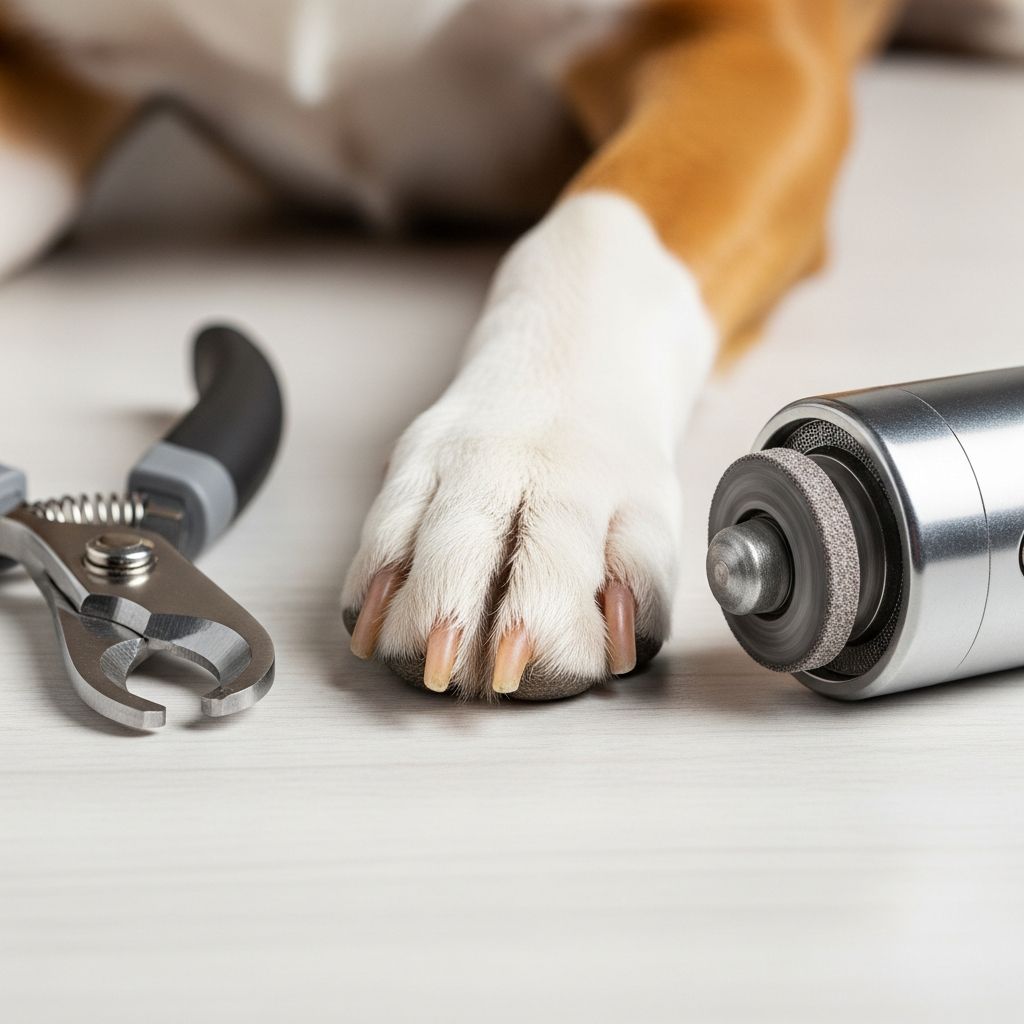
Regular nail maintenance is essential for your dog’s comfort, mobility, and overall health. Overgrown nails can lead to pain, poor gait, and joint issues, while proper trimming prevents these problems. This guide compares
clippers
andgrinders
, two primary methods, helping you select the right approach based on your dog’s size, nail type, and temperament.Why Nail Trimming Matters for Canine Health
Dogs’ nails naturally wear down through activity on rough surfaces, but indoor pets or those on soft ground often need human intervention. Long nails force unnatural paw angles, stressing joints and potentially causing arthritis over time. The nail’s
quick
—a sensitive core with blood vessels and nerves—must be avoided to prevent bleeding and pain, which can make future sessions traumatic.Ideal nail length allows the dog to walk flat-footed, with nails just touching the ground when standing. Frequency varies: active dogs may need trims every 4-6 weeks, while sedentary ones require biweekly attention. Early desensitization builds tolerance, reducing stress for both pet and owner.
Understanding Dog Nail Clippers: Types and Techniques
Clippers offer a quick, manual snip, mimicking scissors or pliers. They come in styles suited to different dogs.
Scissor or Plier-Style Clippers
These feature curved blades matching a dog’s natural nail curve, made from durable stainless steel. Handles provide leverage for thick nails on large breeds. A safety guard prevents over-trimming. They excel at clean, efficient cuts without crushing the nail.
- Best for: Large dogs with dense nails.
- Pros: Fast, quiet, affordable.
- Cons:
Requires steady hands; riskier for dark nails where quick visibility is low.
Guillotine-Style Clippers
A blade slides across a nail inserted through a hole, delivering precise slices. Ideal for small to medium dogs, they allow incremental cuts for control.
- Best for: Pets with slender nails; experienced users.
- Pros: Accurate targeting, good for small portions.
- Cons: Less effective on very thick nails; hole size limits larger breeds.
To use clippers: Hold the paw firmly, trim in the nail’s growth direction, and cut small amounts. For light nails, stop before pink quick; for dark, trim gradually under the tip until a gray-white oval appears. Use styptic powder for accidents.
Exploring Nail Grinders: Power Tools for Precision
Grinders use a rotating abrasive surface, like a Dremel, to file nails gradually. They sand rather than cut, rounding edges for smoothness.
Key Features of Grinders
Models include pet-specific attachments or multi-use rotary tools. Speeds vary for control; guards protect skin. They work by eroding layers, minimizing quick risks.
- Best for: Thick, black, or dewclaw nails.
- Pros: Smoother finish, less splitting risk, safer for novices.
- Cons: Noisier, dust-producing, slower; generates heat.
Technique: Introduce gradually with treats. Grind 3-5 seconds per spot, pausing to cool. Aim for a blunt tip shorter than the pad’s edge. Vacuum dust afterward.
Clippers vs. Grinders: Detailed Comparison
Choosing depends on factors like speed, safety, and dog preference. Here’s a breakdown:
| Aspect | Clippers | Grinders |
|---|---|---|
| Speed | Fast (seconds per nail) | Slower (minutes per session) |
| Safety | Higher quick-cut risk | Lower; gradual removal |
| Nail Types | Thin/light best | Thick/dark ideal |
| Noise/Vibration | Silent | Buzzy; may scare dogs |
| Finish | Sharp edges possible | Smooth, rounded |
| Cost | $10-30 | $30-100 |
| Maintenance | Sharpen blades | Replace bands; clean |
Clippers suit calm, clipper-trained dogs needing quick sessions. Grinders benefit anxious pets or those with hard nails, offering control over the quick.
Safety Protocols for Both Methods
Prevent injury with preparation:
- Desensitize early: Touch paws daily, simulate tools with rewards.
- Light sessions: Trim one paw per day if resistant.
- Tools ready: Styptic, treats, calm environment.
- Angle correctly: 45 degrees for clippers; perpendicular for grinders.
- Monitor heat: Pause grinding often.
For black nails, use indirect light or trim tips first. If bleeding occurs, apply pressure and styptic; consult a vet for repeated issues.
Tailoring Tools to Your Dog’s Profile
Small Breeds and Puppies
Guillotine clippers or low-speed grinders prevent overwhelm. Frequent, short sessions build habits.
Large Breeds with Tough Nails
Scissor clippers provide power; grinders handle overgrown cases.
Senior or Nervous Dogs
Grinders reduce pain association; mobile groomers offer grinding in-home comfort.
Dogs with Special Needs
Dark/thick nails favor grinders; thin nails allow clippers. Dewclaws need targeted grinding.
Step-by-Step Guides for Beginners
Clipping Tutorial
- Secure dog comfortably.
- Inspect nail; identify quick.
- Clip 2mm tips at 45 degrees.
- Check, repeat incrementally.
- File rough edges if needed.
Grinding Tutorial
- Start powered off for familiarity.
- Hold grinder like a pencil.
- Grind sides first, then bottom.
- Rotate paw; keep sessions under 10 minutes.
- Cool breaks every few nails.
Pro Tips from Veterinary Insights
Experts like Dr. Julie Buzby emphasize mobility: short nails aid grip, vital for seniors. Alternate methods if one fails. Professional trims every 6-8 weeks supplement home care. Watch for nail diseases like overgrowth from hypothyroidism.
Frequently Asked Questions (FAQs)
How often should I trim my dog’s nails?
Every 3-6 weeks, or when nails click on floors.
Can I use human clippers on dogs?
No; dog nails are thicker, risking splits.
What if my dog hates both tools?
Gradual exposure, distractions, or vet sedation trims.
Do grinders work on all breeds?
Yes, but introduce slowly to noise-sensitive dogs.
Is filing after clipping necessary?
Recommended for smoothness, especially with grinders.
Maintenance and Long-Term Paw Health
Combine trims with paw checks for cracks or infections. Promote natural wear via walks on varied terrain. Nutrition with biotin supports strong nails. If unsure, consult vets for personalized advice.
Mastering clippers or grinders empowers confident grooming, saving costs and building bonds. Experiment safely to find your dog’s best fit.
References
- Different Types of Dog Nail Trimmers — Lion Country Supply. 2023. https://www.lcsupply.com/blogs/hunting-dog-supplies-reviews/different-types-of-dog-nail-trimmers
- The Essential Guide to Dog Nail Trimming — America’s Paws Paw. 2024. https://www.americaspawspaw.com/the-essential-guide-to-dog-nail-trimming/
- Clipping vs. Grinding Dog Nails – Which is Best? — WagWalking. 2023-10-15. https://wagwalking.com/wellness/clipping-vs-grinding-dog-nails-which-is-best
- Dog Nail Trimming vs. Nail Grinding: What You Should Know — The Soggy Dog. 2021-07-01. https://thesoggydog.com/2021/07/dog-nail-trimming-vs-nail-grinding-what-you-should-know/
- Ammo’s Guide to Nail Trimmers for Dogs — Ammo the Dachshund. 2012-05-16. https://www.ammothedachshund.com/2012/05/16/ammos-guide-to-nail-trimmers-for-dogs/
- Dog Nail Care: Clipping vs Grinding & How to Trim Black Nails — YouTube (Raising Your Pets Naturally). 2023. https://www.youtube.com/watch?v=AE8d1JVXoTE
Similar Articles








Read full bio of medha deb