

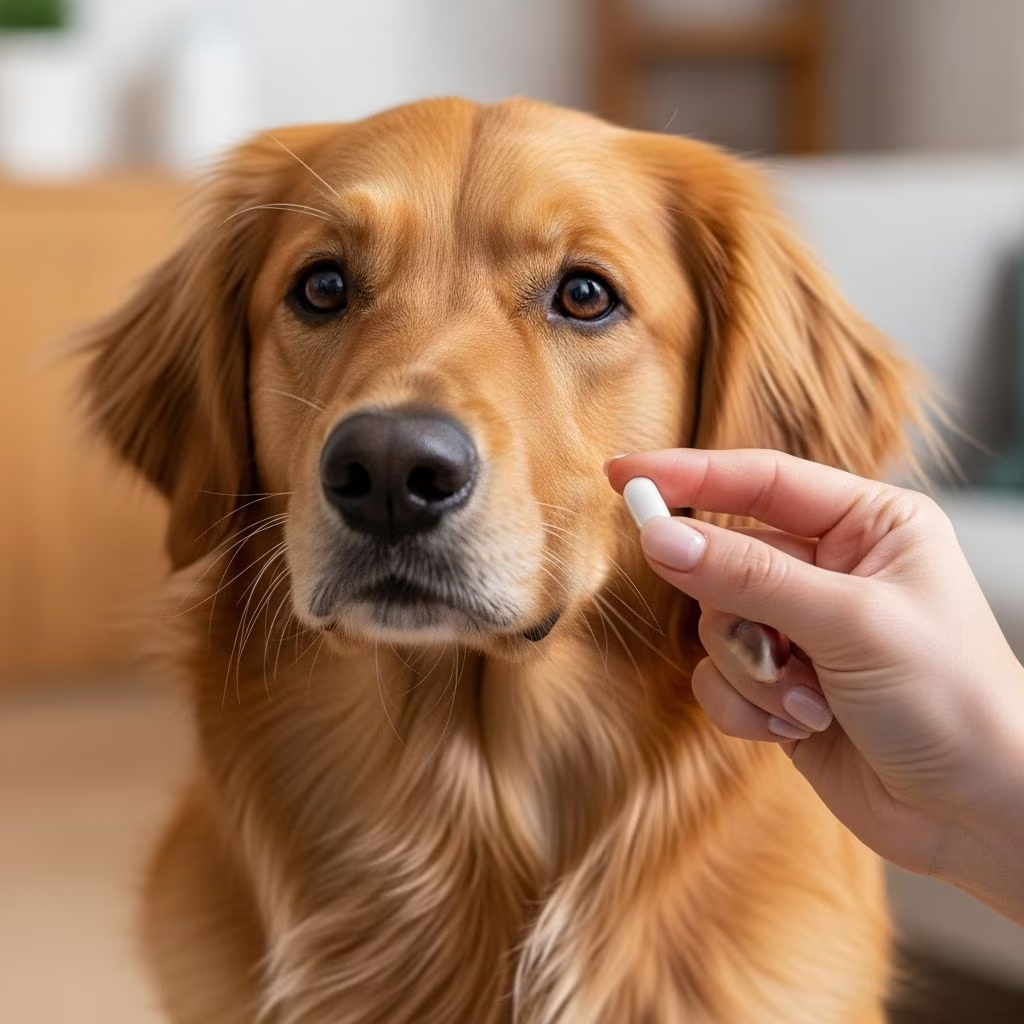
Clindamycin stands as a cornerstone in veterinary medicine for managing bacterial infections in dogs. This lincosamide-class antibiotic targets specific bacteria, making it ideal for conditions like skin abscesses, dental diseases, and bone infections. Veterinarians prescribe it when precise bacterial control is needed, ensuring dogs recover swiftly from targeted ailments.
Understanding Clindamycin’s Role in Canine Health
Belonging to the lincosamide family, clindamycin works by disrupting bacterial protein synthesis. It binds to the 50S ribosomal subunit, halting bacterial growth and replication. This mechanism proves particularly potent against gram-positive bacteria such as Staphylococcus and Streptococcus, as well as anaerobes like Clostridium perfringens and Fusobacterium. Unlike broad-spectrum options, its focused action minimizes disruption to beneficial gut flora.
Approved by regulatory bodies for canine use, brands like Antirobe, Clintabs, and ClindaMed deliver reliable results. Its ability to penetrate tissues, including bone and the central nervous system, sets it apart for deep-seated infections where other drugs falter.
Primary Applications in Treating Dog Infections
Veterinarians turn to clindamycin for infections demanding its unique strengths. Key uses include:
- Skin and Wound Infections: Effective against pyoderma, abscesses, and post-surgical wounds caused by susceptible bacteria.
- Dental Conditions: Targets oral anaerobes in periodontal disease and tooth root abscesses.
- Bone Infections (Osteomyelitis): Penetrates bone tissue to combat chronic bacterial invasions.
- Respiratory Tract Issues: Manages pneumonia from anaerobes or gram-positives.
- Off-Label Protozoal Treatments: Sometimes combined with other drugs for babesiosis or toxoplasmosis, though evidence varies.
It does not address viral, fungal, parasitic, or gram-negative bacterial issues, requiring diagnostic confirmation before use.
Administering Clindamycin: Forms and Dosages
Available in palatable forms, clindamycin suits most dogs. Options encompass:
- Tablets and capsules for precise dosing.
- Flavored oral liquids for picky eaters.
- Chewable treats to encourage compliance.
- Injections for hospitalized cases.
Dosage hinges on weight, infection severity, and site. Standard protocols suggest 5.5–11 mg/kg orally every 12 hours for skin or dental issues, or up to 22–33 mg/kg daily for bone infections. Treatment spans 7–28 days, tailored by vets. Always complete the course to prevent resistance.
| Infection Type | Typical Dosage (mg/kg) | Frequency | Duration |
|---|---|---|---|
| Skin/Wounds | 5.5–11 | Every 12 hours | 7–14 days |
| Dental | 5.5–11 | Every 12 hours | 10–21 days |
| Bone | 11–22 | Every 24 hours | 4–8 weeks |
| Respiratory | 10–15 | Every 12 hours | 7–14 days |
Note: These are general guidelines; veterinary prescription is mandatory.
Potential Side Effects and Monitoring
Most dogs tolerate clindamycin well, but vigilance is key. Common reactions include:
- Gastrointestinal upset: Vomiting, diarrhea, or appetite loss (10–20% of cases).
- Allergic responses: Rare itching, swelling, or hives.
- Esophageal irritation: If pills stick without water.
Severe risks like bloody diarrhea signal Clostridium difficile overgrowth—stop use and seek emergency care. Monitor stool quality and hydration during therapy.
Precautions and Contraindications for Safe Use
Not all dogs suit clindamycin. Avoid in those with lincosamide hypersensitivity, severe liver/kidney impairment, or history of GI pseudo-membranous colitis. Use cautiously in breeding/pregnant animals due to unestablished safety.
Drug interactions matter: Concurrent erythromycin, kaolin-pectin, or opioids may reduce efficacy or heighten toxicity. Inform vets of all supplements and meds.
Overdose Risks and Emergency Steps
Excess doses amplify GI effects, potentially causing dehydration or bloody stools. Symptoms include extreme lethargy, persistent vomiting, or collapse. Immediate vet intervention with supportive care (fluids, anti-emetics) is crucial. Keep meds secured.
Storage and Handling Best Practices
Store tablets/liquids at room temperature, away from light/moisture. Discard expired products. Flavored forms tempt curious noses—use child-proof containers.
Alternatives When Clindamycin Isn’t Ideal
For resistant cases or unsuitable profiles, vets consider cephalexin for skin issues, amoxicillin-clavulanate for broad coverage, or metronidazole for anaerobes. Culture/sensitivity testing guides choices.
Preventing Infections to Reduce Antibiotic Needs
Proactive care curbs clindamycin reliance: Regular dental cleanings, wound hygiene, flea control, and vaccinations fortify defenses. Balanced nutrition bolsters immunity.
Frequently Asked Questions (FAQs)
Can clindamycin be given with food?
Yes, administering with meals reduces stomach upset, though absorption slightly decreases.
How long until clindamycin works in dogs?
Improvement often appears in 48–72 hours; full resolution requires course completion.
Is clindamycin safe for puppies?
Use only under vet guidance; dosing adjusts for age/weight, avoiding very young pups unless essential.
Does clindamycin cause antibiotic resistance?
Proper use minimizes risks; never shorten courses without advice.
Can humans use dog clindamycin?
No—formulations and strengths differ; seek human prescriptions.
Consulting Your Veterinarian: Key Takeaways
Clindamycin transforms bacterial infection management for dogs, offering targeted relief with a solid safety record. Pair it with diagnostics, monitor closely, and follow protocols for optimal outcomes. Prompt vet discussions ensure tailored, effective care.
References
- Clindamycin (Antirobe®, Cleocin®) for Dogs and Cats — PetPlace.com. 2023. https://www.petplace.com/article/drug-library/drug-library/library/clindamycin-antirobe-cleocin-for-dogs-and-cats
- Clindamycin for Dogs: Uses, Dosage, Side Effects — GoodRx. 2024-01-15. https://www.goodrx.com/pet-health/dog/clindamycin-for-dogs
- Clindamycin for Dogs — PetMD. 2023-05-20. https://www.petmd.com/pet-medication/clindamycin
- Lincosamides Use in Animals — Merck Veterinary Manual. 2024. https://www.merckvetmanual.com/pharmacology/antibacterial-agents/lincosamides-use-in-animals
- Clindamycin for Dogs and Cats — WebMD Pets. 2023-11-10. https://www.webmd.com/pets/pet-meds/clindamycin-for-dogs-and-cats



